
 By admin
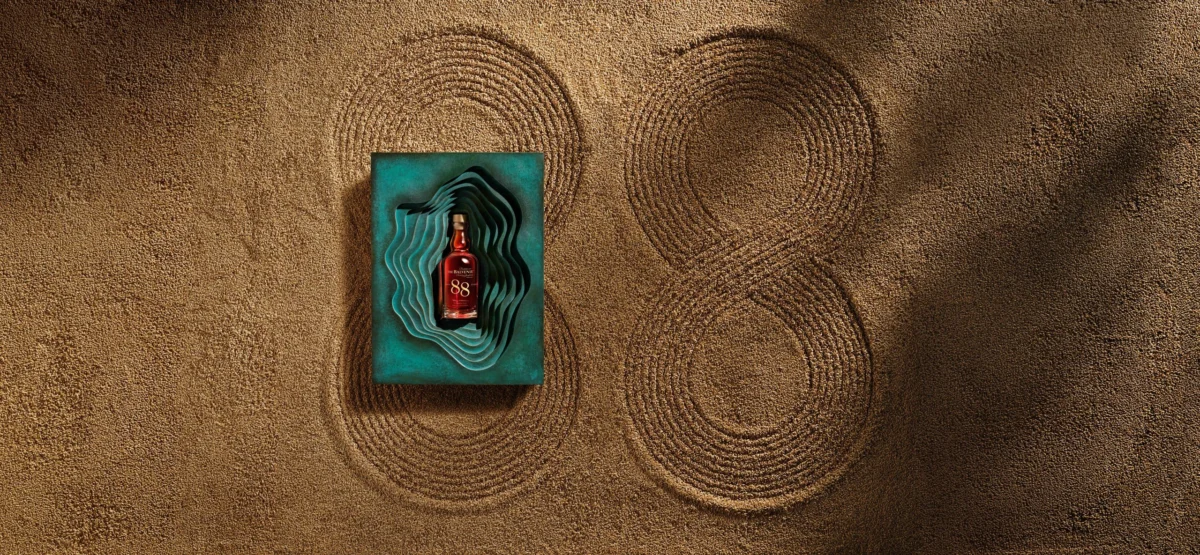
The Speyside-based distillery The Balvenie has officially announced the launch of the 1931 Collection, a prestigious three-bottle release headlined by an 88-year-old single malt, the oldest liquid ever released in the brand’s storied history. This collection, which also includes 12-year-old and 15-year-old expressions, serves as a liquid chronicle of the distillery’s commitment to traditional craftsmanship during periods of global economic instability. By highlighting a year that defined the distillery’s operational philosophy, The Balvenie seeks to demonstrate how a slow, methodical approach to production can yield unparalleled results in the ultra-premium spirits market.
Historical Context: The Significance of 1931
The year 1931 represents a pivotal moment for the Scotch whisky industry, which was then grappling with a confluence of catastrophic economic factors. The global Great Depression had severely curtailed consumer spending, while in the United States, the era of Prohibition (1920–1933) remained in full effect, cutting off one of the industry’s most lucrative export markets. Furthermore, domestic excise taxes in the United Kingdom were at record highs, forcing many historic distilleries to mothball their operations or shutter permanently.
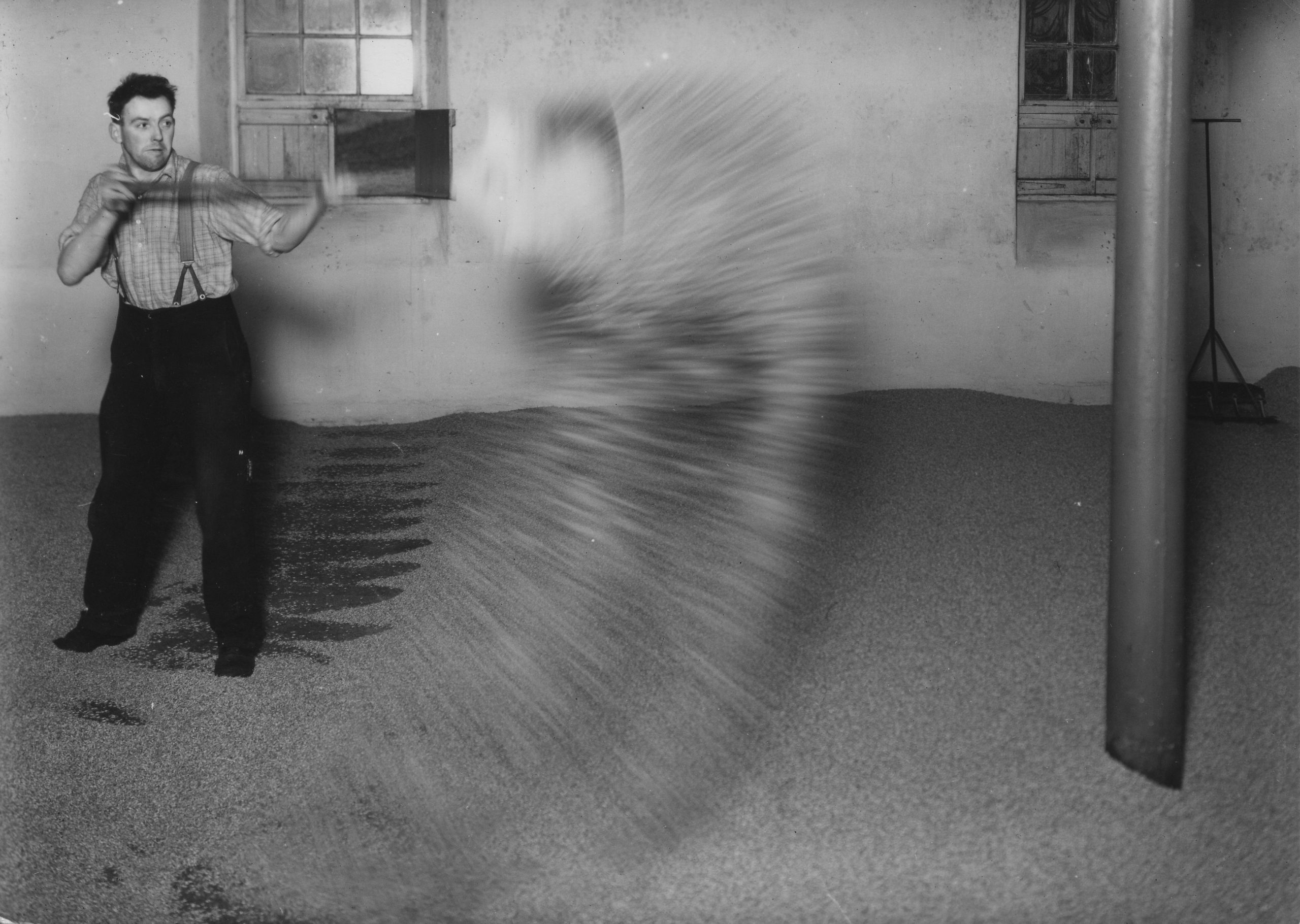
Amidst this volatility, The Balvenie, under the stewardship of William Grant & Sons, chose a counter-cyclical strategy. Rather than scaling back, the distillery invested in its infrastructure, specifically by opening a newly constructed malting floor. This facility allowed the distillery to maintain complete control over the germination and drying of its barley, a labor-intensive process that many competitors were already beginning to outsource to industrial maltings. This decision solidified what is now known as the "honeyed" house style of The Balvenie and ensured that the distillery’s "Five Rare Crafts"—homegrown barley, traditional malting floors, copper stills, a dedicated cooperage, and the expertise of a Malt Master—remained central to its identity.

The 88-Year-Old: A Landmark in Scotch History
The centerpiece of the 1931 Collection is the 88-year-old expression, a whisky drawn from the now-legendary Cask 239. Filled in 1931, this cask has survived nearly a century of maturation in the damp, cool warehouses of Dufftown. The release of such an aged spirit is a rare occurrence in the industry, as the "angel’s share"—the natural evaporation of alcohol and water through the wood—often claims the entirety of a cask’s contents before it reaches its eighth decade.
Cask 239 was originally a European oak sherry butt, the same type of vessel that has historically defined the rich, dried-fruit profile of high-end Speyside whiskies. The 88-year-old expression is presented not merely as a beverage but as a historical artifact. Given its age and the scarcity of liquid from that era, the release is expected to attract significant interest from global collectors and high-net-worth investors who view ultra-aged Scotch as a resilient alternative asset class.
The 12 and 15-Year-Old Expressions: Bridging the Centuries
While the 88-year-old represents the pinnacle of the collection, the 12 and 15-year-old expressions are designed to showcase the continuity of the distillery’s methods from the 1930s to the present day.
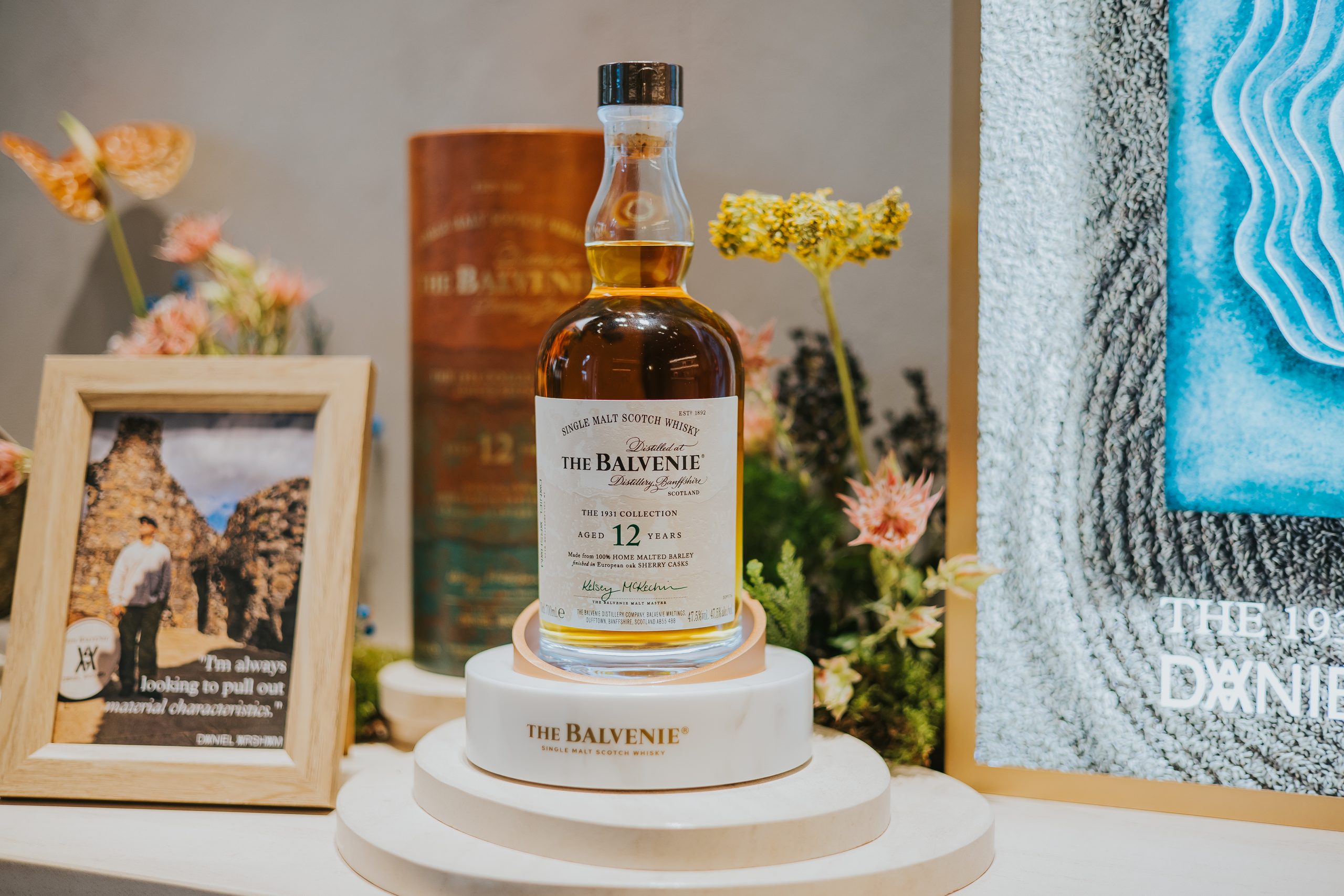
The 12-Year-Old Limited Edition is crafted entirely from barley malted on The Balvenie’s own floors, mirroring the process established in 1931. It undergoes a dual maturation process, starting in American oak barrels before being finished in ex-sherry European oak butts sourced from Jerez, Spain. Bottled at 47.5% ABV, the expression features a nose of warm malty biscuit, creamy toffee, and delicate ginger. The palate offers the classic Balvenie profile of honeyed barley-sugar, transitioning into raisins and spice, with a velvety finish.

The 15-Year-Old Expression takes the concept of traditional craft a step further by utilizing 100% estate-grown barley. The grain is harvested from fields managed by the Wiseman family, who have farmed the land surrounding the distillery for five generations. This "field-to-glass" approach is increasingly rare in modern Scotch production. After harvesting, the barley is soaked, sprouted, and hand-turned on the malting floors before being distilled and matured. Like the 12-year-old, it is finished in Jerez sherry butts. Bottled at 47.8% ABV, this expression is a travel retail exclusive, characterized by notes of sweet cereal, toasted oak, and spiced citrus.
Artistic Collaboration with Daniel Arsham
To emphasize the intersection of time, erosion, and preservation, The Balvenie partnered with renowned New York-based artist Daniel Arsham. Known for his "Future Relic" series, which reimagines contemporary objects as if they were archaeological finds from a distant future, Arsham created a bespoke bronze and oak sculpture for the 88-year-old expression. The sculpture utilizes his signature "eroded" aesthetic, suggesting that the whisky is a treasure recovered from the passage of time.
This artistic influence extends to the packaging of the 12 and 15-year-old bottles. The designs incorporate copper tones that fade into a green verdigris patina, echoing the natural oxidation of the distillery’s copper stills and the bronze elements of the 88-year-old’s sculpture. The interior of the packaging features textured copper-colored linings, providing a tactile connection to the industrial materials used in the whisky-making process.
Strategic Activation: The Singapore Launch
To mark the introduction of the 1931 Collection in the Southeast Asian market, The Balvenie has initiated a targeted consumer experience in Singapore. Partnering with the dessert-focused culinary concept Loulouca, the distillery has curated a limited-time engagement running until December 31, 2026.
This activation allows enthusiasts to sample the 1931 Collection 12-Year-Old alongside other core expressions, such as the DoubleWood 12 and the Sweet Toast of American Oak. Drams are priced between $16 and $24, with a tasting flight offered at $30. The experience includes a bespoke food pairing with Loulouca’s Shizuoka Melon dessert, featuring matcha, vanilla mousse, and mint jelly, designed to provide a sensory contrast to the rich, malty notes of the spirits. Such activations are part of a broader trend in the luxury spirits industry to move beyond traditional retail and toward experiential marketing that emphasizes education and culinary synergy.
Chronology of The Balvenie’s Evolution
The release of the 1931 Collection is the latest chapter in a timeline defined by stability and slow evolution:
- 1892: William Grant establishes The Balvenie distillery in a converted mansion (Balvenie New House) in Dufftown.
- 1920s: The distillery begins expanding its warehouse capacity despite the onset of global economic pressures.
- 1931: Construction and opening of the traditional malting floors, ensuring self-sufficiency in barley preparation.
- 1962: David C. Stewart MBE joins the company, eventually becoming one of the industry’s longest-serving Malt Masters and a pioneer of the "cask finishing" technique.
- 1993: The launch of the DoubleWood 12-Year-Old, which would become a benchmark for the distillery’s style.
- 2021: The Balvenie announces a series of collaborations with artisans through its "Quest for Craft" initiative.
- 2024/2025: The unveiling of the 1931 Collection, marking the 88-year maturation milestone of Cask 239.
Market Analysis and Broader Implications
The launch of the 1931 Collection reflects broader shifts in the global spirits market. According to recent industry reports, while the volume of standard Scotch sales has seen fluctuations, the "prestige" and "ultra-prestige" segments (bottles priced above $1,000) have shown continued growth. Collectors are increasingly seeking whiskies with documented heritage, artisanal production methods, and high age statements.
By releasing an 88-year-old whisky, The Balvenie is positioning itself at the absolute apex of this market. The rarity of the liquid ensures that it will likely appreciate in value, particularly given the historical narrative of the 1931 malting floor. Furthermore, the inclusion of the 12 and 15-year-old expressions ensures that the brand maintains a connection with a broader base of premium consumers who value the "craft" narrative but may not have the capital to acquire the 88-year-old centerpiece.
The collaboration with Daniel Arsham also highlights the growing "premiumization" of Scotch through the lens of contemporary art. By aligning with a high-profile artist, The Balvenie is appealing to a demographic of luxury consumers who view fine spirits as lifestyle statements and collectible art pieces rather than just commodities.
Conclusion: The Value of Patience
The Balvenie 1931 Collection serves as a corporate manifesto on the value of long-term thinking. In an era where technological disruption and rapid production cycles are the norm, the distillery’s reliance on hand-turned barley and nearly a century of cask maturation stands as an anomaly. However, the commercial and critical success of such releases suggests that there remains a significant global appetite for products that cannot be rushed.
As the collection makes its way through international markets and travel retail hubs, it reinforces the notion that the most enduring brands are those that remain anchored in their history while strategically utilizing modern art and experiential marketing to reach new audiences. For The Balvenie, the patience exhibited in 1931 has finally, nearly a century later, reached its full maturation.
