
 By admin
The distinction between a momentary sensation and a lasting cultural Icon lies not in the volume of initial acclaim, but in the persistence of an afterlife. While the modern digital landscape allows for the instantaneous global distribution of images, sounds, and products, it has simultaneously complicated the process by which an object or persona achieves true permanence. Recognition may create an iconic moment, but only the convergence of endurance, adaptability, and collective memory can forge an Icon. This status is rarely declared at the point of origin; rather, it is accumulated through decades of reinterpretation by a public that may have no direct connection to the historical circumstances that produced the original work.
For an entity to transition from being "iconic"—a descriptor often applied to anything visually striking or momentarily popular—to becoming a capital-I "Icon," it must possess three fundamental qualities: legibility, adaptability, and a presence in the collective memory. These pillars explain why certain designs, such as the Chanel Little Black Dress or the Rolex Submariner, remain relevant while thousands of other successful products fade into the archives of fashion and horology.
The Foundation of Legibility and the Chanel Precedent
Legibility refers to the ability of an object to be recognized through its core essence, even when its superficial details are altered. The most prominent example of this principle is the Little Black Dress (LBD). While Gabrielle "Coco" Chanel did not invent the color black for apparel, she is credited with transforming it from a symbol of mourning into a cipher for modern sophistication.
In October 1926, Vogue published a drawing of a simple, long-sleeved Chanel dress in black crêpe de Chine. The magazine famously referred to it as "Chanel’s Ford," implying that it was a garment so versatile and essential that it would become a uniform for women of all social classes. This moment marked a shift in the chronology of fashion. Before the 1920s, black clothing was largely restricted to periods of bereavement, particularly following the strict social codes established during the Victorian era. Chanel’s intervention was to strip the color of its funereal associations and imbue it with a sense of "poverty de luxe"—an intentional simplicity that signaled a new kind of chic.

Data from the Metropolitan Museum of Art suggests that the LBD’s status as an Icon is rooted in its refusal to be tied to a single silhouette. From the drop-waisted shifts of the 1920s to the structured New Look of the 1950s and the minimalist slips of the 1990s, the "concept" of the LBD has remained legible despite radical changes in tailoring. It has become a social institution rather than a static design. This illustrates a key rule of Iconography: the core must be recognizable, but the form must be flexible enough to survive the death of the trend that birthed it.
Technical Precision and Cultural Myth: The Rolex Submariner
The trajectory of the Rolex Submariner offers a parallel in the world of industrial design and horology. Launched in 1953 at the Basel Watch Fair, the Submariner was originally conceived as a professional tool. It was the first divers’ wristwatch waterproof to a depth of 100 meters (330 feet), featuring a rotatable bezel that allowed divers to track their immersion time.
The Submariner’s transition from a niche tool to a global Icon was facilitated by a strategic intersection of functionality and popular culture. In 1962, the watch appeared on the wrist of Sean Connery in the first James Bond film, Dr. No. This cinematic association provided the watch with a narrative layer that exceeded its technical specifications. Rolex records indicate that the brand did not officially provide the watch for the film; rather, it was reportedly the personal timepiece of a crew member or the director. Regardless of its origin on set, the visual of the Submariner paired with a dinner suit established a new cultural shorthand: the idea that a rugged, functional tool could also be a symbol of peak elegance and achievement.
The endurance of the Submariner is evidenced by its performance in the secondary market. According to market analysts at McKinsey and various horological auction houses, the Submariner maintains one of the highest resale value retentions in the luxury sector. This financial data reflects a cultural reality: the design has remained so consistent over seven decades that a model from 1954 is immediately recognizable as the ancestor of a model from 2024. By maintaining its visual codes while incrementally updating its technology, Rolex has ensured the Submariner remains an Icon of continuity in an era of planned obsolescence.
Performance as Shorthand: The Michael Jackson Effect
In the realm of persona and performance, an Icon emerges when a fragment of their work can summon the entirety of their cultural impact. Michael Jackson’s career provides a definitive case study in the creation of visual and auditory shorthand.

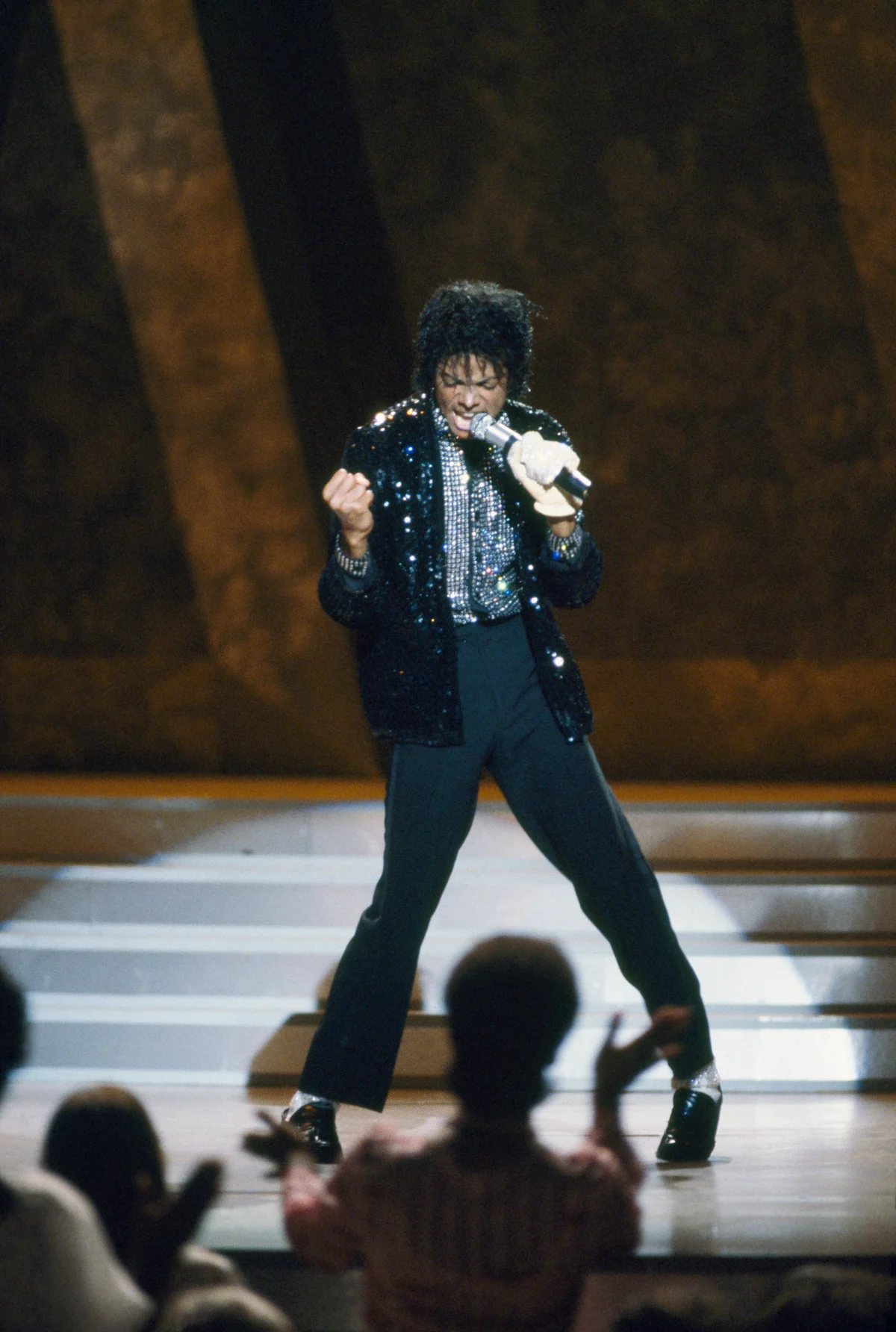
On May 16, 1983, during the Motown 25: Yesterday, Today, Forever television special, Jackson performed "Billie Jean." It was during this performance that he debuted the "moonwalk," a backsliding dance move he had adapted from street dancers. The broadcast reached approximately 47 million viewers, a staggering number that solidified the performance in the global consciousness.
However, the "Icon" of Michael Jackson is not just the 1983 performance itself, but the symbols that survived it: a single sequinned glove, a pair of high-water trousers with white socks, and the bassline of a specific song. These elements have become "shorthand." Decades later, a silhouette of a man on his toes in a fedora is instantly legible to people born long after 1983. This demonstrates that an Icon functions as a mnemonic device for culture; it allows for the retrieval of a complex set of emotions and historical contexts through a single, simplified image.
The Semantics of the "Revenge Dress" and Princess Diana
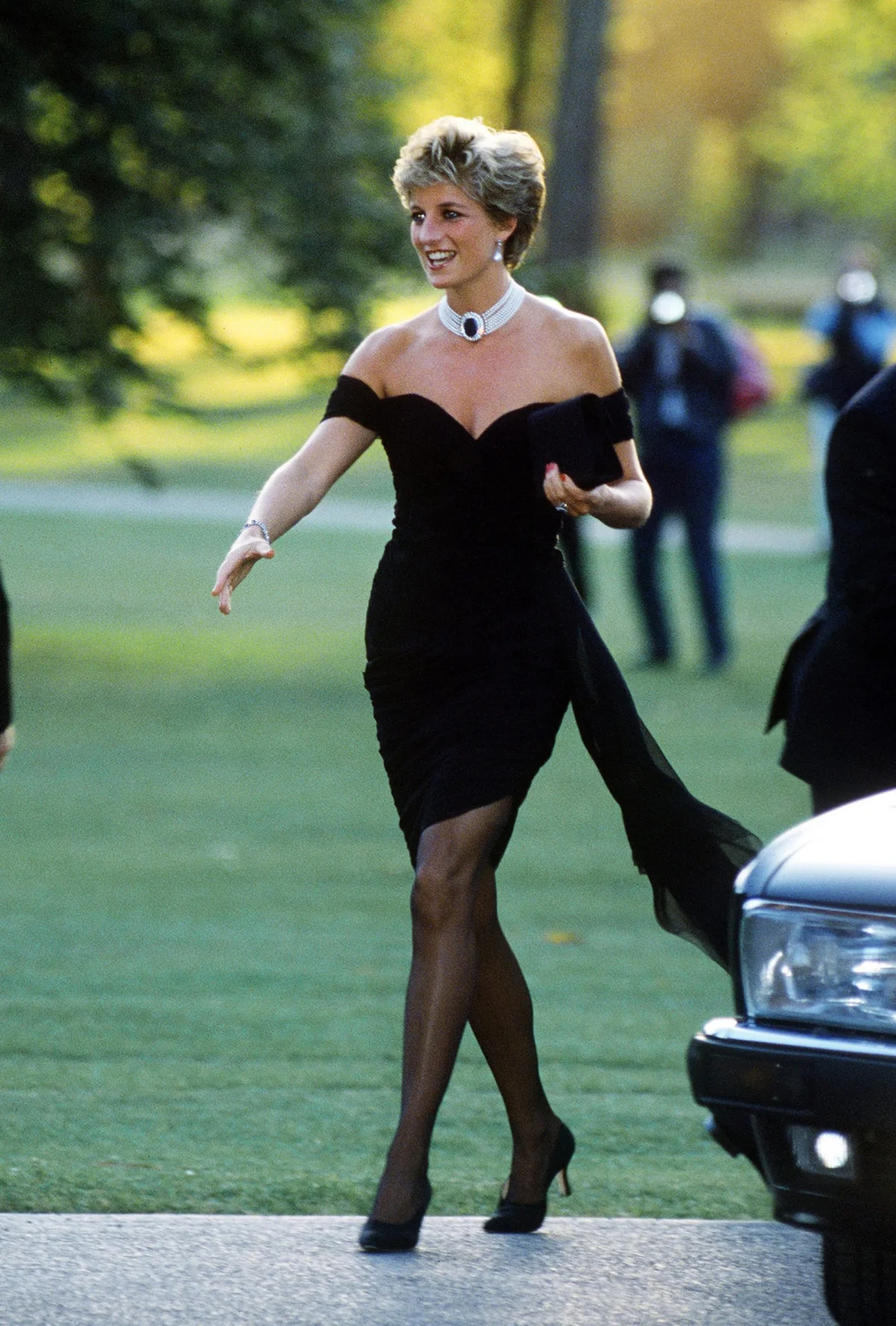
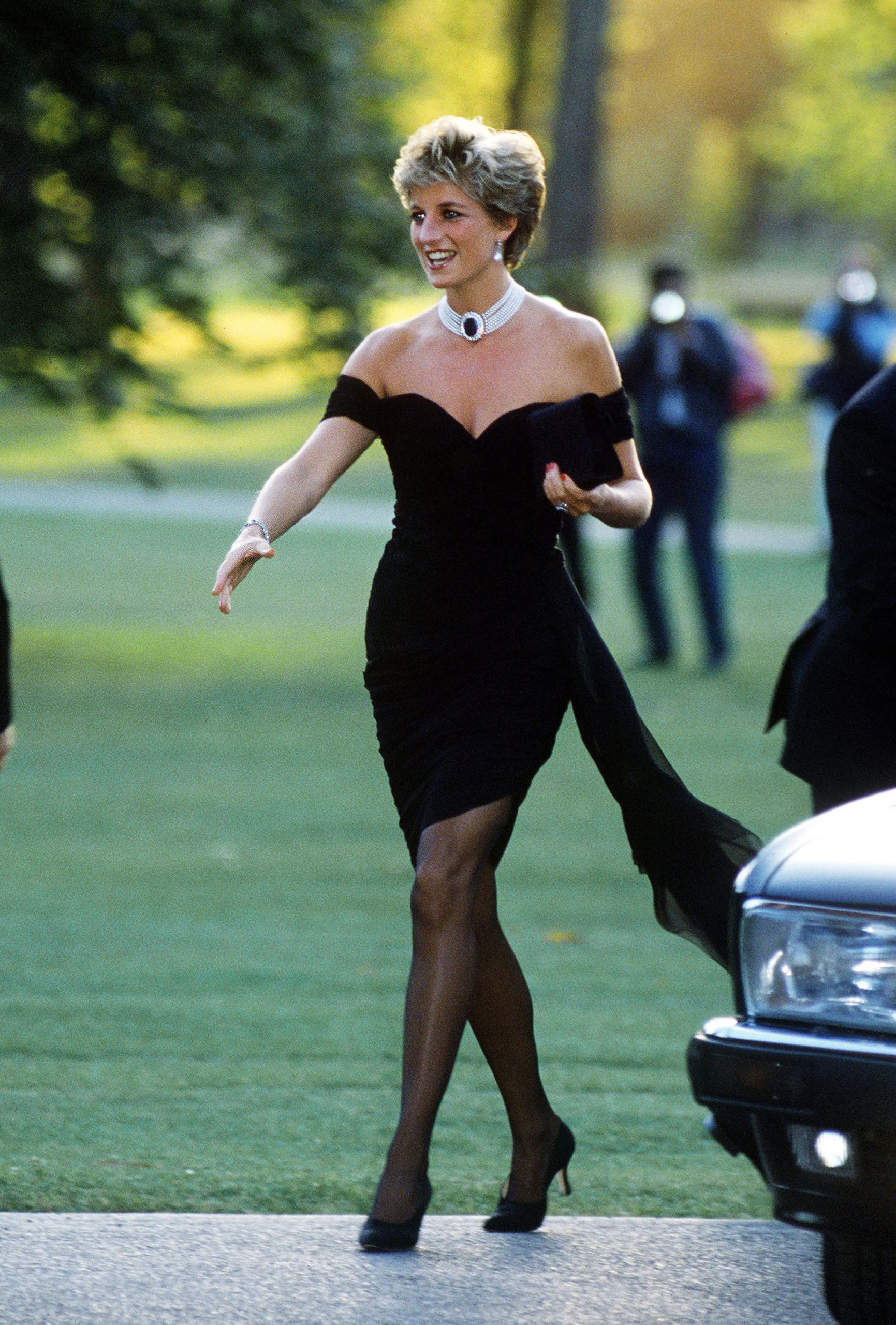
The case of Princess Diana illustrates how an Icon can be reclaimed and redefined by the public, often moving beyond the original intentions of the creator. In June 1994, Diana attended a gala at the Serpentine Gallery wearing a black, off-the-shoulder silk dress by designer Christina Stambolian. The timing was significant: the event coincided with a televised interview in which Prince Charles admitted to his infidelity.
Retrospectively dubbed the "Revenge Dress," the garment became a symbol of female autonomy and public defiance. However, the true mark of its Icon status is its linguistic afterlife. The term "revenge dressing" has entered the modern lexicon, used by fashion journalists and social media users to describe any instance of using style as a form of post-breakup empowerment.
Data from search engines and linguistic databases shows that the phrase "revenge dress" peaks in usage during high-profile celebrity separations, proving that the Icon has moved beyond Diana herself. It has become a template—a cultural "meme" in the original sense of the word—that people use to navigate their own social realities. At this stage, the Icon no longer belongs to the designer or the wearer; it belongs to the culture that interprets it.
The Filter of Time and the Limits of Manufacture
In the age of social media, brands and individuals often attempt to manufacture "iconic moments." Viral marketing campaigns and high-budget influencer activations can create a "spike" in recognition, but they frequently fail to achieve "endurance."
Time acts as the ultimate filter. A product that sells out in hours due to an algorithmic trend may be forgotten within six months. In contrast, an Icon survives because it can withstand the disappearance of the original circumstances that made it famous. This raises a critical question for luxury houses and creators: can an Icon be planned?
While the ultimate status of an Icon is granted by the public, creators can establish the necessary conditions for its emergence:
- Distinctive Consistency: The design must be unique enough to be identified but consistent enough to build a "visual bank" over time.
- Quality of Craft: Physical endurance is a prerequisite for cultural endurance. An object must last long enough to be passed down or rediscovered.
- Contextual Expansion: The object or persona must be able to move into new environments (e.g., a dive watch moving into cinema, or a mourning dress moving into a cocktail party).
Industry experts note that the current "hype cycle" is often the enemy of true Iconography. Rapid-fire releases and constant rebranding prevent the accumulation of meaning. For a brand like Hermès, the "Birkin" bag remains an Icon precisely because the company limits its availability and refuses to drastically alter its design to suit fleeting trends. This scarcity, combined with a rigid adherence to design codes, allows the object to accumulate cultural weight.
Broader Implications: The Future of Cultural Permanence
As we move further into the 21st century, the definition of an Icon is being challenged by the sheer volume of information. When everything is "content," the barrier to becoming an "Icon" becomes higher, not lower. The Icons of the past—Chanel, Rolex, Jackson, Diana—benefited from a more centralized media landscape where a single image could be shared by a majority of the population simultaneously.
In a fragmented digital world, the next generation of Icons may look different. They may be digital-native or exist within subcultures before breaking into the mainstream. However, the underlying mechanics will remain the same. They will need to be legible enough to be recognized in a thumbnail, adaptable enough to be remixed on social media, and significant enough to remain in the collective memory once the screen goes dark.
Ultimately, the strength of a genuine Icon lies in its ability to facilitate change without losing its identity. It is a stable core in a world of constant movement. Makers can provide the object and the initial spark, but they must eventually step back. Whether a moment becomes a memory or a memory becomes an Icon is a judgment that only the passage of time is qualified to make. Cultural permanence cannot be launched; it must be earned through the slow, steady process of survival.
