
 By admin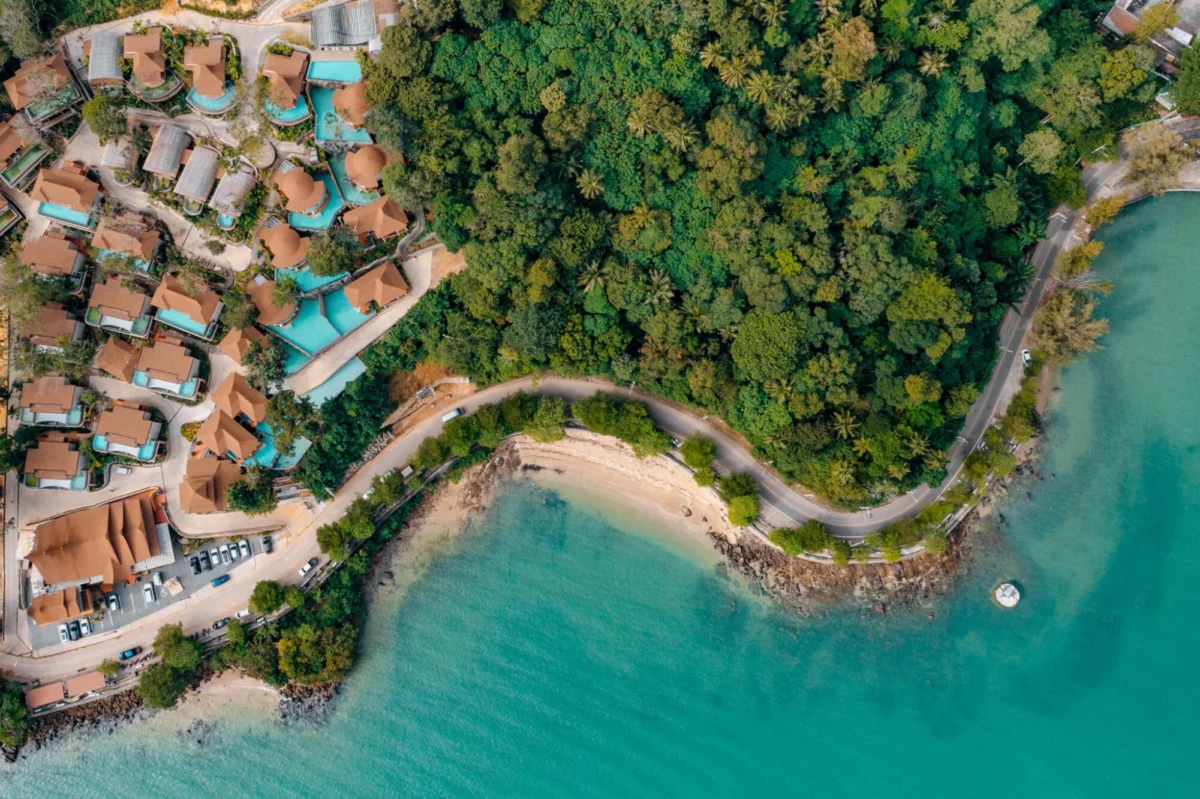
While the global perception of Phuket is often dominated by the neon-lit corridors of Patong and the high-density resorts of the island’s western coastline, a sophisticated shift is occurring on its eastern periphery. Situated just across the narrow canal from the historic Phuket Town, the Sinae Phuket Luxury Hotel has emerged as a focal point for a burgeoning segment of the travel market: the "slow travel" enthusiast. This demographic prioritizes seclusion, cultural authenticity, and architectural integration over the mass-market appeal of traditional tourist hubs. By positioning itself on the tranquil shores of Siray Bay, Sinae offers a logistical paradox—a sanctuary that feels worlds away from the island’s frantic pace, yet remains less than fifteen minutes from the UNESCO-recognized culinary and cultural heart of the Old Town.
A Strategic Departure from Mass Tourism
The development of Sinae Phuket represents a calculated departure from the high-volume hospitality models that have historically defined the island. For decades, Phuket’s tourism economy was built on the "sun, sea, and sand" triad, concentrated heavily in the west. However, the post-pandemic era has seen a marked increase in demand for low-density, high-privacy accommodations. Sinae’s inventory of sixty-four villas is a direct response to this trend. Unlike the sprawling six-hundred-room mega-resorts found elsewhere, Sinae focuses on a boutique experience where the ratio of space to guest is significantly higher.
The resort’s location on Koh Siray—technically an island separated from the mainland by a small bridge—provides a natural buffer against the noise and traffic of the central districts. This geographical isolation allows for a "village-style" layout that cascades down a lush hillside toward the Andaman Sea. Industry analysts note that this shift toward the east coast is part of a broader "East Side Renaissance," as travelers seek out the sunrise views and calmer waters of the Phang Nga Bay side of the island.

Architectural Heritage and the Chao Lay Influence
The aesthetic foundation of Sinae Phuket is rooted in the heritage of the region’s original inhabitants: the Chao Lay, or Sea Gypsies. The architectural narrative avoids the sterile, glass-and-steel minimalism often found in modern luxury hotels, opting instead for earthy textures and organic materials. The use of local timber, intricately woven thatch, and natural stone creates a visual continuity with the surrounding forest and shoreline.
Each of the sixty-four villas is designed as a standalone sanctuary. The integration of private pools in every unit is a critical feature that caters to the "sanctuary-seeking" traveler. Internally, the design incorporates traditional Thai crafts and motifs, interpreted through a contemporary lens. The layout of the villas, which often places the private pool just steps from the master bedroom, emphasizes a seamless indoor-outdoor living experience. This design philosophy not only honors local culture but also serves a functional purpose, providing natural ventilation and reducing the visual impact of the buildings on the hillside.
The Hilltop Café: A Unique Retail and Sensory Landmark
One of the most distinctive features of the property is the Sinae Hilltop Café, situated at the highest elevation of the resort. In a strategic branding move, the café hosts a Starbucks outlet, making it the only Starbucks in Phuket to offer an unobstructed 200-degree panoramic view of the Andaman Sea. This partnership represents a growing trend in luxury hospitality where global brand recognition is paired with unique, site-specific locations to create a "destination within a destination."
The Hilltop Café serves as the social anchor of the resort, providing a vantage point from which guests can observe the traditional rhythms of the sea. In the early hours, the horizon is dotted with local fishing vessels, while the late afternoon provides a theater for the dramatic color shifts of the tropical sky. Logistically, the resort manages guest movement to this peak via a dedicated buggy service, ensuring that the steep terrain does not detract from the accessibility of the experience.

Culinary Inclusion and the Halal Certification Strategy
In an effort to appeal to an increasingly diverse international clientele, Sinae Phuket has secured Halal certification for its culinary offerings. This is a significant strategic move, particularly as Phuket sees a surge in high-net-worth travelers from the Middle East, Malaysia, and Indonesia. According to data from the Tourism Authority of Thailand (TAT), the Muslim travel market is one of the fastest-growing segments in the region, with specific requirements for dietary compliance and privacy.
The menu at Sinae spans a broad spectrum, from authentic Southern Thai delicacies to refined Western and international fare. By ensuring that all food preparation adheres to Halal standards, the resort removes a significant barrier to entry for a large portion of the global luxury market. This inclusivity extends beyond the menu; the privacy afforded by the individual pool villas makes the resort an ideal choice for travelers who require high levels of discretion and seclusion for cultural or personal reasons.
Chronology of Development and Future Expansion
The timeline of Sinae Phuket reflects a phased approach to growth, prioritizing environmental stability and service quality over rapid scaling.
- Phase I (Inception and Launch): The initial development focused on establishing the core infrastructure and the first set of sea-view villas, emphasizing the "quiet side of Phuket" as a brand identity.
- Phase II (Amenities and Integration): The introduction of the Hilltop Café and the Starbucks partnership solidified the resort’s status as a lifestyle destination, attracting not just overnight guests but also day visitors seeking the island’s best views.
- Phase III (Ongoing and Future): Management has confirmed that additional villas are in the pipeline. However, the expansion is being managed with a "low-impact" philosophy, ensuring that the addition of new units does not compromise the privacy or the panoramic views of the existing structures.
This measured growth strategy is a key differentiator in a market where overdevelopment often leads to the degradation of the very natural beauty that attracts tourists in the first place.

Supporting Data: The Shift in Phuket’s Luxury Market
Recent data from hospitality research firms indicates a clear trend toward villa-based accommodations in Phuket. In 2023, the occupancy rates for private pool villas outperformed traditional hotel rooms by approximately 12%, with a significantly higher Average Daily Rate (ADR). Travelers are increasingly willing to pay a premium for "isolated luxury"—a trend that Sinae Phuket has successfully capitalized on.
Furthermore, the proximity to Phuket Old Town is a major statistical driver. The Old Town has seen a 40% increase in foot traffic over the last three years, spurred by its designation as a UNESCO City of Gastronomy. By being located ten minutes away, Sinae benefits from this cultural magnetism without being subjected to the congestion of the city center.
Official Responses and Hospitality Philosophy
Management at Sinae Phuket has frequently emphasized that their goal is to provide a "residential" rather than "commercial" feeling. In statements regarding the resort’s mission, representatives have noted that the "Sinae experience" is defined by the absence of the traditional hotel lobby atmosphere. By moving the focus from a centralized check-in/social area to the individual villa, the resort empowers guests to dictate their own pace.
"We recognize that for many of our guests, time and privacy are the ultimate luxuries," a resort spokesperson stated in a recent briefing. "Our role is to provide the backdrop for a quiet, personal narrative, whether that involves a sunrise swim or a coffee overlooking the bay. We are not just selling a room; we are providing a different perspective on what Phuket can be."

Broader Impact and Implications for Regional Tourism
The success of Sinae Phuket has broader implications for the development of Phuket’s eastern coastline. Historically neglected in favor of the west, the east is now being viewed as a viable frontier for sustainable, high-end tourism. This shift helps to redistribute the environmental and social pressure of tourism across the island, preventing any single area from becoming overwhelmed.
Moreover, Sinae’s focus on local craftsmanship and Chao Lay heritage sets a precedent for "culturally responsible luxury." As travelers become more conscious of their environmental and cultural footprint, resorts that offer a genuine connection to the local land and its people are likely to see sustained long-term growth.
In conclusion, Sinae Phuket Luxury Hotel stands as a testament to the evolution of the Thai hospitality industry. By eschewing the loud, high-traffic models of the past and embracing a philosophy of quietude, privacy, and cultural integration, it offers a blueprint for the future of luxury travel in the region. For the traveler who has "done" Phuket, Sinae provides a compelling reason to return—not to see the sights they have seen before, but to discover a side of the island that remained hidden in plain sight.
