
 By Nana Wu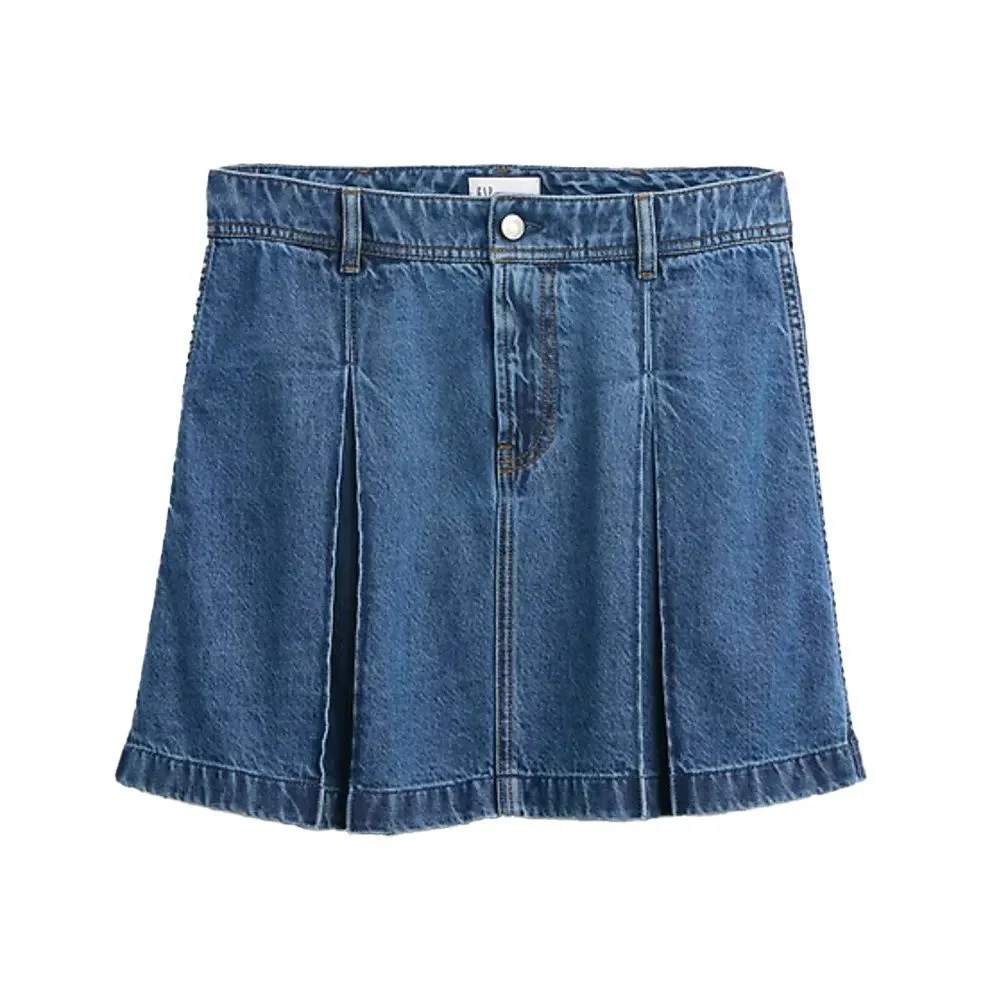
New York-based designer Sandy Liang has officially announced a collaborative partnership with the American retail giant Gap, marking a significant milestone in the intersection of high-concept independent design and mass-market accessibility. The upcoming 20-piece apparel collection, titled “Sandy’s Dream Closet,” is scheduled for a global release on October 10. This collaboration serves as a curated synthesis of Liang’s signature aesthetic—a blend of nostalgic whimsy and downtown utilitarianism—reimagined through the lens of Gap’s heritage as a staple of American sportswear. The collection is highlighted by a hero piece: a classic trench coat featuring an oversized bow on the back, a design element that has become synonymous with Liang’s brand identity.
The partnership arrives at a pivotal moment for both the designer and the retailer. For Liang, the collaboration represents a "full circle" narrative, as she has frequently cited Gap as a foundational influence on her early understanding of fashion. For Gap, the project is part of a broader strategic initiative to regain cultural relevance by partnering with contemporary designers who command high levels of engagement among younger, trend-conscious demographics. By integrating Liang’s "balletcore" and "coquette" sensibilities with Gap’s manufacturing scale, the collection aims to democratize high-fashion design while maintaining the functional integrity that both brands prioritize.
A Synthesis of Whimsy and Utility
The "Sandy’s Dream Closet" collection consists of 20 distinct items that bridge the gap between avant-garde femininity and everyday practicality. Central to the collection are Liang’s established design codes, which have earned her a cult following since the launch of her eponymous label in 2014. These include heavy use of sherpa fleece, Peter Pan collars, intricate pleating, and, most notably, bows. The oversized back-bow trench coat is expected to be the most sought-after item, offering a structural twist on a traditional wardrobe staple.
In addition to the outerwear, the collection features a variety of textures and materials. Sherpa pullovers, a category Liang is credited with revitalizing in the luxury space, are reimagined for the Gap consumer. These pieces often feature unexpected details, such as spotted patterns or half-zip closures, which elevate the garments from basic loungewear to statement pieces. The inclusion of Peter Pan collars on shirts and dresses further emphasizes the "girlhood" aesthetic that Liang has championed throughout her career.
Significantly, the collection also ventures into children’s sizing. This expansion is a direct reflection of Liang’s personal life, specifically a tribute to her newborn son. By offering mini versions of her adult designs, Liang taps into the growing market for "mommy and me" styling, while also ensuring that the collection appeals to a multi-generational audience. The children’s pieces maintain the same design rigor as the adult line, featuring utility pants, pleated denim skirts, and branded accessories like the "Sandy" cap and clear tote bags.
The Narrative of Sandy’s Dream Closet
The marketing campaign for the collaboration distinguishes itself through a creative partnership with visual artist Annie Choi. Rather than a traditional live-action editorial, the campaign is centered around an animated short film also titled “Sandy’s Dream Closet.” This animation serves as a metaphorical journey through Liang’s childhood memories, illustrating her early aspirations in the fashion industry. The film depicts a young Liang dreaming of the very partnership that has now come to fruition, reinforcing the emotional weight of the collaboration.
In an official press release, Liang expressed the profound impact Gap had on her upbringing in New York. "Growing up, Gap was the pinnacle of fashion. It’s incredible that I get to co-create with such an iconic brand that I treasured so much as a child, yet is still so relevant today," she stated. Liang further explained that the collection is intended to capture the feeling of childhood imagination—specifically the way clothes can represent a child’s vision of their future adult self. By reimagining these childhood staples through her modern design lens, Liang aims to celebrate "girlhood in all its forms" while paying homage to Gap’s timeless silhouettes.
Tracing the Rise of Sandy Liang
To understand the significance of this collaboration, one must look at the trajectory of Sandy Liang’s career. A graduate of Parsons School of Design, Liang launched her brand in 2014, initially operating out of her father’s restaurant in Manhattan’s Chinatown. Her early collections were defined by a unique ability to blend the gritty, utilitarian vibes of the Lower East Side with hyper-feminine accents. She famously turned the "fleece jacket"—once associated strictly with outdoor gear brands like Patagonia—into a luxury fashion item.
Over the past decade, Liang has expanded her repertoire to include footwear, accessories, and bridal wear. Her collaborations have been particularly successful; her partnership with Salomon in 2023 resulted in sneakers that sold out within minutes and currently command high premiums on the secondary resale market. Similarly, her collaboration with the bag brand Baggu saw unprecedented demand, crashing websites and leading to long waitlists. These successes have positioned Liang as a "collaborative powerhouse," making her an ideal partner for a legacy brand like Gap that is looking to tap into her highly loyal "Sandy Liang Girl" fan base.
Gap’s Strategic Shift Toward Designer Partnerships
For Gap Inc., this collaboration is a tactical component of its ongoing brand revitalization strategy. Under the leadership of CEO Richard Dickson, who took the helm in 2023 after a successful tenure at Mattel, Gap has been aggressive in its pursuit of "cultural milestones." Dickson’s strategy involves moving away from a purely discount-driven model and toward a brand-led approach that emphasizes storytelling and exclusive partnerships.
The Sandy Liang collection follows a series of successful high-profile collaborations for Gap, including projects with the London-based skate brand Palace and the California-based feminine label Dôen. Furthermore, the appointment of Zac Posen as the Creative Director of Gap Inc. and Chief Creative Officer of Old Navy signals a renewed commitment to design excellence across the portfolio. By aligning with designers like Liang, Gap is able to capture the attention of Gen Z and Millennial consumers who value niche design aesthetics but may not always have the budget for luxury price points.
The Economic Logic of High-Low Collaborations
The "high-low" collaboration model—pairing a luxury or independent designer with a mass-market retailer—has become a cornerstone of the modern fashion economy. From H&M’s legendary partnerships with Karl Lagerfeld and Maison Margiela to Target’s ongoing designer series, these collaborations serve several economic purposes:
- Democratization of Design: They allow consumers to access high-concept fashion at a fraction of the usual cost.
- Brand Halo Effect: The mass retailer gains "cool factor" and prestige, while the independent designer gains massive brand awareness and access to a global supply chain.
- Scarcity and Demand: By releasing limited-edition collections, brands create a sense of urgency that drives immediate sales and social media engagement.
- Data Acquisition: These launches provide retailers with valuable data on new customer segments that may not typically shop at their stores.
In the case of Sandy Liang x Gap, the economic impact is expected to be significant. The collection’s focus on versatile pieces like trench coats and denim ensures a broad appeal, while the niche design elements cater to the "insider" fashion community.
Consumer Demographics and Aesthetic Trends
The collection arrives at a time when the "coquette" and "balletcore" aesthetics are dominating social media platforms like TikTok and Instagram. These trends, characterized by bows, lace, ribbons, and soft pastels, align perfectly with Liang’s design DNA. However, by incorporating utilitarian elements like utility pants and durable denim, the collection avoids being overly precious, making it wearable for a diverse range of consumers.
Market analysts suggest that the "Sandy’s Dream Closet" collection will appeal particularly to the "urban creative" demographic—individuals who value independent labels but are also looking for high-quality basics. Furthermore, the inclusion of children’s wear allows Gap to leverage its strong position in the kids’ and baby market, providing an entry point for parents who want their children to mirror their own fashion-forward sensibilities.
Projected Market Impact and Availability
The Sandy Liang x Gap collection is expected to see rapid sell-through rates upon its release on October 10. Given the track record of Liang’s previous collaborations, industry experts anticipate that key items—specifically the bow trench coat and the sherpa pullovers—will likely appear on resale platforms like Depop and StockX shortly after the launch.
The collection will be available through Gap’s official website and in select flagship stores globally. This limited distribution strategy is intended to maintain the exclusivity of the collaboration while still providing enough scale to meet global demand. As the fashion industry continues to navigate a complex retail landscape, the Sandy Liang and Gap partnership stands as a testament to the power of nostalgic storytelling and the enduring appeal of well-executed, accessible design.
By honoring the timeless styles that have made Gap a household name while infusing them with the playful, modern spirit of Sandy Liang, "Sandy’s Dream Closet" is poised to be one of the most significant retail events of the autumn season. It represents not just a collection of clothing, but a bridge between the fashion dreams of the past and the commercial realities of the present.
