
 By Jia Lissa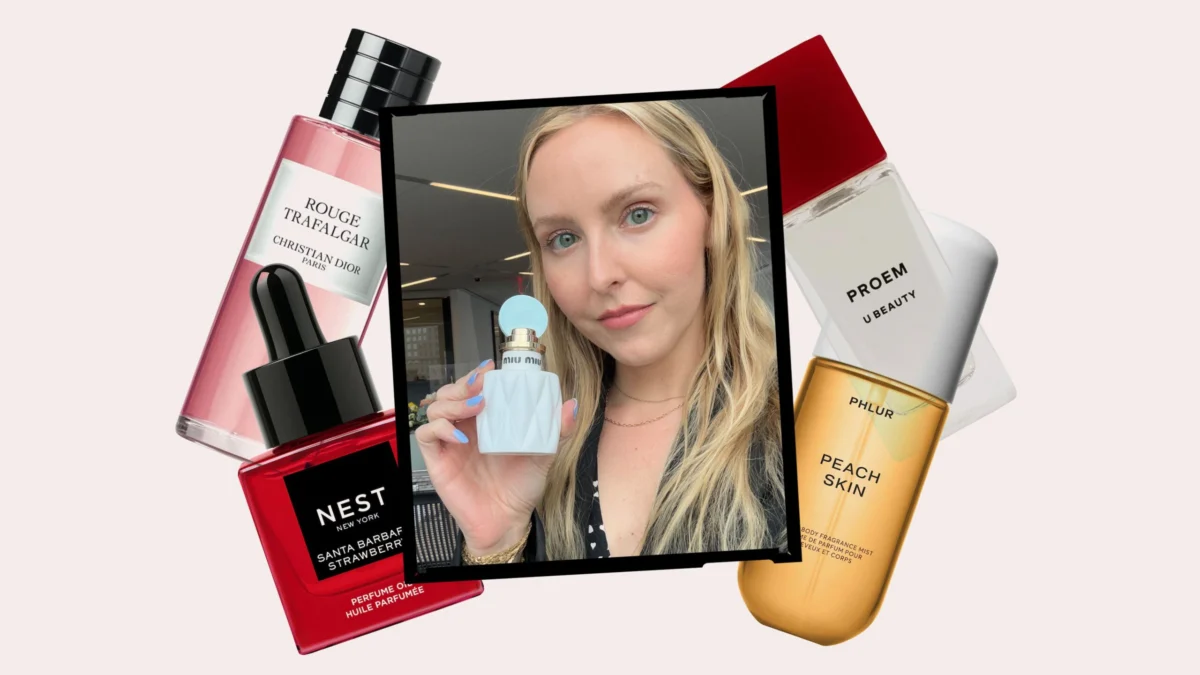
The world of perfumery is a vast and intricate tapestry, woven with threads of scent that evoke emotions, memories, and distinct impressions. Within this olfactory landscape, certain fragrance families are often discussed, yet their nuances can sometimes blur for the uninitiated. This article aims to demystify three popular categories: fruity, citrus, and gourmand fragrances, exploring their defining characteristics, the science behind their creation, and their enduring appeal in the fragrance market. We will also delve into practical considerations for fragrance longevity and the rigorous testing methodologies employed by leading publications to ensure consumer confidence.
The Distinct Aromas: Fruity, Citrus, and Gourmand Unveiled
Understanding the core differences between fruity, citrus, and gourmand fragrances is crucial for navigating the complex world of scent. These categories, while seemingly straightforward, possess unique olfactory profiles that cater to diverse preferences and occasions.
Citrus Fragrances: The Sparkle of Zest and Brightness
According to Jean-Marc Chaillan, VP Perfumer at International Flavors & Fragrances (IFF), citrus scents are fundamentally defined by their invigorating and uplifting notes. These typically include iconic ingredients such as bergamot, lemon, grapefruit, and mandarin. Chaillan elaborates that these components "create an immediate impression of brightness, cleanliness, and energy." The characteristic of citrus fragrances is their "sparkling, uplifting identity," making them a popular choice for daytime wear, warmer climates, and individuals seeking a refreshing olfactory experience. The inherent volatility of citrus oils contributes to their initial burst of aroma, providing an immediate sensory impact. Historically, the extraction and stabilization of these volatile compounds presented challenges, but advancements in perfumery have refined their application, allowing for more sophisticated and lasting citrus compositions.
Fruity Fragrances: The Allure of Succulence and Modernity
In contrast to the sharp brightness of citrus, fruity fragrances are characterized by their "succulent, mouthwatering character, creating an immediate sense of pleasure, modernity, and approachability," as explained by Chaillan. These scents aim to capture the essence of ripe fruits, offering a sweeter, more playful, and often more universally appealing aroma. Fruity notes are employed by perfumers to "add volume and dimension to a fragrance," providing a richer, more rounded olfactory experience than citrus alone. The innovation in this category is particularly noteworthy. Chaillan highlights a significant development: "Traditionally, it was impossible to have a natural fruit in the perfumer’s palette, but recently IFF introduced a passionfruit and a raspberry to our natural’s palette that add new dimensions to fruit for fine fragrances." This advancement allows for a more authentic and complex representation of fruit notes, moving beyond synthetic approximations and opening up new creative avenues for perfumers. The appeal of fruity fragrances often lies in their inherent sweetness and familiarity, evoking feelings of joy and carefree exuberance.
Gourmand Fragrances: The Indulgence of Edible Notes
The gourmand fragrance family stands apart with its focus on indulgence and comfort, drawing inspiration directly from edible delights. These scents are meticulously crafted around notes that mimic the aromas of desserts and sweet treats. Chaillan identifies key ingredients such as vanilla, caramel, chocolate, coffee, and praline as the cornerstones of gourmand compositions. He further distinguishes them from other categories by stating, "Unlike the brightness of citrus or the juiciness of fruity compositions, the gourmand space is defined by its richness and addictive warmth, creating an emotional connection that feels both comforting and irresistible." Gourmand fragrances are designed to evoke the pleasure of taste through scent, offering a sensory experience that is rich, deep, and often possesses a long-lasting impact. The emotional resonance of these scents is profound, tapping into comforting memories and associations with sweetness and indulgence. The development of sophisticated synthetic molecules has been instrumental in creating the rich and complex edible notes found in modern gourmand perfumes.
The Longevity Conundrum: Enhancing the Staying Power of Fruity Perfumes
A common perception within the fragrance community is that fruity perfumes tend to have a shorter lifespan on the skin compared to their more robust counterparts, such as gourmand, smoky, or woody scents. This observation is often attributed to the inherent volatility of the fragrance notes used. Chaillan explains that fruit notes are frequently concentrated in the top and middle layers of a fragrance’s composition. These lighter, more volatile compounds naturally dissipate faster than the heavier base notes, which form the foundation of a scent and linger on the skin for extended periods.
For consumers concerned about maximizing the longevity and sillage (the projection or trail of a fragrance) of their fruity perfumes, several strategies can be employed. One effective method is layering. This involves using complementary scented products to build a more robust and enduring fragrance profile. Applying a body lotion or cream that shares the same scent as your chosen perfume can significantly enhance its staying power. The emollients in lotions create a more receptive surface on the skin for fragrance molecules to adhere to, thereby slowing down their evaporation. For individuals with sensitive skin or those who prefer not to introduce additional scent, an unscented moisturizer can also be beneficial. By providing a hydrated base, it helps to lock in the fragrance.
Another critical factor influencing longevity is the concentration of the fragrance. Perfumes are typically categorized by their concentration of aromatic compounds, which directly impacts their strength and duration. An Eau de Cologne (EDC) generally contains the lowest concentration of fragrance oils (2-5%), offering a light and refreshing scent that dissipates quickly. An Eau de Toilette (EDT) has a slightly higher concentration (5-15%) and provides a moderate scent experience. An Eau de Parfum (EDP) contains a more substantial concentration of fragrance oils (15-20%), resulting in a longer-lasting and more intense aroma. Finally, a Parfum (also known as Extrait de Parfum) boasts the highest concentration of fragrance oils (20-40%), offering the most potent and enduring scent experience. Therefore, opting for an Eau de Parfum or Parfum formulation of a fruity fragrance can significantly improve its all-day performance.
Rigorous Evaluation: The Allure Testing and Review Process
Publications like Allure are committed to providing consumers with reliable and insightful product recommendations. Their testing and review process is designed to be comprehensive, objective, and grounded in expert evaluation. When Allure evaluates a product, whether it’s a new fragrance launch or a staple beauty item, the editorial team employs a multi-faceted approach. This involves a deep dive into various aspects of the product, ensuring that every claim is scrutinized and every ingredient is considered.
The evaluation process begins with a thorough examination of ingredients and efficacy. This includes understanding the chemical composition of the fragrance, the quality of the raw materials used, and how these elements contribute to the overall scent profile and performance. For fragrances, this would involve assessing the balance of top, middle, and base notes, the presence of high-quality aroma chemicals or natural extracts, and any unique or innovative ingredients employed. Brand claims are meticulously scrutinized to ensure they align with the product’s actual performance. Where necessary, Allure will consult peer-reviewed scientific and medical studies to validate claims related to skin sensitivity, ingredient safety, or the scientific basis of fragrance technology.
Beyond the formulation, the review process encompasses the packaging, which is assessed for its aesthetic appeal, functionality, and durability. For fragrances, this might include the design of the bottle, the quality of the atomizer, and the overall user experience. The fragrance itself is, of course, the central focus. This involves extensive wear-testing by the editorial team and external testers to evaluate its scent profile, evolution on the skin, and its ability to evoke the intended olfactory experience. Texture is also considered, particularly for accompanying products like body lotions or moisturizers, assessing their feel, absorbency, and contribution to the overall sensory experience. Crucially, product wear is meticulously documented. This includes assessing longevity, sillage, and how the fragrance interacts with the wearer’s skin chemistry throughout the day.
To ensure the highest level of accuracy and credibility, Allure relies on a diverse team of experts who shape their respective fields. These include dermatologists, cosmetic chemists, and medical professionals who provide insights into ingredient safety and formulation science. This collaborative approach allows for a comprehensive vetting of ingredients and formulas, ensuring that the recommendations are not only appealing but also safe and effective.
For their specific curated lists, such as the "best fruity perfumes," every product undergoes rigorous evaluation across these five primary categories: product ingredients and efficacy, packaging, fragrance, texture, and product wear. The editorial team, comprised of in-house writers and editors, alongside external contributors and fragrance experts, collectively determines which products excel in each area. This collective wisdom ensures that the featured recommendations are truly outstanding and represent the best the market has to offer. For those seeking further transparency, Allure provides detailed information on their reporting and testing processes on their dedicated reviews process and methodology page.
The Human Element: Diversity in Testing and Consumer Representation
The philosophy underpinning Allure‘s product testing and editorial recommendations is deeply rooted in the understanding that beauty products are inherently personal purchases. Whether an individual is seeking a solution for persistent dryness, a new addition to a self-care ritual, or the latest trend in hair care, the goal is to ensure that any recommendation resonates with the consumer. Allure believes that achieving this requires a commitment to diversity within their testing pool and editorial staff.
The publication recognizes that a truly comprehensive assessment of a beauty product cannot be achieved by a homogenous group of testers. For instance, can a skincare product genuinely be deemed "the best for people over 50" if the only opinions solicited come from individuals under 30? Can a high-end diffuser be confidently recommended if it has never been tested on diverse hair types, such as curls? Allure proudly champions a staff that spans a wide range of ages, skin tones, hair textures, genders, and backgrounds. This intentional diversity is not merely a matter of representation; it is fundamental to their ability to fairly and accurately assess the vast array of beauty products that enter their "beauty closet." By engaging with a broad spectrum of individuals and their unique needs and concerns, Allure aims to provide recommendations that are inclusive, reliable, and genuinely useful to their readership. This commitment to diverse perspectives ensures that their editorial content reflects the multifaceted reality of the beauty consumer.
The implications of this approach extend beyond mere product reviews. In an era where personalized beauty is increasingly valued, understanding how different ingredients and fragrance notes perform on a variety of skin types, hair textures, and individual preferences is paramount. The insights gleaned from a diverse testing panel can inform not only product development within the industry but also consumer purchasing decisions, leading to greater satisfaction and a more informed engagement with the beauty market. The continued evolution of fragrance technology, coupled with rigorous and inclusive testing methodologies, promises an even richer and more personalized olfactory experience for consumers in the years to come.
