
 By Nila Kartika Wati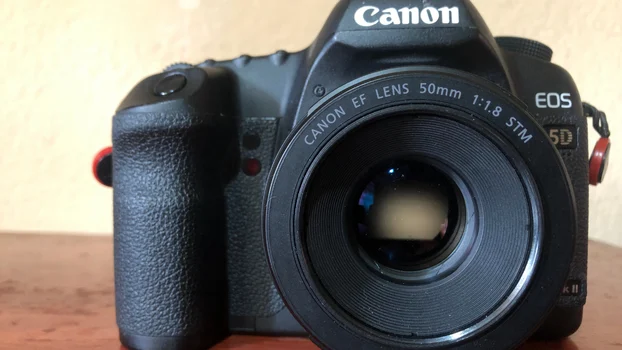
The Canon 5D series stands as a unique testament in the evolving landscape of imaging technology, representing not merely a collection of cameras, but a pivotal moment where technological accessibility converged with artistic aspiration. Unlike many digital cameras designed for planned obsolescence, the 5D has transcended its technical specifications to achieve a near-mythological status, retaining significant relevance long after its successor models have dominated market discussions. This phenomenon underscores a deeper truth about photographic tools: some are bought for novelty, while others are cherished for their profound impact on careers and creative expression. The 5D series, particularly its early iterations, firmly belongs to the latter category, having earned a place in the annals of imaging history as a true permission slip for a generation of visual storytellers.
The Genesis of a Revolution: The Canon EOS 5D Classic
When Canon unveiled the original EOS 5D in August 2005, the professional photography landscape was notably different. Full-frame digital sensors, which offer a larger surface area comparable to a 35mm film frame, were largely the exclusive domain of top-tier professional DSLRs, such as Canon’s own EOS-1Ds series or Nikon’s D1X/D2X models. These cameras commanded price tags upwards of $5,000 to $8,000, placing them far beyond the reach of aspiring professionals, hobbyists, and many working photographers with more modest budgets. The prevailing market for accessible digital SLRs featured cameras with APS-C (Advanced Photo System type-C) crop sensors, which, while capable, introduced a crop factor that altered lens focal lengths and generally offered less control over depth of field and lower light performance compared to their full-frame counterparts. The digital transition from film was still underway, and while technology was progressing rapidly, a clear chasm existed between the expensive, high-end professional tools and the more affordable, albeit compromised, consumer-grade options.
The arrival of the Canon 5D Classic, priced at an initial street price of around $3,299 for the body only, was a quiet earthquake. It wasn’t presented with aggressive marketing hype touting revolutionary features; in fact, its external design was rather conservative, appearing as an incremental upgrade to existing Canon DSLR bodies. However, beneath this unassuming exterior lay its radical core: a 12.8-megapixel full-frame CMOS sensor, a groundbreaking feature at its price point. This strategic move by Canon effectively democratized full-frame photography, making it accessible to a much broader segment of the market than ever before.
The technical specifications, while modest by today’s standards, were profoundly impactful at the time. The 12.8-megapixel resolution, coupled with Canon’s DIGIC II image processor, produced image files that photographers immediately recognized as distinct. The images exhibited a remarkable depth, often described as possessing a "film-like" quality, characterized by smooth tonal gradations, natural-looking skin tones, and soft, organic transitions in shadows and highlights. This aesthetic quality, difficult to quantify purely through numerical metrics, quickly established the 5D Classic as a benchmark. Its ability to render shallow depth of field, a hallmark of full-frame sensors, offered a level of subject isolation previously unattainable for most photographers without investing in prohibitively expensive equipment.
The camera’s robust build quality, featuring a magnesium alloy chassis, offered a professional feel and durability without the intimidating bulk of the flagship 1-series bodies. This combination of professional-grade image quality and a relatively approachable form factor resonated deeply with diverse photographic communities. Portrait photographers lauded its skin tone rendition, wedding photographers praised its low-light capabilities and depth, documentary shooters valued its reliability, and travel photographers appreciated its balance of performance and portability. For many, the 5D Classic served as their first gateway to the full-frame experience, leaving an indelible impression that cemented its status as a foundational tool in their careers.
The Mark II Era: Ushering in the DSLR Video Revolution
If the original 5D opened the door to accessible full-frame photography, its successor, the Canon EOS 5D Mark II, released in September 2008, blew it off its hinges. Building upon the success of the Classic, the Mark II introduced a significantly upgraded 21.1-megapixel full-frame CMOS sensor, offering a substantial leap in resolution and improved high ISO performance. However, what truly propelled the 5D Mark II into the annals of photographic and cinematic history was a feature that Canon itself may not have fully anticipated would become its defining characteristic: full high-definition (1080p) video recording.
At the time of its release, dedicated video cameras capable of producing shallow depth of field, especially those with large sensors, were prohibitively expensive, often costing tens of thousands of dollars. The 5D Mark II suddenly made cinematic aesthetics, characterized by a creamy bokeh and excellent low-light performance, available to a mass market at a fraction of the cost. Independent filmmakers, documentary creators, journalists, music video producers, and experimental visual artists swiftly adopted the camera, recognizing its potential to transform their craft. The ability to use a vast array of Canon EF lenses, from ultra-wide to telephoto, and achieve precise control over depth of field, became a game-changer. This effectively democratized high-quality video production, giving rise to an entirely new wave of visual storytelling and enabling countless careers to emerge from this newfound accessibility. Noteworthy productions, including episodes of the TV series House and sequences in major motion pictures like The Avengers, showcased the camera’s unexpected cinematic prowess, solidifying its place as a legitimate filmmaking tool.
Beyond its revolutionary video capabilities, the 5D Mark II also solidified its reputation as a formidable still photography workhorse. While it had its limitations—its 9-point autofocus system was not renowned for its speed or tracking capabilities, and its 3.9 frames per second continuous shooting rate was modest—these shortcomings were often overlooked in favor of its exceptional image quality and unwavering reliability. Photographers often prioritize consistency and robustness in the field, and the Mark II delivered on these fronts. Its magnesium alloy body and robust construction ensured it could withstand the rigors of professional use, from wedding venues to war zones, editorial assignments to fashion shoots, and street photography to newsrooms. For an entire generation of photographers, the 5D Mark II became less a specific camera model and more a default, reliable photographic language, a ubiquitous presence in diverse professional environments globally.
The Broader Impact and Market Realignments
The advent of the 5D series, particularly the Classic and the Mark II, had profound implications for the broader photography industry and market dynamics. Prior to the 5D, the distinction between professional and consumer cameras was often rigid, dictated largely by sensor size and cost. The 5D blurred these lines, creating a new "prosumer" category that offered professional-grade capabilities at a significantly more accessible price point. This forced competitors, primarily Nikon, to respond with their own full-frame offerings at lower price points, leading to a broader market trend of democratizing advanced imaging technology.
The DSLR video revolution initiated by the 5D Mark II also had a lasting impact on camera design and functionality. Manufacturers began incorporating advanced video features as standard in subsequent DSLR and, later, mirrorless camera generations. This shift fundamentally altered expectations for what a "still" camera could and should do, pushing convergence between photography and videography further than ever before. The camera became a hybrid tool, fostering a generation of multimedia content creators.
Chronologically, the 5D series continued to evolve with the 5D Mark III (2012), which significantly improved autofocus and low-light performance, and the 5D Mark IV (2016), which introduced 4K video, Dual Pixel RAW, and further refinements. Each iteration built upon the legacy of its predecessors, maintaining the series’ reputation for robust performance and excellent image quality. However, the initial disruptive impact of the Classic and Mark II remains unparalleled, as they were the pioneers in their respective niches.
The Strange Second Life and Enduring Appeal
Most digital cameras follow a predictable life cycle: an initial burst of excitement, widespread adoption, gradual replacement by newer models, and eventual obsolescence as technology advances. The Canon 5D series, however, has largely defied this script, particularly its earlier models. In an era dominated by sophisticated mirrorless systems and computational photography, the original 5D and 5D Mark II are experiencing a curious resurgence, not merely as nostalgic museum pieces but as actively sought-after tools for contemporary photographers and filmmakers.
A quick survey of online photography communities, especially platforms like YouTube, reveals a growing trend of creators deliberately seeking out and utilizing these older 5D bodies. This isn’t driven by a blind adherence to retro aesthetics but by a genuine appreciation for their tangible qualities and the distinct character of their output. The decision to invest time and sometimes considerable effort in acquiring a 5D Classic or Mark II, even traveling internationally for specific units, speaks volumes. For instance, stories of photographers journeying to acquire a 5D Classic paired with a humble prime lens like the Canon EF 40mm f/2.8 STM pancake lens underscore a desire to reconnect with a particular photographic experience—one that emphasizes deliberate composition, direct tactile control, and a focus on the image’s inherent qualities rather than overwhelming technical complexity.
The enduring appeal of the 5D series in the current photographic climate can be attributed to several factors:
- Distinct Image Aesthetic: The "look" of the files from the 5D Classic and Mark II, characterized by their organic rendering, natural colors, and smooth tonal transitions, offers a refreshing contrast to the often hyper-sharp, computationally enhanced images produced by modern cameras. This aesthetic resonates with photographers seeking a less clinical, more artistic output.
- Tactile and Mechanical Engagement: In an age where cameras increasingly feel like sophisticated computers, the 5D series offers a more direct, mechanical interaction. The physical dials, robust buttons, and optical viewfinder provide a haptic feedback that many photographers find more engaging and trustworthy, fostering a deeper connection between the user and the tool.
- Reliability and Durability: The professional-grade build quality of these cameras ensures their continued functionality decades after their release. Their robust construction means they can still perform reliably in demanding environments, making them a viable option for assignments where extreme conditions might pose a risk to more expensive, modern equipment.
- Affordability and Value: With the advent of mirrorless systems, older DSLRs like the 5D Mark II are available on the used market at highly accessible prices. This allows aspiring professionals and students to acquire a full-frame, professional-grade camera body and a selection of quality lenses without a prohibitive initial investment, making them excellent tools for learning and building a portfolio.
- Simplicity and Focus: Lacking the myriad of complex features found in contemporary cameras, the 5D series encourages a more focused approach to photography. Without endless menu options and advanced computational modes, photographers are prompted to rely more on fundamental skills of light, composition, and timing, fostering a more deliberate creative process.
The Myth Endures: A Legacy Built on Experience
The mythology surrounding the Canon 5D series is not a product of irrational nostalgia or baseless hype. It is firmly rooted in tangible results and real-world utility. These cameras were the instruments through which countless photographers built their careers, documented significant historical events, captured intimate family moments, produced critically acclaimed books, and completed demanding international assignments. They were not merely tools; they were silent witnesses to pivotal moments in personal and professional journeys.
Unlike many cameras celebrated solely for their cutting-edge specifications, the 5D series earned its emotional credibility through repeated, consistent, and reliable performance in the field. This deep-seated trust and affection are why conversations about the 5D often transcend mere gear discussions and evolve into personal narratives. The phrase "I still have mine," frequently heard from 5D owners, is more than a statement of possession; it’s an affirmation of a lasting bond, a recognition of a camera that truly "showed up" when it mattered most.
In conclusion, nearly two decades after the original model first appeared, the Canon 5D series continues to occupy an untouchable space in the collective consciousness of photographers and filmmakers. It is a testament to the fact that true legends in technology are not necessarily the most advanced or feature-rich tools, but those that empower individuals, democratize capabilities, and forge an enduring connection with their users. The 5D series refused to fade into obsolescence, and in return, the photographic community refuses to let it be forgotten, cementing its legacy as a truly iconic instrument that redefined the boundaries of visual storytelling.
