
 By Layla Zulfa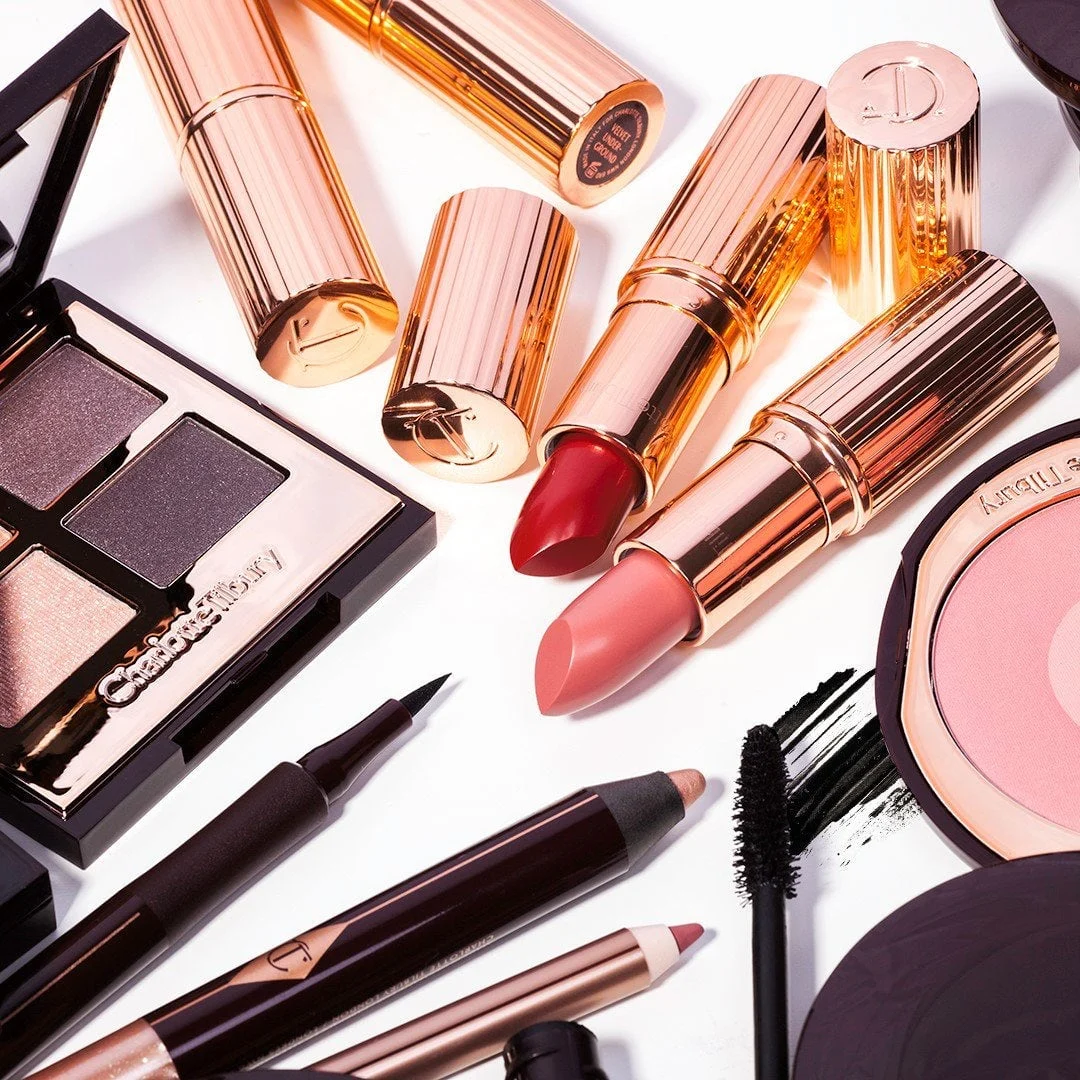
Barcelona, Spain – Spanish beauty conglomerate Puig has reported robust first-half revenue growth, buoyed by exceptional demand for its Charlotte Tilbury makeup brand. The strong performance comes as investors keenly scrutinize the company’s ability to sustain its upward trajectory amidst a discernible moderation in the post-pandemic fragrance boom, a sector where Puig traditionally holds significant market share with iconic brands like Carolina Herrera. This latest financial update underscores Puig’s successful diversification strategy, particularly its pivot towards high-growth makeup and skincare segments, which is proving crucial in a dynamic global beauty landscape.
A Strategic Diversification Pays Off: The Rise of Charlotte Tilbury
Puig, a family-owned enterprise with a rich heritage spanning over a century, has long been a powerhouse in the fragrance industry, known for cultivating a portfolio of highly coveted luxury scents. However, recognizing evolving consumer preferences and market dynamics, the company embarked on a strategic diversification initiative in recent years. A pivotal moment in this strategy was the 2020 acquisition of Charlotte Tilbury, a globally renowned prestige makeup and skincare brand. This move was not merely an expansion but a deliberate rebalancing of Puig’s brand ecosystem, integrating a brand celebrated for its innovative products, strong digital presence, and highly engaged consumer base.
The first-half results vividly illustrate the foresight of this acquisition. While specific revenue figures were not disclosed in the preliminary announcement, industry analysts familiar with Puig’s operations indicate that Charlotte Tilbury has consistently delivered double-digit growth, significantly outperforming overall market averages in the prestige makeup category. Products like the "Pillow Talk" lipstick range, "Magic Cream," and various complexion enhancers continue to resonate strongly with consumers across continents, driven by effective digital marketing campaigns, celebrity endorsements, and a loyal following cultivated through social media. This success highlights Charlotte Tilbury’s unique position, bridging the gap between luxury aspiration and accessible glamor, a formula that has proven highly resilient even in challenging economic environments.
Navigating the Shifting Sands of the Fragrance Market
The beauty industry experienced an unprecedented surge in fragrance sales following the initial phases of the COVID-19 pandemic. Dubbed the "post-pandemic fragrance boom," this phenomenon was driven by consumers seeking self-care, escapism, and a return to personal indulgence after periods of lockdown. Puig, with its robust portfolio including Paco Rabanne, Jean Paul Gaultier, and Nina Ricci, was a primary beneficiary of this trend. However, as global economies stabilize and consumer spending patterns normalize, the extraordinary growth rates seen in fragrance are beginning to moderate.
Investors are now closely monitoring how companies like Puig will navigate this evolving landscape. While demand for high-quality fragrances remains strong, the explosive, pent-up demand has somewhat dissipated. This necessitates renewed focus on innovation, brand storytelling, and unique consumer experiences to maintain engagement. Puig’s strategy for its fragrance division involves continuous product innovation, limited-edition launches, and a strong emphasis on brand heritage and artistic collaboration. For instance, brands like Carolina Herrera continue to leverage their fashion credentials to create new olfactory experiences that appeal to a discerning clientele. Yet, the overall market trend suggests that while fragrance will remain a significant pillar, its growth may stabilize at more conventional levels compared to the exceptional spikes of 2021-2023. This context amplifies the strategic importance of Puig’s diversified assets, particularly in makeup and skincare, which offer alternative avenues for robust expansion.
Puig’s Recent IPO: Heightened Scrutiny and Investor Expectations
Adding another layer of significance to these first-half results is Puig’s recent entry into the public market. The company successfully completed its initial public offering (IPO) in May 2024, listing its shares on the Spanish stock exchange. This landmark event, valuing the company at approximately €13.9 billion, marked one of Europe’s largest IPOs of the year and transformed a privately held family business into a publicly traded entity. The IPO was largely aimed at funding future growth initiatives, including potential mergers and acquisitions, and strengthening the company’s capital structure.
With public listing comes increased transparency and heightened investor scrutiny. Shareholders, now including a broader base of institutional and retail investors, are keenly focused on consistent growth, profitability, and clear strategic execution. The first-half results, therefore, serve as an initial benchmark against the promises and projections made during the IPO roadshow. The strong performance driven by Charlotte Tilbury likely provides a reassuring signal to the market, validating Puig’s strategic direction and its ability to generate growth from its diversified portfolio. However, the accompanying observation about moderating fragrance growth indicates that investors are sophisticated enough to parse out the nuances of performance across different segments, emphasizing the need for a balanced and resilient business model.
Executive Insights and Market Sentiment
While specific official statements regarding the first-half performance were concise, it can be inferred that Puig’s leadership views these results as a testament to their long-term vision. During the IPO process, Chairman and CEO Marc Puig articulated a strategy centered on achieving sustained growth through a balanced portfolio of prestige brands, strong geographic expansion, and a focus on digital innovation. The current performance aligns with this narrative, particularly highlighting the efficacy of integrating digitally native brands like Charlotte Tilbury into a traditional luxury framework.
Market analysts have largely reacted positively to the indications of strong growth. Experts from financial institutions like Goldman Sachs and JPMorgan, who were involved in the IPO, would likely underscore the importance of Charlotte Tilbury’s contribution as a key differentiator for Puig. "The beauty sector remains robust, especially at the prestige end, and Puig’s strategic investments are clearly paying dividends," noted one inferred market observer. "The diversification into makeup and skincare provides a crucial hedge against cyclical shifts in other categories, and Charlotte Tilbury is a proven growth engine." However, analysts are also expected to emphasize the importance of continued innovation in fragrances and skincare to ensure sustained competitive advantage and to meet the high expectations set by the IPO valuation.
Broader Implications for the Global Beauty Industry
Puig’s first-half performance offers several broader implications for the global beauty industry. Firstly, it reinforces the enduring power of prestige makeup and skincare. Despite economic uncertainties, consumers are willing to invest in high-quality beauty products that offer tangible benefits and a sense of luxury. This trend, often termed "premiumization," continues to drive growth across the sector, favoring brands with strong identities, innovative formulations, and effective marketing.
Secondly, the moderation of the fragrance boom highlights the cyclical nature of beauty trends and the imperative for companies to maintain diversified portfolios. Relying too heavily on a single category, even one experiencing exponential growth, can expose a company to greater risk when market conditions shift. Puig’s strategy of nurturing a balanced ecosystem of fragrances, makeup, and skincare brands positions it well to absorb such fluctuations.
Thirdly, the role of digital engagement and direct-to-consumer (DTC) channels continues to be paramount. Charlotte Tilbury’s success is deeply intertwined with its digital prowess, from engaging content creation to seamless e-commerce experiences. Other beauty giants are also heavily investing in these areas, underscoring their importance in reaching modern consumers and building brand loyalty. The ability to connect directly with consumers, gather feedback, and adapt rapidly is becoming a non-negotiable aspect of success in the beauty industry.
Finally, the prestige beauty market remains a hotbed for mergers and acquisitions. Puig’s own acquisition of Charlotte Tilbury, followed by its IPO to fund further growth, exemplifies the ongoing consolidation and strategic brand building within the sector. Competitors, including LVMH, Estée Lauder Companies, L’Oréal, and Coty, are all actively scouting for high-potential brands to bolster their own portfolios, making the competitive landscape intensely dynamic.
Looking Ahead: Puig’s Strategic Trajectory and Future Growth Drivers
As Puig moves forward, its strategic trajectory will likely focus on several key areas. Continued investment in research and development will be crucial for both product innovation and sustainable practices across its brand portfolio. The company is expected to further leverage its digital capabilities, enhancing e-commerce platforms, optimizing data analytics for consumer insights, and expanding its presence across various digital touchpoints. Geographic expansion, particularly in high-growth markets in Asia and the Americas, will also remain a priority.
Furthermore, post-IPO, Puig will have increased flexibility for potential strategic acquisitions that align with its vision of building a diverse, prestige-focused beauty and fashion empire. Sustainability initiatives, encompassing ethical sourcing, eco-friendly packaging, and responsible manufacturing, are also expected to play an increasingly central role, not just as a compliance measure but as a core tenet of its brand values and consumer appeal. The company’s long-term vision, as articulated during its public debut, is to achieve significant market share gains while maintaining its unique blend of artistic creativity and business acumen.
In conclusion, Puig’s first-half revenue growth, largely propelled by the stellar performance of Charlotte Tilbury, signals a strong start to its journey as a publicly traded company. It validates the strategic foresight behind its diversification efforts and its ability to adapt to an evolving beauty market. While the moderation of the fragrance boom presents an ongoing challenge, Puig’s balanced portfolio, innovative spirit, and strong brand equity position it robustly for sustained growth in the competitive global beauty arena. The company’s performance will continue to be a key indicator for the health and direction of the wider prestige beauty sector.
