
 By admin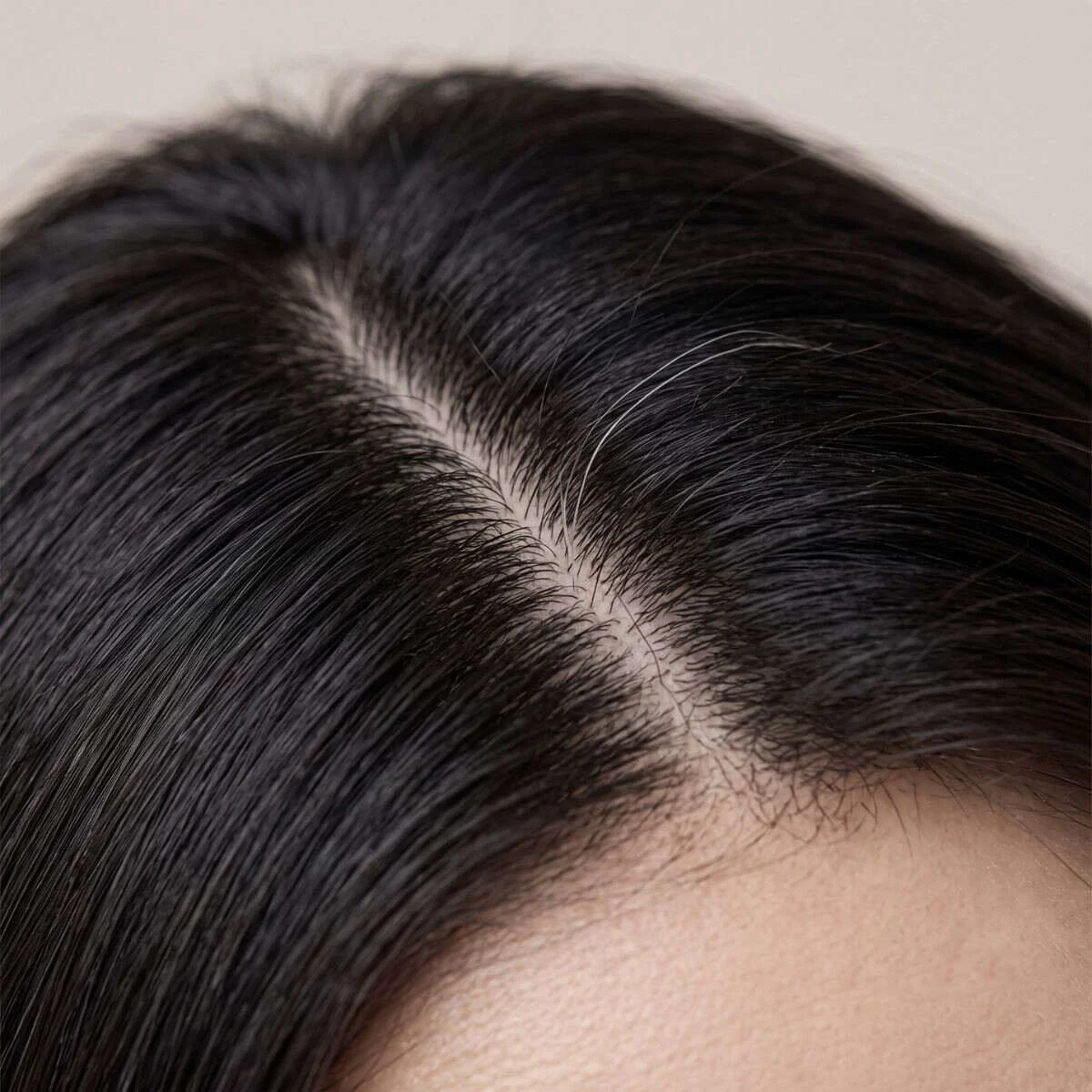
Hair density and diameter, foundational elements of hair volume and texture, undergo subtle yet significant transformations as women enter their thirties. For many, the hair care routines that served them adequately in their twenties begin to falter, signaling a need for a more nuanced approach. Research indicates that peak hair density is typically achieved between the mid-twenties and early thirties, after which a gradual decline commences. While this reduction in the sheer number of hair follicles per square centimeter may not be immediately apparent, it often becomes noticeable when individual strands feel finer or a ponytail loses its characteristic weight. This decade also frequently coincides with major life events such as pregnancy, the subsequent postpartum shedding phase, the emergence of the first gray hairs, and a scalp that may react unpredictably to familiar products. These changes, while common, underscore that the hair of one’s thirties is not the same as it was a decade prior, necessitating an adaptation of hair care strategies.
The intricate relationship between hair diameter and density is crucial to understanding these changes. Studies tracking nearly 1,100 women have revealed that while scalp hair diameter continues to increase through the early to mid-forties, hair density begins its descent from the twenties onwards. During the thirties, the thickening of individual hair shafts often compensates for the diminishing number of follicles, which explains why many women do not perceive a significant reduction in overall hair volume until the rate of diameter increase slows. A seminal study published in the British Journal of Dermatology elucidated this phenomenon, detailing the trade-off that makes hair feel robust through the thirties before a more noticeable thinning emerges in later years. Further corroboration comes from research in the Journal of Cosmetic Science, which indicates that hair shaft diameter peaks between the ages of 20 and 30, with a gradual decline commencing around age 40. Consequently, the thirties represent a pivotal period – the final stage where individual strands are at their thickest and most resilient, even as the total follicle count per unit area is on a downward trajectory.
A seasoned stylist observes that an increase in hair coarseness or improved curl retention in one’s thirties is often attributable to the natural increase in hair diameter, rather than damage. The primary objective during this decade is not crisis management but rather the proactive identification of early indicators of density loss before it outpaces the compensatory thickening of individual strands. This proactive approach allows for timely adjustments to hair care regimens, ensuring optimal hair health and appearance.
The Postpartum Hair Loss Phenomenon in Women’s Thirties
For women who experience childbirth in their thirties, the ensuing hair loss is a well-documented and frequently encountered phenomenon. A comprehensive study involving over 300 new mothers revealed that an overwhelming 91.8% reported experiencing postpartum hair loss. This shedding typically commences approximately 2.9 months after delivery, reaches its peak around month 5.1, and generally subsides by month 8.1. The biological underpinnings of this process involve pregnancy hormones, which extend the anagen, or growth, phase of hair follicles. Consequently, a larger proportion of hairs remain in this active growth phase than usual. Following childbirth, the precipitous drop in these hormonal levels triggers a synchronized shift of a substantial number of hairs into the telogen, or resting and shedding, phase. The same research indicated that prolonged breastfeeding and preterm labor were associated with a higher likelihood of experiencing more pronounced shedding.
A common query posed to hair care professionals is whether postpartum hair loss is a permanent condition. For the majority of women, it is not. However, the timeline is a critical factor. If shedding has not demonstrably slowed by the ninth or tenth month postpartum, or if it is localized to the temples and hairline rather than being evenly distributed across the scalp, it is advisable to investigate other potential causes beyond typical postpartum effluvium. Consulting a specialist for a comprehensive thinning hair assessment is recommended rather than assuming it is solely a temporary hormonal consequence. Temporary styling adjustments, such as utilizing a wider claw clip or opting for a low, loose hairstyle, can alleviate pressure on nascent regrowing hairs along the hairline, providing them with an optimal environment to catch up with existing strands.

The Arrival of First Gray Hairs: A Normal Transition in the Thirties
The appearance of the first gray strands in one’s thirties is a common occurrence and not necessarily an indicator of premature aging or a sign that something has gone awry. Scientific consensus, supported by a recent study on hair graying published in eLife, suggests that the depigmentation of hair shafts typically begins in the third decade of life for most individuals. Intriguingly, the same research observed that individual gray hairs can spontaneously regain their pigment, a phenomenon the researchers linked to reductions in life stress. This finding offers a novel perspective on the reversibility of certain aspects of hair graying.
The pattern of graying often begins with isolated strands rather than a uniform, all-over shift in color. This aligns with the experiences of many women in their thirties, who first notice a few wiry, distinctively textured strands appearing at the temples or along their parting line, long before any widespread change in hair color becomes apparent. While scattered gray hairs are typically a biological norm, instances where graying appears earlier than what is observed in one’s family history, or manifests in noticeable clusters rather than as scattered individual strands, warrant further investigation. In such cases, exploring potential nutritional deficiencies, such as low vitamin B12 or copper levels, or underlying thyroid function issues, as detailed in resources on premature gray hair, is advisable. However, for the vast majority of women in their thirties, a scattering of new gray hairs is simply a predictable aspect of the aging process and not a problem requiring a specific "fix."
Tailoring Hair Care to the Evolving Needs of Thirties Hair
The transition into one’s thirties necessitates a recalibration of hair care practices. The products that once yielded satisfactory results in one’s twenties may now be less effective, or even detrimental, to hair that has subtly altered in texture or porosity. Factors such as chemical treatments, prolonged sun exposure, and the natural aging of the hair cuticle can collectively lead to increased porosity over time. This heightened porosity impacts how efficiently hair absorbs and retains moisture.
Before embarking on a comprehensive overhaul of hair care products, it is recommended to perform a hair porosity test. This simple assessment, often involving observing how hair strands behave in a glass of water, can reveal whether hair is low, medium, or high porosity. Low porosity hair, common in the thirties, may benefit from lighter products applied during steamy showers to encourage cuticle opening. Conversely, high porosity hair often requires more robust sealing treatments and frequent protein applications to mitigate moisture loss.
Reassessing wash frequency and scalp care is another critical adjustment. Hormonal fluctuations, particularly those associated with pregnancy, postpartum periods, or the initiation or cessation of hormonal birth control, can significantly alter scalp oil production, leading to either excessive dryness or greasiness. Consequently, a wash schedule that was once effective may now result in roots that appear oily by the second day or a scalp that feels stripped by the fourth. A more attentive approach, focusing on the scalp’s actual behavior rather than adhering to a fixed habit, is crucial. Incorporating a monthly scalp scrub or clarifying treatment can be particularly beneficial in the thirties, as product buildup can accumulate more rapidly on a scalp that is adapting to new hormonal influences.
Balancing moisture and protein becomes paramount as hair texture shifts. Stylists frequently encounter clients in their thirties who, upon noticing a change in their hair’s feel, immediately resort to intensive protein treatments. However, the underlying issue is often a moisture deficit stemming from increased porosity. If hair feels stiff or breaks easily after a protein mask, it is advisable to reduce protein application and prioritize a weekly deep conditioning treatment. Overnight oil treatments, such as the hair slugging method, can be highly effective in replenishing moisture for hair that has begun to dry out more rapidly, provided the oil is applied judiciously and kept away from the scalp, with the amount tailored to the individual’s current porosity level.

Shielding Hair from Environmental Adversaries
The cumulative effects of UV exposure on hair protein and pigment become more apparent in the thirties. Decades of unprotected sun exposure can lead to measurable damage, manifesting as a rougher texture, faster color fading, and a cuticle that is more susceptible to splitting. Research on hair photoaging, published in the International Journal of Trichology, has demonstrated that ultraviolet radiation can degrade both the keratin in the hair cuticle and the melanin responsible for hair color. Laboratory studies have documented significant protein loss following even short durations of UVB exposure.
Mitigating this cumulative damage is achievable through simple yet effective measures. The use of a leave-in spray with UV filters, wearing a hat during extended periods outdoors, and promptly rinsing hair after swimming in chlorinated or saltwater can all help to blunt the impact of environmental stressors. For individuals who already experience seasonal hair shedding in the fall, prioritizing sun protection throughout the summer is particularly advantageous, as hair in better condition entering a shedding season tends to exhibit less dramatic loss.
Considering Minoxidil for Hair Thinning in the Thirties
For women experiencing genuine thinning rather than the typical, gradual dip in density, the thirties represent a reasonable juncture to explore the use of topical minoxidil. Early intervention can be more effective than waiting until hair loss becomes more advanced. A randomized trial involving 381 women aged 18 to 49 found that both 2% and 5% topical minoxidil solutions demonstrated superior efficacy compared to a placebo over a 48-week period. The 5% formulation yielded the most robust results in terms of hair count and patient-reported improvements.
A crucial stylist’s tip for those considering minoxidil is to establish a baseline scalp photograph before commencing treatment. Hair changes occur gradually, and relying solely on memory to assess treatment efficacy can be misleading. Regular photographic comparisons, taken from the same angle and under consistent lighting every two to three months, provide objective evidence of progress. It is important to note that minoxidil requires daily application to maintain results, a commitment that should be factored in prior to initiating treatment.
Hair Care Habits to Re-evaluate in the Thirties
Certain hair care habits that posed minimal risk in one’s twenties can become more detrimental in the thirties, when hair has less resilience to repeated stress. Consistently wearing tight, high ponytails can contribute to gradual thinning along the hairline due to prolonged tension. Alternating part placements and ponytail heights can provide much-needed relief to stressed hair follicles. Similarly, the habit of occasionally skipping heat protectant can have a more pronounced cumulative effect on hair that is already contending with increased UV and environmental damage. Furthermore, continuing to use the same drugstore shampoo from college without considering the current needs of one’s scalp is a common mismatch that stylists frequently observe in this demographic.
The table below illustrates the shifting priorities in hair care across different decades:

| Decade | What’s Changing | Routine Priority |
|---|---|---|
| 20s | Density and diameter both at or near peak | Experimentation, minimal intervention needed |
| 30s | Diameter still climbing, density beginning to dip; first grays and postpartum shedding common | Porosity-matched products, sun protection, scalp care |
| 40s | Diameter peaks and starts to decline alongside density | Volume-focused cuts, possible minoxidil, denser styling |
Frequently Asked Questions About Thirties Hair Care
Is it normal to lose more hair in your thirties?
A moderate increase in shedding is common, particularly during periods of pregnancy, postpartum recovery, heightened stress, or hormonal birth control adjustments. However, daily hair loss should generally remain within the range of 50 to 100 strands. If shedding significantly exceeds this average, or if a widening of the part is noticeable rather than even shedding, it is advisable to consult a healthcare professional to assess ferritin, thyroid, and vitamin D levels, rather than attributing the change solely to age.
Why does my hair feel different in my thirties than it did in my twenties?
Gradual shifts in hair diameter and porosity throughout the thirties can result in strands feeling coarser, drier, or less elastic, even in the absence of visible damage. Adjusting product selection to align with current hair porosity, rather than relying on routines from a decade prior, typically resolves the sensation of hair feeling "off."
At what age do most women get their first gray hair?
The timing of the first gray hair is largely influenced by genetics. However, isolated gray strands commonly emerge in the thirties. A sudden proliferation of gray hairs over a few months, as opposed to a slow, gradual scattering over years, is more frequently linked to specific stressors or significant life events than to the baseline aging process.
Should I start using anti-aging hair products in my thirties?
Many "anti-aging" hair products primarily feature enhanced moisturizing and antioxidant formulations. These can be beneficial as porosity increases, but a wholesale switch to a new product category is not always necessary. It is more effective to identify and address the specific needs of your hair at any given time, whether that involves increased moisture, protein, or scalp care, rather than purchasing products solely based on their age-related marketing.
How often should I get a trim in my thirties?
Trim frequency is generally determined by hair length and the observed occurrence of split ends, rather than age alone. While a busier lifestyle in the thirties may sometimes lead to less consistent salon visits, an interval of 8 to 12 weeks is a reasonable guideline for most hair lengths, assuming no visible damage necessitates more frequent attention.
Can postpartum hair loss be prevented?
Complete prevention is not feasible, as postpartum hair loss is primarily driven by hormonal shifts post-childbirth. However, gentle hair handling during the shedding period, including opting for low-tension hairstyles, using a wide-tooth comb, and avoiding tight braids, can minimize additional breakage on top of the natural shedding cycle. Most women experience a resumption of hair regrowth within six to twelve months.

Is it too early to worry about hair thinning in my thirties?
While it is never too early to pay attention to changes in hair health, approaching the situation with concern may not be the most constructive framing. If shedding is significantly above average, hair density loss is evident in serial photographs taken months apart, or there is a family history of early-onset pattern hair loss, consulting a dermatologist in one’s thirties can identify issues when treatment options are most effective.
In conclusion, managing hair health in one’s thirties involves a proactive and informed approach. By recognizing the subtle signals of change—a widening part, the emergence of a few new grays, or altered hair texture—women can adapt their routines accordingly. Matching products to current hair porosity, implementing protective measures against cumulative sun damage, understanding postpartum shedding as a temporary phase, and consulting with healthcare professionals for bloodwork when necessary are all key strategies. For those considering aesthetic changes, innovative tools like the HairHunt app offer a virtual try-on of hairstyles, enabling informed decisions about new cuts to complement a refreshed hair care regimen.
Disclaimer: Individual hair results may vary based on natural hair type, texture, density, and condition. It is always recommended to consult with a licensed hairstylist or dermatologist before making significant changes to your hair care routine, especially if you have a sensitive scalp, are pregnant or breastfeeding, or are considering new medications or supplements. Photos may depict styled results that require specific products and techniques to replicate.
