
 By Jia Lissa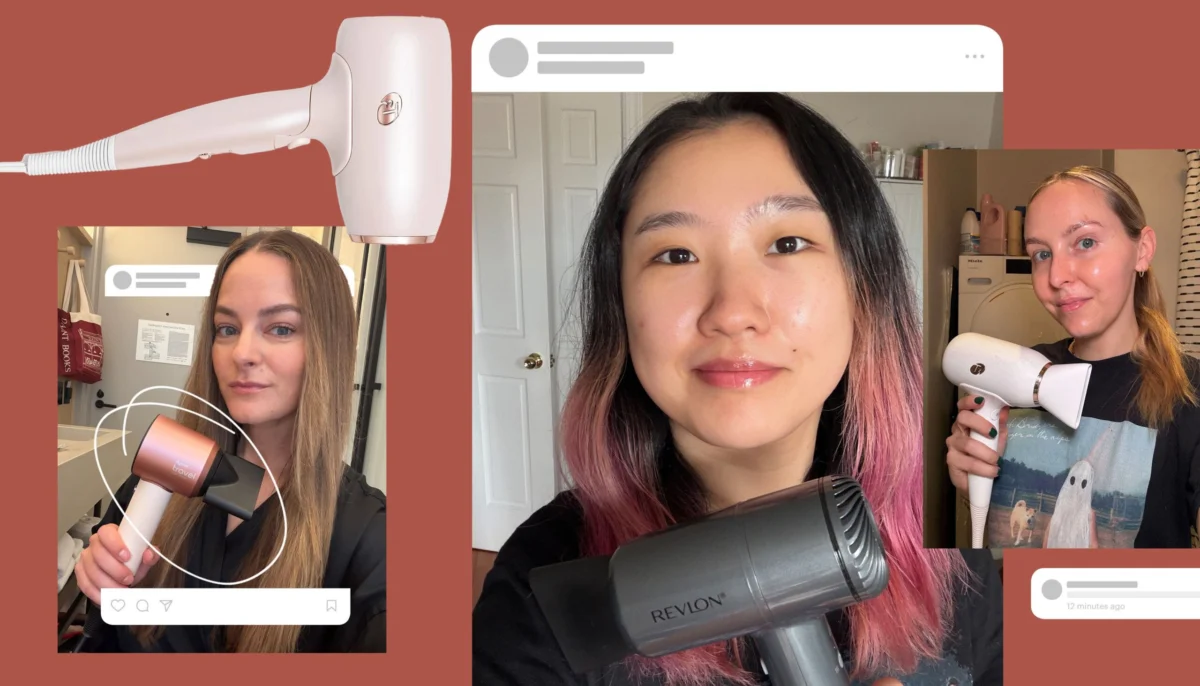
Navigating the world of portable hair dryers requires a keen eye for features that extend beyond mere portability. While compact size and a space-saving design are undoubtedly attractive for travelers, the true value of a travel blow-dryer lies in its ability to deliver effective and safe styling without compromising hair health. Industry professionals consistently highlight several key attributes that differentiate a mediocre travel dryer from a truly exceptional one, ensuring effortless and damage-free styling wherever your journeys take you.
Essential Features for the Savvy Traveler
When embarking on the quest for the perfect travel blow-dryer, a dual-voltage capability stands as a non-negotiable feature. This technological advantage allows the dryer to automatically adapt to different electrical currents found across international destinations, typically ranging from 110-120V in North America and Japan to 220-240V in Europe and many other parts of the world. Without this feature, travelers risk rendering their beloved styling tool useless or, worse, causing irreparable damage to both the dryer and the local electrical infrastructure. This inherent flexibility ensures consistent performance, transforming a potential travel inconvenience into a seamless styling experience.
Another crucial element for maximizing packing efficiency and on-the-go convenience is a foldable handle. This design innovation significantly reduces the dryer’s overall footprint, making it an ideal companion for tight suitcase spaces or minimalist carry-on bags. Beyond the suitcase, a foldable handle also enhances usability on hotel countertops or cramped bathroom vanities, offering greater maneuverability and comfort during styling.
Furthermore, the ability to control heat and speed settings is paramount. Not all hair types or styling needs are created equal, and a versatile dryer should offer a spectrum of options. Adjustable heat settings allow users to tailor the temperature to their specific hair texture and desired style, preventing excessive heat exposure that can lead to damage. Similarly, variable speed settings provide control over airflow, enabling more precise styling and reducing the risk of blowing hair uncontrollably. Many professional stylists advocate for a minimum of two heat settings and two speed settings, often coupled with a cool-shot button, to achieve optimal results.
Beyond these core functionalities, other helpful additions contribute to a superior user experience. A removable lint filter is a small but significant feature that greatly simplifies maintenance. This easily accessible filter traps dust, hair, and residue from styling products, preventing them from entering the motor and potentially reducing the dryer’s efficiency or lifespan. Regular cleaning of the lint filter ensures the dryer operates at peak performance and prolongs its usability.
Mastering the Art of Hair Drying: Minimizing Heat Damage
The pervasive concern of heat damage remains a significant consideration for anyone who regularly utilizes hot styling tools. Overexposure to high temperatures can strip hair of its natural moisture, leading to a cascade of undesirable effects, including dullness, frizz, brittleness, and a general loss of vitality. However, by adopting a mindful and informed approach to blow-drying, users can significantly mitigate these risks, regardless of whether they are using a full-sized or a travel-specific appliance.
The foundation of damage-free blow-drying begins with a gentle approach to water removal. Instead of aggressively rubbing hair with a towel, which can rough up the cuticle and exacerbate frizz, experts recommend a more delicate method. Gently squeezing excess water from the hair with a microfiber towel or an old cotton t-shirt is a far more effective way to prepare strands for heat styling. This preserves the hair’s natural structure and minimizes pre-styling damage.
Once the hair is towel-dried, the application of a heat protectant is an indispensable step. This protective barrier forms a crucial shield against the intense heat of the blow-dryer, reducing the likelihood of moisture loss and structural damage. For individuals with thicker, coarser hair, or those who are particularly prone to frizz, layering the heat protectant can provide an enhanced level of defense. The formulation of these products often includes silicones, proteins, and natural oils that not only protect but also add slip and manageability to the hair.
When it comes to operating the blow-dryer itself, avoiding the highest heat setting is a widely recommended practice. Unless absolutely necessary for a specific styling objective on very resistant hair, opting for medium or low heat settings significantly reduces the thermal stress on the hair shaft. Crucially, maintaining a consistent airflow directed from the roots down to the ends is vital. This downward motion helps to flatten the hair’s cuticle, the outermost layer of the hair shaft. A smooth, sealed cuticle reflects light more effectively, resulting in a shinier, sleeker, and notably less frizzy finish.
The principle of maintaining movement and distance is equally important. Concentrating the heat from the dryer on one small section of hair for an extended period can lead to localized overheating and potential damage. Stylists consistently advise keeping the dryer in motion, sweeping it across the hair while maintaining a reasonable distance—typically at least six inches—between the nozzle and the hair strands. This dynamic approach ensures even heat distribution and minimizes the risk of scorching or drying out specific areas.
Finally, the cool-shot function, often overlooked, plays a critical role in post-styling hair care. After the hair has been dried and styled to the desired outcome, engaging the cool-shot button for a brief period helps to lock the style in place. This burst of cool air further seals the cuticle, solidifying its smooth, flat position. As hairstylists often articulate, "Heat styles hair, cooling sets it." This final step not only enhances the longevity of the hairstyle but also contributes to a healthier, more luminous appearance by maximizing light reflection.
Rigorous Testing and Expert Endorsement
The evaluation of hair care products and tools, particularly those that involve direct application of heat, necessitates a comprehensive and multi-faceted testing methodology. Unlike some beauty products that offer universal applicability across a broad spectrum of users, hair dryers are often designed with specific hair textures, lengths, curl patterns, thicknesses, and concerns in mind. Consequently, the testing process for these devices must reflect this nuanced reality.
In the case of travel hair dryers, a diverse panel of testers is assembled, comprising not only everyday consumers with varied hair types but also seasoned editors, writers, and professional hairstylists. This ensures that the assessment encompasses a wide range of experiences and technical proficiencies. The evaluation criteria are typically divided into three primary categories: efficacy, which measures how well the dryer performs its intended function of drying and styling; safety and ease of use, which assesses the user-friendliness of the controls, the ergonomic design, and the absence of potential hazards; and value, which considers the overall performance relative to the product’s price point.
The inclusion of professional hairstylists in the testing process is particularly crucial. These experts bring an in-depth understanding of airflow dynamics, heat distribution, and the impact of different technologies on hair health. Their feedback can identify innovative features or subtle design elements that might be missed by less experienced users. For instance, a dryer might boast cutting-edge technology, but if its operation is only intuitive for a seasoned professional, its suitability for the average consumer is called into question. This holistic approach to testing, as detailed on comprehensive review methodology pages, aims to provide consumers with trustworthy and actionable insights.
The commitment to a diverse testing pool extends beyond professional expertise to encompass a broad representation of the consumer base. Allure, for example, emphasizes the importance of a staff and tester demographic that spans a wide range of ages, skin tones, hair textures, genders, and backgrounds. This inclusivity ensures that any product recommended is genuinely suitable for a diverse audience. A product cannot be legitimately labeled as the "best" for a specific demographic if the testing group lacks representation from that demographic. For instance, evaluating a styling tool without testing it on curly hair would render the assessment incomplete and potentially misleading for a significant portion of the target market. This dedication to diverse perspectives allows for a fair and accurate assessment of beauty products, ensuring that recommendations resonate with the individual needs and concerns of all consumers.
The Broader Impact: Travel and Beauty Standards
The proliferation of high-quality travel blow-dryers has had a tangible impact on the modern travel landscape and the evolving expectations of beauty consumers. Historically, extended trips or even short vacations often meant a compromise on personal grooming, with many opting to forgo elaborate hair styling due to the inconvenience of bulky equipment. However, the advancements in portable styling technology have democratized the ability to maintain one’s preferred aesthetic while on the move.
This shift has implications for the tourism industry, as travelers increasingly prioritize experiences that allow them to maintain their personal routines and self-care practices. Hotels and hospitality providers may find a growing demand for amenities that cater to these needs, such as in-room hair dryers with advanced features or accessible charging stations for electronic beauty devices. The ability to achieve salon-quality results from the comfort of a hotel room or a remote destination contributes to a more confident and enjoyable travel experience.
Furthermore, the emphasis on heat protection and gentle styling techniques, popularized by beauty experts and reinforced through product testing, is contributing to a broader cultural understanding of hair health. Consumers are becoming more educated about the potential long-term effects of heat styling and are actively seeking products and methods that prioritize the well-being of their hair. This awareness fosters a more responsible approach to beauty routines, moving beyond purely aesthetic outcomes to embrace holistic hair care.
The ongoing development of travel-sized styling tools, driven by consumer demand and technological innovation, reflects a broader trend towards personalization and convenience in the beauty market. As manufacturers continue to refine dual-voltage technology, lightweight designs, and powerful yet energy-efficient motors, the gap between professional-grade performance and portable accessibility will continue to narrow. This evolution empowers individuals to express their personal style without the constraints of location or circumstance, underscoring the significant role that thoughtful product design plays in shaping contemporary beauty practices.
