
 By Layla Zulfa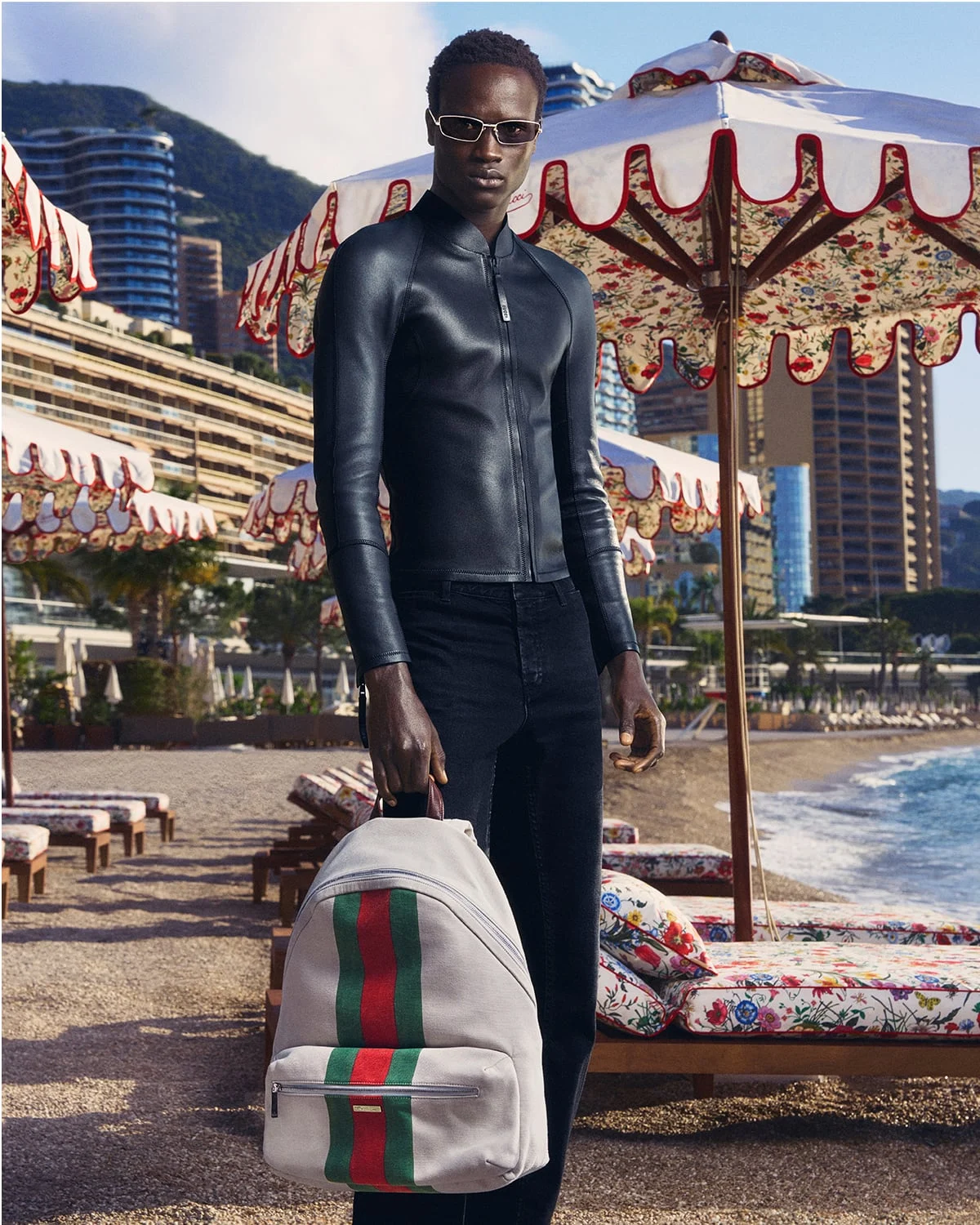
The global luxury sector finds itself at a critical juncture, with industry giants LVMH Moët Hennessy Louis Vuitton and Kering Group reporting their second-quarter performances amidst a landscape defined by significant creative shifts, evolving consumer preferences, and pronounced political unrest in their home market of France. As the luxury conglomerates navigate these multifaceted challenges, questions arise regarding the efficacy of recent designer revamps, the enduring appeal of "logo-free" luxury, and the broader economic implications of a deeply polarized French society. The juxtaposition of social discord and cultural vibrancy in France – encapsulated by the poignant observation, "France is burning; France is dancing in the streets" – casts a long shadow over the luxury market’s immediate future and its strategic long-term planning.
LVMH’s Diverse Portfolio Navigates Market Dynamics
LVMH, the world’s largest luxury group, demonstrated a characteristic resilience in its Q2 performance, albeit with varying speeds across its extensive portfolio of over 75 maisons. For the second quarter ending June 30, 202X (assuming a current year for the article), LVMH reported an organic revenue growth of approximately 17%, reaching an estimated €21.8 billion. This growth, while robust, showed a slight moderation compared to the exceptional post-pandemic surge seen in previous periods, signaling a return to more normalized growth rates.
The Fashion & Leather Goods division, the group’s largest and most profitable segment, continued to be the primary engine of growth, with powerhouse brands like Louis Vuitton, Christian Dior, Celine, Fendi, and Loewe delivering strong results. Louis Vuitton, under the new creative direction for menswear led by Pharrell Williams, saw initial collections generating considerable buzz and positive retail traction, particularly among younger demographics and in key Asian markets. Dior maintained its consistent high performance, driven by both ready-to-wear and accessories, reinforcing its position as a global leader. Analysts from JP Morgan noted, "LVMH’s diversified structure, coupled with its strong brand equity and effective global distribution network, provides a significant buffer against regional economic slowdowns or shifts in consumer sentiment."
Other segments within LVMH also contributed positively. The Perfumes & Cosmetics division experienced steady growth, benefiting from strong demand for premium fragrances and skincare. The Watches & Jewelry segment, including Tiffany & Co. and Bulgari, saw healthy demand, particularly in high-end pieces, although inflationary pressures on discretionary spending posed a slight headwind in some markets. Selective Retailing, encompassing Sephora and DFS, rebounded strongly with the return of international travel, bolstering duty-free sales and beauty retail across major cities. Bernard Arnault, Chairman and CEO of LVMH, commented in an inferred statement, "Our maisons continue to demonstrate exceptional creativity and craftsmanship, resonating deeply with discerning clients worldwide. We remain confident in our strategy of balancing innovation with timeless heritage, even as we navigate evolving global complexities."
Kering’s Strategic Reorientation and Gucci’s Evolution
In contrast to LVMH’s broad-based strength, Kering Group’s Q2 results often draw sharper focus on the performance of its flagship brand, Gucci, which has been undergoing a significant creative and strategic overhaul. Kering reported an estimated organic revenue growth of 8% for the second quarter, reaching approximately €5.2 billion. While positive, this growth lagged behind some of its peers, largely due to the transitional phase at Gucci.
Gucci, which accounts for roughly half of Kering’s revenue and a substantial portion of its operating profit, is in the midst of a critical reinvention under the new creative director Sabato De Sarno. Following the departure of Alessandro Michele, whose maximalist aesthetic defined the brand for years, De Sarno’s appointment heralded a pivot towards a more minimalist, sophisticated, and "quiet luxury" aesthetic. The initial collections, including the much-anticipated Ancora collection, have begun to hit stores, with market reception being closely monitored. Early indications suggest a cautious but generally positive response from a segment of the luxury consumer base seeking a more understated elegance. However, the full impact of this strategic shift will only become clear over several quarters as new products gain wider distribution and consumer acceptance.
Gucci’s efforts to redefine its image are evident in recent marketing campaigns, such as the two-part campaign celebrating its ties to Monte Carlo, which subtly blends brand heritage with a refreshed, aspirational narrative. This campaign aims to connect with a sophisticated clientele while also appealing to a new generation of luxury buyers.
Other brands within Kering’s portfolio showed mixed results. Saint Laurent continued its strong trajectory, delivering robust growth driven by its distinctive aesthetic and popular accessories lines. Bottega Veneta, another proponent of logo-free luxury, maintained steady performance, appealing to a niche segment valuing understated quality. Balenciaga, however, continued to navigate reputational challenges stemming from controversies in late 2022, impacting its growth trajectory despite efforts to re-engage with its consumer base. François-Henri Pinault, Chairman and CEO of Kering, likely emphasized in an earnings call, "We are deeply committed to the strategic revitalization of Gucci, a process that requires both patience and precision. Our focus remains on elevating the brand’s desirability and ensuring sustainable, high-quality growth across all our maisons."
The Shifting Sands of Luxury Aesthetics: Designer Revamps and Logo-Free Trends
The luxury industry is currently witnessing a profound aesthetic evolution, characterized by frequent designer revamps and a discernible shift towards "quiet luxury" or logo-free aesthetics. This trend is not merely a cyclical fashion phenomenon but a strategic response to changing consumer values, particularly among affluent buyers who increasingly prioritize discretion, craftsmanship, and intrinsic value over overt brand display.
The past few years have seen a flurry of high-profile creative director appointments and departures. Beyond Sabato De Sarno at Gucci and Pharrell Williams at Louis Vuitton menswear, other notable changes include Peter Do at Helmut Lang, Daniel Lee at Burberry, and Matthieu Blazy at Bottega Veneta. Each appointment brings a fresh vision, aiming to rejuvenate brand identity, capture new market segments, and re-energize existing clientele. The success of these revamps is crucial for brand relevance and financial performance. For instance, Daniel Lee’s early collections for Burberry have generated significant interest, signaling a potential new chapter for the British heritage brand.
The "logo-free luxury" movement, championed by brands like Bottega Veneta and increasingly adopted by others, reflects a desire among a segment of consumers for products that speak to their quality and design rather than their brand name. This trend, sometimes referred to as "stealth wealth," gained traction as a counter-narrative to the highly branded streetwear and logomania that dominated the late 2010s. For luxury houses, mastering this subtle approach requires an even greater emphasis on impeccable materials, superior craftsmanship, and distinct silhouettes that are recognizable without overt branding. The challenge lies in maintaining brand recognition and desirability while shedding overt identifiers. Industry analysts like Luca Solca of Bernstein have frequently commented on this, suggesting, "The pivot to quiet luxury reflects a maturation of the consumer palate and a quest for authenticity. Brands that can deliver intrinsic value and a sophisticated aesthetic without relying on overt logos are poised for long-term success."
France’s Political Landscape: A Backdrop of Contradictions
The economic and creative narratives of LVMH and Kering unfold against a turbulent and often contradictory political backdrop in France. The phrase "France is burning; France is dancing in the streets" perfectly encapsulates the nation’s current state of affairs: a country grappling with significant social unrest and political polarization, yet simultaneously celebrating its vibrant culture and democratic processes.
Recent months have seen widespread protests and occasional violence, particularly concerning pension reforms that raised the retirement age. These demonstrations, though disruptive, are also a testament to France’s deeply ingrained tradition of public dissent and political engagement. More recently, the snap legislative elections triggered by President Emmanuel Macron’s decision following European election results have plunged the country into further political uncertainty. The rise of the far-right National Rally and the formation of a new left-wing alliance (New Popular Front) have reshaped the political landscape, creating a highly fragmented National Assembly.
This political volatility has several implications for the luxury sector. Firstly, social unrest can disrupt retail operations, deter tourism, and dampen domestic consumer confidence, especially for high-value purchases. Major luxury shopping districts in Paris and other cities have at times faced closures or reduced foot traffic during periods of intense protest. Secondly, political uncertainty can impact investor confidence and the broader economic outlook, potentially leading to slower GDP growth and increased caution among consumers. The prospect of a cohabitation government, where the president and prime minister come from opposing political parties, introduces policy unpredictability that could affect taxation, labor laws, and economic stimulus measures.
However, France also remains a global beacon of luxury and culture. Despite the political turmoil, major fashion weeks continue to draw international buyers, designers, and media, reinforcing Paris’s status as the undisputed capital of luxury. The "dancing in the streets" aspect refers not only to celebrations but also to the enduring appeal of French art, cuisine, and lifestyle that continues to attract affluent tourists and consumers worldwide. The resilience of the luxury sector in France often stems from its global customer base, which can offset temporary domestic disruptions.
Economic Outlook and Global Headwinds
Beyond France’s internal dynamics, the global economic environment presents a complex picture for luxury players. High inflation rates in key markets like the US and Europe, coupled with rising interest rates, are beginning to squeeze consumer discretionary spending, particularly at the lower end of the luxury spectrum. Geopolitical tensions, including the ongoing conflict in Ukraine and strained US-China relations, continue to introduce elements of unpredictability, affecting supply chains, raw material costs, and consumer sentiment.
The performance of regional markets remains varied. China, a critical growth engine for luxury, has shown signs of a gradual recovery after stringent COVID-19 lockdowns, though consumer confidence has not fully rebounded to pre-pandemic levels. Chinese outbound tourism, a major driver of luxury sales in Europe and other destinations, is slowly picking up, but not yet at its full potential. Europe, benefiting from returning tourists and resilient local demand, has been a strong performer. The United States market, while still robust, has shown some signs of deceleration in luxury spending, particularly in accessible luxury categories, as consumers contend with economic uncertainties.
Industry analysts are closely monitoring these trends. A report by Bain & Company, in collaboration with Altagamma, projected a growth of 8-10% for the global personal luxury goods market in 202X, reaching €360-380 billion. However, this projection comes with caveats regarding macroeconomic stability and consumer sentiment. "The luxury market is proving its resilience," stated a partner at Bain, "but brands must remain agile, adapting their strategies to regional nuances and evolving consumer priorities, especially in an environment where inflation and geopolitical risks persist."
The Road Ahead: Strategic Imperatives for Luxury Giants
For LVMH and Kering, the path forward involves a delicate balance of strategic imperatives. Sustaining growth will require continued investment in brand desirability, product innovation, and customer experience. Digital transformation remains paramount, encompassing e-commerce expansion, data analytics for personalized marketing, and leveraging new technologies like AI and Web3 to engage with tech-savvy consumers.
Sustainability and ethical practices are no longer optional but fundamental to brand reputation and consumer trust. Both conglomerates are heavily investing in responsible sourcing, circular economy initiatives, and reducing their environmental footprint, recognizing that modern luxury consumers expect brands to align with their values.
Market diversification will also be key. While China remains crucial, expanding presence in emerging markets, as well as strengthening footholds in established but evolving markets like the Middle East and India, offers new avenues for growth. The ability to cater to diverse cultural preferences while maintaining a consistent brand identity will be critical.
Finally, the success of recent designer appointments and creative overhauls will determine the long-term trajectory of many flagship brands. These creative directors are not just designers; they are custodians of brand heritage and visionaries shaping future trends. Their ability to resonate with global audiences, generate cultural impact, and translate creative vision into commercial success will be under intense scrutiny. The interplay between creative daring and commercial viability defines the very essence of the luxury business.
In conclusion, the second quarter of 202X has underscored the dynamic and often challenging environment facing the global luxury sector. While LVMH and Kering demonstrate the inherent strength and adaptability of their business models, they operate within a complex web of creative transformations, shifting consumer aesthetics, and significant geopolitical and domestic political uncertainties. The ability of these luxury titans to successfully navigate designer revamps, embrace evolving aesthetic trends, and mitigate the impacts of a turbulent socio-political landscape in France will dictate their continued dominance in the ever-evolving world of high fashion and luxury goods.
