
 By Nila Kartika Wati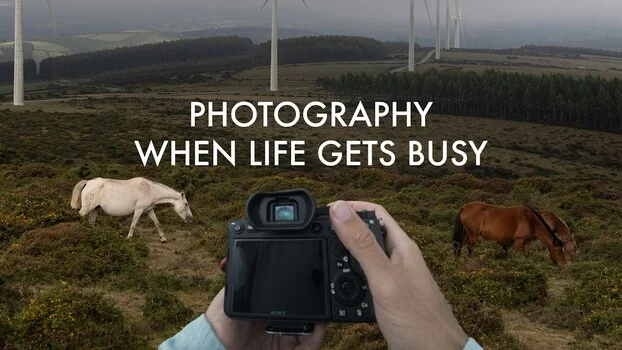
The realm of landscape photography often pits an artist’s vision against the relentless march of time and the caprices of nature. For many, the pursuit of the perfect shot involves meticulous planning, scouting locations, and patiently waiting for the precise convergence of light and subject. However, as demonstrated by photographer Adrian Vila in a recent compelling case study from the verdant, often misty landscapes of Galicia, Spain, an alternative, more fluid methodology can yield equally, if not more, profound results. This approach, characterized by a foundational anchor point followed by extensive improvisation, reveals that some of the most captivating frames emerge not from rigid adherence to a plan, but from an agile response to unfolding conditions, particularly when time is a critical constraint, such as the looming deadline of a family lunch.
The Imperative of Adaptability: A Landscape Photographer’s Reality
Landscape photography is inherently a dance with the elements. Photographers routinely face challenges ranging from unpredictable weather fronts – a sudden rain forecast after months of dry spell – to the finite windows of optimal light, often confined to dawn or dusk. These external pressures are frequently compounded by personal commitments, creating a challenging environment where efficiency and adaptability become paramount. Vila’s recent expedition into the Galician countryside perfectly encapsulates this collision of ideal conditions and constrained time, forcing a series of rapid decisions that ultimately shaped his photographic output across a single, short morning. His methodology offers valuable insights into how to navigate these common hurdles, transforming potential obstacles into creative opportunities.
A Dawn Departure: The Anchored Start in Galicia
Vila’s day began long before dawn, a typical start for many landscape photographers. Equipped with a raincoat – a pragmatic necessity given Galicia’s Atlantic climate – and a car brimming with essential gear, his initial strategy was deceptively simple: no elaborate, multi-stop itinerary, but rather a single, pre-determined destination. This chosen "anchor" point was an striking old pharmacy he had previously noted during an earlier trip, a time when the light had been uncooperative and flat. The significance of this decision cannot be overstated. By having one reliable, inspiring spot to commence the day, Vila effectively circumvented the common pitfall of "analysis paralysis" – the inertia that often arises from an empty schedule and an overwhelming array of potential locations. This singular focus provides a psychological and logistical foundation, allowing the subsequent hours to unfold with greater creative freedom.
Galicia, located in Spain’s northwest, is renowned for its lush, green landscapes, rugged coastlines, and a climate heavily influenced by the Atlantic Ocean. This region experiences higher annual rainfall compared to much of Spain, with frequent periods of mist and fog, especially in its interior and elevated areas. Such atmospheric conditions, often perceived as detrimental by photographers chasing dramatic sunrises, are precisely what Vila has learned to embrace and master. The region’s rich history, dotted with ancient churches, traditional villages, and often-abandoned rural structures, provides a wealth of subjects perfectly suited to atmospheric capture.
Upon arrival at the old pharmacy, Vila found the light cooperating, allowing him to capture the frame he had envisioned weeks prior. This initial success, born from patient observation and strategic return, not only yielded a desired image but also fueled his momentum. Already, he contemplates a winter return to capture the pharmacy at night, its iconic green cross glowing against the cool, dark backdrop – a testament to the enduring inspiration that a well-chosen location can provide.
Chasing the Mists: The Improvisational Journey North
With his initial objective achieved, Vila’s morning transitioned into a phase of pure improvisation. The drive north became the true photographic expedition, guided not by a map of pre-selected spots, but by the dynamic interplay of light and weather. He actively pursued a promising bank of dark clouds, leading him into higher, foggier terrain approximately two hours from his home. This particular area holds significant appeal for Vila, not just for its scenic beauty but for its consistently interesting weather patterns throughout the year – a testament to the value of photographers developing a deep, intimate understanding of their local geography and microclimates.
Even after countless visits to this familiar territory, Vila continues to stumble upon new subjects, underscoring the principle that familiarity can breed deeper insight, not just repetition. His discoveries included a church nestled unexpectedly beside a bustling freeway, an abandoned house juxtaposed with what he candidly described as one of the ugliest modern buildings he had ever seen, and a eucalyptus forest shrouded eerily in mist. These serendipitous findings reinforce a crucial lesson for any visual artist: the starting point, while useful for initial momentum, ultimately matters less than the sustained willingness to keep exploring, to keep driving, and most importantly, to keep looking. The most compelling frames, as Vila’s experience illustrates, rarely manifest precisely where one has planned them. They often emerge from the fringes, the overlooked, or the unexpected shifts in conditions.
The Art of Atmospheric Photography: Embracing Fog and Mood
Central to Vila’s success on this particular morning, and indeed to much of his distinctive style, is the profound impact of fog. Understanding the physics and aesthetics of mist explains why these images resonate so powerfully. Fog acts as a natural diffuser, softening harsh light and creating a gentle, ethereal glow. More critically, it dramatically compresses depth, simplifying complex scenes by obscuring distant distractions and drawing the viewer’s eye directly to the subject. This natural phenomenon effectively isolates a single tree against a windmill or allows a white horse to step clear of its herd, achieving a separation that would typically require extensive post-processing or highly specific lighting conditions.
The rise of atmospheric shooting, characterized by its preference for softer, moodier conditions, represents a significant shift in contemporary landscape photography. While the pursuit of dramatic sunrises and sunsets with vibrant "golden hour" light remains popular, an increasing number of photographers are gravitating towards the quiet subtlety of fog, overcast skies, and muted palettes. This trend reflects a broader appreciation for introspection and mood over overt spectacle. Data from photography communities and online platforms show a growing engagement with images that evoke a sense of mystery, tranquility, and often, melancholy. This style holds up across all seasons, offering a consistent aesthetic regardless of the time of year.
Furthermore, fog generously rewards patience over precise timing. Unlike the fleeting golden hour, which often lasts mere minutes, misty conditions can persist for hours, allowing the photographer ample opportunity to observe the scene as it subtly rearranges itself. Vila’s approach highlights this: he views a cleared-up sky as "bad news" and a returning cloud bank as a "gift." This perspective liberation photographers from the intense pressure of hitting a narrow window of "perfect" light. Instead, it encourages presence, observation, and a willingness to wait for the scene to reveal its hidden compositions. For those who have traditionally limited their photographic outings to sunrise, foggy mornings present a far more forgiving, repeatable, and creatively expansive way to engage with the landscape.
Beyond the Lens: The Human Element and Unforeseen Encounters
Running quietly beneath the technical and artistic discussions in Vila’s narrative is a deeper thread about acceptance – the acceptance of conditions, of limitations, and ultimately, of the shot one can realistically achieve. This philosophy extends beyond the technical aspects of photography into the very human experience of creation. Vila recounts a poignant moment from the total solar eclipse that passed over his home region of Galicia. Rather than attempting to photograph this once-in-a-lifetime event, he chose to experience it with his family, knowing that some photographers who traveled great distances for the perfect composition ultimately missed the spectacle entirely due to cloud cover. This decision underscores a profound understanding of priorities and the value of lived experience over photographic documentation at all costs.
This same spirit of acceptance manifests in the smaller, everyday moments of his solo shoots. It’s evident in his negotiation with a herd of horses, patiently waiting for them to move into a desirable position, or allowing a cow to wander back into place for a better composition. It’s in the minor inconveniences, like nicking his finger on a fence and instinctively checking the date of his last tetanus shot before continuing his work. These moments, often unglamorous and unscripted, paint an honest picture of the resilience, resourcefulness, and practical considerations that solo landscape shooting truly involves, especially when the clock is ticking. This grounded realism provides a stark contrast to the often-idealized portrayals of landscape photography, offering a relatable perspective for aspiring and seasoned photographers alike.
Expert Insights and Broader Implications for the Photographic Community
Adrian Vila’s improvisational, fog-driven approach offers significant implications for the wider photographic community. His methodology serves as a compelling model for aspiring landscape photographers, particularly those who might feel daunted by the perceived need for exotic locations or perfect weather forecasts. By demonstrating that captivating imagery can be created close to home, even in challenging or "suboptimal" conditions, Vila democratizes the pursuit of landscape photography.
Experts in the field increasingly advocate for a more mindful and sustainable approach to photography. Vila’s emphasis on returning to familiar locations and extracting new perspectives from them aligns perfectly with this. It reduces the carbon footprint associated with extensive travel and fosters a deeper connection to local environments. Furthermore, his ability to thrive in atmospheric conditions broadens the scope of what is considered photographically viable, encouraging artists to look beyond conventional beauty standards. The psychological benefits are also notable; by prioritizing adaptability and acceptance over rigid planning, photographers can reduce stress and enhance their creative flow, transforming potential frustrations into opportunities for discovery.
Vila’s work subtly challenges the prevailing narrative that the "best" light is always dramatic, high-contrast, or vibrant. Instead, he champions the quiet power of subtlety, mood, and the often-overlooked beauty inherent in ordinary weather phenomena. This shift in perspective can unlock immense creative potential for photographers in regions with frequent fog or overcast skies, allowing them to produce distinctive bodies of work that stand apart from the saturated market of golden hour clichés.
In conclusion, Adrian Vila’s recent photographic excursion in Galicia transcends a mere showcase of stunning images. It is a masterclass in adaptability, patience, and the profound art of seeing. His ability to anchor his day with a specific vision, then courageously embark on a journey of improvisation guided by the unpredictable beauty of fog and mist, offers invaluable lessons for any creative endeavor. By embracing the shot one can actually get, negotiating with nature’s whims, and finding beauty in the subtle shifts of the landscape, Vila not only captured breathtaking frames but also articulated a more forgiving and ultimately more rewarding philosophy of photographic practice. For those eager to witness the tangible results of this philosophy, the accompanying video provides a vivid demonstration of which frames survived the morning and how Vila masterfully timed the windmill blades around that final, solitary tree, cementing his reputation as a master of the ephemeral.
