
 By Layla Zulfa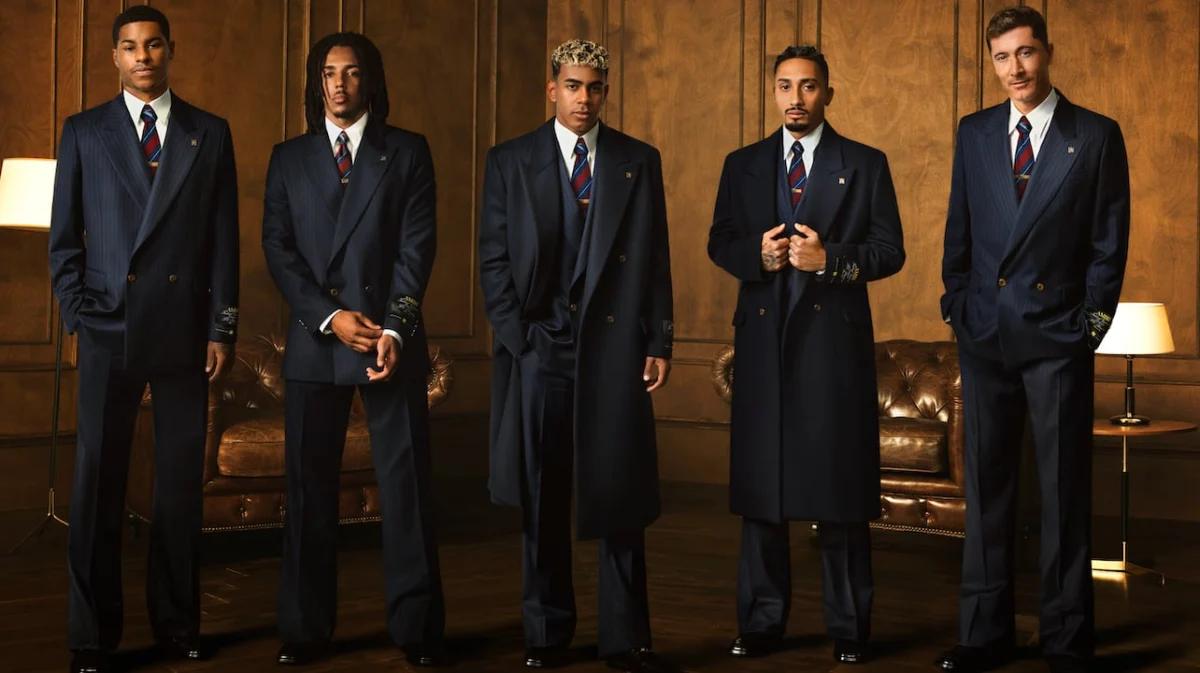
The global fashion industry experienced a dynamic July, marked by significant shifts in consumer behavior and strategic brand recalibrations. Key insights emerging from the month highlight the intricate motivations driving luxury client purchases, the increasingly competitive yet effective strategies in sports marketing adopted by brands, and a discernible, growing consumer rejection of synthetic materials in favor of natural alternatives. These intertwined trends underscore a period of profound transformation, compelling brands to innovate their outreach, product development, and overall market positioning.
Decoding the Luxury Consumer: Beyond Price and Prestige
For decades, the luxury market operated on principles of exclusivity, heritage, and aspirational pricing. However, July’s analysis revealed a more nuanced profile of the contemporary luxury client, whose purchasing decisions are now influenced by a sophisticated array of factors extending far beyond mere brand recognition or cost. Modern luxury consumers, particularly the burgeoning cohorts of high-net-worth millennials and Gen Z, prioritize authenticity, craftsmanship, and a compelling brand narrative. Data from a recent industry report, "The Global Luxury Goods Market 2023," indicated that while quality and design remain paramount, 60% of luxury buyers now consider a brand’s commitment to sustainability and ethical practices as a significant, if not decisive, factor in their purchasing journey.
Furthermore, the desire for personalized experiences and bespoke services has intensified. A study by Bain & Company projects that experiential luxury, encompassing exclusive events, tailored services, and personalized product customization, will grow faster than personal luxury goods in the coming years. This shift reflects a move away from overt displays of wealth towards more discreet, value-driven consumption, where the "story" behind an item and the "experience" of acquiring it hold equal, if not greater, weight than the item itself. Luxury clients are seeking emotional connections, a sense of belonging to a curated community, and products that reflect their personal values and identity. For instance, brands offering limited-edition drops, made-to-order services, or exclusive access to artisan workshops are witnessing heightened engagement and loyalty. This trend necessitates a re-evaluation of traditional marketing funnels, emphasizing direct-to-consumer relationships, community building, and transparent communication regarding sourcing and production.
The Evolution of Sports Marketing: Athletes as Cultural Architects
The confluence of sports and fashion is not a new phenomenon, but July’s observations underscored an acceleration and intensification of this relationship, transforming sports marketing into a highly competitive arena. Brands, ranging from traditional sportswear giants to high-fashion houses, are increasingly recognizing athletes not merely as endorsers but as powerful cultural influencers and trendsetters. This strategic pivot is driven by the unparalleled global reach of sports, the aspirational qualities embodied by athletes, and their authentic connection with diverse, engaged audiences.
Historically, sports marketing focused on functional endorsements, with athletes promoting performance-enhancing gear. The late 20th century saw figures like Michael Jordan transcend this, transforming sneakers into cultural artifacts and laying the groundwork for athletes as lifestyle icons. In the 21st century, particularly over the last five to ten years, this evolution has dramatically accelerated. The rise of social media platforms has given athletes direct channels to their fan bases, allowing them to cultivate personal brands that extend beyond their athletic prowess into fashion, music, and social activism. Luxury brands, initially hesitant, have now fully embraced this paradigm. Dior’s partnership with Kylian Mbappé, Louis Vuitton’s collaboration with LeBron James, and Gucci’s ongoing engagement with various sports figures exemplify this trend. These partnerships are no longer confined to campaign imagery; they often involve co-created collections, exclusive event appearances, and strategic content dissemination across digital platforms.
"The modern athlete is a multi-hyphenate creator, and brands are tapping into that holistic influence," noted Sarah Jenkins, a sports marketing strategist at Apex Consulting. "It’s about aligning with values, authenticity, and a global narrative that resonates far beyond the playing field. The investment is significant, but the return in terms of brand visibility, cultural relevance, and access to new demographics is often unparalleled."
The competition for athlete endorsements has driven up costs, yet brands are finding innovative ways to ensure ROI. This includes data-driven selection of athletes whose personal brands align perfectly with the target audience, integrating them into broader marketing ecosystems, and leveraging their influence for product launches, brand storytelling, and even philanthropic initiatives. The shift also reflects the growing importance of athleisure and streetwear in mainstream fashion, blurring the lines between performance wear and everyday luxury, making athlete endorsements a natural fit for a wider range of brands. The July analysis highlighted how successful campaigns skillfully integrate athletes into narratives that emphasize shared values, passion, and the pursuit of excellence, moving beyond superficial product placement to deeper, more meaningful associations.
The Retreat from Synthetics: A Call for Natural and Sustainable Materials
Perhaps one of the most significant and environmentally driven trends observed in July was the clear consumer preference for natural materials and a growing rejection of synthetics. This shift is a direct response to heightened environmental awareness, concerns over microplastic pollution, and a deeper understanding of the life cycle impact of clothing. Consumers are increasingly scrutinizing material compositions, with a discernible trend towards natural fibers like organic cotton, linen, hemp, wool, and innovative bio-based materials.
The background to this trend lies in the escalating global conversation around climate change, textile waste, and the environmental footprint of the fashion industry. Reports detailing the vast quantities of clothing sent to landfills, the energy-intensive production of certain synthetics, and the pervasive issue of microplastics shedding from synthetic garments have significantly influenced consumer perception. A recent survey by the Ethical Consumer Research Association indicated that 75% of respondents would actively seek out products made from natural or recycled materials, even if it meant a higher price point. This marks a notable evolution from a decade ago when cost and immediate aesthetic appeal often trumped sustainability concerns.
Brands are feeling the pressure to respond. Many are publicly committing to phasing out virgin synthetics, increasing the use of recycled synthetics where natural alternatives are not feasible, and investing heavily in research and development for sustainable alternatives. For example, major sportswear brands are exploring bio-based polymers derived from plant sources, while luxury houses are highlighting the traceable origins of their natural fibers, such as organic silk or certified cashmere. The challenge, however, lies in balancing consumer demand for natural materials with performance requirements, cost-effectiveness, and ensuring that natural alternatives are themselves sustainably sourced and processed.
"The tide has turned decisively against unchecked synthetic production," commented Dr. Anya Sharma, a textile sustainability expert. "Consumers are educated and empowered. They understand that every purchase has an impact. Brands that genuinely embrace natural fibers, circularity, and transparent supply chains will not only meet consumer demand but also build lasting trust and resilience in a rapidly changing market."
The implications of this trend are far-reaching. It necessitates a fundamental re-evaluation of supply chains, manufacturing processes, and material innovation across the industry. Investment in regenerative agriculture for fiber production, closed-loop recycling systems for textiles, and novel bio-materials will be crucial. Furthermore, it puts pressure on brands to be transparent about their material choices, offering clear labeling and educational content to inform consumers. The rejection of synthetics is not merely a fleeting trend but a foundational shift towards a more responsible and sustainable fashion ecosystem.
Broader Implications and the Road Ahead
The trends identified in July paint a picture of an industry undergoing profound introspection and adaptation. The evolving luxury consumer demands more than just a product; they seek a narrative, an experience, and an alignment of values. Sports marketing has solidified its position as a critical channel for cultural relevance and brand amplification, necessitating strategic, authentic partnerships. Meanwhile, the growing aversion to synthetic materials underscores a powerful consumer-driven mandate for environmental responsibility, pushing brands towards natural, sustainable, and circular solutions.
These shifts are not isolated but interconnected. A luxury brand leveraging an athlete influencer might find greater success if their collaborative collection emphasizes sustainable, natural materials, appealing to the discerning, ethically conscious high-net-worth individual. The pressure to adapt is immense, but so are the opportunities for innovation, differentiation, and building deeper, more meaningful connections with a global consumer base that is increasingly informed, engaged, and demanding. As the industry moves forward, agility, transparency, and a genuine commitment to these evolving consumer values will be paramount for sustained success and relevance. The analysis from July serves as a crucial barometer, signaling the critical areas where fashion brands must focus their strategic efforts in the months and years to come.
