
 By admin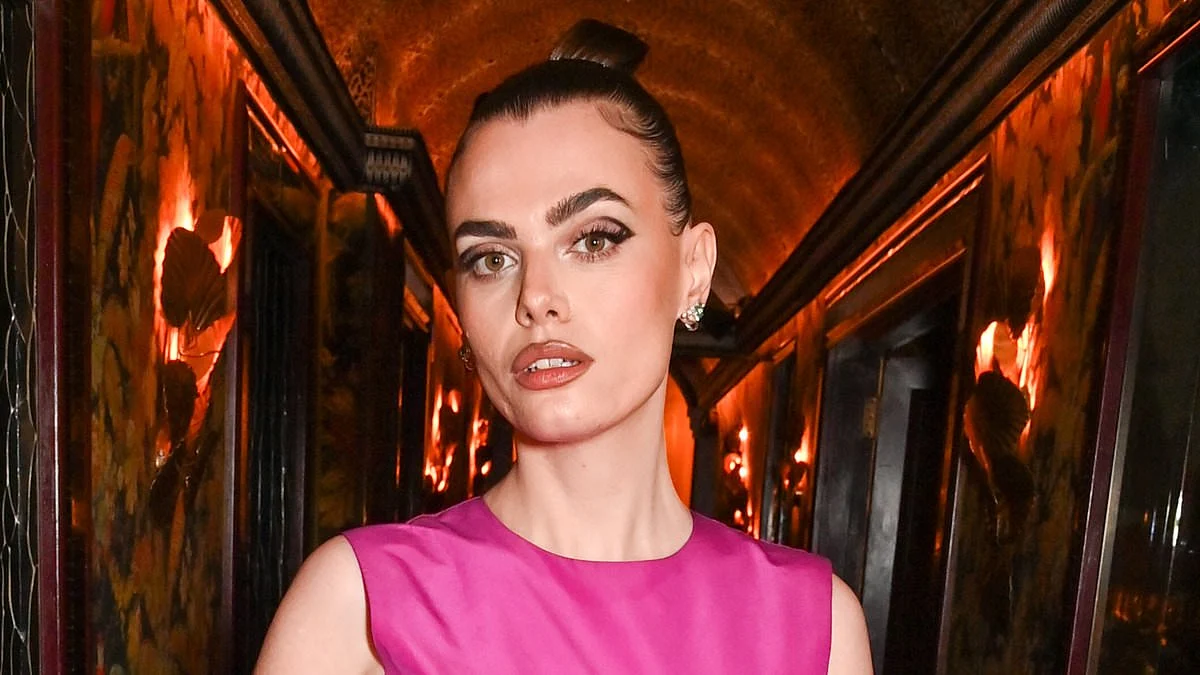
The fashion and entertainment industries are facing renewed scrutiny following a public call for medical intervention from model and author Charli Howard regarding the physical health of American pop star Ariana Grande. Howard, a prominent advocate for body positivity and eating disorder recovery, has expressed grave concerns over Grande’s recent appearance and the perceived lack of safeguarding by her professional team. This intervention comes at a time when Grande has notably retreated from the public eye, citing the intense pressure of relentless public scrutiny regarding her dramatic weight loss and overall physical transformation.
Charli Howard, 35, who has been transparent about her own decade-long struggle with anorexia and bulimia, argued that the discourse surrounding Grande’s health has been dangerously minimized by fans and observers. Howard noted that while many supporters have expressed genuine worry, a significant portion of the public has attempted to normalize the singer’s appearance by suggesting she has merely "lost puppy fat" or is naturally "healthy." According to Howard, such narratives serve to obscure what she describes as a clear need for psychiatric and medical care.
The Trajectory of Public Concern and Industry Responsibility
The controversy reached a flashpoint following the release of Grande’s latest music video, "Petal," which features imagery highlighting the singer’s increasingly slight frame. Howard has called for the removal of such imagery from digital platforms, suggesting that its presence is detrimental not only to the artist but also to a vulnerable young audience that views the singer as a role model. Howard’s critique extends beyond Grande herself, targeting the "hundreds of people" involved in the production and management of her career.
"It is absolutely appalling, from both a moral and capitalistic standpoint, to have released these videos and an album when this person needs psychiatric help and hospitalisation," Howard stated. She characterized the actions of Grande’s management and family as "enabling," suggesting that the commercial machinery of the music industry is prioritizing output over the welfare of the individual.
The medical context of Howard’s claims is rooted in her own history with eating disorders. At the height of her illness, Howard reported surviving on a minimal intake of water, an apple, and a single square of dark chocolate per day, driven by an internal narrative that demanded she maintain a UK size 6. Clinical experts note that eating disorders, particularly anorexia nervosa, have the highest mortality rate of any psychiatric illness, often requiring multidisciplinary intervention involving nutritionists, psychologists, and medical doctors to manage the physical and mental complications.
A Milestone for British Broadcasting: The One Show at 20
While the music industry grapples with issues of health and management, the British broadcasting landscape is preparing to celebrate a significant milestone. Alex Jones, the longest-serving host of the BBC’s The One Show, has marked the program’s upcoming 20th anniversary by extending a formal invitation to the Prince and Princess of Wales. Jones, 49, who joined the evening magazine program in 2010, expressed a desire to host the royal couple on the show’s famous sofa, suggesting that the program’s relaxed format would offer viewers a unique and humanizing insight into the future monarchs.
The anniversary comes during a period of transition and budgetary consolidation for the BBC. Last week, the broadcaster confirmed the cancellation of long-standing programs such as Celebrity Mastermind and Blankety Blank. Despite these cuts, The One Show remains a staple of the 7:00 PM timeslot, maintaining robust ratings and a consistent presence in the national conversation. Jones attributed the show’s longevity to its ability to remain relevant amidst shifting television trends and the rise of digital streaming platforms.
Urban Safety and the Rise of E-Bike Advocacy
The intersection of celebrity influence and public policy was further highlighted this week by Anais Gallagher, daughter of Oasis songwriter Noel Gallagher. The 26-year-old model and photographer utilized her social media platform to launch a critique of e-bike safety in London. As e-bikes, particularly rental services like Lime, become more integrated into the capital’s transport infrastructure, concerns regarding rider behavior and safety regulations have intensified.
Gallagher’s commentary focused on the perceived "immunity" felt by riders who often forgo protective gear such as helmets. "I don’t see anybody in a f***ing helmet. I don’t see anybody covering any skin," Gallagher remarked during a vlog recorded while driving through the city. Her concerns mirror a broader debate in London regarding the regulation of micro-mobility vehicles. Recent data from Transport for London (TfL) indicates a rise in incidents involving e-bikes, prompting calls for stricter enforcement of road laws and better infrastructure to separate cyclists from heavy vehicular traffic.
Political Realignment: Lowe and Farage Mend Fences
In the sphere of British politics, there are signs of a strategic realignment on the right. Despite a history of public animosity and social media disputes, Rupert Lowe, leader of Restore Britain, and Nigel Farage, leader of Reform UK, were recently observed in a friendly exchange. The two figures were seen laughing and posing for photographs at a summer party hosted by entrepreneur Ben Delo at the National Gallery in London.
The reconciliation is viewed by political analysts as a potential move toward a "United Right" front. For months, Lowe and Farage had engaged in public squabbling over the direction of conservative-leaning insurgent parties. However, witnesses at the event noted a distinct lack of tension, describing the pair as "old mates." This shift suggests a tactical pivot as both parties seek to consolidate their influence ahead of future electoral cycles, focusing on shared objectives such as immigration reform and economic sovereignty.
Humanitarian Crisis and the Ethics of Border Control
The discourse on immigration was further amplified by Livia Firth, the Italian film producer and activist, who recently addressed the ongoing humanitarian crisis at the Spanish territory of Ceuta. Following an event where thousands of African migrants attempted to enter the enclave, Firth condemned what she described as a lack of "humanity" in the official response.
Ceuta, located on the north coast of Africa but under Spanish sovereignty, has long been a flashpoint for migration into the European Union. Firth’s comments targeted the "extreme Right" and "fascist" elements of the political spectrum, whom she accused of exploiting the desperation of migrants to fuel xenophobia. "Lots of the migrants have just arrived out of desperation," Firth stated, calling for a more compassionate approach to border management that prioritizes human rights over exclusionary rhetoric.
Reflections on Physicality and Career Evolution
The theme of physical appearance and its impact on professional life was also explored by celebrity chef Tom Kerridge and television personality Donna Air. Kerridge, 53, recently reflected on his early acting career, noting that he was frequently typecast as a "thug" or "bully" due to his burly physique. His credits included roles as a "borstal boy" in Miss Marple and "Thug One" in London’s Burning. Kerridge, who has undergone a significant weight loss transformation in recent years, noted that his acting opportunities were often a reflection of his physical appearance rather than his dramatic range.
Similarly, Donna Air, 47, marked her birthday with a social media post that highlighted her enduring public profile since her debut on Byker Grove in the 1990s. Air, who has navigated a career spanning acting, presenting, and high-profile social circles, continues to be a figure of interest in the British media, representing the longevity of personalities who emerged during the "Cool Britannia" era.
Broader Implications for Industry Safeguarding
The diverse range of stories—from Ariana Grande’s health crisis to the political maneuvering of Nigel Farage—highlights a common thread of accountability and the impact of public image. The call for intervention in Grande’s case, in particular, raises significant questions regarding the duty of care within the music industry. As artists are increasingly treated as global brands, the line between professional output and personal health becomes dangerously blurred.
Industry analysts suggest that the "Petal" controversy may serve as a catalyst for new safeguarding protocols within talent management agencies. Much like the fashion industry was forced to address the "size zero" debate in the mid-2000s, the music industry may now face a reckoning regarding the physical and mental toll of global stardom. The consensus among advocates like Charli Howard is that the commercial success of an artist should never be prioritized over their survival, and that the "teams of hundreds" responsible for a star’s career must also be responsible for their humanity.
