
 By Layla Zulfa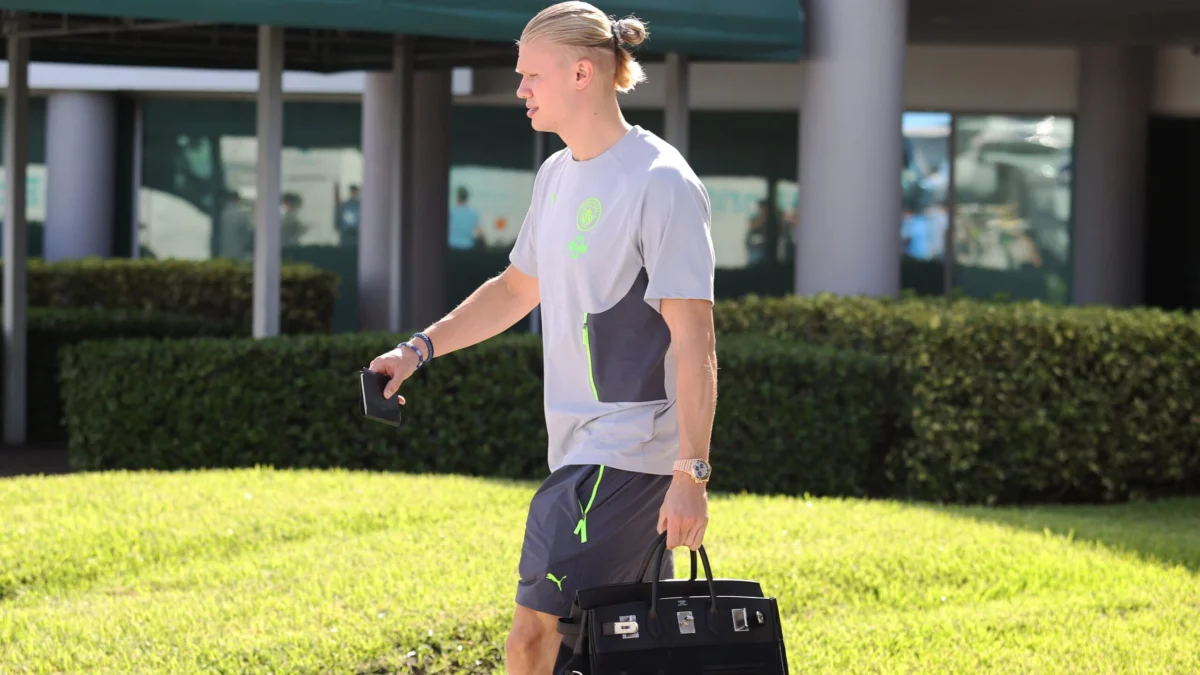
Luxury companies are increasingly compelled to recalibrate their strategic approaches to effectively engage and convert the burgeoning segment of male consumers into purchasers of high-end handbags. This imperative, highlighted by Bloomberg’s Andrea Felsted, comes amidst a discernible shift in cultural norms and fashion sensibilities, exemplified by high-profile figures such as Norwegian football star Erling Haaland. Following Norway’s recent World Cup exit, a defeat at the hands of England last weekend, the 25-year-old striker was notably observed carrying a Birkin bag, a luxury item traditionally associated with female clientele. This public display underscores a broader trend reshaping the luxury accessory landscape, signaling a pivotal moment for brands to adapt their product offerings, marketing narratives, and retail experiences to cater to an increasingly discerning and style-conscious male demographic.
The sight of Erling Haaland, a globally recognized athlete and a symbol of modern masculinity, openly embracing a Birkin bag transcends a mere fashion statement; it represents a cultural inflection point. For decades, handbags, particularly those from ultra-luxury houses, have been primarily marketed and perceived as women’s accessories, often signifying status, style, and personal expression for female consumers. Haaland’s choice, captured by Getty Images and widely circulated, challenges these traditional gendered perceptions, providing powerful, albeit perhaps unintentional, endorsement for men’s engagement with luxury fashion beyond conventional items like watches, ties, or briefcases.
The Evolving Landscape of Men’s Luxury Accessories
The shift towards men’s handbags is not an overnight phenomenon but the culmination of several converging trends. Historically, men’s functional carryalls were limited to briefcases for professional settings, satchels for students, or utilitarian backpacks. The early 21st century saw the gradual introduction of "man bags" or messenger bags, often driven by practicality and a slight softening of rigid male dress codes. However, the current iteration moves beyond mere utility, embracing genuine fashion and luxury as a core component of male self-expression.
Market research consistently points to a significant growth trajectory in the men’s luxury goods sector. While precise figures for men’s handbags specifically can be granular, the broader men’s luxury accessories market, encompassing everything from watches and jewelry to small leather goods and, increasingly, handbags, has shown robust expansion. Analysts project this segment to outpace the overall luxury market growth in coming years. A 2023 report by Bain & Company, for instance, indicated that while the overall luxury market is set for continued growth, the demand from younger generations and evolving consumer behaviors, including less rigid gender norms, are key drivers. The men’s segment is particularly ripe for growth, as many men, especially Gen Z and Millennials, are increasingly willing to invest in personal style and luxury items.
Driving Factors: Beyond Utility to Expression
Several factors underpin this burgeoning trend:
1. Cultural Shifts and Evolving Masculinity: Contemporary definitions of masculinity are far more fluid and diverse than in previous generations. The rise of metrosexual and then "spornosexual" archetypes, combined with broader discussions around gender identity and self-expression, has liberated men from traditional sartorial constraints. Fashion, once a more restricted domain for men, is now a legitimate avenue for personal identity and creativity. Carrying a stylish handbag is seen less as an emasculating act and more as an expression of individuality and a sophisticated sense of style.
2. Celebrity and Influencer Endorsement: Figures like Erling Haaland wield immense influence. When a world-class athlete, known for his prowess and physical strength, confidently carries a high-fashion item like a Birkin, it sends a powerful message. This normalizes the act for a wider audience. Beyond sports stars, musicians (e.g., Harry Styles, J-Hope of BTS), actors, and social media influencers frequently showcase designer bags, creating aspirational content and driving demand among their male followers. Their visibility breaks down psychological barriers and validates the trend.
3. Practicality Meets Luxury: While expression is key, practicality remains a strong motivator. Modern life often requires carrying more than just a wallet and phone. Tablets, power banks, headphones, and other personal items necessitate more substantial carry solutions. Luxury brands are responding by offering bags that are both functional and aesthetically refined, moving beyond the traditional briefcase to include sophisticated totes, cross-body bags, and even clutches designed with a masculine aesthetic.
4. Brands’ Strategic Push: Recognizing the untapped potential, luxury brands themselves are actively investing in their men’s accessory lines. Dedicated men’s fashion weeks, increased advertising spend on male-focused campaigns, and the appointment of male creative directors who prioritize men’s accessories are all indicative of this strategic pivot. Brands like Louis Vuitton, Dior Men, Bottega Veneta, and Gucci have been at the forefront, introducing diverse ranges of men’s bags that blend classic luxury craftsmanship with contemporary design.
A Brief Chronology of Men’s Bags in Fashion
The concept of men carrying bags is not entirely new, but its recent evolution is significant:
- Ancient Times: Men historically carried pouches and small bags for essentials. Utility was paramount.
- 17th-19th Centuries: Briefcases and doctor’s bags emerged as status symbols for professionals, strictly functional.
- Early 20th Century: The rise of the suitcase for travel, but day-to-day carry remained limited to pockets.
- Mid-to-Late 20th Century: Backpacks gained popularity for students and casual use. The "man bag" in the form of messenger bags began to appear in niche fashion circles, often associated with counter-culture or specific subcultures.
- 2000s-2010s: The "metrosexual" era saw men paying more attention to personal grooming and fashion. Designer messenger bags and even small totes started gaining traction, albeit cautiously.
- 2010s-Present: A rapid acceleration of the trend. Brands explicitly design luxury handbags for men. Celebrities and influencers embrace them. The once-novel concept becomes increasingly mainstream, particularly among younger demographics. The sight of a man with a designer tote or a sophisticated shoulder bag is no longer an anomaly but a mark of contemporary style.
Statements and Reactions from the Industry
Industry analysts and luxury brand executives are keenly observing and responding to these shifts. "The male consumer is no longer a secondary thought for accessories; they are a primary growth engine," commented a senior analyst at a leading luxury market intelligence firm, preferring to remain anonymous due to company policy. "Brands that fail to innovate in this space risk being left behind. It’s about more than just scaling down women’s designs; it requires a genuine understanding of masculine aesthetics and practical needs, coupled with a strong narrative around modern identity."
Luxury brand executives have echoed this sentiment. Antoine Arnault, head of communications and image at LVMH, has previously spoken about the growing importance of the male segment across all luxury categories. Brands are investing heavily in dedicated men’s stores, separate marketing campaigns, and product development teams focused solely on male offerings. "We are seeing unprecedented demand from men for pieces that allow them to express their individuality and status," a representative from a prominent European luxury house stated at a recent industry event. "The challenge is to create designs that resonate without alienating our traditional clientele, while also pushing boundaries."
Broader Impact and Implications for Luxury Brands
The implications of this trend for luxury companies are multifaceted:
1. Product Development and Design: Brands must move beyond simply offering muted colors or larger versions of women’s bags. This requires a dedicated design philosophy for men’s handbags, focusing on structure, materials, hardware, and functionality that appeal to masculine tastes. This might include robust leathers, sophisticated organizational compartments, and ergonomic designs suitable for a man’s physique and daily routine. The aesthetic often leans towards architectural lines, understated elegance, or bold, avant-garde statements, distinct from traditionally feminine silhouettes.
2. Marketing and Branding: The narrative needs to evolve. Marketing campaigns must reflect modern masculinity in all its diversity, moving away from hyper-masculine stereotypes towards broader representations that embrace style, sophistication, and emotional depth. Collaborations with male artists, athletes, and cultural figures will become even more crucial in shaping perceptions and making luxury handbags aspirational for men. The imagery used in advertising campaigns will need to be carefully curated to resonate with this evolving demographic, portraying confidence, individuality, and an effortless integration of these accessories into a man’s lifestyle.
3. Retail Experience: The in-store and online retail experience must also adapt. Sales associates need to be knowledgeable about men’s fashion trends and comfortable guiding male clients through handbag selections. Store layouts might need to be reconfigured to better showcase men’s accessories, creating dedicated sections that feel inviting and relevant to male shoppers. Online platforms should offer intuitive navigation and tailored recommendations for men’s specific product interests.
4. Market Segmentation and Targeting: The male market is not monolithic. Brands will need to segment their male clientele based on age, lifestyle, profession, and fashion sensibility. A young, trend-conscious Gen Z consumer might gravitate towards streetwear-inspired cross-body bags, while an older, established professional might prefer a refined leather tote or document holder. Understanding these nuances will be key to developing targeted collections and marketing messages.
5. Sustainability and Ethical Sourcing: As conscious consumerism grows, men, particularly younger generations, are increasingly prioritizing sustainability and ethical production. Luxury brands that can credibly demonstrate their commitment to these values in their men’s accessory lines will gain a significant competitive advantage. This includes transparency in sourcing materials, responsible manufacturing processes, and durable, long-lasting products that align with a "buy less, buy better" philosophy.
The Future Outlook: A Permanent Shift
This shift towards men embracing luxury handbags is unlikely to be a fleeting trend. It represents a deeper, more permanent evolution in societal norms around gender, fashion, and self-expression. As younger generations, who are inherently more fluid in their approach to style, gain greater purchasing power, the demand for sophisticated men’s accessories will only intensify.
The challenge for luxury brands lies in staying ahead of this curve. It requires not just reacting to current trends but anticipating future shifts in male consumer behavior and aspirations. Those that successfully innovate, communicate authentically, and provide compelling products will secure a dominant position in this rapidly expanding and highly lucrative segment of the luxury market. The image of Erling Haaland with his Birkin bag serves as a potent reminder that the boundaries of luxury fashion are continually being redrawn, and men are increasingly at the forefront of this exciting transformation. The era of the "man bag" has truly arrived, and it is more diverse, more luxurious, and more expressive than ever before.
