
 By admin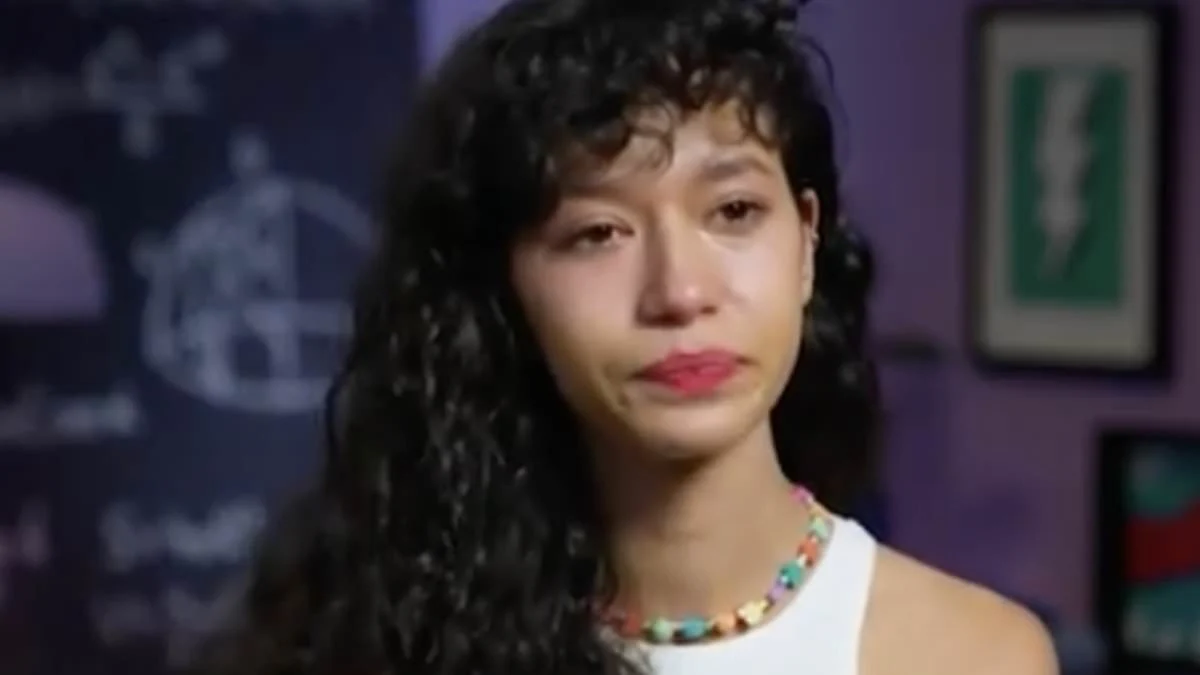
Angelique Nguyen, a 25-year-old former contestant on the Australian reality television program Beauty and the Geek, has become the subject of widespread public criticism following the publication of two controversial videos on her Instagram account. The videos, which featured Nguyen conducting street interviews, or "vox pops," focused on a line of questioning that many social media users and advocacy groups have labeled as reductive, inappropriate, and racially insensitive. The incident has reignited discussions regarding the ethical responsibilities of social media influencers and the potential for reality television platforms to propel individuals into the public eye who may lack the necessary sensitivity to navigate complex social discourses.
The controversy began on Thursday, July 16, 2026, when Nguyen uploaded the first of two clips to her Instagram profile, where she maintains a significant following stemming from her 2022 television appearance. In the footage, Nguyen is seen approaching strangers in a public setting and asking them a singular, provocative question: "What’s one word you would use to describe black people?" A second video, following the same format, was uploaded the following day, Friday, July 17. The responses from the public, as captured in the edited clips, varied, but the premise of the videos immediately drew the ire of her audience and the broader digital community.
Details of the Incident and Online Reaction
The backlash was swift and multifaceted. Within hours of the first video’s publication, the comment section became a site of intense debate and condemnation. Many users questioned the motivation behind the videos, with several commenters describing the content as "weird," "odd," and "unnecessary." One user pointedly asked, "How are black people any different to any other person? Why are we asking this question?" Another critic simply wrote, "Ew," while others characterized the videos as a form of "engagement bait"—content designed specifically to provoke a reaction, regardless of the potential for harm or the perpetuation of stereotypes.
The situation escalated significantly when a commenter posted a racially disparaging term—"gorilla"—beneath one of the videos. Rather than deleting the comment or denouncing the language, Nguyen responded to the remark with a series of laughing emojis. This interaction has been highlighted by critics as evidence of a deeper lack of understanding regarding racial sensitivity and the historical context of dehumanizing language used against Black communities. The failure to moderate or condemn hate speech on her own platform has led to calls for greater accountability and has prompted discussions about the role of platform algorithms in amplifying such content.
Background: From Reality Television to Social Media Influencing
Angelique Nguyen first entered the Australian public consciousness in 2022 as a contestant on the Nine Network’s reboot of Beauty and the Geek. During her tenure on the show, she was portrayed as an eccentric and "zany" character. Nguyen frequently referred to herself as an "alien," a persona that helped her stand out among the cast. In promotional interviews with 9Now at the time, she described herself as a "rainbow gem that has yet to be discovered" and expressed a desire to learn more about the world through the "geeks" featured on the program.
On the show, Nguyen was paired with Samuel Mitchell, a "geek" with whom she appeared to form a genuine connection. Their partnership was a central narrative arc of the season, with Nguyen praising Mitchell for his non-judgmental nature. However, reports indicate that the friendship did not persist long after the cameras stopped rolling. As of mid-2026, the two no longer follow each other on social media platforms, a common occurrence in the transient world of reality television relationships.
Since her time on the show, Nguyen has attempted to transition from a reality TV participant to a full-time social media influencer. This transition often requires creators to produce "viral" content to maintain visibility in a crowded digital marketplace. Media analysts suggest that the "vox pop" format—popularized by various YouTube and TikTok creators—is frequently used by influencers to generate high engagement rates through controversial or simplified takes on social issues.
The Ethics of the "One Word" Vox Pop Format
The use of "vox pops" (short for vox populi, or "voice of the people") is a long-standing journalistic technique used to gauge public opinion on specific issues. However, when applied to racial identity by social media influencers, the format is often criticized for its lack of nuance. Asking individuals to summarize an entire demographic in a "single word" is viewed by sociologists and media experts as inherently reductive.
"When you ask for a ‘one-word’ description of a marginalized group, you are essentially inviting stereotypes," says media analyst Dr. Elena Richardson. "It strips away the humanity and diversity of the group in question and encourages a type of categorical thinking that has historically been used to justify prejudice. In the context of social media, where the goal is often ‘clicks’ rather than ‘conversation,’ this becomes a dangerous tool for spreading ignorance."
Furthermore, the power dynamic inherent in street interviews—where an influencer with a microphone and a camera catches a passerby off guard—can lead to responses that are either performative or ill-considered. When these responses are then edited and broadcast to thousands of followers, the potential for harm is magnified.
Racial Discourse and Media Sensitivity in Australia
The controversy surrounding Nguyen’s videos occurs within a broader context of ongoing discussions about race and representation in Australian media. Australia has faced long-standing criticism regarding the lack of diversity in its mainstream media and the occasional lapse into insensitive reporting or entertainment. In recent years, there has been a concerted effort by major networks and regulatory bodies to implement more robust guidelines regarding racial sensitivity.
However, the "influencer" economy remains largely unregulated in this regard. While traditional broadcasters are subject to the Australian Communications and Media Authority (ACMA) codes of practice, individual content creators on platforms like Instagram and TikTok operate with significantly more autonomy. This gap in oversight means that the responsibility for ethical content creation rests almost entirely on the individual influencer and the internal moderation policies of the social media platforms themselves.
The incident involving Nguyen highlights the tension between the freedom of digital expression and the responsibility to avoid the promotion of harmful tropes. The "gorilla" comment incident, in particular, touches on a sensitive history of racist caricatures that have been used to dehumanize people of African descent for centuries. By engaging with such a comment through laughter, Nguyen has, in the eyes of many, validated a form of hate speech that is strictly prohibited under the community guidelines of most major social media platforms.
Broader Implications for the Influencer Industry
The fallout from these videos may have significant implications for Nguyen’s career and the broader influencer industry. Brands and sponsors are increasingly wary of being associated with creators who court controversy or exhibit a lack of social awareness. In the current climate, a "cancel culture" response is often followed by a loss of commercial partnerships, as companies seek to protect their brand reputation from being tarnished by association with racially insensitive content.
Moreover, this incident serves as a case study for the "reality-to-influencer" pipeline. Many individuals who appear on reality TV are thrust into the spotlight without the media training or cultural literacy required to manage a large public platform. As these individuals seek to remain relevant, they may resort to increasingly provocative tactics to capture the attention of an audience with a short attention span.
Industry experts suggest that platforms like Instagram may need to take more proactive steps in moderating content that encourages racial categorization. While Nguyen’s videos may not have initially violated specific "hate speech" policies in their phrasing, the resulting community interaction and the reductive nature of the premise raise questions about whether such content contributes to a hostile environment for marginalized users.
Conclusion and Current Status
As of the latest updates, Angelique Nguyen has not issued a formal apology or a detailed explanation for the videos. Daily Mail and other news outlets have reached out to her representatives for comment, but no official statement has been forthcoming. The videos remain on her profile, though the comment sections continue to be a battleground of criticism and defense.
The incident remains a stark reminder of the complexities of race, media, and the digital age. As the line between entertainment and social commentary continues to blur on social media, the need for a more sophisticated understanding of racial dynamics and ethical content creation becomes ever more pressing. For Nguyen, the "one word" she sought from the public has resulted in a multifaceted and largely negative response, casting a shadow over her post-television career and highlighting the pitfalls of the modern influencer landscape.
