
 By admin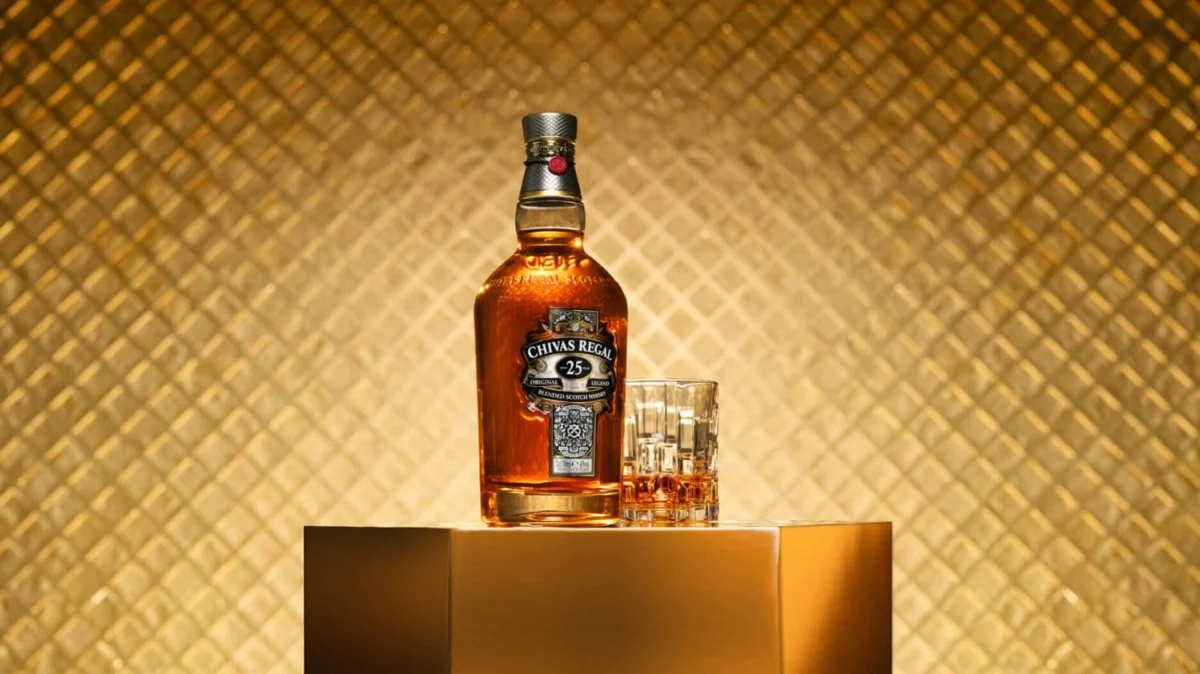
The global luxury spirits landscape in 2026 has reached a pivotal juncture where the value of a bottle is determined as much by its institutional memory as by its age statement. As collectors increasingly prioritize provenance and storytelling, eight landmark releases from the world’s most prestigious distilleries demonstrate a sophisticated reinterpretation of heritage. These whiskies, ranging from century-old distilled spirits to modern architectural collaborations, illustrate a market shift where "heritage" is no longer a static tribute to the past but an active, evolving asset. By combining historic cask programs, multi-generational craftsmanship, and strategic cultural partnerships, these houses are securing their positions at the apex of the global investment grade spirit category.
The Evolution of the Ultra-Premium Whisky Market
In the last decade, the secondary market for rare single malts has transitioned from a niche hobby into a formalized alternative asset class. According to recent industry reports, the Compound Annual Growth Rate (CAGR) for rare whisky has outpaced traditional luxury investments, including fine wine and classic cars, in several key demographics. This surge is driven by a scarcity of aged liquid and a growing demand for "liquid history."

The 2026 market is characterized by a "flight to quality," where the most successful releases are those that can prove a direct lineage to significant historical eras. Distilleries are no longer merely selling a beverage; they are selling a piece of a timeline. This is achieved through the release of "ghost" stocks—liquid from closed distilleries—or through the bottling of casks that have been under the custodianship of several generations of master blenders.
The Apex of Age: The Balvenie 1931 Collection 88-Year-Old
The Balvenie has set a new benchmark for patience in the industry with the release of its 1931 Collection 88-Year-Old. Distilled in 1931 and matured in a single European oak sherry butt, this expression is limited to just 17 bottles worldwide. The year of distillation, 1931, serves as a significant historical anchor, marking the year The Balvenie established its Home Malt Floor. This traditional practice of malting barley on-site remains a cornerstone of the distillery’s identity today.
The 88-year maturation process represents an extraordinary feat of wood management. Over nearly nine decades, the "Angel’s Share"—the natural evaporation of spirit through the wood—claims the majority of the cask’s volume. To bring a spirit to this age while maintaining a palatable alcohol by volume (ABV) and a balanced flavor profile requires a level of environmental control and cask quality that few distilleries can match. This release is less a commercial product and more a testament to the foresight of the distillery workers who, during the height of the Great Depression, chose to set aside this specific cask for a future they would never witness.

Cultural Synthesis: Glenfiddich Grand Château 31-Year-Old
While age is a primary driver of value, Glenfiddich has explored the concept of "cultural heritage" through its Grand Château 31-Year-Old. This single malt underwent a primary maturation of 22 years before receiving a nine-year finish in Bordeaux red wine casks. This release represents a dialogue between two of the world’s most respected luxury traditions: the Speyside whisky industry and the French wine estates of Bordeaux.
This approach to finishing—pioneered by Glenfiddich in earlier decades—has become a standard for "modern heritage." By integrating the flavor profiles of French viticulture with Scottish distillation, the house creates a product that appeals to cross-category collectors. The nine-year finishing period is unusually long, allowing the tannin structures and dark fruit notes of the Bordeaux oak to deeply permeate the spirit, resulting in a profile that is both familiar to Scotch enthusiasts and intriguing to wine connoisseurs.
Lineage and Succession: Laphroaig Strong Characters Chapter 2
Laphroaig’s "Strong Characters" series shifts the focus from the liquid itself to the human element of heritage. The second chapter of this collection pays homage to Dugald Johnston, the man who inherited the distillery in the mid-19th century following the death of co-founder Donald Johnston. The 35-year-old expression is a tribute to the concept of stewardship.

In the luxury sector, the "founder myth" is often the primary marketing tool. However, Laphroaig’s decision to celebrate a successor highlights a vital truth about the whisky industry: survival depends on those who maintain the vision after the founders are gone. Johnston is credited with navigating the distillery through a period of immense industrial change, ensuring that Laphroaig’s distinctive medicinal, peated style remained uncompromised. This release connects modern collectors to the Victorian-era roots of Islay’s distilling traditions.
Architecture and Liquid Design: Bowmore Captivo 20-Year-Old
Bowmore, Islay’s oldest licensed distillery (founded in 1779), has taken a different route to heritage by partnering with the contemporary design firm Snarkitecture. The Captivo Collection, featuring two 20-year-old whiskies focused on sherry and oak maturation, utilizes avant-garde packaging to recontextualize Bowmore’s 247-year history.
This collaboration addresses a critical question for 2026: how does a centuries-old institution remain relevant to a new generation of collectors who are equally influenced by art and architecture? The use of Snarkitecture’s "distilled" aesthetic—which often involves white, topographical, and minimalist structures—creates a stark contrast with the dark, traditional warehouses of Bowmore. It suggests that heritage is not a weight to be carried, but a foundation upon which new forms of art can be built.

The Archive as Cultural Capital: The Macallan Romantica Collection
The Macallan has long been the dominant force in the whisky auction market, and the Romantica Collection reinforces this status by turning the distillery’s own history into an archive. Centered around the centenary of the legendary 1926 vintage, the collection introduces a 1986 whisky matured for 40 years in a single sherry-seasoned European oak cask.
The Romantica project is significant because it reunites The Macallan with artists Sir Peter Blake, Valerio Adami, and Michael Dillon. These artists were responsible for the labels of the 1926 bottles that have repeatedly broken world records at auction. By bringing these figures back to curate a new release, The Macallan is effectively "curating" its own secondary market value. This release demonstrates that in 2026, luxury whisky is as much a part of the fine art world as it is the spirits industry.
The Power of Consistency: The Macallan Sherry Oak 30-Year-Old
In an era of constant innovation and experimental finishes, The Macallan Sherry Oak 30-Year-Old represents the luxury of consistency. This expression is the result of the distillery’s intensive investment in its own "cask manor" system in Spain, where it controls every aspect of the sherry-seasoning process, from the felling of the oak to the choice of wine used for seasoning.

For the collector, the 30-Year-Old is a benchmark of the "house style." While other releases might focus on novelty, the Sherry Oak series focuses on the perfection of a single, recognizable profile. In a volatile market, this level of predictability becomes a form of prestige. It tells the collector that the standards established decades ago remain unchanged, regardless of global trends.
Blending as Foresight: Royal Salute Small Batch Collection 001
Royal Salute, a brand originally created to mark the coronation of Queen Elizabeth II, has released its Small Batch Collection 001—a 27-year-old blend. This release highlights the "heritage of the blender." Unlike single malts, which focus on a single distillery, high-end blends like Royal Salute rely on the "Master Blender’s" ability to manage a vast library of aged stocks.
The 27-year-old Batch 001 is a showcase of foresight. The whiskies contained within this blend were selected and set aside in the late 1990s, long before the current whisky boom. The significance of this release lies in its transparency regarding the blending process, elevating the craft of the blender to the same level of prestige traditionally reserved for the single malt distiller.

Reclaiming the Past: Chivas Regal 25-Year-Old
The final pillar of the 2026 heritage landscape is Chivas Regal 25-Year-Old. Originally launched in 1909 as the world’s first luxury whisky, the 25-year-old expression was a staple of New York’s high society before being silenced by Prohibition in 1920. Its revival in the 21st century and its continued prominence in 2026 serve as a bridge to the "Golden Age" of cocktails and prestige spirits.
Every drop of this blend is aged for a minimum of a quarter-century, reinforcing the philosophy that time is the ultimate luxury. By reconnecting with its pre-Prohibition roots, Chivas Regal reminds the market that it helped define the very concept of "luxury Scotch" over a century ago.
Timeline of Heritage: Key Milestones in the 2026 Luxury Whisky Landscape
- 1779: Bowmore is founded, establishing the bedrock of Islay’s distilling history.
- 1830s-1850s: The era of Dugald Johnston at Laphroaig, ensuring the survival of the Islay style.
- 1909: Chivas Regal 25 is launched, creating the "luxury whisky" category.
- 1926: The Macallan distills the cask that would eventually become the world’s most expensive whisky.
- 1931: The Balvenie establishes its Home Malt Floor, a practice that remains in use for the 88-year-old release.
- 1986: Distillation of the 40-year-old spirit for The Macallan Romantica Collection.
- 2007: The official revival of Chivas Regal 25, reconnecting with pre-Prohibition heritage.
- 2026: The release of the landmark collections from Balvenie, Bowmore, and Laphroaig, redefining the market for the next decade.
Broader Implications for the Global Luxury Market
The success of these eight whiskies suggests that the luxury consumer of 2026 is looking for "authenticity" through "longevity." In a digital, fast-paced world, a bottle that has sat in a dark warehouse for 88 years offers a rare form of permanence.

Analyst reactions to these releases have been overwhelmingly positive, noting that these heritage-led strategies insulate brands from market fluctuations. When a bottle has a century of history behind it, its value is less susceptible to the whims of fashion. Furthermore, the integration of art and architecture (as seen with Macallan and Bowmore) suggests that whisky is moving toward a "lifestyle" ecosystem where the liquid is just one component of a broader cultural investment.
Ultimately, the 2026 luxury whisky market proves that heritage is a decision. It is the decision to keep a cask when it could have been sold; the decision to maintain a traditional malting floor when it would be cheaper to automate; and the decision to honor the craftsmen of the past while collaborating with the visionaries of the future. The rarest ingredient in any of these bottles is not the barley or the water—it is time.
