
 By Layla Zulfa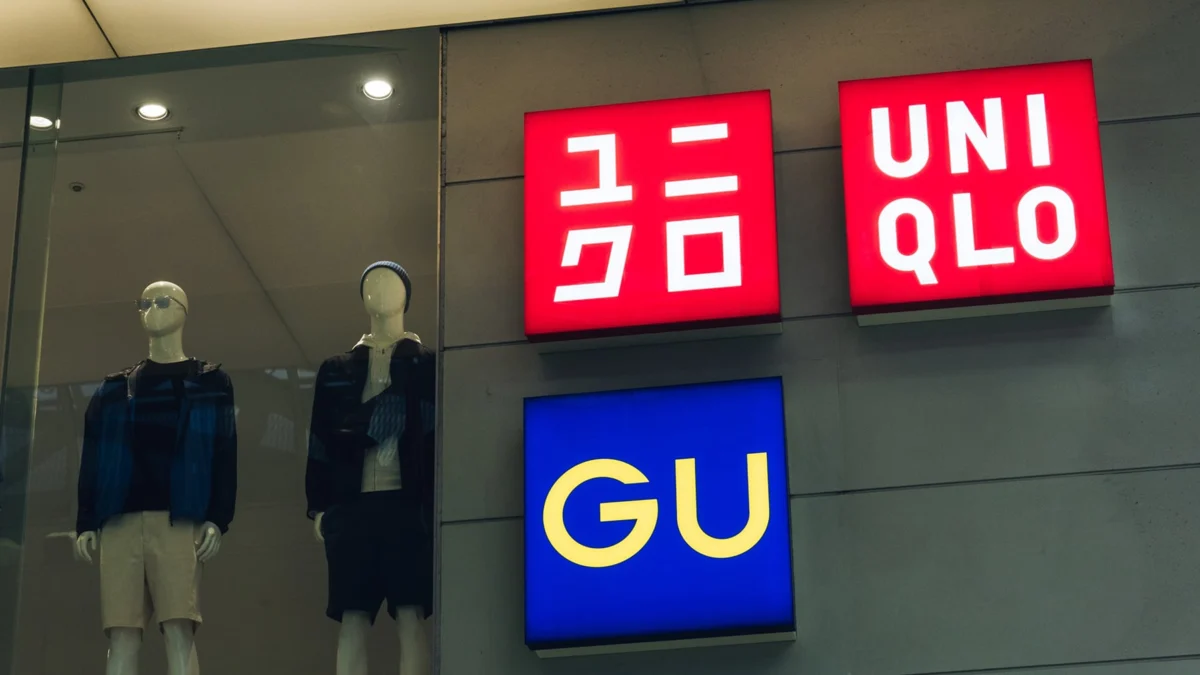
GU, the dynamic lower-priced brand operating under the formidable Fast Retailing Co. umbrella, is embarking on an audacious global expansion strategy, placing a significant bet on the transformative power of high-end design expertise to propel its accessible $18 jeans into worldwide success. This strategic pivot involves enlisting a former luxury fashion designer to infuse sophisticated aesthetics and trend-setting vision into its core offerings, signaling a new era for the value-focused retailer. The move underscores Fast Retailing’s overarching ambition to solidify its position as a global retail giant, leveraging its proven operational efficiencies with an enhanced design sensibility previously reserved for premium segments. The initial collection overseen by this new design leadership has been unveiled, marking a critical juncture for the brand’s international trajectory.
Fast Retailing’s Global Vision and GU’s Strategic Position
Fast Retailing Co., the Japanese multinational retail holding company renowned globally for its flagship brand Uniqlo, has long pursued an aggressive global expansion agenda under the visionary leadership of Tadashi Yanai. Uniqlo has transformed into a household name synonymous with high-quality, functional "LifeWear" basics, achieving immense success through its focus on innovation in materials, fit, and timeless design. However, the intensely competitive global apparel market necessitates continuous innovation and diversification to maintain growth momentum.
GU, established in 2006, was conceived as Uniqlo’s younger, trendier, and more budget-friendly sibling. It was designed to capture a demographic seeking fashion-forward styles at accessible price points, effectively creating a two-pronged approach to the mass market. While Uniqlo emphasizes timeless essentials and durable quality, GU caters to faster fashion cycles, offering seasonal trends and collaborations that resonate with a younger, more style-conscious consumer. Its name, a play on the Japanese word "jiyuu" (自由), meaning "freedom," reflects its ethos of offering freedom in fashion choices without a hefty price tag.
Initially focused primarily on the Japanese domestic market, GU has steadily expanded its footprint, establishing a presence in several key Asian markets, including China, Taiwan, and South Korea. Its success has been built on a foundation of rapid trend adaptation, robust supply chain management mirroring Uniqlo’s capabilities, and an unwavering commitment to value. The brand’s distinctive proposition lies in its ability to deliver fashionable items at prices that are highly competitive, often undercutting traditional fast-fashion rivals like Zara and H&M in specific product categories. The current strategy to integrate a former luxury designer into its creative leadership marks a significant escalation of GU’s global aspirations, indicating a move beyond mere price competition towards a differentiated design-led value proposition. Fast Retailing’s "Ariake Project," its comprehensive digital transformation and supply chain innovation initiative, provides the technological and logistical backbone to support such an ambitious design-driven global push, aiming for seamless integration of design, production, and distribution across continents.
The Strategic Hire: Bridging High Fashion with High Volume Production
The decision to recruit a designer with a background in luxury fashion represents a deliberate and calculated risk for GU. Luxury designers are typically accustomed to working with premium materials, intricate detailing, smaller production runs, and a clientele that prioritizes exclusivity and craftsmanship over cost. Transitioning this expertise to a mass-market brand like GU, where the emphasis is on economies of scale, rapid production, and stringent cost controls, presents unique challenges. However, the potential rewards are substantial.
A designer from the luxury segment brings a sophisticated understanding of proportion, silhouette, textile innovation (even if adapted for mass production), and, crucially, a highly refined aesthetic vision. They possess an innate ability to predict and shape trends, translating high-fashion concepts into commercially viable designs. This infusion of elevated design thinking aims to imbue GU’s collections, particularly key items like denim, with a perceived quality and stylistic edge that belies their low price point. The objective is not to replicate luxury garments but to distill their essence—their cut, their drape, their contemporary feel—into products achievable within GU’s value framework. This strategic alignment seeks to elevate GU’s brand image, moving it beyond a purely price-driven proposition to one that offers genuine style and design credibility. Industry analysts suggest that this move could be an attempt to carve out a new niche in the crowded fast-fashion landscape, offering "affordable luxury aesthetics" rather than just "affordable fashion." This approach aims to appeal to a broader demographic that desires contemporary style but is budget-conscious, a segment increasingly prevalent globally.
The "$18 Jeans" Proposition: A Global Competitive Frontier
Jeans are a universal wardrobe staple, representing a multi-billion dollar segment within the global apparel market. The $18 price point for a pair of jeans from a brand backed by Fast Retailing’s supply chain prowess is exceptionally competitive. This low price, combined with the promise of elevated design, positions GU to potentially disrupt established players in various global markets. The success of this proposition hinges on several critical factors: maintaining quality standards despite the low cost, effectively communicating the value proposition to diverse international consumers, and ensuring consistent trend relevance.
GU’s ability to offer such competitive pricing stems from Fast Retailing’s vast, vertically integrated supply chain, which allows for direct control over manufacturing processes, bulk purchasing of raw materials, and highly efficient logistics. This operational mastery, perfected by Uniqlo over decades, is now being fully leveraged for GU’s global expansion. The challenge for the newly appointed luxury designer will be to work within these constraints, innovating with fabric blends, cutting techniques, and potentially more sustainable production methods that align with both the brand’s value ethos and Fast Retailing’s broader commitment to responsible manufacturing. The target demographic for these $18 jeans is expected to be young adults and students who are highly fashion-conscious but operate within strict budget limitations. For them, a pair of stylish, well-fitting jeans at this price point could be a compelling entry point into the brand, offering perceived value far exceeding its actual cost.
Chronology of GU’s Ascent and Fast Retailing’s Global Play
GU’s journey began in 2006, a deliberate move by Fast Retailing to diversify its portfolio beyond Uniqlo’s core "LifeWear." The brand quickly established itself in Japan by offering fashionable items at prices even lower than Uniqlo, capturing a younger, more trend-sensitive market. Over the years, GU honed its ability to swiftly respond to fashion trends, a hallmark of successful fast-fashion retailers.
- 2006: GU officially launched in Japan, positioning itself as a trend-driven, lower-priced alternative to Uniqlo, targeting a younger demographic.
- Early 2010s: Steady growth within Japan, establishing a strong domestic presence and refining its operational model to achieve efficiency and speed in responding to fashion trends.
- Mid-2010s: Initial cautious expansion into select international markets, primarily in Asia. This included opening stores in China, Taiwan, and South Korea, providing valuable insights into adapting the brand’s offerings for diverse cultural contexts.
- Late 2010s – Early 2020s: Increased focus on digital transformation and e-commerce capabilities, aligning with Fast Retailing’s "Ariake Project" to integrate online and offline retail seamlessly and optimize the supply chain for global reach.
- Present Day: The strategic decision to bring in a high-caliber luxury designer marks a significant acceleration of GU’s global ambitions. This move transcends incremental expansion, signaling a more aggressive, design-led international push where design leadership is viewed as critical for differentiating GU in highly competitive Western markets. The recent unveiling of the first collection overseen by this new design leadership is a pivotal moment, expected to showcase the fusion of luxury sensibility with mass-market accessibility.
Global Expansion Strategy and Target Markets
GU’s international presence, while growing, remains nascent compared to Uniqlo’s extensive global network of thousands of stores across Asia, Europe, and North America. The strategic recruitment of a luxury designer is inextricably linked to GU’s ambitious plans to penetrate new, highly competitive markets, particularly in North America and Europe, where fast fashion is dominated by established European players like Zara and H&M, alongside newer digital-native brands such as Shein.
The brand’s initial international foray in Asia provided valuable insights into adapting its product offerings and marketing strategies to diverse cultural contexts. Leveraging Fast Retailing’s existing supply chain and logistics infrastructure will significantly de-risk GU’s entry into Western markets. This includes utilizing established distribution networks, warehousing, and potentially even shared retail spaces in some locations. However, building brand awareness and establishing a distinct identity in regions saturated with fast-fashion options will be a formidable challenge. The unique selling proposition of stylish, designer-influenced fashion at exceptionally low price points, exemplified by the $18 jeans, is designed to cut through this noise. GU is expected to employ a multi-channel approach, combining strategic flagship store openings in key urban centers with robust e-commerce platforms and digital marketing campaigns tailored to local tastes and trends. Southeast Asia, with its burgeoning youth population and increasing disposable income, also remains a key growth region for GU, where its value proposition can resonate strongly with a demographic seeking trendy and affordable fashion.
Industry Reactions and Analyst Perspectives
The announcement has garnered considerable attention from industry observers. Retail analysts view Fast Retailing’s move as a shrewd attempt to replicate Uniqlo’s global success with a different market segment. "Fast Retailing is known for its meticulous approach to supply chain and product development," noted one prominent fashion retail consultant. "Bringing in a luxury designer for GU isn’t just about aesthetics; it’s about leveraging that operational prowess to deliver a perceived premium product at an unbeatable price. It’s a bold gamble that could pay off significantly if they manage to strike the right balance between design integrity and mass-market appeal, especially with a core product like jeans."
However, challenges are also highlighted. The transition from luxury to fast fashion can be fraught with difficulties for designers, who must adapt to entirely different creative processes, material constraints, and production timelines. "The biggest hurdle will be maintaining design credibility while adhering to the severe cost limitations of fast fashion," another analyst commented. "There’s a risk of diluting the designer’s vision or, conversely, failing to meet the mass-market expectation for extreme value. The $18 jeans will be the ultimate litmus test for this strategy, demonstrating if premium design can truly be democratized at this scale." There is also speculation about the long-term impact on the designer’s own brand equity, though the opportunity to influence fashion on such a massive scale could be a powerful draw.
Broader Implications for the Fast Fashion Landscape
GU’s strategy carries significant implications for the broader fast fashion industry. Should this design-led value approach prove successful, it could trigger a new wave of competition centered less on sheer volume and speed, and more on intelligent design infusion at accessible price points. This might force other fast-fashion giants to re-evaluate their own creative strategies, potentially leading to more collaborations between high-end designers and mass-market brands, or an increased focus on internal design talent with a more sophisticated vision. The lines between various fashion segments—from luxury to fast fashion—could blur further, making design excellence a non-negotiable factor even at the lowest price points.
Furthermore, the move underscores a subtle but important shift in consumer expectations. Shoppers, particularly younger generations, are increasingly discerning. While price remains a key factor, there’s a growing demand for well-designed, stylish items that don’t compromise on perceived quality. GU’s strategy aims to tap into this desire, offering a compelling blend of affordability and elevated aesthetics. It also raises questions about sustainability within the fast fashion model; while the immediate focus is on design and value, Fast Retailing’s broader commitment to sustainable practices and material innovation will be crucial for long-term consumer acceptance in environmentally conscious markets. The company has made significant strides in areas such as sustainable material sourcing, waste reduction, and ethical labor practices, and these efforts will need to be clearly communicated and integrated into GU’s global narrative to resonate with a globally aware consumer base.
In conclusion, Fast Retailing’s decision to empower GU with luxury design expertise for a global push, spearheaded by its $18 jeans, represents a high-stakes strategic play. It is a testament to the company’s relentless pursuit of global dominance and its belief in the power of design to differentiate even the most price-sensitive segments of the market. The coming years will reveal whether this ambitious blend of high fashion sensibility and mass-market efficiency can truly reshape the landscape of global fast fashion and establish GU as a formidable international player.
