
 By admin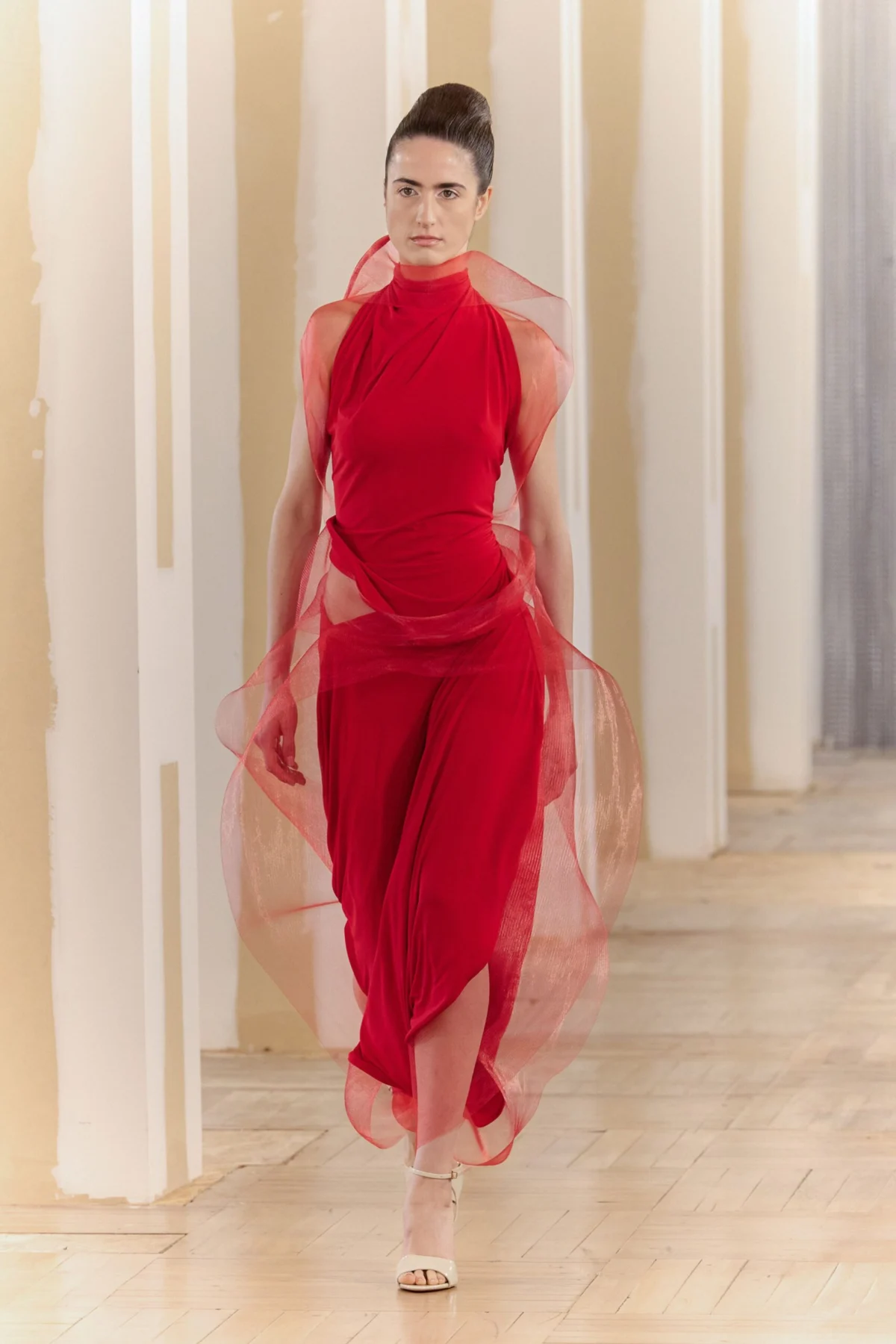
Fall 2024 marked a significant homecoming for acclaimed designer Ernesto Naranjo, who returned to the prestigious runways of Madrid Fashion Week (MBFW) after an impactful decade spent cultivating his craft abroad. His latest collection, presented to an eager audience, not only showcased a profound maturation of his aesthetic but also a deliberate expansion of his design lexicon, moving beyond his established reputation as an "event designer" to embrace versatile, buildable separates. This return is a testament to Naranjo’s enduring connection to Spanish fashion while reflecting the global experiences and artistic explorations that have shaped his trajectory since his initial participation in MBFW as a Central Saint Martins student in 2014.
Madrid Fashion Week: A Pillar of Spanish and International Fashion
Madrid Fashion Week, officially known as Mercedes-Benz Fashion Week Madrid (MBFW Madrid), stands as the premier platform for Spanish fashion design. Established in 1985, it is one of the most significant events in the international fashion calendar, playing a crucial role in showcasing established Spanish designers and nurturing emerging talent. Held biannually, MBFW Madrid attracts industry professionals, buyers, media, and fashion enthusiasts from across the globe, providing a vital stage for designers to present their latest collections and contribute to the global fashion dialogue. The event is celebrated for its blend of traditional craftsmanship and avant-garde creativity, often reflecting Spain’s rich cultural heritage alongside contemporary global trends. For designers like Naranjo, returning to this stage is not merely a presentation but a reaffirmation of their roots and a declaration of their evolving artistic vision within a supportive and influential national context. The vibrant atmosphere and strong institutional backing of MBFW Madrid provide an unparalleled opportunity for designers to reconnect with their audience and critics on home soil.
Ernesto Naranjo’s Odyssey: A Decade of Global Influence and Creative Growth
Ernesto Naranjo’s journey since his 2014 debut at MBFW has been one marked by significant professional milestones and profound personal growth. His initial appearance as a student from Central Saint Martins (CSM) already hinted at a promising career. Central Saint Martins, part of the University of the Arts London, is globally renowned as one of the world’s leading art and design institutions, a crucible for groundbreaking talent that has launched the careers of numerous fashion luminaries, including Alexander McQueen, John Galliano, and Stella McCartney. The rigorous curriculum and experimental ethos at CSM undoubtedly instilled in Naranjo a fearless approach to design and a deep understanding of garment construction and conceptual development.
Following his foundational years, Naranjo further honed his skills in the demanding and innovative environment of Maison Margiela, working directly under the iconic John Galliano. This period was pivotal. Galliano, known for his theatricality, historical references, and unparalleled craftsmanship, transformed Margiela into a house synonymous with avant-garde deconstruction and artistic expression. Naranjo’s experience there provided him with an intimate understanding of haute couture techniques, the intricate process of material manipulation, and the art of storytelling through clothing. The influence of Margiela’s experimental spirit and Galliano’s visionary leadership undoubtedly broadened Naranjo’s perspective on what fashion could be, pushing him beyond conventional boundaries and encouraging a more sculptural and conceptual approach to design.
The subsequent establishment of his own company marked a critical juncture, transitioning from a mentee to an independent creative force. This phase demanded not only artistic vision but also entrepreneurial acumen, navigating the complexities of production, branding, and market positioning. Concurrently, Naranjo embarked on a teaching career, an experience that often brings a renewed clarity and introspection to a designer’s own practice. Imparting knowledge and guiding aspiring designers can reinforce core principles while also challenging established notions, fostering a dynamic exchange that can invigorate personal creative output. This blend of high-fashion atelier experience, independent brand building, and academic engagement created a fertile ground for the evolution evident in his latest collection.
The Evolution of an Aesthetic: From Event Wear to Evolved Separates
Naranjo’s return collection explicitly addressed a perceived shift in his design philosophy, moving away from his established identity as an "event designer." As he articulated, "I always felt that I was an event designer—and I know that I am that person and I love it—but I wanted to put myself outside of the comfort zone." This statement underscores a conscious decision to broaden his appeal and demonstrate his versatility in an increasingly dynamic fashion landscape. The industry at large has witnessed a significant pivot towards modularity, sustainability, and adaptability, with consumers seeking garments that offer multifaceted utility rather than single-occasion wear. Naranjo’s embrace of "build-a-look separates" directly responds to this trend, offering pieces that can be mixed, matched, and reinterpreted to suit various contexts, thereby extending their lifecycle and enhancing their value proposition.
This strategic shift does not diminish his flair for the dramatic or his signature elegance; rather, it channels it into more adaptable forms. The collection skillfully blended his inherent theatricality with practical wearability, presenting garments that could transition seamlessly from a sophisticated daytime ensemble to an elegant evening statement. This evolution speaks to a mature understanding of contemporary consumer desires and a designer’s willingness to innovate within their own creative parameters.
Deconstructing the Collection: A Deep Dive into Innovation
Naranjo’s new collection is a masterclass in thoughtful design and material ingenuity, built upon fundamental geometric principles and a rich tapestry of cultural and artistic references.
Geometric Precision: Circular and Square Patterns as Soft Sculpture
At the core of the collection’s construction were garments cut predominantly from circular and square patterns. This approach, while seemingly simple, is highly sophisticated, drawing on historical pattern-making techniques that prioritize fabric efficiency and sculptural potential. By eschewing complex darting and seams in favor of elemental shapes, Naranjo created pieces that draped, folded, and moved with an organic fluidity, transforming into "soft sculptures" on the body. Examples included a meticulously crafted little black dress (LBD) that demonstrated unexpected volume and dimension through its construction, and a striking two-tone cape that enveloped the wearer in architectural grace. This technique not only showcased Naranjo’s technical prowess but also allowed for garments that offered comfort and freedom of movement while maintaining a strong visual presence.
Multifunctionality and Ingenuity: Redefining Garment Utility
The commitment to versatility was further exemplified by the collection’s ingenious multifunctional pieces. Tops were designed to be worn as skirts, offering a dynamic adaptability that encourages creative styling and extends the utility of each garment. This concept resonates strongly with modern consumers who prioritize investment pieces that offer multiple styling possibilities. Beyond garments, Naranjo repurposed accessories in unexpected ways, notably transforming belts into dramatic, sculptural collars. This innovative use of components not only highlighted his resourcefulness but also added an element of playful subversion, challenging traditional notions of how accessories should function.
Andalusian Echoes: Weaving Heritage into Modern Design
A particularly poignant and visually striking element of the collection was the integration of straw pom-poms. These vibrant embellishments, peeking out from the folds of a delicate pink chiffon blouse or adorning belts slung decoratively over models’ shoulders, served as a direct and beautiful homage to Naranjo’s Andalusian roots. These pom-poms bear a striking resemblance to the traditional flowers worn by flamenco dancers, imbuing the collection with a deep sense of cultural heritage and artisanal craft. Manufactured in Andalusia, these details are more than mere decoration; they are a tangible connection to the designer’s identity and the rich artistic traditions of his homeland. This thoughtful incorporation of regional craftsmanship elevates the garments, adding layers of meaning and authenticity that resonate with an appreciation for handcrafted beauty.
Artistic Dialogues: Inspirations from De la Cruz, Theobald, Gutai, and Studio 54
Naranjo’s creative influences extended far beyond fashion, drawing inspiration from a diverse array of artists and cultural movements. The works of artists Ángela de la Cruz and Gillian Theobald were cited as further-flung reference points. Ángela de la Cruz is known for her "collapsed" or "deconstructed" canvases, blurring the lines between painting and sculpture, a sensibility that aligns with Naranjo’s soft sculptures and deconstructed forms. Gillian Theobald’s textile art and abstract forms could inspire a similar focus on material, texture, and the interplay of shape.
The Gutai movement, a radical post-war Japanese art group, emphasized the relationship between spirit and material, often incorporating performance and direct engagement with materials to create art that was alive and dynamic. This philosophy translates into Naranjo’s collection through its emphasis on movement, the tactile qualities of fabrics, and the way garments interact with the body, almost performing on their own.
In stark contrast, but seamlessly integrated, was the influence of Studio 54 glam. The iconic New York nightclub of the late 1970s embodied an era of unabashed opulence, freedom, and hedonism, characterized by glittering fabrics, draped silhouettes, and a spirit of joyful excess. Naranjo translated this into draped jersey and shimmering lamé fabrics, injecting a vibrant, celebratory energy into the collection. This fusion of avant-garde art, traditional craftsmanship, and disco-era glamour demonstrates Naranjo’s ability to synthesize disparate inspirations into a cohesive and compelling narrative.
The Subtlety of Sensuality: Closures and Crinoline
Consistent with Naranjo’s established aesthetic, closures in the collection were notably minimal. The deliberate placement of a single, stray button or the delicate suggestion of a ribbon tie implied a state of undress, fostering a subtle yet potent sensuality. This approach speaks to an intimate understanding of the body and a desire to reveal rather than conceal, creating a sophisticated allure without overt displays.
The opening looks, featuring crin-framed jersey, were particularly captivating. Crinoline, historically used to give structure and volume to skirts, was reimagined by Naranjo to create silhouettes that possessed an inherent theatricality and movement. These garments seemed to "dance on their own," their structured yet fluid forms embodying a dynamic interplay between rigidity and grace. This innovative use of traditional elements highlighted Naranjo’s ability to draw from history while pushing contemporary boundaries.
Designer’s Perspective and Intent
Naranjo’s conscious decision to step outside his comfort zone reflects a mature artist’s pursuit of new challenges and an expanded creative identity. His statement regarding his evolution from primarily an "event designer" to one embracing "build-a-look separates" underscores a deliberate strategic pivot. This move is not merely a reaction to market trends but a proactive exploration of versatility, allowing his unique vision to resonate with a broader audience seeking adaptable luxury. He appears to be asserting a holistic understanding of contemporary fashion, where exceptional design marries functionality and longevity. The integration of Andalusian motifs, alongside references to international art movements, signals a designer deeply rooted in his heritage yet unconstrained by geographical or historical boundaries, aiming for a universal language of elegance and innovation.
Broader Implications for Spanish Fashion and Naranjo’s Trajectory
Ernesto Naranjo’s return to Madrid Fashion Week, marked by such an evolved and compelling collection, carries significant implications for both his personal brand and the broader Spanish fashion landscape. For Naranjo, it signifies a pivotal moment of reintroduction and redefinition. Having cultivated a global perspective through his experiences with Maison Margiela and his independent endeavors, his homecoming positions him as a bridge between Spain’s rich design heritage and the avant-garde sensibilities of international haute couture. This collection solidifies his status not just as a talented designer but as a visionary capable of adapting his artistic core to the evolving demands of the luxury market. His emphasis on separates and versatility suggests a strategic expansion into a more commercially viable yet equally creative segment, potentially broadening his client base and market reach.
For Spanish fashion, Naranjo’s presentation is a powerful affirmation of MBFW Madrid’s capacity to attract and retain top-tier talent, even those who have forged successful careers abroad. His work exemplifies the sophisticated craftsmanship and innovative spirit that Spanish designers bring to the global stage. By blending local artisanal techniques (like the Andalusian pom-poms) with international artistic references and a modern approach to garment utility, Naranjo showcases the dynamic potential of Spanish fashion to be both deeply rooted and globally relevant. This collection serves as an inspiration for emerging Spanish designers, demonstrating that a global career path can ultimately strengthen and enrich the national fashion identity. It reinforces the idea that Spanish design is not monolithic but a vibrant, evolving entity capable of diverse expressions, from high drama to everyday elegance, all while maintaining an unmistakable quality and artistic integrity. As the fashion industry continues to prioritize authenticity, versatility, and cultural depth, designers like Ernesto Naranjo are crucial in shaping its future direction, proving that true innovation often lies in the artful synthesis of tradition and forward-thinking vision.
