
 By Layla Zulfa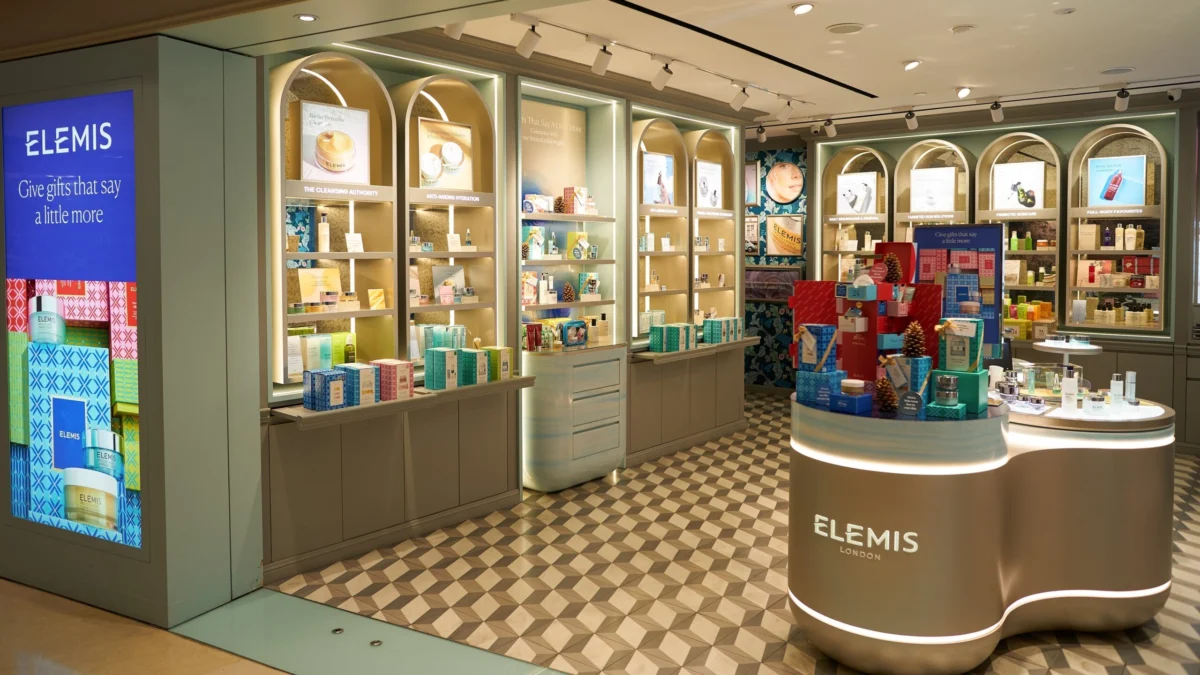
Elemis, the distinguished prestige skin and spa brand, is reportedly nearing the final stages of securing a new buyer, with ambitious plans to more than double its sales within the next five years. This strategic move, revealed through internal documents viewed by The Business of Beauty, signals a pivotal moment for the brand, currently a key asset within the L’Occitane Group, and underscores the dynamic landscape of the global beauty and wellness market. The anticipated change in ownership, coupled with such aggressive growth targets, positions Elemis as a significant player to watch in the evolving prestige skincare segment, drawing keen interest from industry observers, potential investors, and competitors alike.
The impending sale of Elemis by its current parent company, L’Occitane International S.A., represents a strategic recalibration for the diversified beauty group. L’Occitane, known for its eponymous Provencal-inspired brand, acquired Elemis in 2019 for an enterprise value of approximately $900 million (then roughly £675 million). At the time, the acquisition was hailed as a significant step for L’Occitane to expand its footprint in the rapidly growing premium skincare sector and to diversify its brand portfolio. Elemis, with its strong presence in professional spas, cruise lines, and luxury retail, offered L’Occitane immediate access to a complementary distribution network and a distinct consumer base. However, the current exploration of a sale suggests a shift in L’Occitane’s corporate strategy, potentially aimed at optimizing its portfolio, reducing debt, or unlocking shareholder value by divesting a successful but potentially non-core asset at a premium valuation in a buoyant market. Industry analysts suggest that such divestments allow parent companies to concentrate resources on their core brands or to fund new growth initiatives.
Elemis: A Legacy of Innovation and Prestige
Founded in 1990 by a team of visionary entrepreneurs including Noella Gabriel, Sean Harrington, and Oriele Frank, Elemis quickly established itself as a pioneer in the professional spa and skincare industry. From its inception, the brand’s philosophy has been rooted in combining powerful biological actives with cutting-edge technology and aromatherapy principles, creating products that deliver tangible results. Elemis’s commitment to quality, efficacy, and sensory experience has cultivated a loyal customer base and cemented its reputation as a leader in "pro-collagen" and "dynamic resurfacing" skincare.
The brand’s flagship product, the Pro-Collagen Marine Cream, launched in 2003, became an instant icon and remains a bestseller, celebrated for its anti-aging benefits and luxurious texture. This product, alongside others like the Pro-Collagen Cleansing Balm and Dynamic Resurfacing Facial Wash, forms the backbone of Elemis’s product offerings, appealing to consumers seeking premium, results-driven skincare solutions. Its extensive product range spans cleansers, toners, serums, moisturizers, masks, and body care, all formulated with a focus on natural ingredients and scientific innovation.
Elemis’s distribution strategy has been multi-faceted, contributing significantly to its global reach and brand recognition. It maintains a robust presence in luxury spas and salons worldwide, a channel that not only generates sales but also reinforces its professional heritage and expertise. Additionally, the brand has successfully expanded into high-end department stores, travel retail (duty-free shops), and increasingly, direct-to-consumer (DTC) e-commerce platforms. This diversified approach has allowed Elemis to reach consumers across various touchpoints, from professional treatments to at-home routines, enhancing its market penetration and brand visibility. The visual presence, as depicted by its counters in department stores and spas, signifies its established physical footprint globally.
The Ambitious Five-Year Growth Strategy
The target to more than double sales within the next five years signifies an aggressive growth trajectory, indicating a compound annual growth rate (CAGR) exceeding 15% year-over-year. Achieving such a goal would require a multi-pronged strategy focusing on market expansion, product innovation, and enhanced digital engagement.
Key Pillars of Future Growth:
- Geographic Expansion: While Elemis has a strong foothold in the UK, North America, and parts of Asia, there remains significant untapped potential in emerging markets and deeper penetration in existing ones. This includes strategic entry into high-growth regions like China, India, and Southeast Asia, where demand for prestige skincare is rapidly escalating. Expanding the physical retail presence, partnering with local distributors, and tailoring marketing efforts to regional preferences will be crucial.
- Digital Transformation and E-commerce Acceleration: The shift towards online shopping, accelerated by recent global events, has made e-commerce an indispensable channel. Elemis is expected to further invest in its direct-to-consumer (DTC) platforms, enhancing user experience, leveraging data analytics for personalized marketing, and expanding its digital reach through social media, influencer collaborations, and targeted online advertising. Strengthening its omnichannel capabilities, seamlessly integrating online and offline experiences, will be vital for capturing modern consumers.
- Product Innovation and Portfolio Diversification: Continuous innovation is paramount in the competitive beauty industry. Elemis will likely introduce new hero products, expand existing popular lines, and potentially venture into adjacent categories such as advanced body care, targeted treatments (e.g., specific serums for different skin concerns), or even wellness supplements that complement its skincare philosophy. Research and development into new ingredients and technologies will be a key driver for maintaining its edge and attracting new customers.
- Strengthening Professional and Spa Channels: The brand’s heritage in professional spa treatments offers a unique competitive advantage. Future growth could involve expanding its network of partner spas, developing new professional-grade treatments, and offering advanced training programs to therapists, further cementing its expert positioning and driving brand loyalty through experiential engagement.
- Travel Retail Revival: With the global recovery of international travel, the duty-free and travel retail sector presents a significant opportunity. Elemis, already a strong performer in this channel, can capitalize on increased passenger traffic by expanding its presence in airports, cruise lines, and inflight retail, offering travel-exclusive sets and promotions.
- Targeting New Demographics: While Elemis traditionally appeals to a mature demographic, there’s potential to attract younger consumers through targeted product development, digital marketing campaigns, and collaborations that resonate with a more diverse audience. This includes focusing on concerns relevant to younger consumers, such as early anti-aging, pollution protection, and sustainable practices.
Chronology of Elemis and L’Occitane’s Journey
- 1990: Elemis is founded by Noella Gabriel, Sean Harrington, and Oriele Frank, establishing its roots in professional spa treatments.
- Early 2000s: Elemis begins its expansion into luxury retail and cruise lines, building its prestige presence.
- 2003: The iconic Pro-Collagen Marine Cream is launched, becoming a global bestseller and defining product for the brand.
- 2019 (January): L’Occitane International S.A. announces the acquisition of Elemis for an enterprise value of approximately $900 million. This strategic move aims to accelerate L’Occitane’s growth in the premium skincare market and diversify its portfolio. At the time, Elemis reported annual net sales of £120 million (approx. $156 million) and demonstrated strong double-digit growth.
- 2019-2023: Under L’Occitane’s ownership, Elemis continues its growth trajectory, leveraging L’Occitane’s global infrastructure and financial backing to expand its reach, particularly in the e-commerce sector and key international markets like the US and Asia.
- 2024: Reports emerge, citing internal documents, indicating Elemis is close to finding a new buyer and targeting a doubling of sales within the next five years, signaling a potential divestment by L’Occitane.
The Broader Beauty M&A Landscape and Investor Interest
The current market for beauty and wellness brands is exceptionally robust, characterized by high valuations and intense M&A activity. Several factors contribute to this vibrant environment:
- Resilience of the Beauty Sector: Historically, the beauty industry has proven to be recession-resilient, with consumers often prioritizing self-care and personal grooming even during economic downturns. This makes beauty brands attractive assets for investors.
- Demand for Prestige and Efficacy: There is a sustained global demand for high-performance, science-backed, and ethically sourced prestige beauty products. Consumers are increasingly willing to invest in premium brands that offer tangible results and align with their values.
- Digital Transformation: The accelerated shift to e-commerce and digital marketing has created new avenues for growth and brand building, making digitally native or digitally adept brands highly desirable.
- Focus on Wellness: The convergence of beauty and wellness trends has expanded the market, with brands offering holistic solutions gaining significant traction. Elemis, with its spa heritage, fits perfectly into this wellness narrative.
- Strategic Consolidation: Large beauty conglomerates are constantly seeking to acquire innovative brands to fill portfolio gaps, gain market share, or access new demographics and technologies. Private equity firms are also active, looking to acquire brands, optimize their operations, accelerate growth, and then sell them at a higher valuation.
Recent high-profile acquisitions in the beauty sector, such as Kering’s acquisition of Creed, Estée Lauder’s full acquisition of Tom Ford Beauty, and various smaller DNVB (Digitally Native Vertical Brand) purchases by larger players, highlight the competitive nature of the market and the premium placed on strong, profitable brands with clear growth runways. Elemis, with its established brand equity, diversified distribution, and ambitious growth targets, is precisely the kind of asset that commands significant attention in this environment.
Potential Buyers and Strategic Implications
The pool of potential buyers for Elemis is likely diverse, encompassing both strategic buyers and private equity firms.
- Strategic Buyers: Global beauty conglomerates such as L’Oréal, Estée Lauder Companies, Shiseido, Unilever, Coty, or even newer entrants into the luxury space like Kering, could be interested. A strategic buyer would benefit from Elemis’s established brand, its R&D capabilities, and its complementary distribution channels, potentially integrating it into a larger portfolio to achieve synergies in manufacturing, marketing, and distribution.
- Private Equity Firms: These firms often seek to invest in companies with strong fundamentals and clear growth potential, providing capital and operational expertise to accelerate expansion before a lucrative exit. They would be attracted by Elemis’s profitability, market positioning, and the outlined five-year growth plan.
Implications for Elemis under New Ownership:
A change in ownership could inject fresh capital, new strategic direction, and potentially access to different global markets or distribution networks. While the core brand identity and product philosophy are likely to be preserved, new ownership might bring a renewed focus on specific growth areas, whether that’s aggressive digital expansion, deeper penetration in specific geographic regions, or diversification into new product categories. The challenge will be to scale the brand significantly while maintaining its prestige, efficacy, and unique spa heritage.
Implications for L’Occitane Group:
For L’Occitane, the sale of Elemis would unlock significant capital. The proceeds could be strategically deployed to reduce existing debt, fund share buyback programs, or invest heavily in its core L’Occitane en Provence brand, as well as other high-potential brands within its portfolio like Sol de Janeiro or Grown Alchemist. This divestment could allow the group to streamline its operations, sharpen its strategic focus, and potentially improve its financial health and market valuation. The market generally views such moves positively when they are part of a clear portfolio management strategy aimed at optimizing shareholder value.
Industry Analyst Perspectives:
Industry analysts are expected to view this development as a rational move for both parties. For L’Occitane, it’s an opportunity to capitalize on a successful investment and reallocate resources. For Elemis, new ownership and a clear growth mandate could provide the impetus needed to achieve its ambitious sales targets. The prestige skincare market continues to be a high-growth segment, driven by consumer demand for quality and efficacy, making Elemis an attractive proposition for any investor looking to make a significant impact in the beauty space. The successful execution of its five-year plan would solidify Elemis’s position as a global leader in prestige skincare.
In conclusion, the impending sale of Elemis, coupled with its aggressive target to double sales within five years, marks a significant development in the global beauty industry. It underscores the continued vibrancy of the prestige skincare market and the strategic maneuvering of major players like L’Occitane. The transition promises to usher in a new era of growth and innovation for Elemis, solidifying its standing as a formidable brand in the competitive landscape of luxury beauty.
