
 By admin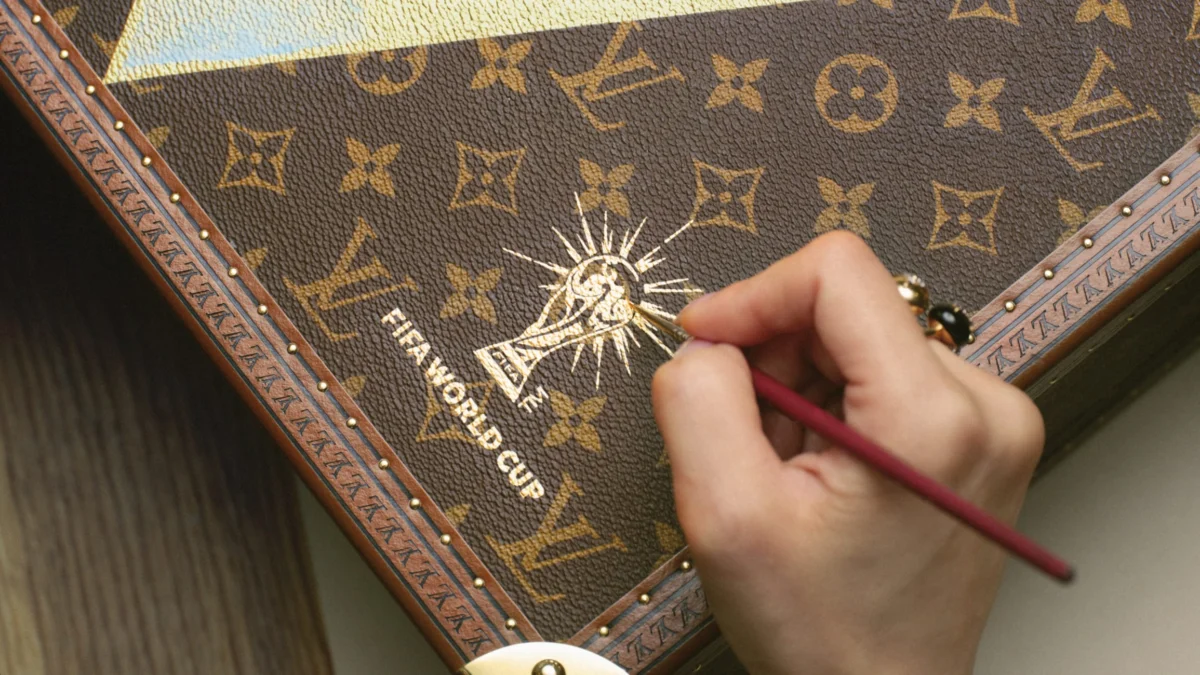
The presentation of the FIFA World Cup trophy has long been one of the most-watched moments in global broadcasting, but in recent years, the vessel carrying the gold has become as much a focal point as the prize itself. As Spain’s national team prepared to lift the iconic trophy following their hard-fought victory, the prize arrived on the pitch encased in a bespoke Louis Vuitton trunk, marking the latest chapter in a strategic alliance that has transformed sporting symbols into ultimate showcases of French craftsmanship. Since the 2010 World Cup in South Africa, Louis Vuitton and the Fédération Internationale de Football Association (FIFA) have maintained a partnership that positions the luxury house at the epicenter of the world’s most popular sport. This year, the tradition reached new heights as the trunk was presented by Louis Vuitton ambassadors Carlos Alcaraz and Hoyeon, accompanied by FIFA legends Andrés Iniesta and Mario Kempes—icons who secured World Cup glory for Spain in 2010 and Argentina in 1978, respectively.
The Evolution of the Trophy Trunk Tradition
The partnership between Louis Vuitton and FIFA is not merely a branding exercise; it is a logistical and artisanal feat that begins years before the final whistle. The 2026 World Cup trophy trunk represents the pinnacle of this collaboration. Handcrafted at the Maison’s historic workshop in Asnières-sur-Seine—the same site where the Vuitton family has produced custom orders since 1854—the trunk is a marriage of heritage and modern engineering. The exterior features the classic Monogram canvas, but with a distinct sporting twist: two front panels are hand-painted with a golden "V," a motif that serves a dual purpose by representing both "Victory" and "Vuitton."

Inside, the case is a masterclass in protective luxury. Lined in light beige leather, the interior is custom-fitted to the exact dimensions of the 18-karat gold trophy. A bespoke Louis Vuitton and FIFA partnership emblem is affixed to the inside of the lid, serving as a permanent seal of the collaboration. To mark the 2026 tournament, the Maison has expanded its commercial reach by introducing three limited-edition trunks inspired by the World Cup design. This move allows high-net-worth collectors to own a piece of sporting history, further blurring the lines between athletic achievement and luxury lifestyle.
A Chronology of Sporting Excellence
While football remains the most visible platform for Louis Vuitton’s sporting ambitions, the brand has methodically expanded its presence across the entire athletic spectrum over the last two decades. This timeline illustrates a deliberate move toward "sports entertainment" as a core pillar of the LVMH (Louis Vuitton Moët Hennessy) growth strategy:
- 2010: Louis Vuitton signs its first official partnership with FIFA for the South Africa World Cup, debuting the first trophy travel case.
- 2021: The Maison enters the world of professional basketball, designing the travel case for the Larry O’Brien Championship Trophy for the NBA.
- 2024: Louis Vuitton serves as an official "Creative Partner" for the Paris 2024 Olympic and Paralympic Games. The brand designs custom trunks for the Olympic medals and the torches, marking a historic integration of luxury into the Olympic ceremony.
- 2025: The brand formalizes its entry into motorsport through a partnership with Formula One, designing the trophy case for the Monaco Grand Prix and other major races on the global circuit.
- 2026: The partnership with FIFA is renewed and expanded for the North American World Cup, focusing on the tri-nation host format of the United States, Mexico, and Canada.
Strategic Pivot Amidst Market Volatility
The aggressive expansion into sports comes at a critical financial juncture for the luxury sector. According to recent data from the Robin Report, Louis Vuitton’s brand valuation saw a notable shift, moving from 112 billion USD in 2025 to 87.5 billion USD in 2026. While a drop in valuation often signals market cooling, analysts suggest that LVMH is leveraging sports to counteract a broader slowdown in traditional luxury retail.

By investing in FIFA and the Olympics, Louis Vuitton is tapping into a global viewership that dwarfs any fashion week audience. The 2026 World Cup is projected to reach over five billion viewers globally. For LVMH, this is not just about immediate sales; it is about long-term brand equity and "cultural capital." The strategy aims to convert casual sports fans into brand loyalists, particularly among younger demographics who may view traditional luxury as inaccessible but see sporting success as an aspirational and relatable value.
Pietro Beccari, CEO and Chairman of Louis Vuitton, has frequently emphasized that the Maison’s ambition is to remain part of the defining cultural moments of the century. By associating the brand with the "Art of Victory," Louis Vuitton positions itself as an essential participant in history rather than a mere spectator.
The Luxury Arms Race: Louis Vuitton vs. Gucci
Louis Vuitton is not alone in its pursuit of the sporting world. The year 2026 has seen a parallel evolution among other major fashion houses, most notably Kering-owned Gucci. Following a challenging period where Gucci reported a 22 percent decline in total revenue—dropping from 11.4 billion USD in 2022 to approximately 6.8 billion USD in 2025—the Italian house announced a transformative partnership with the Alpine Formula One Team.

Operating under the banner "Gucci Racing," the partnership seeks to reclaim Gucci’s status as a symbol of Italian excellence. While Louis Vuitton focuses on the "vessel" of victory through its trunks, Gucci has pivoted toward performance apparel and dressing the Alpine team. This competition highlights a fundamental shift in the industry: luxury houses are no longer content with being "fashion brands"; they are striving to become "lifestyle conglomerates" that dominate the cultural conversation through sports, music, and art.
The Ambassador Strategy: Bridging Luxury and Performance
The visual representation of Louis Vuitton at the World Cup is further bolstered by its diverse roster of global ambassadors. The choice of Carlos Alcaraz—a tennis prodigy—and Hoyeon—a South Korean actress and model—to present the trophy trunk reflects a calculated effort to bridge different industries.
The brand’s recent recruitment of Jude Bellingham, the English football star, further solidifies this connection. By placing Bellingham at the center of its campaigns, Louis Vuitton captures the "cool factor" associated with modern football culture. This "ambassador ecosystem" includes figures like Zendaya and Lisa of Blackpink, allowing the brand to maintain a presence in Hollywood, K-pop, and elite sports simultaneously. This multi-pronged approach ensures that the brand remains relevant across various cultural silos without diluting its core identity as a master trunk-maker.

Impact and Implications: The North American Frontier
The 2026 World Cup represents a unique opportunity for Louis Vuitton to strengthen its footprint in North America. As the tournament spans the United States, Mexico, and Canada, the brand is using its association with FIFA to engage with the growing American soccer market. This region is currently a primary target for LVMH, as US consumers continue to show resilience in the luxury sector compared to other global markets.
By bridging historic European craftsmanship with the high-octane energy of American sports culture, Louis Vuitton is effectively "Americanizing" its heritage in a way that feels organic rather than forced. The presence of the trophy trunk in iconic stadiums from Los Angeles to Mexico City serves as a mobile billboard for the brand’s 170-year history of travel and innovation.
Conclusion: A Legacy Enshrined in Gold
Ultimately, Louis Vuitton’s partnership with FIFA and the broader sporting world is an ode to the shared values of dedication, ambition, and excellence. The trophy trunk is more than a protective case; it is a symbol of the "traveling spirit" that has defined the Maison since its inception. As the world’s most coveted prizes continue to travel the globe, they will do so in cases that reflect the highest standards of human ingenuity.

Through these collaborations, Louis Vuitton has successfully navigated a changing economic landscape, ensuring that its Monogram remains synonymous with the greatest achievements in human history. Whether on the clay courts of Roland Garros, the asphalt of the Monaco Grand Prix, or the grass of the World Cup final, the message remains clear: victory travels in a trunk, and that trunk is inevitably Louis Vuitton.
