
 By Layla Zulfa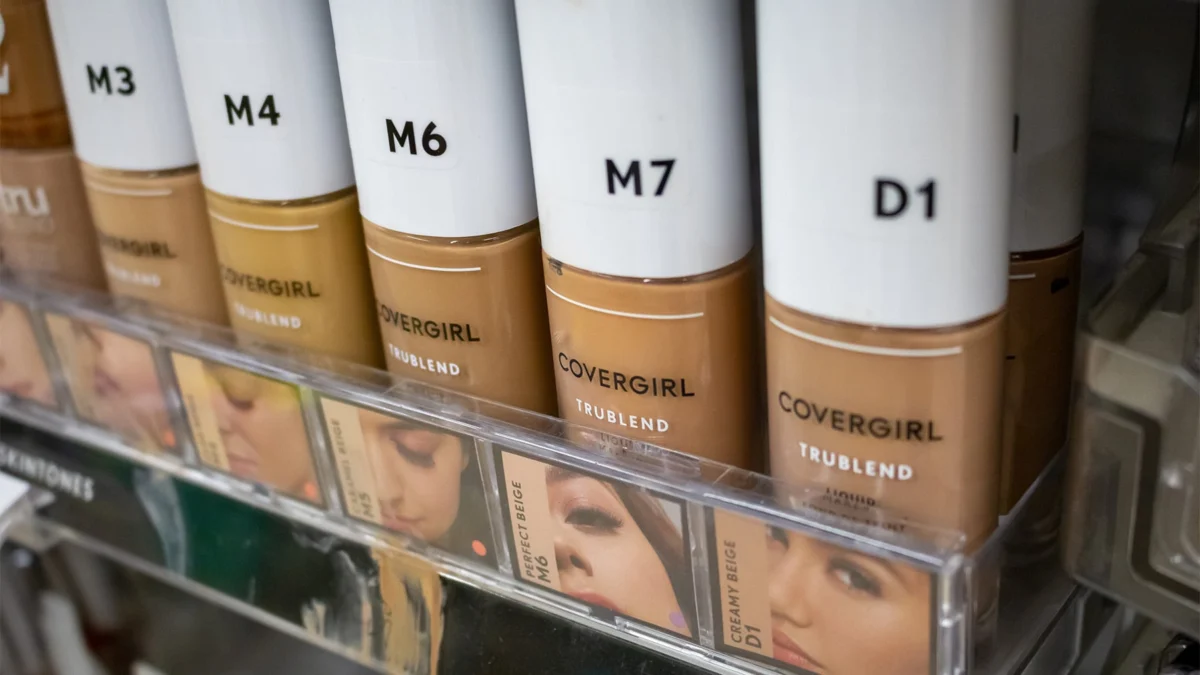
The global cosmetics giant Coty Inc. is moving forward with its plans for a potential dual listing of its Class A common stock on Euronext Paris, a significant strategic maneuver aimed at bolstering its financial flexibility, enhancing its presence within the European luxury market, and unlocking greater shareholder value. This move comes as the company continues to refine its portfolio and strengthen its leadership, evidenced by the recent appointment of Soraya Benchikh as its new Chief Financial Officer (CFO), who replaces Laurent Mercier. Simultaneously, Coty is undertaking a comprehensive review of its consumer beauty division, a process that could potentially lead to the divestiture of prominent mass-market brands such as CoverGirl and Rimmel, signaling a sharper focus on its high-growth prestige beauty segment.
The Strategic Pivot to Prestige and European Market Integration
Coty’s pursuit of a Paris stock listing is not an isolated event but a culmination of a multi-year transformation strategy spearheaded by CEO Sue Nabi. Since her appointment in 2020, Nabi has relentlessly steered Coty away from its previously sprawling, debt-laden portfolio towards a leaner, more agile enterprise centered on luxury fragrances, skincare, and high-end cosmetics. The decision to seek a listing on Euronext Paris underscores a desire to align Coty more closely with the premium valuation multiples often enjoyed by European luxury conglomerates, many of which are headquartered or deeply entrenched in France. Paris, as a global capital of luxury and fashion, offers a strategic advantage, potentially attracting a new cohort of European investors with a keen understanding of the luxury sector, thereby diversifying Coty’s shareholder base and improving its market liquidity. This dual listing could also facilitate greater access to European capital markets, providing more options for future financing and strategic investments.
A New Financial Helm: Soraya Benchikh’s Appointment
The appointment of Soraya Benchikh as the new Chief Financial Officer is a critical component of Coty’s ongoing strategic realignment. Benchikh brings a wealth of international financial expertise, having held senior leadership roles in complex global organizations. Her background, which reportedly includes extensive experience in financial planning, strategic M&A, and operational efficiency within large multinational corporations, positions her to play a pivotal role in optimizing Coty’s capital structure, managing its debt reduction initiatives, and overseeing potential divestitures. She succeeds Laurent Mercier, who had been instrumental during a challenging period of restructuring and debt management. Benchikh’s mandate will likely involve driving financial performance, ensuring fiscal discipline, and supporting the strategic growth ambitions of the company, particularly in the prestige segment and nascent skincare categories. Her appointment signals a renewed focus on leveraging financial strategy to accelerate Coty’s transformation and achieve its long-term profitability targets.
Unpacking the Consumer Beauty Division Review
The ongoing review of Coty’s consumer beauty division, which includes iconic mass-market brands like CoverGirl and Rimmel, represents a decisive step in the company’s efforts to streamline its portfolio and sharpen its strategic focus. This division, while historically significant, has faced headwinds in recent years due to intense competition from digitally native brands, shifts in consumer preferences towards clean beauty and personalized products, and the challenges of maintaining market share in a highly fragmented mass-market landscape. Potential divestitures of these brands would serve multiple strategic objectives. Firstly, it would further reduce Coty’s overall debt burden, providing additional capital to invest in its high-growth prestige brands, such as Gucci, Burberry, Chloé, and Calvin Klein fragrances, as well as its burgeoning skincare portfolio. Secondly, it would allow management to dedicate undivided attention and resources to the segments offering higher margins and greater growth potential, aligning with the company’s stated goal of becoming a "true global beauty leader" focused on prestige. The market for mass-market beauty brands remains robust, albeit competitive, suggesting that these assets could attract significant interest from private equity firms or other beauty conglomerates seeking to expand their presence in the accessible beauty segment.
Coty’s Tumultuous Past and Resilient Turnaround
To fully appreciate the significance of Coty’s current strategic moves, it is essential to revisit its recent history. For years, Coty grappled with the aftermath of its ambitious $12.5 billion acquisition of Procter & Gamble’s beauty business in 2016. This mega-deal, intended to catapult Coty into a global beauty powerhouse, instead saddled the company with immense debt, a complex and disparate brand portfolio, and significant integration challenges. The acquired brands, including CoverGirl, Rimmel, Max Factor, Clairol, and Wella, struggled to perform amidst changing consumer trends and intense competition, leading to repeated impairment charges and a substantial decline in market capitalization.
The turnaround truly began to take shape around 2019-2020. Key milestones in this chronology include:
- 2019: The company initiated a multi-year transformation program, focusing on cost efficiencies, supply chain optimization, and a strategic review of its brand portfolio.
- 2020: The most significant step was the sale of a majority stake in its professional beauty and retail hair businesses (Wella, Clairol, OPI) to private equity firm KKR for approximately $4.3 billion. This transaction was pivotal in significantly reducing Coty’s crippling debt load and allowed for a clearer focus on its remaining prestige and consumer beauty divisions.
- July 2020: The appointment of Sue Nabi as CEO marked a turning point. Nabi, a highly respected industry veteran known for revitalizing Lancôme at L’Oréal, brought a clear vision centered on prestige, skincare innovation, and digital acceleration.
- 2021-2023: Under Nabi’s leadership, Coty embarked on a robust turnaround, characterized by a renewed emphasis on product innovation, strong marketing campaigns for its prestige brands, expansion into high-growth categories like skincare, and a significant push into e-commerce and Asian markets, particularly China. The company also successfully renegotiated licensing agreements for key brands and pursued a "fixed-cost-out" program to improve profitability.
Financial Performance and Debt Reduction Milestones
Coty’s financial performance in recent quarters provides strong evidence of its successful turnaround. The company has consistently reported robust growth in its prestige segment, driven by strong demand for its luxury fragrances and the gradual expansion of its skincare offerings, notably through brands like Lancaster and Orveda, and the upcoming Skkn by Kim. For instance, in recent fiscal reports, Coty has highlighted double-digit like-for-like revenue growth, particularly in its prestige division, often outpacing the broader beauty market. E-commerce sales have also shown significant acceleration, reflecting the company’s investment in digital capabilities.
A key metric of Coty’s recovery has been its relentless focus on debt reduction. From a peak net debt of over $8 billion post-P&G acquisition, the company has managed to bring this figure down substantially, primarily through the KKR deal and consistent cash flow generation. The net debt-to-adjusted EBITDA ratio, a crucial indicator for investors, has significantly improved, moving closer to its target of 2.0x. This enhanced financial health provides Coty with greater flexibility to pursue strategic investments, potentially engage in bolt-on acquisitions in the prestige space, and return value to shareholders. The proceeds from any potential divestitures within the consumer beauty division would further accelerate this debt reduction trajectory, strengthening the balance sheet and improving financial stability.
Why Paris? The Allure of European Luxury Markets
The decision to pursue a dual listing in Paris is deeply strategic and multifaceted. Europe, particularly France, is the epicenter of the global luxury industry. Many of the world’s leading luxury conglomerates, such as LVMH, Kering, and Hermès, are listed on Euronext Paris and command premium valuations that reflect their strong brand equity, global reach, and consistent growth in high-margin luxury segments. By listing in Paris, Coty aims to:
- Attract European Luxury Investors: These investors often possess a deep understanding of the luxury business model, brand value, and long-term growth drivers, potentially leading to a re-rating of Coty’s stock.
- Enhance Visibility and Credibility: A listing in Paris elevates Coty’s profile within the European financial community and reinforces its identity as a key player in the global luxury beauty market, rather than primarily a mass-market player.
- Improve Valuation Multiples: European luxury companies typically trade at higher valuation multiples compared to their US counterparts, especially those with a strong heritage and growth trajectory. Coty, with its strong portfolio of luxury fragrances and growing skincare presence, seeks to benefit from this differential.
- Increase Liquidity: Dual listings can increase trading volume by making shares accessible to a broader base of investors across different time zones and regulatory environments.
- Strategic Alignment: With a significant portion of its prestige brands rooted in European heritage (e.g., Gucci, Burberry, Chloé, Bottega Veneta fragrances), a Paris listing strengthens its symbolic and operational ties to the continent.
Industry Reactions and Analyst Perspectives
While official statements from industry analysts on this specific announcement are pending, the general sentiment regarding Coty’s strategic direction has largely been positive. Analysts have commended CEO Sue Nabi’s leadership in orchestrating the turnaround, particularly the successful debt reduction and the pivot to prestige. The potential Paris listing is likely to be viewed favorably, as it aligns with the company’s luxury focus and could unlock significant value. Financial analysts will be closely watching the execution of the listing, the terms of any potential divestitures, and the impact of these moves on Coty’s financial ratios and shareholder returns. The appointment of a new CFO is also likely to be scrutinized for its implications on financial strategy and operational efficiency. Competitors in both the mass and prestige beauty markets will also observe Coty’s moves closely, as a more focused and financially robust Coty could intensify competition in the luxury segment.
Implications for Coty and the Global Beauty Landscape
The implications of these strategic initiatives are far-reaching for Coty and the broader beauty industry. For Coty, a successful dual listing in Paris, combined with potential divestitures, will solidify its transformation into a primarily prestige-focused beauty company with a much healthier balance sheet. This clarity of purpose and financial strength could enable Coty to pursue more aggressive growth strategies in the luxury segment, including potential acquisitions of complementary high-end brands or further investments in innovation and market expansion. The enhanced financial flexibility will also allow the company to weather economic uncertainties more effectively.
For the global beauty landscape, Coty’s moves reinforce several prevailing trends:
- Luxury Dominance: The continued outperformance of the luxury beauty segment, driven by resilient consumer demand, particularly in Asia and the Middle East, and the enduring appeal of premiumization.
- Portfolio Rationalization: Major beauty conglomerates are increasingly pruning their portfolios, shedding underperforming or non-core assets to focus on high-growth, high-margin categories. This creates opportunities for smaller players or private equity to acquire established brands.
- Strategic European Hubs: The growing importance of European financial centers, especially Paris, as a listing destination for global luxury companies, seeking to leverage the region’s investor base and industry expertise.
- Dynamic Leadership: The critical role of visionary leadership in navigating complex corporate transformations and adapting to rapidly evolving consumer and market dynamics.
The Road Ahead
As Coty moves ahead with its Paris stock listing plans, the coming months will be crucial. The company will need to navigate regulatory processes for the dual listing, and carefully execute any potential divestitures from its consumer beauty division. Soraya Benchikh’s role as CFO will be instrumental in ensuring financial discipline and strategic alignment throughout these complex processes. The market will be looking for clear communication on the timeline for the listing, the valuation expectations, and the ultimate outcome of the consumer beauty review. These strategic shifts position Coty to enter a new phase of growth and profitability, potentially cementing its status as a formidable force in the global luxury beauty market and delivering enhanced value to its diverse base of shareholders.
