
 By Layla Zulfa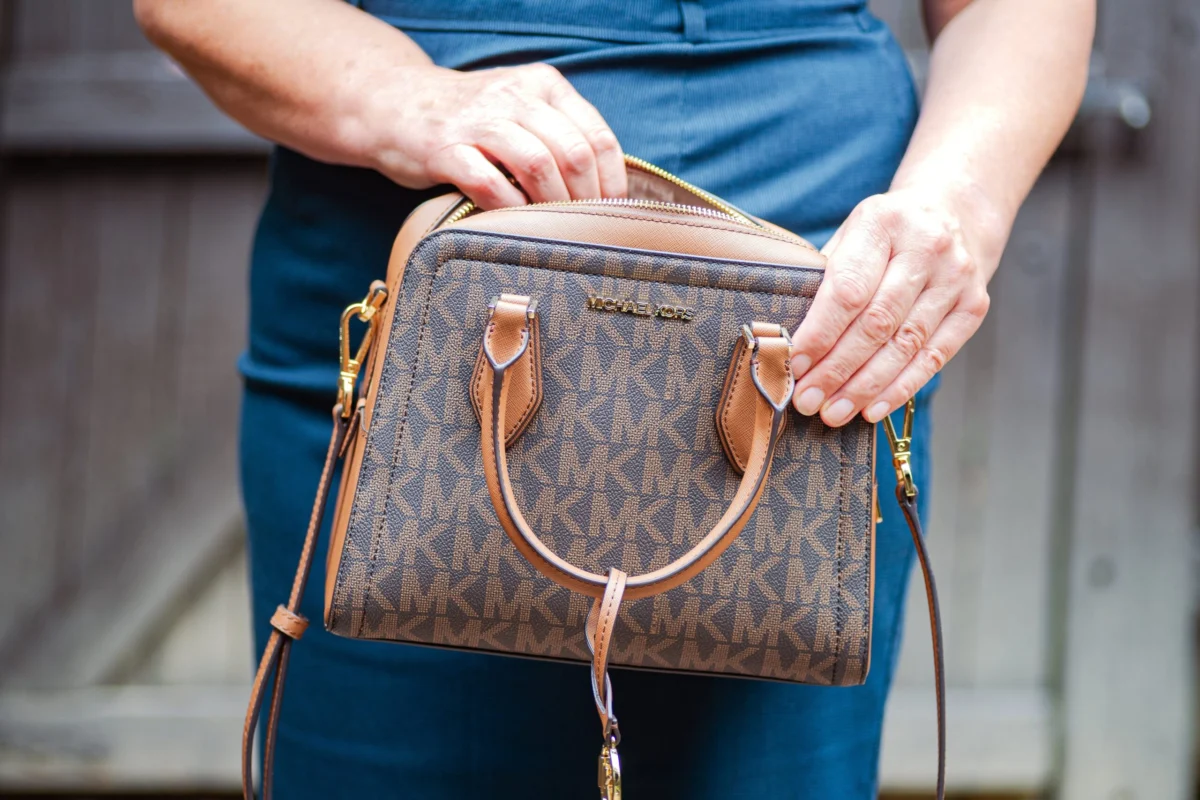
Capri Holdings, the luxury fashion conglomerate behind iconic brands Michael Kors, Versace, and Jimmy Choo, has significantly revised its annual revenue forecast downwards, citing a confluence of challenging global economic conditions. The company’s decision, announced on Wednesday, stems primarily from persistent inventory delays affecting its flagship Michael Kors brand and a noticeable softening of demand for its premium handbags and accessories across key markets, largely exacerbated by ongoing geopolitical conflict in the Middle East and widespread port congestion in Asia.
Financial Recalibration and Revised Outlook
The luxury group’s updated guidance reflects a more cautious outlook on consumer spending and operational efficiencies for the remainder of its fiscal year. Originally, Capri Holdings had projected full-year revenue in the range of $5.7 billion to $5.8 billion. The revised forecast now places this figure closer to $5.4 billion to $5.5 billion, representing a substantial reduction of approximately $300 million to $400 million. This downward adjustment immediately triggered concerns among investors, leading to a notable dip in Capri’s stock price during early trading hours following the announcement. The company indicated that the second quarter, in particular, experienced significant headwinds, with sales performance falling short of internal expectations due to the aforementioned operational and market pressures. Management acknowledged that the impact of these factors was more pronounced than initially anticipated, necessitating a comprehensive re-evaluation of its financial projections.
The Geopolitical Headwinds: Middle East Conflict
A significant contributing factor to Capri’s revised outlook is the intensifying conflict in the Middle East. While the company did not specify particular nations or the exact nature of the conflict, its broad impact on consumer sentiment and economic stability in the region and beyond has been undeniable. The escalating tensions have led to a sharp decline in discretionary spending, particularly within the luxury goods segment, as consumers prioritize essential items and maintain financial prudence amidst uncertainty. Travel and tourism, vital drivers for luxury sales, have also been adversely affected, with fewer international visitors to key shopping destinations and reduced local foot traffic in high-end retail districts across the region and in European hubs popular with Middle Eastern tourists. The psychological impact of conflict, fostering an environment of apprehension, naturally dampens enthusiasm for high-value purchases like designer handbags and accessories. This has a direct bearing on brands like Michael Kors, which have a substantial presence and appeal in these markets.
Supply Chain Disruptions: A Lingering Challenge
Beyond geopolitical concerns, Capri Holdings continues to grapple with persistent supply chain disruptions, especially congestion at major ports in Asia. These bottlenecks, a residual effect of the global pandemic and subsequent surges in demand, have created a cascade of problems. Factories in key manufacturing hubs, predominantly in China and other Asian nations, face delays in shipping raw materials and components, leading to production slowdowns. Once goods are manufactured, the sheer volume of cargo, coupled with labor shortages and logistical inefficiencies at ports, results in extended transit times. For Capri, this has translated directly into "inventory delays" for its Michael Kors brand. Products are arriving later than scheduled at distribution centers and retail outlets, missing critical selling windows and failing to meet consumer demand promptly. The delays not only impact sales velocity but also incur additional costs related to expedited shipping, storage, and inventory management, further squeezing profit margins. This challenge is not unique to Capri but reflects a broader systemic issue affecting numerous industries reliant on globalized supply chains.
Weakening Demand in Key Markets
The company also cited "weaker demand across Europe and emerging markets." This trend is multifaceted. In Europe, persistent inflation, rising energy costs, and the lingering economic uncertainties stemming from geopolitical events (including the broader impact of the conflict in Ukraine, though not explicitly mentioned by Capri, it contributes to the general European economic climate) have eroded consumer purchasing power and confidence. Households are tightening their belts, leading to a noticeable shift away from non-essential luxury items. Discretionary spending, which fuels the luxury sector, has been curtailed as consumers allocate more of their budgets to necessities.
Emerging markets, often seen as growth engines for luxury brands, are also experiencing a slowdown. Economic instability, currency fluctuations, and localized inflation pressures have similarly impacted consumer sentiment. While the aspiration for luxury goods remains, the immediate financial capacity and willingness to spend have diminished. This broad-based softening of demand in crucial geographical segments presents a significant hurdle for Capri Holdings, whose brands cater to a diverse global clientele.
Capri Holdings: A Portfolio Under Pressure
Capri Holdings operates a diversified portfolio of luxury brands. Michael Kors, its largest and most accessible luxury brand, generates a significant portion of the company’s revenue. Known for its ready-to-wear apparel, accessories, and footwear, Michael Kors has traditionally appealed to a broad demographic. Versace, acquired in 2018, represents the pinnacle of Italian glamour and haute couture, while Jimmy Choo, acquired in 2017, is renowned for its high-end shoes and accessories. The strategy behind these acquisitions was to build a powerful luxury group capable of competing with European giants.
While Versace and Jimmy Choo generally cater to a higher-end segment less susceptible to minor economic fluctuations, Michael Kors, with its wider market appeal, is more vulnerable to shifts in middle-to-upper-income consumer spending. The current challenges disproportionately affect Michael Kors, as evidenced by the specific mention of "inventory delays at its key Michael Kors brand." This indicates that while the other brands may also feel some pressure, the volume and market positioning of Michael Kors make it the primary concern in the current environment.
Industry-Wide Ramifications and Analyst Perspectives
Capri Holdings’ revised forecast is not an isolated incident but rather indicative of broader trends impacting the global luxury fashion industry. Many luxury houses have been navigating a post-pandemic landscape characterized by volatile consumer behavior, inflationary pressures, and complex supply chain dynamics. While some ultra-luxury segments have shown resilience, accessible luxury brands, like Michael Kors, are often the first to feel the pinch when economic headwinds intensify.
Market analysts have reacted with caution. Several investment banks have revised their price targets for Capri Holdings, with some downgrading their recommendations. "Capri’s announcement underscores the increasing fragility of the luxury market, particularly for brands with a broader appeal," noted one analyst from a major financial institution. "The combination of geopolitical risk, supply chain inefficiencies, and waning consumer confidence creates a perfect storm. The challenge for Capri will be to optimize inventory, streamline logistics, and maintain brand desirability in an increasingly competitive and uncertain landscape."
Another analyst pointed out the long-term implications: "While the immediate impact is on revenue, sustained inventory issues and reduced demand can lead to promotional activities, which risk diluting brand equity. Capri needs to strike a delicate balance between clearing excess stock and protecting the premium positioning of its brands."
A Chronology of Challenges
The current predicament for Capri Holdings can be traced through a series of escalating global challenges:
- Early 2020s: Initial post-pandemic recovery saw a surge in luxury demand, driven by pent-up consumer spending and a shift towards online retail. However, this period also introduced significant stress on global supply chains, leading to initial port congestion.
- Late 2022 – Early 2023: Inflationary pressures began to mount globally, impacting consumer purchasing power in Europe and emerging markets. Energy crises in Europe further exacerbated economic uncertainties.
- Mid-2023: Reports of persistent port congestion in key Asian manufacturing hubs became more frequent, signaling ongoing logistical bottlenecks for companies reliant on global production.
- Late 2023 – Early 2024: Geopolitical tensions in the Middle East significantly escalated, leading to widespread concerns about regional stability, economic disruption, and reduced consumer confidence. This directly began to impact tourism and discretionary spending in affected areas and ripple outwards.
- Q2 Fiscal Year (leading up to Wednesday’s announcement): Capri Holdings experienced the cumulative effect of these factors, resulting in inventory delays for Michael Kors and a tangible drop in demand across critical markets, prompting the necessity to revise its annual revenue forecast.
Strategic Responses and Future Outlook
In response to these formidable challenges, Capri Holdings is expected to implement several strategic measures. Optimizing inventory levels will be paramount, likely involving a more agile and responsive supply chain strategy to mitigate future delays. This could include diversifying manufacturing locations, strengthening relationships with logistics partners, and investing in advanced inventory management systems.
On the demand side, the company will likely focus on enhancing brand desirability through targeted marketing campaigns, innovative product launches, and an emphasis on timeless design to attract discerning consumers even in a constrained spending environment. Michael Kors, in particular, may need to reinforce its value proposition while maintaining its premium appeal. For Versace and Jimmy Choo, the focus will remain on exclusivity and high-craftsmanship to appeal to the ultra-luxury segment that typically demonstrates greater resilience.
Furthermore, Capri Holdings may explore opportunities in markets that show greater economic stability or growth potential, while carefully managing its exposure to regions significantly impacted by geopolitical strife and economic downturns. Cost control measures and operational efficiencies across all brands will also be crucial to preserve profitability amidst reduced revenue projections.
The revised forecast by Capri Holdings serves as a stark reminder of the interconnectedness of the global economy. Geopolitical events, logistical complexities, and shifts in consumer confidence in one part of the world can have profound and immediate repercussions for multinational corporations. As the luxury sector navigates these turbulent waters, adaptability, strategic foresight, and robust risk management will be essential for sustained success. The company’s ability to effectively manage these multifaceted headwinds in the coming quarters will be closely watched by investors and industry observers alike.
