
 By Layla Zulfa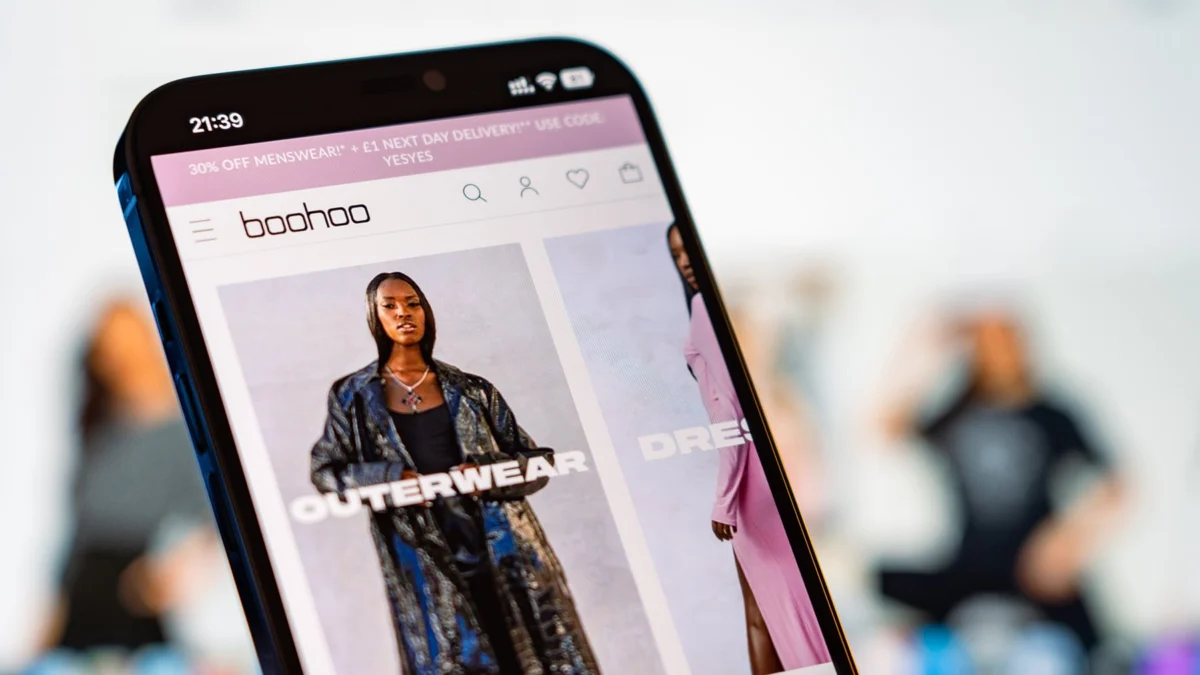
The Debenhams-owned fast-fashion brand, Boohoo, is facing intense scrutiny following revelations that nearly half of its examined promotions were, in fact, price increases, not genuine discounts. This concerning practice, often referred to as "phantom discounting," has drawn the attention of consumer watchdogs and raised serious questions about the transparency and legality of the brand’s promotional strategies. Furthermore, the investigation uncovered instances where Boohoo allegedly used terms like ‘leather’ to market and sell products made from synthetic materials, directly misleading consumers about the composition and quality of their purchases. These findings emerge as Boohoo, through its acquisition of the Debenhams brand, continues its efforts to revitalize sales in a challenging post-pandemic retail landscape, grappling with shifting consumer behaviors and heightened competition.
Detailed Allegations: Misleading Pricing Practices
The core of the pricing allegations centers on the practice of creating an artificial ‘original’ price for an item, only to then present it as a discounted price, even if the item had never been sold at the higher initial price or had been sold at the "discounted" price for an extended period. This deceptive tactic can lead consumers to believe they are securing a significant bargain when, in reality, they are paying the standard price or even a higher price than previously offered. The investigation found that in a substantial portion of promotional campaigns analyzed, the advertised ‘sale’ price was either equivalent to or higher than the item’s previous selling price, effectively negating any genuine discount. This practice contravenes consumer protection laws designed to ensure fair trading and accurate representation of prices. In the United Kingdom, for instance, the Consumer Protection from Unfair Trading Regulations 2008 prohibit misleading actions and omissions, including those related to pricing. Regulators like the Competition and Markets Authority (CMA) have previously issued guidance and taken action against companies found to be engaging in such misleading practices, emphasizing that "was" prices must be genuine and reflect a price at which the product was actually available for sale for a reasonable period. The economic impact on consumers, particularly during periods of high inflation and cost of living pressures, cannot be overstated, as they are actively seeking genuine value and are vulnerable to such sophisticated pricing manipulations.
Misrepresentation of Materials: The ‘Leather’ Deception
Adding to the ethical and legal concerns, Boohoo is also accused of mislabeling products by using the term ‘leather’ to describe items made from synthetic materials. This misrepresentation is not merely a minor oversight but a significant breach of trust and a potential violation of advertising standards and trade descriptions legislation. For many consumers, the material composition of a product is a critical factor in their purchasing decision, influencing perceptions of quality, durability, ethical sourcing, and environmental impact. Genuine leather commands a higher price point due to its natural origin, specific characteristics, and often, the associated production processes. Synthetic alternatives, while increasingly sophisticated, are typically marketed differently and priced accordingly. The deliberate mislabeling of synthetic products as ‘leather’ can mislead consumers into paying a premium for an item that does not possess the qualities they expect, or worse, may violate personal ethical stances, such as those of vegan consumers who actively seek non-animal products. The Advertising Standards Authority (ASA) in the UK, for example, strictly enforces rules around factual accuracy in advertising, including material descriptions, to ensure consumers are not misled. Beyond the immediate financial implications for consumers, such practices can erode public trust in brand claims across the fashion industry, making it harder for reputable brands to communicate their genuine product attributes effectively.
Background Context: Boohoo Group’s Rapid Rise and Recent Challenges
Boohoo Group PLC has been a dominant force in the online fast-fashion market, known for its aggressive pricing, rapid trend-to-market strategy, and extensive digital marketing. Its business model, heavily reliant on a continuous cycle of new collections and frequent promotions, propelled significant growth, particularly during the COVID-19 pandemic when brick-and-mortar retail faced severe restrictions and online shopping surged. The acquisition of the Debenhams brand and website in January 2021, following the department store’s collapse, marked a strategic move by Boohoo to diversify its portfolio and capture a broader customer base, leveraging the heritage and brand recognition of Debenhams in an online-only format. The deal, reportedly worth £55 million, allowed Boohoo to integrate Debenhams into its multi-brand platform, aiming to revive the struggling retailer as a digital-first department store.
However, the post-pandemic landscape has presented new challenges for Boohoo and the wider fast-fashion sector. The initial boom in online sales has normalized, and consumers are increasingly scrutinizing the ethical and environmental credentials of fashion brands. Supply chain disruptions, rising operational costs, and inflationary pressures have squeezed profit margins. Moreover, Boohoo itself has faced previous controversies, including allegations of poor labor practices in its Leicester supply chain in 2020, which led to significant damage to its reputation and prompted an independent review and a commitment to reform. These past issues highlight a pattern of scrutiny regarding the group’s operational and ethical standards, making the current allegations around pricing and product description particularly damaging.
Regulatory Scrutiny and Consumer Protection Landscape
The allegations against Boohoo fall squarely within the purview of several regulatory bodies tasked with upholding consumer rights and fair trading practices. In the UK, the Competition and Markets Authority (CMA) has a mandate to promote competition for the benefit of consumers and to ensure businesses comply with competition law. Their work often involves tackling misleading pricing practices across various sectors. Similarly, local Trading Standards departments play a crucial role in investigating breaches of consumer protection legislation, including misdescriptions of goods. The Advertising Standards Authority (ASA) is the independent regulator of advertising across all media in the UK, responsible for ensuring ads are legal, decent, honest, and truthful.
These bodies have the power to launch formal investigations, issue enforcement notices, demand corrective action, and impose significant financial penalties on companies found to be in breach of regulations. The increasing focus on digital commerce means that online retailers are under just as much, if not more, scrutiny than traditional brick-and-mortar stores. The long-term implications of non-compliance can extend beyond fines, impacting a company’s ability to trade, damaging brand equity, and leading to a loss of consumer confidence that can take years to rebuild. The collective efforts of these regulatory bodies underscore a commitment to protecting consumers from exploitation and ensuring a level playing field for businesses that adhere to ethical marketing and pricing standards.
Timeline of Events and Scrutiny (Inferred)
While specific dates for the current investigation are not publicly detailed in the provided snippet, a plausible timeline of events leading to such revelations typically unfolds as follows:
- Late 2023 – Early 2024: Consumer advocacy groups or regulatory bodies initiate preliminary monitoring or receive complaints regarding Boohoo’s promotional activities and product descriptions. This often involves automated web scraping and manual verification of pricing histories and product listings.
- Mid-2024: A formal investigation is likely launched by a relevant regulatory body (e.g., Trading Standards, CMA, or ASA) following preliminary findings that indicate a pattern of potentially misleading practices. This stage involves detailed data collection, analysis of promotional campaigns over a specified period, and examination of product specifications.
- Late 2024: Initial findings confirm a significant proportion of "price increases disguised as promotions" and instances of material misrepresentation. The regulatory body would typically engage in a dialogue with Boohoo Group, presenting the evidence and requesting a response or remedial actions.
- Early 2025: The regulatory body makes a public announcement of its findings or concerns, potentially issuing a warning or stating its intention to pursue further enforcement action if the company fails to address the issues. This public disclosure often sparks media attention and broader discussion.
- Ongoing: Boohoo Group would then be expected to undertake an internal review, adjust its pricing and marketing strategies, and implement measures to ensure future compliance. The outcome could range from formal warnings and commitments to change, to significant fines and mandated redress for affected consumers, depending on the severity and persistence of the breaches.
Statements and Reactions (Inferred)
While no official statements are provided, based on typical responses in such situations, the following could be inferred:
From Boohoo Group/Debenhams: A statement would likely acknowledge the findings of the investigation and emphasize the company’s commitment to customer satisfaction and transparency. It might highlight the complexity of managing a vast product catalog and numerous promotional campaigns, stating that "we are taking these findings seriously and are working closely with relevant authorities to review our pricing and product description practices. We are implementing robust internal audits and enhanced training for our teams to ensure full compliance with consumer protection regulations and uphold the trust our customers place in us." The statement might also reiterate the brand’s dedication to offering affordable fashion while ensuring accuracy in its marketing.
From a Regulatory Body (e.g., CMA or Trading Standards): A spokesperson might issue a statement underscoring the importance of fair trading and accurate information for consumers. "Our priority is to ensure that consumers are not misled by promotional offers or product descriptions. Businesses have a clear responsibility to ensure their pricing claims are genuine and that product information, such as material composition, is accurate. We will continue to monitor the market closely and take action against any company found to be in breach of consumer protection laws, ensuring a level playing field for businesses and fair deals for shoppers."
From a Consumer Advocacy Group: A representative might express significant concern over the allegations, emphasizing the impact on consumer trust and purchasing power. "These revelations are deeply troubling. At a time when households are struggling with rising costs, deceptive pricing practices that trick consumers into thinking they’re getting a deal when they’re not are unacceptable. Furthermore, misrepresenting product materials is a direct breach of trust and can have ethical implications for many shoppers. We urge regulators to take strong enforcement action and call on all retailers to prioritize transparency and honesty in their dealings with customers."
From an Industry Analyst: An expert might comment on the broader challenges facing fast fashion and the increasing need for ethical conduct. "The fast-fashion business model relies heavily on rapid cycles and aggressive promotions. However, these allegations highlight the risks of pushing boundaries too far. In an increasingly competitive and scrutinized market, consumer trust is paramount. Brands that fail to uphold basic standards of honesty in pricing and product description will face significant reputational damage, potential regulatory fines, and ultimately, a loss of market share to more transparent competitors. This also underscores the ongoing debate around sustainability and ethical sourcing, where material misrepresentation can easily be seen as ‘greenwashing’ or a lack of commitment to responsible practices."
Broader Impact and Implications
The implications of these allegations extend far beyond the immediate financial penalties or reputational damage to Boohoo.
Erosion of Consumer Trust: Perhaps the most significant long-term consequence is the erosion of consumer trust. When shoppers discover that promotions are misleading or product descriptions are inaccurate, their faith in the brand, and potentially in online retail generally, diminishes. This loss of trust can lead to reduced customer loyalty, a decline in repeat purchases, and negative word-of-mouth, which can be incredibly difficult to counteract.
Brand Reputation and Value: For Boohoo and the Debenhams brand, these revelations compound previous concerns regarding ethical practices. A brand built on affordability and accessibility risks losing its appeal if its integrity is questioned. The association with deceptive practices can significantly devalue the brand, making it less attractive to consumers, investors, and potential business partners.
Financial Repercussions: Beyond potential fines from regulatory bodies, Boohoo could face a decline in sales as consumers opt for more transparent retailers. There might also be legal costs associated with defending against regulatory action or potential class-action lawsuits from disgruntled customers. Furthermore, the cost of implementing new compliance measures, training staff, and re-auditing product descriptions and pricing algorithms can be substantial.
Industry-Wide Scrutiny: These findings are likely to intensify scrutiny across the entire fast-fashion sector and broader online retail landscape. Regulators may increase their monitoring of promotional activities and product labeling, prompting other retailers to proactively review their own practices to avoid similar allegations. This could lead to a positive shift towards greater transparency and more ethical marketing across the industry.
Sustainability and Ethical Fashion Debates: The misrepresentation of materials, particularly regarding ‘leather’ versus synthetics, feeds directly into the ongoing discussions about sustainability, ethical sourcing, and ‘greenwashing’ in the fashion industry. Consumers are increasingly demanding transparency about where their clothes come from and what they are made of. Brands that are found to be misleading in this regard risk alienating a growing segment of environmentally and ethically conscious consumers. It reinforces the challenge for consumers to make informed choices when material claims cannot be trusted.
Conclusion
The allegations against Boohoo, encompassing both misleading promotional pricing and the misrepresentation of product materials, highlight critical vulnerabilities in consumer protection within the online retail space. As Boohoo-owned Debenhams strives to revitalize its market presence post-pandemic, these findings present a significant obstacle, demanding a robust and transparent response from the company. The regulatory bodies’ continued vigilance underscores the imperative for all businesses to adhere strictly to fair trading practices and accurate advertising standards. Ultimately, the long-term success of any brand, especially in the highly competitive and rapidly evolving fashion industry, hinges on maintaining consumer trust through honesty, integrity, and a steadfast commitment to ethical business practices. The outcome of this scrutiny will undoubtedly set a precedent for how consumer protection is enforced in the digital age and could catalyze a broader re-evaluation of marketing and pricing strategies across the online retail sector.
