
 By Layla Zulfa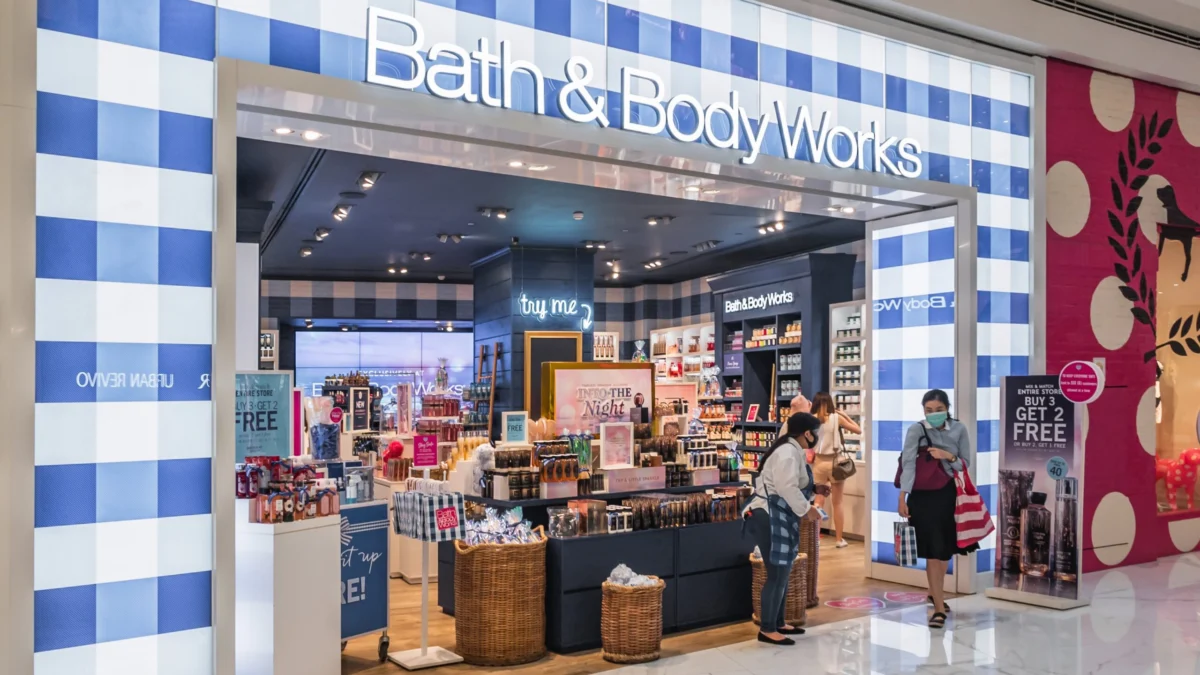
Bath & Body Works, the prominent U.S. fragrance and personal care retailer, significantly uplifted its full-year profit forecast on Wednesday, simultaneously surpassing analyst expectations for its second-quarter financial results. This positive trajectory is largely attributed to an impressive surge in demand for its diverse portfolio of body care products and home fragrances channeled through its digital platforms, effectively offsetting a noticeable decline in physical store traffic. The company’s strategic pivot and continued investment in its online presence have proven instrumental in navigating a dynamic retail landscape, underscoring the resilience of its brand and product appeal, particularly among younger consumers seeking accessible indulgences.
Navigating a Shifting Retail Landscape: Q2 Triumphs and Strategic Adaptations
The second quarter, ending July 29, 2023, saw Bath & Body Works report net sales of approximately $1.56 billion, a figure that, while experiencing a slight year-over-year dip of 3.8% from $1.62 billion in the comparable period last year, comfortably exceeded the average analyst estimate of $1.54 billion. More critically, the company’s diluted earnings per share (EPS) registered at $0.40, outperforming the consensus estimate of $0.34 and signaling efficient cost management alongside strong sales performance in key channels. This financial outperformance stands in stark contrast to broader retail trends, where many brick-and-mortar establishments continue to grapple with inflationary pressures and shifting consumer behaviors.
The core of this success lies in the sustained robust demand for its signature categories: luxurious body care, an expansive array of home fragrances including candles and wallflowers, and its popular line of soaps and sanitizers. While the overall sales figure might suggest a slight contraction, the underlying strength in profitability and the strategic channel shift paint a picture of operational agility. Management highlighted that the effective management of inventory, coupled with disciplined promotional strategies, contributed to healthier gross margins, further bolstering the bottom line despite a challenging macroeconomic environment characterized by cautious consumer spending.
The Digital Renaissance: Fueling Growth Amidst E-commerce Evolution
The stellar performance of Bath & Body Works’ digital channels emerged as the principal catalyst for its elevated financial outlook. In an era where e-commerce has transitioned from an alternative to a primary shopping avenue for many, the company’s digital sales experienced a double-digit percentage increase during the second quarter, substantially mitigating the impact of reduced foot traffic in its physical stores. This growth is not merely incidental but a direct outcome of deliberate strategic investments in its online infrastructure, mobile application, and digital marketing capabilities over recent years.
The company has meticulously optimized its website for user experience, ensuring seamless navigation, personalized product recommendations, and efficient checkout processes. Its mobile app has become a critical touchpoint, offering exclusive deals, early access to new collections, and a streamlined shopping experience that caters to the always-on consumer. Furthermore, targeted digital advertising campaigns across various social media platforms and search engines have effectively reached its core demographic, particularly younger consumers who are highly engaged online. These digital initiatives have not only driven transactional volume but also served as powerful brand-building tools, fostering a strong online community and enhancing customer loyalty through interactive content and timely promotions. The "click-and-collect" or "buy online, pick up in store" (BOPIS) options also played a hybrid role, leveraging the physical store network to support online convenience, bridging the gap between digital discovery and immediate gratification.
The Enduring Allure of "Affordable Indulgences"
A significant factor contributing to Bath & Body Works’ sustained demand, especially among younger demographics, is the intrinsic appeal of its products as "small, affordable indulgences." In times of economic uncertainty or general stress, consumers often seek comfort and self-care items that offer a sense of luxury without a prohibitive price tag. This phenomenon, sometimes referred to as the "lipstick effect" in broader beauty retail, manifests strongly in the fragrance and personal care sectors. A beautifully scented candle, a luxurious body lotion, or an invigorating shower gel provides an accessible moment of escape and pampering.
Younger consumers, including Gen Z and younger Millennials, are particularly attuned to trends emphasizing wellness, self-care, and creating comforting home environments. Bath & Body Works’ product lines, with their vibrant packaging, diverse scent profiles, and frequent new introductions, resonate deeply with these values. The relatively low price point for many items allows these consumers to experiment with new scents, refresh their personal care routines, and enhance their living spaces without significant financial commitment. This strategy ensures a broad appeal, maintaining relevance across various income brackets and consumer preferences. The brand’s ability to consistently introduce seasonal collections and limited-edition scents also creates a sense of urgency and novelty, driving repeat purchases and excitement among its loyal customer base.
Revised Full-Year Outlook and Market Confidence
Following the robust second-quarter performance, Bath & Body Works has expressed increased confidence in its financial trajectory for the entire fiscal year. The company raised its full-year adjusted earnings per share (EPS) forecast to a range of $2.80 to $3.20, up from the previous guidance of $2.70 to $3.10. This revised outlook signals management’s optimistic assessment of ongoing digital momentum, effective inventory management, and sustained consumer demand for its product categories. While the revised net sales forecast anticipates a slight decline of 2.5% to 4.0% compared to the prior year, reaching approximately $7.3 billion to $7.4 billion, the improvement in profitability metrics underscores a focus on margin expansion and operational efficiency.
Financial analysts largely reacted positively to the revised forecast, interpreting it as a strong indicator of the company’s strategic effectiveness and brand resilience. Several leading investment firms reiterated their "buy" or "outperform" ratings, with revised price targets reflecting the updated earnings guidance. The market’s reaction saw Bath & Body Works shares experience a notable uptick in trading following the announcement, reflecting investor confidence in the company’s ability to navigate current economic headwinds and deliver consistent shareholder value.
Official Statements and Executive Perspectives
During the earnings call, Bath & Body Works CEO, Gina Boswell, underscored the company’s satisfaction with the second-quarter results and the strength of its digital performance. "Our second-quarter results demonstrate the power of our brand and the successful execution of our strategic initiatives, particularly our intensified focus on digital engagement," Boswell stated. "We are thrilled to see continued strong demand across our body care and home fragrance categories, which resonate deeply with our customers who seek moments of joy and self-care. Our investments in e-commerce, mobile capabilities, and personalized marketing are clearly yielding positive returns, allowing us to connect with our customers wherever they choose to shop."
Chief Financial Officer, Wendy Arlin, added, "Our disciplined approach to inventory management and our ability to optimize promotional strategies have been key drivers in expanding our gross margins, even in a competitive retail environment. The revised full-year outlook reflects our confidence in our operational efficiencies and our ability to drive profitable growth through a balanced channel strategy. We are committed to continuing to deliver value to our shareholders through prudent financial management and strategic investments that enhance our long-term market position."
Analyst opinions echoed this positive sentiment. "Bath & Body Works has demonstrated remarkable agility in adapting to evolving consumer shopping preferences," commented Sarah Jenkins, a senior retail analyst at Zenith Financial Group. "Their robust digital growth is not just a temporary spike but a testament to sustained investment and a deep understanding of their customer base. While brick-and-mortar challenges persist across the industry, their ability to leverage e-commerce effectively positions them favorably for continued market leadership in the specialty fragrance segment."
Broader Market Implications and Future Outlook
The success story of Bath & Body Works carries significant implications for the broader retail sector, particularly for specialty retailers. It underscores the critical importance of a robust omnichannel strategy, where digital channels are not merely supplementary but integral to sales growth and customer engagement. Companies that fail to invest adequately in their e-commerce platforms, mobile experiences, and data-driven marketing risk being left behind in an increasingly digital-first consumer landscape.
Furthermore, Bath & Body Works’ performance highlights the enduring strength of categories like personal care and home goods, especially when positioned as accessible luxuries. Even during periods of economic constraint, consumers are often willing to allocate discretionary spending towards items that enhance personal well-being and home comfort. This suggests a certain inelasticity of demand for these categories, provided the brand maintains product quality, innovation, and an emotional connection with its audience.
Looking ahead, Bath & Body Works is likely to continue its strategic investments in technology, supply chain optimization, and product innovation. Potential areas for future growth include further international expansion, exploring new product adjacencies within the wellness space, and leveraging artificial intelligence for even more personalized customer experiences. However, the company will also need to remain vigilant against potential headwinds such as persistent inflationary pressures on input costs, intensifying competition from emerging direct-to-consumer (DTC) brands, and the ongoing need to refresh its physical store fleet to ensure they remain experiential destinations rather than mere transactional points.
In conclusion, Bath & Body Works’ latest financial results present a compelling narrative of a heritage brand successfully navigating modern retail complexities. By adeptly leveraging digital channels and capitalizing on the timeless appeal of "affordable indulgences," the company has not only exceeded financial expectations but also set a benchmark for adaptability and strategic foresight in the dynamic world of specialty retail. Its continued evolution will undoubtedly be closely watched by industry observers and investors alike.
