
 By admin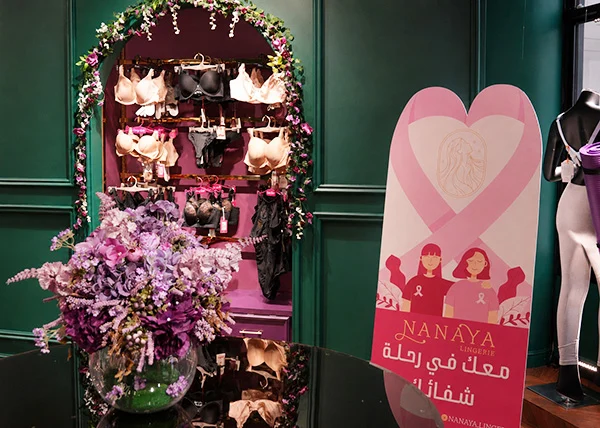
The retail landscape in the Kingdom of Saudi Arabia is undergoing a profound transformation, driven by economic diversification and a significant shift in the role of women within the professional and public spheres. At the forefront of this evolution is Nada Kadasa, an architect-turned-entrepreneur who has launched Nanaya, the nation’s first boutique dedicated to professional bra fitting and specialized post-mastectomy care. By addressing a long-overlooked gap in the Middle Eastern market, Nanaya is moving beyond traditional retail to provide essential health-oriented services, challenging cultural taboos and setting a new standard for women’s wellness in the region.
The Catalyst for Change: A Seventeen-Year Journey
The inception of Nanaya can be traced back to 2009, a time when the retail experience for women in Saudi Arabia was vastly different from today. For Nada Kadasa, then a university student, the struggle to find intimate apparel that accommodated her 34HH size was a source of constant frustration. Like many women with fuller busts, Kadasa had spent years operating under the misconception that her body was the problem, rather than the limited inventory provided by local retailers.
The turning point occurred during a visit to the United Kingdom, where Kadasa visited Bravissimo, a retailer specializing in larger cup sizes. The experience of receiving a professional fitting—a service then virtually non-existent in her home country—was transformative. Kadasa recounts that the realization that she had simply been wearing the wrong size for years was emotional enough to bring her to tears. This moment of clarity served as the foundation for what would eventually become Nanaya.
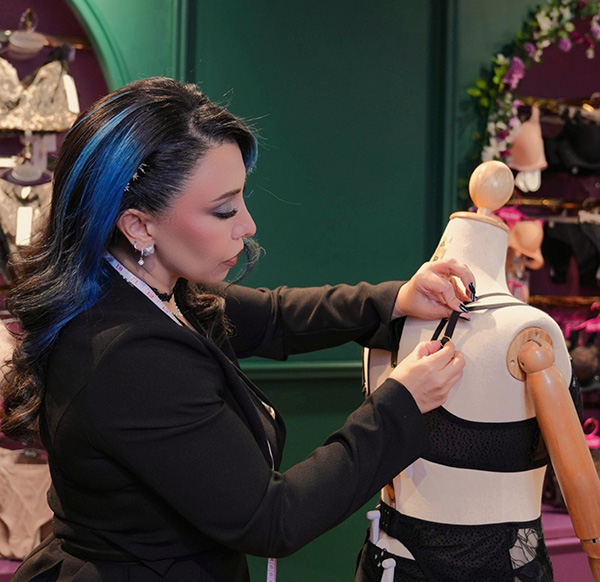
For over a decade, Kadasa pursued a successful career in architecture and real estate management, overseeing projects across seven countries and three continents. However, the lack of progress in the Saudi lingerie market remained a point of contention. Retail operations continued to be largely managed by male executives who, according to Kadasa, lacked a fundamental understanding of the physical and psychological requirements of the female customer. On January 1, 2024, Kadasa officially registered Nanaya, pivoting from designing buildings to designing a specialized retail ecosystem.
Architectural Precision in the Retail Environment
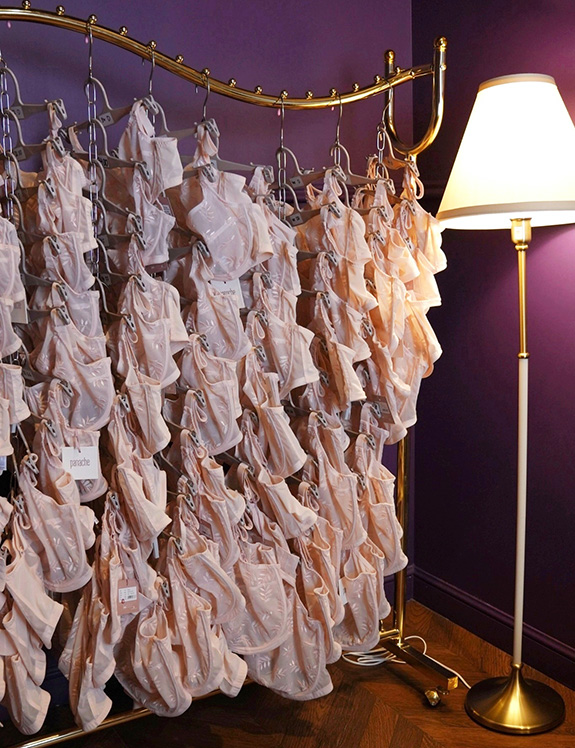
Kadasa’s background in architecture is not merely a biographical detail; it is the structural backbone of Nanaya’s business model. Her experience in real estate taught her that the physical environment dictates the emotional response of the occupant. In designing the Nanaya boutique, she eschewed the sterile, pale minimalism common in modern retail in favor of a "maximalist" interior designed to feel warm, intimate, and secure.

The layout of the store is a calculated response to the specific cultural and privacy needs of Saudi women. Utilizing her architectural expertise, Kadasa implemented two full layers of separation for the fitting areas. In a move that prioritizes the comfort of the female clientele, men are strictly prohibited from entering the fitting zones, even when accompanying a partner. This design ensures that every customer can speak openly with fitters without fear of judgment or intrusion, fostering an environment of trust that is essential for a successful fitting.
Addressing the Data Gap in Regional Body Proportions
One of the most significant contributions Nanaya has made to the regional market is its data-driven approach to inventory. Historically, international brands entering the Middle Eastern market have relied on sizing charts optimized for Western or East Asian demographics. This often resulted in a "cap" on available sizes, with many retailers failing to stock bands smaller than 34 or cups larger than E.
Upon launching, Kadasa initially stocked heavily for 34–36 bands with E–F cups, based on general market assumptions. However, sales data quickly revealed a different reality. The boutique saw an immediate and overwhelming demand for 30 and 32 bands paired with F through GG cups. This trend highlights a specific regional body structure—a petite frame combined with a fuller bust—that has been systematically underserved by global supply chains.
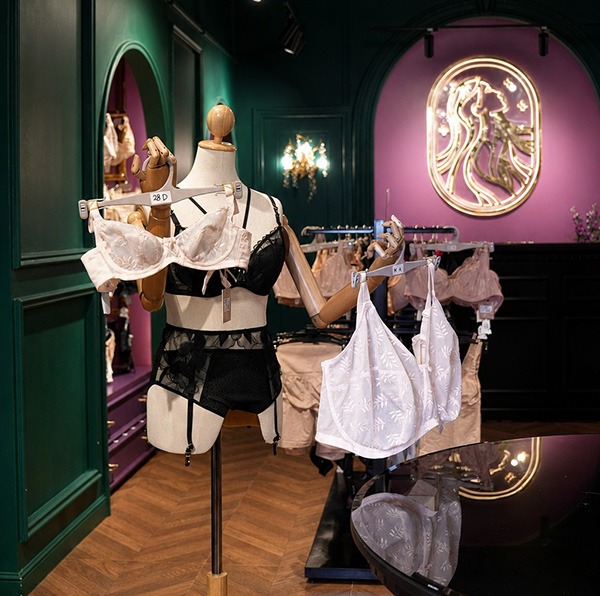
By offering over 200 distinct sizes, Nanaya provides a level of nuance previously unavailable in the Kingdom. To overcome local skepticism regarding hygiene and the "try-before-you-buy" model, Kadasa maintains a dedicated range of fitting samples in every size. This allows customers to physically see the broad spectrum of sizes, helping them comprehend the complexity of bra engineering and find a precise fit before a purchase is finalized.
Pioneering Post-Mastectomy Care in the Middle East
Perhaps the most critical aspect of Nanaya’s mission is its integration of post-mastectomy fitting services. Despite Saudi Arabia’s advanced medical infrastructure and high-quality healthcare systems, specialized retail support for breast cancer survivors has remained remarkably scarce. Prior to Nanaya’s opening, breast prostheses were reportedly available in only a handful of locations nationwide, almost exclusively in the capital city of Riyadh, with little to no professional fitting support.
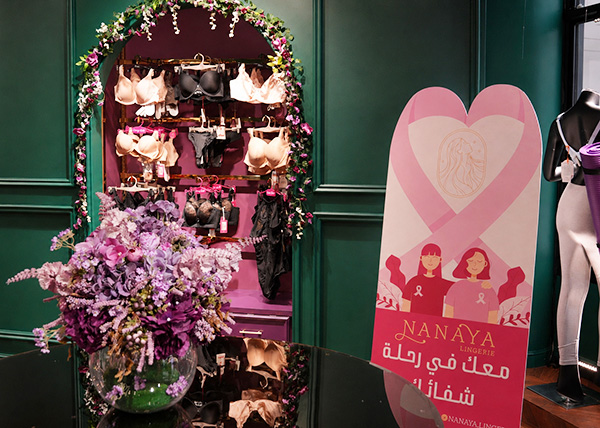
Kadasa recognized that a woman’s need for supportive intimate apparel does not end with a medical diagnosis. She sought specialized training through the "Better Bras After Breast Cancer" campaign, a program run by Helen Masters in partnership with Cancer Research UK. This certification allowed Nanaya to become the first boutique in the Middle East to offer a combined service of standard professional fitting and specialized post-mastectomy care.
This service is viewed not as a luxury, but as a vital component of recovery. Mastectomy and subsequent treatments can significantly alter a woman’s body, affecting her posture, comfort, and self-image. By providing a space where survivors can receive expert guidance on prostheses and specialized bras, Nanaya is filling a healthcare void that bridges the gap between clinical treatment and a return to daily life.
Navigating Cultural Sensitivities and Professional Resistance
Introducing a business focused on lingerie and women’s health in a conservative society requires a delicate balance of advocacy and cultural respect. Kadasa has adopted a philosophy rooted in the principle that "there is no shyness in matters of religion," arguing that modesty should not be a barrier to essential health knowledge.
Interestingly, Kadasa has noted that the greatest resistance to her mission did not come from the public or the religious community, but from certain segments of the fashion industry. While the medical community has largely embraced Nanaya’s health-first approach, some fashion circles have been slower to recognize lingerie as the essential foundation of apparel.
In her marketing and public relations efforts, Kadasa is meticulous about imagery and language. She aims to expand the boundaries of public discourse regarding women’s health without being combative. Her success in this area is evidenced by the fact that many of her employees are not only staying with the company but are pursuing university degrees in fields that will allow them to grow within Nanaya’s corporate structure, signaling a shift in how these roles are perceived professionally.
Strategic Implications and the Future of Saudi Retail
The rise of Nanaya coincides with the goals of Saudi Vision 2030, which aims to increase female participation in the workforce and encourage local entrepreneurship. Kadasa’s business model serves as a case study for how "niche" retail can address systemic health issues while contributing to the economy.
Looking forward, Kadasa’s vision for Nanaya is expansive, resting on three pillars:

- Education and Training: Establishing a training center for professional fitters and lingerie designers to build a local workforce skilled in the technical aspects of intimate apparel.
- Charitable Initiatives: Developing a charitable arm to provide services and products to underserved populations, inspired by existing regional philanthropic models.
- Manufacturing and Luxury Retail: Launching the first Saudi luxury lingerie brand specifically designed for Arab body proportions, alongside the domestic production of breast prostheses to ensure a consistent and diverse supply for survivors.
Conclusion
Nanaya is more than a boutique; it is a manifestation of a shift in the Saudi Arabian consumer consciousness. By combining architectural design principles with medical-grade fitting standards, Nada Kadasa is addressing a health necessity that was previously treated as a taboo or a secondary retail concern.
As the boutique continues to gather data on regional sizing and expands its reach to breast cancer survivors, it sets a precedent for how specialized retail can empower women. What began as a personal quest for a better-fitting bra in 2009 has evolved into a pioneering institution that is redefining the intersection of fashion, health, and female empowerment in the Middle East. Through Nanaya, the message is clear: the right fit is not just about aesthetics—it is a fundamental right to comfort, health, and dignity.
