
 By admin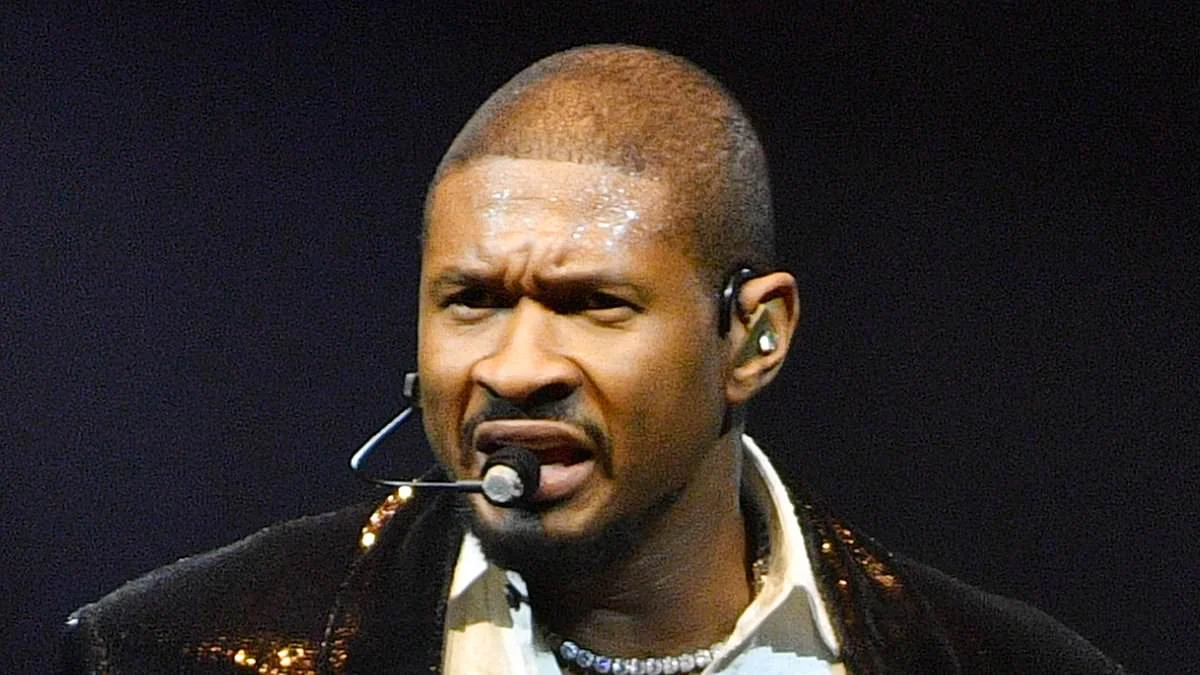
The Australian music landscape has been thrust into a heated debate following a controversial appearance by the Melbourne-based indie-punk ensemble Radio Free Alice on Triple J’s renowned "Like A Version" segment. The group, known for their post-punk sensibilities and rising status in the local scene, sparked an international social media firestorm after making disparaging remarks about Usher’s 2010 hit "DJ Got Us Fallin’ In Love." The incident has raised questions regarding musical elitism, the cultural legacy of 2010s pop-R&B, and the risks associated with the "Like A Version" platform, which has historically served as a career-making opportunity for emerging artists.
During the broadcast on April 14, 2026, the band followed the traditional format of the segment, which requires guests to perform one original track and one cover of a song by another artist. Before debuting their rendition of Usher’s multi-platinum single, the band members provided a justification for their choice that many listeners interpreted as arrogant and dismissive of the original artist’s work.
The Comments That Sparked a Controversy
The tension began when the band’s lead vocalist and members explained their philosophy regarding cover songs. "We have always felt that good songs don’t need good covers. Bad songs need good covers," the band stated during the pre-performance interview. They proceeded to single out the Usher track—a staple of global pop radio for over a decade—with a particularly harsh critique. "This song is the ugliest duckling of bad songs! So, we thought it was a fun challenge to see if we could turn it into a good song, if that was physically possible."
The remarks were intended to frame their performance as a creative transformation, an attempt to find "musicality" in a track they viewed as overly commercial or simplistic. However, the tone of the delivery and the specific labeling of the song as the "ugliest duckling" immediately resonated poorly with a broad spectrum of the music-listening public.
Global Social Media Reaction and Public Backlash
Within minutes of the segment airing and being uploaded to Triple J’s digital platforms, social media users across X (formerly Twitter), TikTok, and Instagram began a concerted "evisceration" of the band. The backlash was not limited to Australian audiences; Usher’s significant global fanbase and fans of early 2010s nostalgia joined the fray, criticizing the band for what they perceived as "indie-rock elitism."
One viral comment summarized the general sentiment: "Are they calling… DJs Got Us Fallin’ In Love by THE USHER… a bad song? Who tf are they? WHAT???!!" Another listener pointed out the perceived disparity in talent, stating, "Just watched the cover… They DO NOT have the talent to back these remarks."
A significant portion of the criticism focused on the band’s actual performance of the cover. Many listeners argued that Radio Free Alice’s post-punk, minimalist interpretation failed to improve upon the high-energy production of the original. "The Usher song is a product of the time, but it was WILDLY successful and went multi-platinum in a dozen countries. Their cover is awful; they took an ‘ugly duckling’ and turned it into a dead duck," wrote one disgruntled commentator.
Statistical Context: The Success of DJ Got Us Fallin’ In Love
To understand the scale of the backlash, it is necessary to examine the commercial and cultural footprint of the song Radio Free Alice labeled "bad." Released in July 2010 as the lead single from Usher’s EP Versus, "DJ Got Us Fallin’ In Love" featured a guest verse from Pitbull and production by the legendary Max Martin.
The song was a massive commercial success:
- Australia (ARIA): It peaked at number 3 and was certified 6x Platinum, selling over 420,000 units.
- United States (Billboard): It reached number 4 on the Hot 100 and has been certified 8x Platinum by the RIAA.
- United Kingdom (OCC): It reached number 7 and earned a 2x Platinum certification.
- Global Impact: The song reached the top ten in over 15 countries, including Canada, France, Germany, and Japan.
Critics at the time of the song’s release praised its "club-ready" energy and Usher’s vocal performance. In the decade since its release, the track has become a foundational element of millennial and Gen Z nostalgia, frequently appearing in viral "throwback" playlists and nightclub sets. By dismissing the track as a "bad song," Radio Free Alice inadvertently challenged the collective taste of millions of listeners and the professional pedigree of Max Martin, one of the most successful songwriters in history.
Profile: Who are Radio Free Alice?
Radio Free Alice is a four-piece band originating from Melbourne, a city known for its vibrant and often insular indie-rock scene. The group has been gaining traction over the past two years with a sound heavily influenced by 80s post-punk and New Wave, citing influences such as The Cure, The Smiths, and Talking Heads.
Before this controversy, the band was largely celebrated by local critics for their angular guitars and the distinctive vocal delivery of frontman Noah Rozenter. They had recently signed with notable management and were beginning to tour more extensively. The "Like A Version" invitation is typically viewed as a "stamp of approval" from Triple J, signifying that a band has "arrived" in the Australian mainstream alternative scene. However, the fallout from their comments suggests a potential disconnect between the insular world of indie-rock critique and the broader public’s appreciation for pop music.
The History and Impact of Triple J’s Like A Version
"Like A Version" has been a cornerstone of Australian radio since its inception in 2004. The segment has produced numerous chart-topping covers and helped break international acts in the Australian market. For many artists, the goal is to create a "moment"—a rendition that honors the original while adding a unique stylistic twist.
The segment’s history is filled with examples of artists who showed deep reverence for their chosen covers, leading to massive success. Most notably, in 2021, the legendary children’s entertainment group The Wiggles performed a cover of Tame Impala’s "Elephant."
The Wiggles’ approach was the polar opposite of Radio Free Alice’s. Despite being global icons in their own right, original members Anthony Field, Jeff Fatt, and Murray Cook approached the task with humility and enthusiasm. Anthony Field later admitted on the Seven Network’s Sunrise program that he had been largely unaware of the "Hottest 100" or the "Like A Version" format prior to participating.
"I didn’t know about the Hottest 100, I didn’t know about Like a Version. I didn’t know about Tame Impala a year ago so this has been a great surprise," Field told hosts David Koch and Natalie Barr. This humble approach resonated with the public, leading to The Wiggles becoming the first band in history to top the Triple J Hottest 100 with a "Like A Version" cover. Their victory in January 2022 was seen as a unifying moment for Australian music, bridging the gap between children’s media and the "cool" alternative world of Triple J.
Analysis: The Risk of the "Subversive" Cover
The controversy surrounding Radio Free Alice highlights a shift in how audiences consume and defend pop culture. In previous decades, it was common for "alternative" bands to build their brand by rejecting mainstream pop. However, in the modern era of "poptimism"—a critical movement that argues pop music is as worthy of professional study and respect as rock or jazz—the "indie snob" trope is often met with hostility.
By calling the Usher track "the ugliest duckling," Radio Free Alice leaned into an older trope of musical hierarchy that many modern listeners find dated. The backlash suggests that contemporary audiences value authenticity and respect over ironic detachment.
Furthermore, the "Like A Version" format is designed to celebrate music. When an artist uses the platform to denigrate the work of another, it often backfires. While some fans of the band defended the comments as "tongue-in-cheek" or "classic punk attitude," the overwhelming majority of the response has been negative, with many accusing the band of "clout chasing" or "manufactured edge."
Implications for Radio Free Alice’s Career
The long-term impact on Radio Free Alice remains to be seen. In the short term, the band has achieved a level of name recognition that far exceeds their previous reach, though much of it is currently tied to negative sentiment. As one social media user pointed out, "Their next song should be how to destroy your music career in one sentence."
However, in the world of punk and alternative music, "infamy" can sometimes be converted into a dedicated, if smaller, cult following. The band has yet to issue a formal apology or a follow-up statement regarding the comments.
For Triple J, the incident serves as a reminder of the volatility of live radio and the passionate nature of their listenership. The station has historically defended the artistic freedom of its guests, but the intensity of the "Usher-gate" backlash may prompt future artists to choose their words—and their covers—more carefully.
As the music industry continues to digest the fallout, the event stands as a case study in the power of pop nostalgia and the dangers of underestimating the cultural weight of a global hit. Whether Radio Free Alice can pivot from this "global slamming" to a sustainable career will depend on their ability to let their original music speak louder than their controversial critiques.
