
 By admin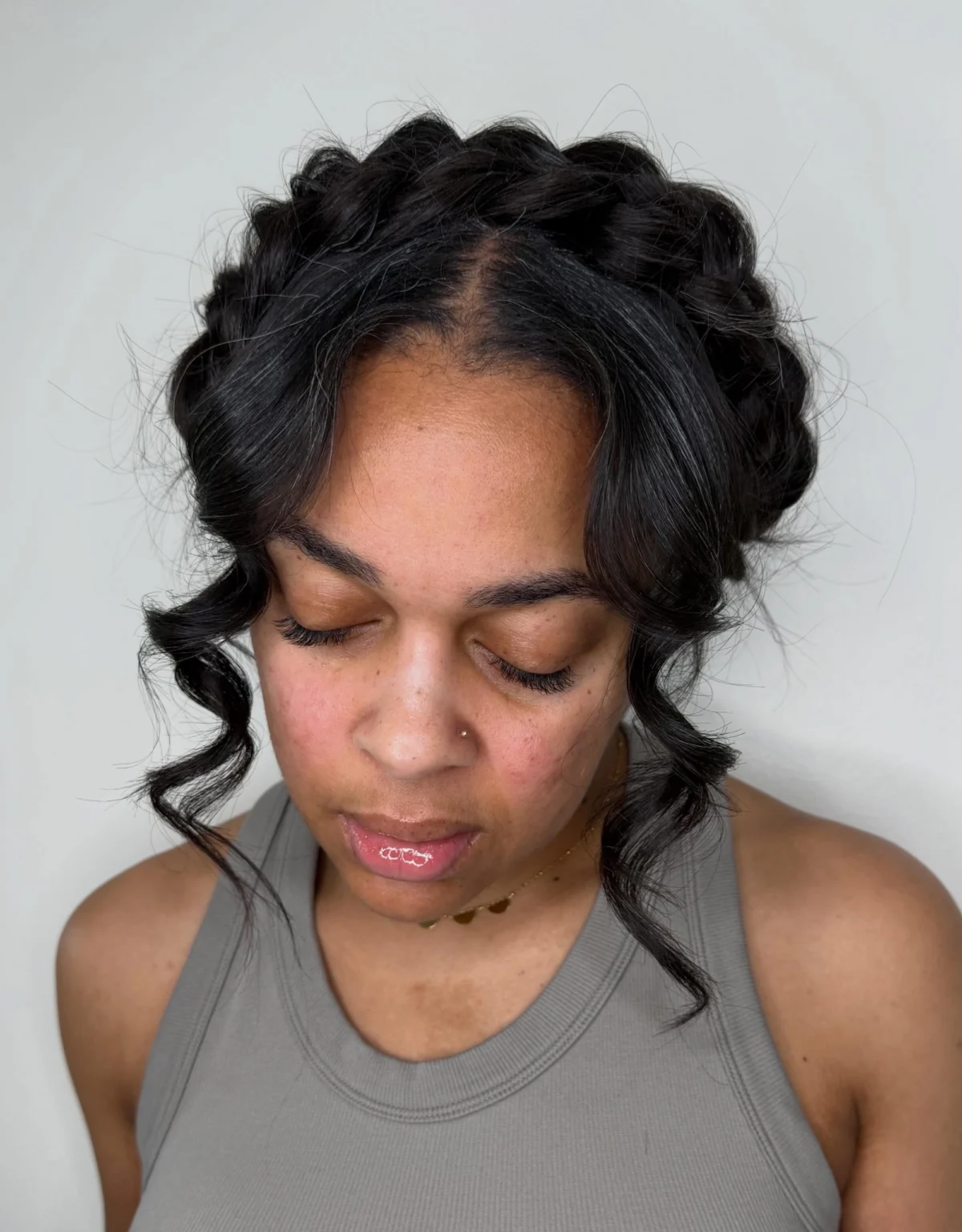
The enduring allure of ancient Greece continues to shape contemporary fashion, with a recent surge in interest directly linked to the cinematic reinterpretation of its epic tales. Christopher Nolan’s latest directorial endeavor, reportedly drawing inspiration from Homer’s The Odyssey, has not only captivated audiences with its narrative but has also served as a powerful catalyst for a resurgence in Hellenistic aesthetics, particularly within the realm of hairstyling. This revival sees classic Greek beauty principles translated into modern, wearable looks, embodying the spirit of goddesses, queens, and heroic figures for today’s discerning individuals.
The influence of ancient Greek culture on fashion is a well-documented phenomenon, predating the digital age’s instant access to inspiration. However, the current wave of enthusiasm for Greek-inspired styles is being amplified by a confluence of factors, including the widespread cultural impact of Nolan’s film and the inherent timelessness of the aesthetic itself. These hairstyles, characterized by their elegance, intricate detailing, and a touch of romanticism, offer a tangible connection to a mythical past while remaining relevant for contemporary occasions, from formal events like weddings and premieres to everyday wear.
The Enduring Appeal of Grecian Aesthetics
Ancient Greece, a civilization renowned for its contributions to philosophy, art, architecture, and drama, also left an indelible mark on personal adornment. Hairstyles of the era were not merely functional but served as significant indicators of social status, occasion, and even mythological association. Depictions in pottery, sculpture, and frescoes reveal a sophisticated understanding of hair manipulation, often incorporating braids, twists, and elaborate updos. These styles were frequently adorned with natural elements like laurel leaves, flowers, and precious metals, further cementing their connection to nature, divinity, and royalty. The recent cinematic focus on narratives steeped in Greek mythology has provided a potent platform for these ancient styles to re-enter the popular consciousness, prompting a renewed appreciation for their inherent beauty and versatility.
Modern Interpretations of Ancient Styles
The hairstyles drawing inspiration from this rich heritage are being adapted for the modern woman, focusing on wearability and contemporary flair. These looks capture the romance and grandeur of Greek beauty, offering a blend of tradition and innovation.

The Rolled Updo: A Timeless Elegance
The rolled updo stands as a quintessential example of a hairstyle that transcends time and setting. Its inherent sophistication lends itself perfectly to formal occasions, evoking imagery of candlelit courtyards and the majestic columns of ancient temples. Yet, its adaptable nature allows it to grace contemporary events such as summer weddings or high-profile movie premieres with equal aplomb.
Achieving this look is often most effortless with hair possessing a natural texture, which provides a better grip for styling. The technique involves rolling strands inward at the nape of the neck and securing them with pins. For a softer, more romantic finish, a few wisps can be artfully left to frame the face. The adornment of such an updo can elevate its Grecian inspiration; options range from delicate gold leaf combs and stretchy headbands to intricate pearl pins, all of which subtly echo ancient Greek jewelry and ornamentation. The visual impact of a well-executed rolled updo is undeniable, exuding an aura of refined grace and classic beauty that resonates across different eras.
The Fishtail Braid: Intricacy Fit for Myth
The fishtail braid, with its distinctive interwoven pattern, already possesses an intricate and visually appealing quality. When enhanced with layered sections preceding the main braid, it transforms into a style that appears worthy of a mythological narrative. This layered approach creates a sense of depth and complexity, reminiscent of the elaborate hairstyles depicted in ancient art.
To replicate this enriched fishtail braid, the process begins by gathering several narrow side sections of hair to create a half-up style. These sections are arranged to form stacked horizontal layers, which are then incorporated into a single, full fishtail braid. The key to achieving the desired fullness and ethereal quality lies in gently loosening the braid with fingertips after it is secured. While this technique requires a degree of patience, the resulting intricate and voluminous braid is widely considered to be well worth the effort, offering a visually striking and decidedly regal aesthetic.
The Faux Braid for Curls: Preserving Natural Texture
For individuals with naturally curly or coily hair, achieving a braided effect without compromising the hair’s inherent texture presents a unique challenge. The faux braid offers a clever and accessible solution, allowing for the illusion of a braid while keeping natural curls untouched and vibrant. This method is particularly well-suited for dense curly and coily hair types, where its impact is most pronounced.

The technique involves sectioning small amounts of hair from the sides of the head. These sections are then secured with decorative clips, such as butterfly clips, spaced evenly towards the center of the head. The strategic placement of these pinned sections creates the visual effect of a thick, continuous braid running through the natural cascade of curls. To soften the overall look and add a touch of romanticism, a few ringlets can be intentionally left loose to frame the face. For a subtle yet effective nod to ancient Greek adornment, gold accessories can be incorporated, further enhancing the Hellenistic inspiration. This innovative approach democratizes the braided aesthetic, making it accessible and flattering for a wider range of hair types and textures.
The Half-Updo with Rope Braids: Deceptive Simplicity
There is a distinct satisfaction derived from hairstyles that possess a complex appearance but are, in reality, relatively straightforward to create. The rope braid masterfully embodies this principle, offering an elegant and sophisticated solution for managing hair while maintaining a stylish demeanor.
The execution of this half-up style involves taking a section of hair from each temple. Each section is then twisted individually before being wound around each other and secured at the back of the head. This creates a visually intriguing rope-like effect that holds the hair neatly away from the face. This style is remarkably versatile, suiting nearly all hair textures and lengths. It is an ideal choice for those who prefer to wear their hair down but still desire to keep it out of their face, offering both functionality and aesthetic appeal. The visual complexity of the rope braid lends an air of artisanal craftsmanship, making it a standout choice for various occasions.
The Pixie with a Braided Headband: Short Hair’s Mythological Moment
The enduring popularity of pixie cuts and shorter hairstyles means that even these styles deserve a place within the pantheon of mythological-inspired looks. For individuals sporting a pixie cut, especially those in the process of growing it out or maintaining a longer, soft crop, a braided headband offers a unique way to embrace Grecian style.
The technique involves braiding a narrow section of hair positioned near the hairline. This braid is then swept across the forehead, mimicking the appearance of a delicate headband. The remaining hair can be styled with a soft texture, using products like styling paste or mousse to achieve a touchable finish. To further enhance the ancient Greek aesthetic, dangling gold earrings can be paired with this look, providing a subtle yet effective reinforcement of the Hellenistic inspiration. This approach demonstrates that the elegance of Greek-inspired hairstyles is not limited to long hair, offering creative solutions for shorter cuts.

The Halo Braid: The Crown of the Goddesses
Among the pantheon of ancient-inspired hairstyles, the halo braid makes a compelling claim to being a favorite of the goddesses. Its defining characteristic is its ability to frame the head like a regal crown, bestowing an air of divinity upon the wearer. Furthermore, its design often allows for comfortable wear throughout extended periods, making it an ideal choice for long summer evenings or elaborate events.
While long hair typically facilitates the creation of a seamless halo braid, individuals with shoulder-length hair can achieve a similar effect. This involves creating two separate braids that are then strategically pinned and wrapped around the head to form a crown-like structure. For a softer, more romantic outline, a few strands can be gently pulled loose after the braids are secured, creating a less structured and more ethereal appearance. The halo braid, in its various iterations, consistently evokes a sense of ethereal beauty and timeless regality.
Wet-Shine Siren Hair: Capturing the Allure of the Sea
Not all styles drawing from Greek inspiration necessitate intricate braiding or elaborate pinning. The "wet-shine siren hair" look offers a different, yet equally captivating, approach that evokes the mythical allure of the sea nymphs and sirens of ancient lore. This style focuses on achieving a healthy, light-catching sheen that hints at a recent immersion in the Aegean Sea.
To achieve this effect, a shine serum and a lightweight gel are worked through damp hair. Loose bends and waves are then defined using the fingers, creating a natural, undone texture. The objective is to create hair that appears effortlessly radiant and fluid, with a subtle, reflective quality. This style is particularly effective in highlighting the natural movement and luster of the hair, offering a modern interpretation of ancient mythical beauty that is both alluring and chic. The visual of hair shimmering with moisture and light instantly brings to mind the captivating figures of Greek mythology, making it a powerful and evocative choice.
Broader Implications and Cultural Resonance
The renewed interest in ancient Greek hairstyles, catalyzed by cinematic narratives, extends beyond mere fashion trends. It signifies a broader cultural engagement with classical history and mythology, demonstrating their continued relevance and inspirational power in the 21st century. The ability of these styles to translate across different hair types, lengths, and occasions speaks to their inherent adaptability and timeless appeal.

The popularization of these looks by media platforms, from film to social media, underscores the cyclical nature of fashion and the enduring power of historical aesthetics. This revival provides an accessible entry point for individuals to connect with classical culture, fostering an appreciation for art, history, and mythology. Furthermore, the emphasis on natural textures and adaptable techniques within these modern interpretations promotes a more inclusive approach to beauty, celebrating diverse hair types.
The lasting impact of these hairstyles, much like a memorable film, is likely to extend beyond the immediate trend cycle. As audiences continue to be captivated by stories of heroism, divinity, and epic journeys, the visual language of ancient Greece, embodied in these elegant and evocative hairstyles, will undoubtedly continue to inspire and resonate. The success of such trends highlights the power of visual storytelling to revive and recontextualize historical aesthetics for contemporary audiences, proving that the beauty of the past can indeed illuminate the present. The ongoing exploration of Greek-inspired styles, as seen in related trends like the Medusa ponytail, further solidifies the profound and lasting influence of this ancient civilization on modern visual culture.
