
 By admin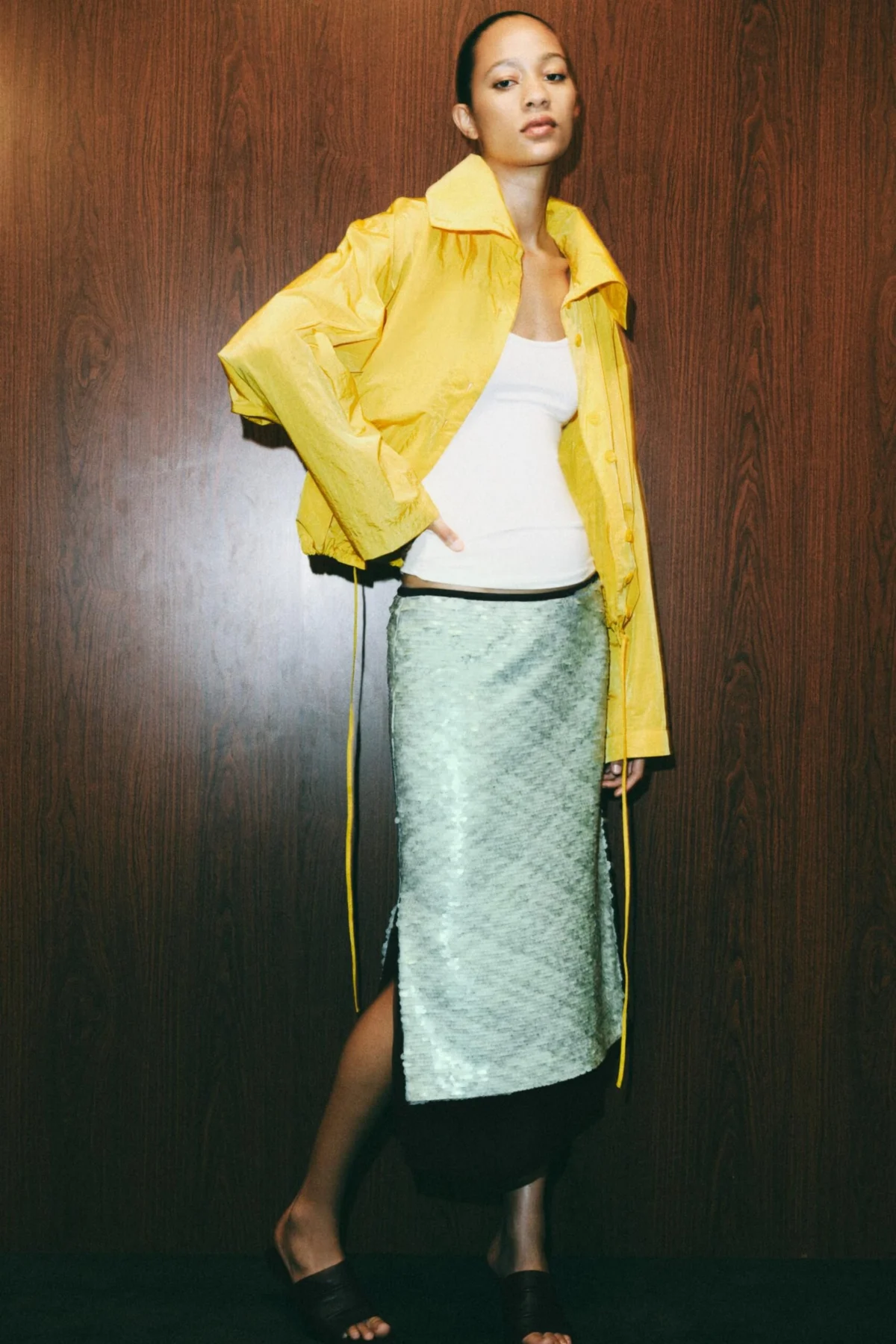
Zara, a global titan in the fast-fashion industry, has launched its highly anticipated pre-fall collection, prominently featuring a comprehensive "scarf-print edit" alongside a diverse range of transitional outerwear, a curated color palette, and a selection of trend-conscious footwear. This strategic release, timed to bridge the gap between late summer excursions and the impending autumn season, underscores the retailer’s agility in translating high-fashion runway trends into accessible, ready-to-wear pieces for a mass market. The collection, dubbed the "Ludivine editorial," is designed to cater to a dynamic consumer base seeking both immediate style gratification and versatile wardrobe additions capable of transitioning across seasons.
The Scarf-Print Edit: A Resurgence of Ornate Elegance
The centerpiece of Zara’s latest offering is the expansive scarf-print collection, which reinterprets the intricate, often luxurious patterns traditionally associated with silk scarves across a wide array of garments and accessories. This edit encompasses tops, skirts, pants, dresses, shoes, and bags, allowing for both maximalist ensemble styling and individual statement pieces. The adoption of scarf prints by a major fast-fashion retailer like Zara signifies a broader trend in the fashion landscape: the embrace of ornate, heritage-inspired aesthetics that evoke a sense of vintage luxury.
Historically, scarf prints have cycled through periods of prominence, often drawing inspiration from equestrian motifs, baroque art, and exotic travel. Their latest resurgence can be attributed to a renewed consumer interest in distinctive patterns and a desire for pieces that offer a unique visual narrative, moving beyond minimalist aesthetics. By applying these elaborate designs to a full spectrum of apparel and accessories, Zara offers consumers the flexibility to either immerse themselves fully in the trend, creating a head-to-toe printed look, or to subtly integrate a "pop of print" into an otherwise understated outfit. This adaptability is key to its appeal, as it caters to varied sartorial preferences.
For the lingering days of summer, these bold scarf-print styles are presented as ideal companions for vacation wardrobes, easily assembled into sophisticated evening wear or layered over swimwear for daytime resort chic. As the calendar turns to September, Zara strategically positions these items for seamless integration into fall wardrobes. A scarf-print blouse, for instance, can elevate a casual weekend denim look, while a patterned skirt or bag can inject personality and a touch of refinement into a more conservative office ensemble, demonstrating the collection’s intrinsic versatility and longevity beyond a single season. This multi-season utility is a critical consideration for modern consumers who prioritize value and adaptability in their fashion purchases.
Navigating the Seasons: Zara’s Transitional Outerwear Strategy
Beyond the vibrant prints, Zara’s new season approach is heavily invested in light outerwear, a crucial category for the unpredictable weather patterns that characterize transitional periods. The collection introduces several key outerwear silhouettes, each designed with specific aesthetic and functional considerations.
Leather bomber jackets make a prominent appearance, offering an edgier, contemporary touch. These versatile pieces are presented as ideal layering options, capable of providing a stylish contrast when paired with lighter summer dresses or adding a sophisticated edge to classic light-wash denim. The bomber jacket, with its roots in military aviation and subsequent adoption by various subcultures, has cemented its status as a perennial fashion staple, known for its blend of rugged appeal and urban chic. Zara’s iteration likely focuses on contemporary cuts and finishes, making it relevant for current trends.
For more unpredictable weather, nylon windbreakers are featured, emphasizing a sportier and more utilitarian aesthetic. These pieces speak to the growing demand for functional fashion that does not compromise on style, providing protection against sudden gusts or light rain. The inclusion of such practical items reflects a broader industry trend towards "gorpcore" and outdoor-inspired fashion elements integrating into everyday wear, prioritizing comfort and utility.
Adding a touch of sartorial polish, fringed tweed blazers are introduced. These blazers strike a balance between professional formality and relaxed elegance, making them suitable for office environments without feeling overly stuffy or traditional. Tweed, a fabric with a rich heritage in British country attire and high fashion, lends an air of sophistication and texture. The addition of fringe details modernizes the classic silhouette, appealing to consumers looking for refined yet contemporary workwear options.
Finally, suede styles hint at the rich layering opportunities characteristic of the autumn season. Suede jackets, known for their tactile quality and luxurious appearance, are presented as key pieces for building layered outfits. The article specifically references styling these à la celebrity Dakota Johnson, over a lingerie-inspired slip dress, highlighting a popular juxtaposition of textures and formality. This styling suggestion not only provides practical guidance but also leverages celebrity influence to drive consumer interest and demonstrate the aspirational aspect of the collection.
The strategic curation of these outerwear pieces underscores Zara’s understanding of consumer needs during seasonal shifts, offering stylish solutions that bridge practicality with current fashion sensibilities.
A Palette of Trends: Color Story for Pre-Fall
Zara’s latest collection also meticulously leans into several of the moment’s trendiest shades, reflecting a keen awareness of current color forecasts and consumer preferences. The color palette is a thoughtful blend of bold primaries and softer, more nuanced hues, designed to capture the transitional spirit of the season.
Primary reds and blues make a strong statement, injecting vibrant energy into the collection. These classic, impactful colors are versatile and command attention, aligning with a broader fashion movement that celebrates clear, confident hues. The presence of such foundational colors ensures broad appeal while maintaining a contemporary edge.
Alongside these bold statements, softer mint greens appear, offering a refreshing and calming contrast. Mint green has seen a steady rise in popularity, often associated with a sense of freshness, modernity, and subtle sophistication. Its inclusion provides a softer alternative to the more intense primary colors, catering to a diverse range of personal styles.
Perhaps the most electric burst of color comes from zesty chartreuse. This vibrant, almost neon green-yellow hue delivers an undeniable jolt of energy, making a confident and playful statement. Chartreuse, while daring, has gained traction in recent seasons as a symbol of optimism and individuality, perfectly suited for early fall when the vibrancy of summer still lingers but the deeper tones of autumn begin to emerge.
Zara’s ability to swiftly incorporate these trend-conscious colors into its collections is a testament to its fast-fashion model. By aligning with broader fashion forecasts—often influenced by institutions like Pantone, major fashion weeks, and social media trends—Zara effectively democratizes high-fashion color narratives, making them accessible to a global audience within weeks of their runway debuts. This rapid response to color trends is a significant factor in maintaining its relevance and appeal to fashion-forward consumers.
Footwear Forward: Key Silhouettes Dominating the Season
The shoe lineup in Zara’s new collection is equally trend-conscious, featuring a selection of silhouettes that are currently defining footwear fashion. This careful curation ensures that the collection offers head-to-toe stylistic coherence and allows consumers to complete their looks with fashionable and relevant footwear options.
Wedge heels continue their strong dominance in the current footwear landscape. Their resurgence is a notable trend, offering a comfortable yet elevated alternative to traditional stilettos. Wedges provide greater stability and support, making them a practical choice for day-long wear while still contributing to a chic, elongated silhouette. Zara’s inclusion of wedges underscores their ongoing popularity and versatility across various occasions, from casual outings to more formal events.
Mules are presented as an easy day-to-night option, reflecting their enduring appeal as a sophisticated and effortless shoe style. The backless design of mules offers convenience and a sleek aesthetic, making them a go-to choice for seamless transitions between different settings. Their minimalist yet elegant profile ensures they complement a wide range of outfits, from dresses to tailored trousers.
Adding a distinct retro, "borrowed-from-the-boys" finish, jazz-inspired Derby shoes make an appearance. This menswear-influenced style brings a touch of classic sophistication and an unexpected edge to women’s footwear. Derby shoes, with their open lacing system and sturdy construction, evoke a sense of heritage and intellectualism. Their inclusion in the pre-fall collection suggests a move towards more grounded, structured footwear that will perfectly complement autumn’s tailored trousers, skirts, and dresses, offering a counterpoint to the more feminine or overtly trendy options.
This diversified footwear offering highlights Zara’s commitment to providing comprehensive trend solutions. By featuring a mix of comfort-driven, elegant, and historically inspired styles, the brand caters to the multifaceted demands of contemporary fashion, ensuring that every element of an outfit can reflect current trends.
Zara’s Fast Fashion Model: Strategic Releases and Market Dominance
Zara’s consistent ability to deliver such trend-aligned collections is deeply rooted in its renowned fast-fashion business model. The company, part of the Spanish Inditex group, has perfected a vertically integrated supply chain that allows it to design, manufacture, and distribute new products to stores globally in a matter of weeks, significantly outpacing traditional fashion retailers. This "speed-to-market" strategy enables Zara to quickly respond to emerging trends, replicate runway looks, and capitalize on fleeting consumer demands, often referred to as the "see now, buy now" phenomenon.
The pre-fall collection is a prime example of this strategy in action. By releasing a comprehensive edit that blends late summer vacation wear with early fall transitional pieces, Zara ensures its inventory remains fresh and relevant as seasons shift. This continuous flow of new merchandise encourages frequent store visits and online browsing, driving sales volumes and maintaining consumer engagement. Inditex, Zara’s parent company, consistently ranks among the world’s largest fashion retailers, reporting robust sales figures that underscore the effectiveness of this rapid-response model. For the fiscal year 2023, Inditex reported a record net profit of €5.38 billion, with net sales increasing by 10.4% to €35.9 billion, demonstrating the formidable financial power generated by its agile supply chain and trend-focused releases.
This model not only allows Zara to be a trend follower but also, to a significant extent, a trend setter for the mass market. By making high-fashion aesthetics immediately available and affordable, Zara plays a crucial role in democratizing style and accelerating trend cycles. This frequent replenishment and rapid turnover of styles create a sense of urgency for consumers, encouraging purchases before items sell out or new trends emerge.
Broader Industry Context and Implications
Zara’s latest collection and its strategic timing have broader implications for the fashion industry, consumer behavior, and the ongoing dialogue around sustainability.
In the highly competitive fast-fashion landscape, Zara’s consistent innovation in trend adoption keeps it at the forefront, challenging rivals to match its pace and breadth of offerings. Competitors like H&M, Shein, and Temu constantly vie for market share, often employing similar rapid production and distribution models. However, Zara’s established brand recognition, physical store presence, and slightly higher perceived quality compared to ultra-fast fashion platforms often give it an edge in certain market segments.
From a consumer behavior perspective, the continuous influx of new, affordable, and trendy items fuels a culture of instant gratification and encourages more frequent purchases. This accessibility to fashionable clothing allows consumers to experiment with different styles and stay current without significant financial investment. However, this model also contributes to the "throwaway culture" often associated with fast fashion.
The environmental and ethical implications of fast fashion remain a significant point of contention. The rapid production cycles, reliance on synthetic materials, and sheer volume of garments produced contribute to substantial waste, carbon emissions, and resource depletion. While Zara, like many major retailers, has publicly committed to sustainability goals—such as increasing the use of sustainable materials and improving supply chain transparency—critics argue that the inherent business model of fast fashion is fundamentally at odds with true environmental responsibility. The current collection, while stylish, is part of this larger conversation, as each new drop contributes to the cycle of production and consumption. Industry observers note that while Zara is making efforts in areas like material innovation and recycling programs, the core challenge lies in shifting consumer demand away from constant novelty and towards more sustainable consumption patterns.
Furthermore, the rapid dissemination of trends by fast-fashion giants can impact smaller, independent designers and the slow fashion movement. While fast fashion makes trends accessible, it can also dilute originality and put immense pressure on designers who operate on slower, more sustainable production cycles.
Expert Commentary and Outlook
Fashion analysts frequently commend Zara for its unparalleled ability to translate runway trends into commercial successes at lightning speed. "Zara’s latest drop perfectly illustrates their mastery of the fashion calendar," notes a leading retail analyst. "They’ve identified key trends—like the maximalist scarf print and versatile transitional outerwear—and delivered them to market precisely when consumers are looking to refresh their wardrobes for the changing seasons. This agility is their core competitive advantage."
Economists also point to Zara’s role in reflecting consumer confidence and spending habits. "In a dynamic economic environment, consumers are looking for value and immediate style," comments an economic observer. "Zara provides that sweet spot of affordability and trend relevance, which continues to drive strong sales and market presence for Inditex."
Looking ahead, Zara’s pre-fall collection sets the stage for its full autumn offerings, promising continued innovation in design and a keen responsiveness to evolving fashion narratives. The success of this transitional drop will likely inform subsequent releases, reinforcing Zara’s position as a dominant force in shaping global fashion trends for the mass market, while simultaneously navigating the increasing scrutiny and demands for greater sustainability within the industry. The brand’s ongoing challenge will be to balance its celebrated rapid-response model with increasingly vocal calls for environmental responsibility and ethical production practices.
