
 By admin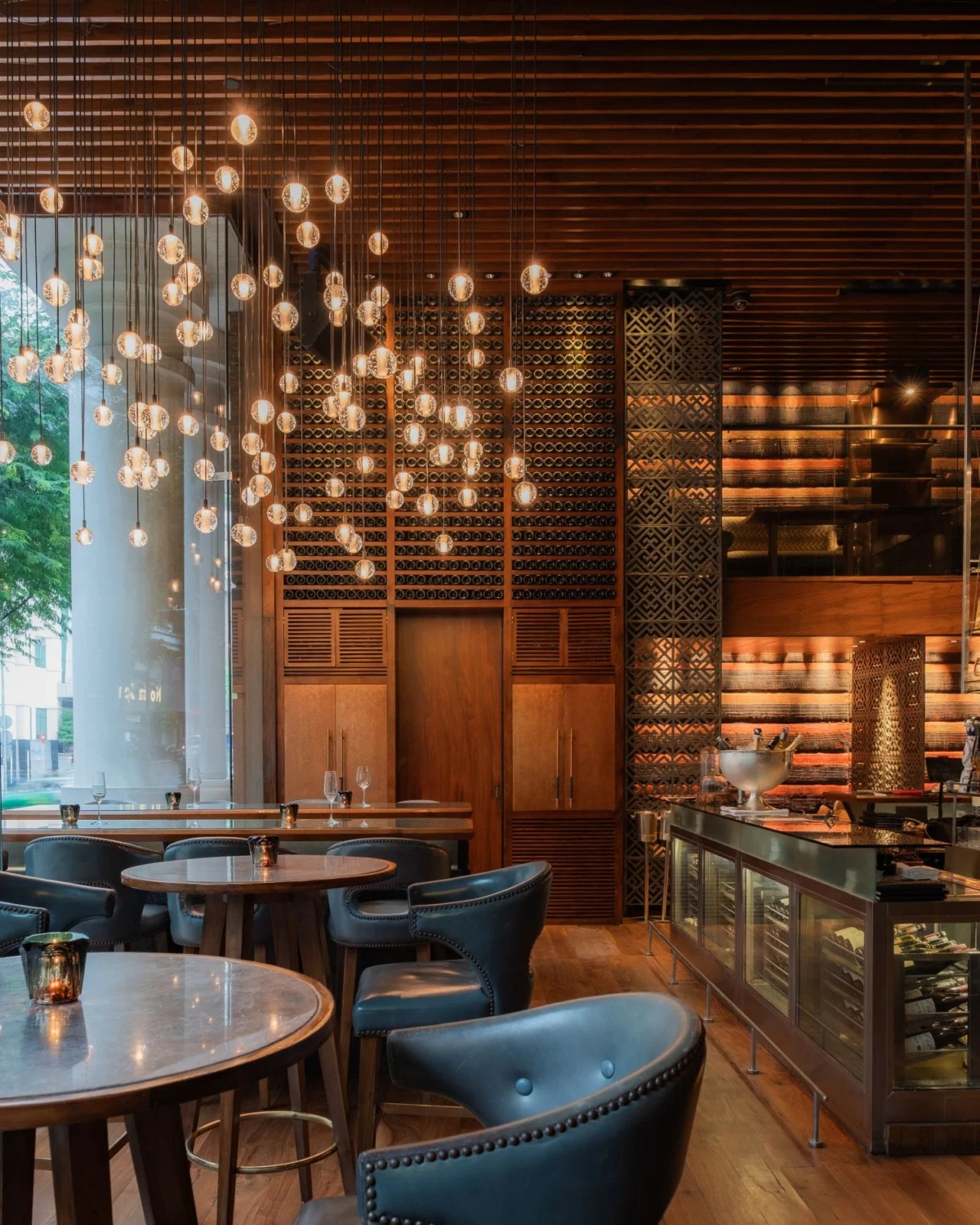
The luxury hospitality sector in Southeast Asia has undergone a radical transformation over the last two decades, moving from standardized service models to deeply immersive, culturally connected experiences. At the center of this evolution in Vietnam stands the Park Hyatt Saigon, a property that has served as a benchmark for high-end hospitality in Ho Chi Minh City since its inception in 2005. Frédéric Boulin, the Area Vice President for Vietnam and Cambodia and General Manager of Park Hyatt Saigon, recently provided an in-depth look at the strategies that have maintained the hotel’s "Grand Dame" status in an increasingly competitive market. His approach centers on a blend of French colonial elegance, Vietnamese heritage, and a leadership philosophy he describes as "divine discontent"—the perpetual drive to improve upon excellence.

A Legacy of Consistency in a Changing Metropolis
Since opening its doors in 2005, Park Hyatt Saigon has witnessed the rapid urbanization of Ho Chi Minh City. While the skyline has filled with modern glass towers, the hotel has maintained its relevance by positioning itself as a residential-style sanctuary. Boulin attributes this longevity to three primary factors: an exceptional central location overlooking the Saigon Opera House, a strong sense of place, and a commitment to consistency.
The hotel was designed to evoke the atmosphere of a private French colonial residence, a choice that resonates with the city’s complex history. However, Boulin notes that architecture alone does not sustain a luxury brand. The success of the property is rooted in the "genuine personal connections" established by the staff. In an era where automation is increasing, the hotel has doubled down on human-centric service, ensuring that returning guests feel recognized and understood. This strategy has allowed the property to bridge the gap between traditional luxury and the expectations of a new, younger generation of travelers.

Global Leadership and the Philosophy of Divine Discontent
Boulin’s leadership style is informed by a career that spans several of the world’s most dynamic cities, including Hong Kong, Cairo, São Paulo, and Seoul. Each location provided a specific lesson that he now applies to the Vietnamese market. From Hong Kong, he adopted commercial discipline and speed; from Cairo, the value of human generosity; from São Paulo, entrepreneurial creativity; and from Seoul, the necessity of rapid innovation.
In Saigon, Boulin has synthesized these lessons into a management framework focused on "enrolling and inspiring" his team. He emphasizes that a General Manager’s role is to define a clear vision and then empower the staff to execute it with a spirit of "divine discontent." This philosophy suggests that the moment a hotel becomes satisfied with its performance is the moment it begins to decline. By fostering an environment where colleagues are encouraged to never settle for the ordinary, Boulin ensures that the guest experience remains vibrant and evolving.

Architectural Identity and the Art of Storytelling
The physical environment of Park Hyatt Saigon is a curated narrative of Vietnamese culture. The hotel features 253 guestrooms, including 22 specialized suites such as the Lam Son Suite and the Presidential Suite. Rather than adopting a generic luxury aesthetic, the rooms combine traditional design references with modern technology, intended to offer a "peaceful retreat" from the city’s high-octane energy.
A critical component of this narrative is the hotel’s extensive art collection. Boulin explains that art at the Park Hyatt is not merely decorative; it is a tool for cultural connection. The collection showcases Vietnamese craftsmanship and history, reflecting the relationship between the country’s past and its contemporary creative energy. To deepen this connection, the hotel offers guests guided art tours, transforming the public spaces and corridors into a living gallery. This focus on "discovery" is intended to make the hotel feel like a second home, where every stay reveals a new detail or story.

Gastronomy as a Cultural Bridge
Dining represents a significant pillar of the Park Hyatt Saigon’s identity, with venues designed to appeal to both international travelers and the local community. The hotel’s culinary strategy is built on diversity and authenticity:
- Square One: A flagship restaurant that fuses French gastronomy with Vietnamese flavors, highlighting the historical ties between the two cultures.
- Opera: A venue dedicated to refined Italian cuisine, serving as a social hub for the city.
- Park Lounge: Famous for its afternoon tea, maintaining a timeless, elegant atmosphere.
- 2 Lam Son: A contemporary bar focused on creative mixology, reflecting the city’s modern nightlife.
Boulin emphasizes that these venues are not just amenities for hotel guests but are integral parts of the Saigon social fabric. By attracting a local clientele, the hotel maintains an authentic "alive" atmosphere that many isolated luxury properties lack.

The Shift Toward Sustainable and Ethical Luxury
As global awareness of environmental impact grows, the luxury sector is facing pressure to integrate sustainability into its core operations. At Park Hyatt Saigon, this is most visible in the culinary department. Boulin reports that approximately 95 percent of the hotel’s vegetables, fruits, and herbs are now sourced locally. The hotel also prioritizes certified sustainable fisheries and is actively working to reduce food waste through better ingredient management.
This move toward local sourcing is not just an environmental choice but a qualitative one. Boulin argues that sustainability, when handled correctly, improves the integrity of the dining experience. By working closely with local farmers and artisans, the hotel can offer fresher, seasonal produce that tells a story of the Vietnamese landscape. This approach supports the local economy while meeting the demands of modern travelers who seek transparency in how their food is sourced.

Wellness and the Sanctuary Concept
In the post-pandemic era, wellness has shifted from a secondary amenity to a primary driver of travel. The hotel’s Xuan Spa is designed to reflect this, drawing inspiration from the traditions of the Mekong Delta. By utilizing natural ingredients such as local grains, herbs, and fruits, the spa provides a sensory link to the region’s geography.
Boulin views wellness as a holistic journey that extends beyond the spa’s four treatment rooms. It encompasses sleep quality, movement, and healthy dining options. The 20-meter outdoor swimming pool and fitness center are positioned as essential counterweights to the "intensity" of Ho Chi Minh City, allowing guests to restore their energy in a controlled, peaceful environment.

Market Context and Future Implications
The hospitality industry in Vietnam is currently in a state of high growth. According to data from the Vietnam National Authority of Tourism, the country has seen a significant rebound in international arrivals, with luxury travelers making up an increasing share of the market. This has led to an influx of new international brands into Ho Chi Minh City.
In response to this competition, Boulin’s vision for the next few years is one of "careful curation." He asserts that future investments in the property must build upon the hotel’s existing "soul" rather than replacing it with trendy, short-lived features. This includes leveraging the World of Hyatt network to provide personalized benefits to loyal members while strengthening the hotel’s ties to Saigon’s local art and community scenes.

The broader implication of Boulin’s strategy is that the future of luxury in Asia lies in "emotional intelligence." As technology makes travel more efficient, the value of sincere human interaction increases. The most successful properties will be those that can use technology to simplify the guest journey while preserving the "human touch" that defines true hospitality.
Recommendations for the Modern Traveler
For those visiting Ho Chi Minh City, Boulin recommends experiencing the destination through its inherent contrasts. He suggests discovering the city from the water via a river journey to see the different districts from a unique perspective, or exploring the vibrant streets via a vintage Jeep. These experiences, coupled with the refined environment of the hotel, provide a comprehensive understanding of Saigon’s identity—one that is simultaneously historic and forward-looking.

As Park Hyatt Saigon approaches its third decade of operation, its leadership remains focused on a singular goal: ensuring the hotel remains a meaningful part of the city’s story. By balancing heritage with innovation and sustainability with indulgence, the property continues to set the standard for what a "Grand Dame" of Asian hospitality should be in the 21st century.
