
 By Layla Zulfa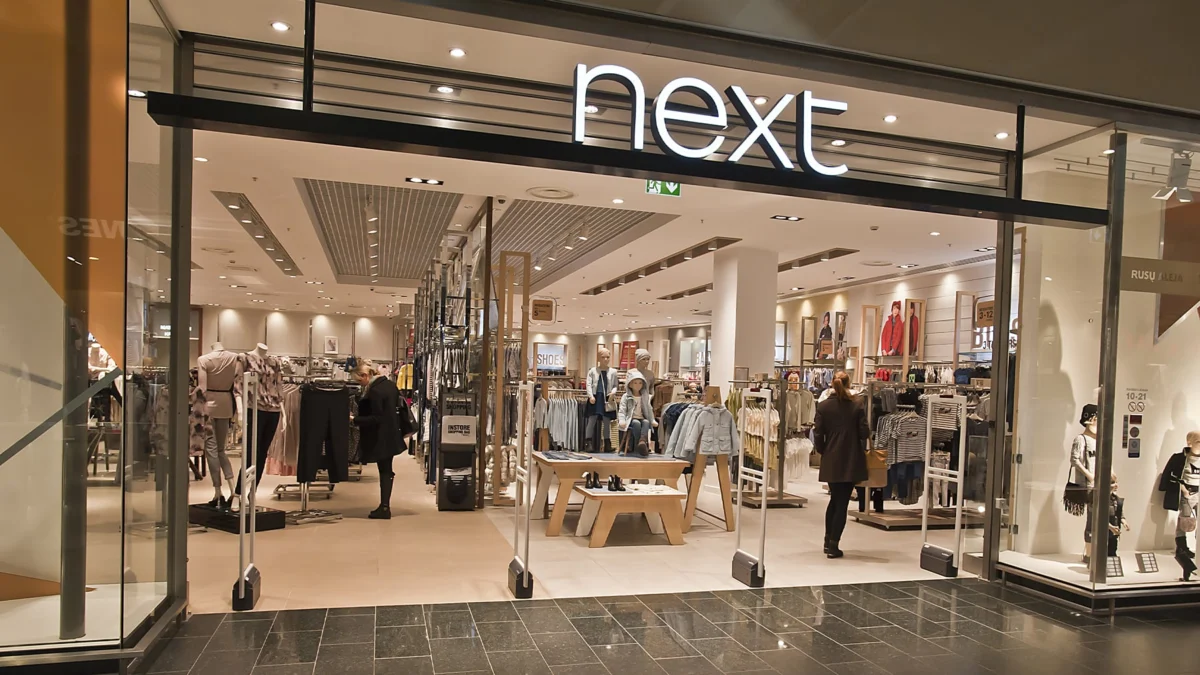
Next, the prominent UK-based fashion and homeware retailer, has delivered a significant boost to market sentiment by upgrading its profit outlook for the third time in the current financial year. This announcement has ignited hopes that British consumers, despite persistent pressures on household budgets, are demonstrating a remarkable willingness to spend, particularly on discretionary items. The company attributed its robust performance to a confluence of factors, including favourable sunny weather conditions across key markets and a discernible release of "pent-up demand" in regions spanning the Middle East and northern Europe. This repeated upward revision of profit forecasts positions Next as a bellwether of resilience within the challenging retail landscape, offering a glimmer of optimism for the broader economic outlook.
A Deeper Dive into Performance Drivers
The core of Next’s optimistic forecast lies in unexpectedly strong sales figures, which have consistently surpassed internal projections. While the specific financial metrics of the upgrade were not immediately detailed beyond the general profit guidance, the underlying drivers offer crucial insights. The mention of "sunny weather" underscores the tangible impact of climatic conditions on seasonal retail. A prolonged period of warm, clear weather, particularly during the crucial summer trading months, typically stimulates demand for summer clothing, outdoor living products, and holiday-related purchases. For a retailer with a significant fashion segment, this translates directly into increased footfall in stores and higher online traffic for seasonal collections. Consumers, invigorated by the sunshine, are more inclined to refresh their wardrobes with lighter fabrics, brighter colours, and holiday essentials, directly boosting sales volumes.
Beyond the meteorological influence, the concept of "pent-up demand" is a critical economic indicator. This phenomenon refers to a surge in consumer spending that follows a period of forced or voluntary restraint, often due to economic uncertainty, lockdowns, or a lack of suitable opportunities for purchase. In the context of Next’s international operations, particularly in the Middle East and northern Europe, this could signify several trends. Post-pandemic recovery has seen many economies rebound, leading to increased disposable income or a desire among consumers to make up for lost experiences and purchases. Travel restrictions easing, for example, could drive demand for new holiday wardrobes. Furthermore, specific regional economic strengths or cultural spending patterns could be contributing factors. The Middle East, for instance, often boasts strong consumer spending power, while northern European markets might be experiencing a post-winter surge in retail activity coupled with stable economic conditions. Next’s diversified strategy, encompassing both physical stores and a robust online presence, allows it to capture this renewed consumer enthusiasm across various geographical and digital touchpoints.
The Broader Economic Landscape: A Challenging Backdrop
Next’s repeated upgrades come against a backdrop of what has been a profoundly challenging period for the UK economy and its consumers. The nation has grappled with a significant cost-of-living crisis, primarily fuelled by persistently high inflation. For much of the past year, the Consumer Prices Index (CPI) has remained elevated, reaching peaks of over 11% in late 2022, before gradually beginning to decelerate. This inflationary pressure has eroded real wages, diminished household purchasing power, and forced many families to make difficult choices regarding discretionary spending. The Bank of England, in its bid to tame inflation, has embarked on a series of aggressive interest rate hikes, pushing the base rate to levels not seen in over a decade. While intended to cool the economy, these rate increases have simultaneously driven up borrowing costs for mortgages and other loans, further squeezing household budgets.
Consumer confidence, as measured by various indices such as GfK’s Consumer Confidence Index, has remained subdued for extended periods, reflecting widespread concerns about personal finances and the broader economic outlook. Retail sales data from the Office for National Statistics (ONS) has frequently painted a mixed picture, with volumes often stagnating or declining in real terms, even as nominal values might show modest increases due to price inflation. Against this challenging environment, many retailers have reported declining profits, increased operational costs, and cautious consumer behaviour. Therefore, Next’s ability to not only maintain but repeatedly upgrade its profit forecasts stands in stark contrast to the prevailing narrative of economic headwinds, suggesting a unique resilience or strategic advantage.
Next’s Strategic Resilience and Market Position
Next has long been regarded as a bellwether for the UK high street, its performance often seen as an indicator of broader consumer health. The company’s consistent ability to navigate economic downturns and emerge stronger is rooted in a multi-faceted strategy that blends a strong high street presence with a highly successful online operation, Next Online, and its credit offering, Next Pay. This diversified approach has allowed it to adapt to evolving consumer shopping habits, capturing sales both in physical stores and through e-commerce channels, which have grown significantly in importance.
The current financial year has seen Next demonstrate this adaptability with notable consistency. Its first profit guidance upgrade came earlier in the year, likely following stronger-than-expected sales during the initial months of trading, perhaps driven by early spring collections or a more robust performance than anticipated during post-Christmas sales. A subsequent upgrade would have typically followed another positive trading update, perhaps mid-year, indicating sustained momentum. The current third upgrade underscores a pattern of continuous outperformance, suggesting that initial conservative forecasts have been repeatedly surpassed by actual trading results. This could be due to more effective inventory management, successful promotional strategies, or simply a stronger underlying demand for its product offering than anticipated by market analysts and the company itself. Next’s product mix, which spans affordable fashion, homeware, and branded goods through its "total platform" model, appeals to a broad demographic, further insulating it from niche market fluctuations.
Analyst Reactions and Investor Confidence
The announcement from Next is expected to be met with positive reactions from financial analysts and investors. For analysts, Next’s consistent outperformance provides valuable data points in understanding broader consumer trends. Many will likely interpret this as a sign that while the cost-of-living crisis is ongoing, certain segments of the population or specific spending categories are showing greater resilience than previously thought. The fact that the upgrade is the third this year will bolster confidence in Next’s management team and its ability to execute its strategy effectively.
Investor sentiment is likely to turn increasingly favourable. Repeated profit upgrades typically lead to an upward revision of earnings per share (EPS) forecasts, making the stock more attractive. This could result in a rally in Next’s share price, reflecting enhanced market confidence in its future profitability and dividend prospects. Furthermore, institutional investors often view such announcements as a sign of strong operational health and a well-managed business, potentially increasing their holdings or attracting new investment. While Next’s management will likely maintain a degree of cautious optimism, acknowledging ongoing economic uncertainties, their ability to consistently exceed expectations will resonate strongly within the financial community.
Implications for the UK Retail Sector and Economy
Next’s positive outlook carries significant implications, not just for the company itself, but for the wider UK retail sector and the national economy. For the retail sector, it offers a much-needed morale boost. In an environment where many retailers are struggling with rising costs, supply chain disruptions, and cautious consumers, Next’s success provides a blueprint for resilience. It highlights the importance of strong brand equity, effective multi-channel strategies, and diversified geographical reach. However, it also underscores the growing divergence between retailers that are adapting successfully and those that are struggling to keep pace with changing consumer demands and economic pressures. It suggests that while there is still consumer appetite, it is increasingly discerning and channelled towards value and trusted brands.
For the UK economy, Next’s announcement is a cautiously optimistic signal. Strong consumer spending is a vital component of GDP growth. If Next’s experience is indicative of a broader trend of consumer resilience – perhaps driven by wage growth finally catching up with inflation for some, or the deployment of accumulated savings – it could contribute to a more positive economic trajectory than previously forecast. However, economists will likely caution against over-interpreting one company’s success as a definitive end to the cost-of-living crisis. It may simply reflect the specific strengths of Next’s business model and its ability to capture demand in particular segments, rather than a universal improvement in household finances across the board. The Bank of England will also be watching such data points closely, as sustained consumer spending could influence future monetary policy decisions, particularly regarding inflation control.
Looking Ahead: Sustaining Momentum Amidst Uncertainty
While Next’s latest profit upgrade is undoubtedly positive news, the path ahead for the retailer and the broader economy remains subject to various uncertainties. Inflation, though easing, has not yet returned to target levels, and the cumulative impact of past interest rate hikes is still filtering through the economy. Geopolitical events, global supply chain dynamics, and energy price volatility all continue to pose potential risks.
For Next, the challenge will be to sustain this momentum. This will involve continued innovation in its product offerings, effective management of its diverse retail channels, and a keen understanding of evolving consumer preferences both domestically and internationally. The company’s "total platform" strategy, which allows third-party brands to leverage Next’s robust online infrastructure, could prove increasingly valuable in diversifying revenue streams and expanding its market reach. Its ability to adapt quickly to market conditions, whether through inventory adjustments or marketing campaigns, will be crucial.
In conclusion, Next’s third profit upgrade this year is a testament to its strategic agility and the underlying resilience of certain consumer segments. It provides a beacon of hope in an otherwise challenging retail landscape, suggesting that despite economic pressures, pockets of strong demand, fuelled by favourable conditions and a release of pent-up desire, are creating opportunities for well-positioned businesses. The coming months will reveal whether this positive trend is sustainable and indicative of a broader economic recovery, or a specific success story against a still-uncertain backdrop.
