
 By admin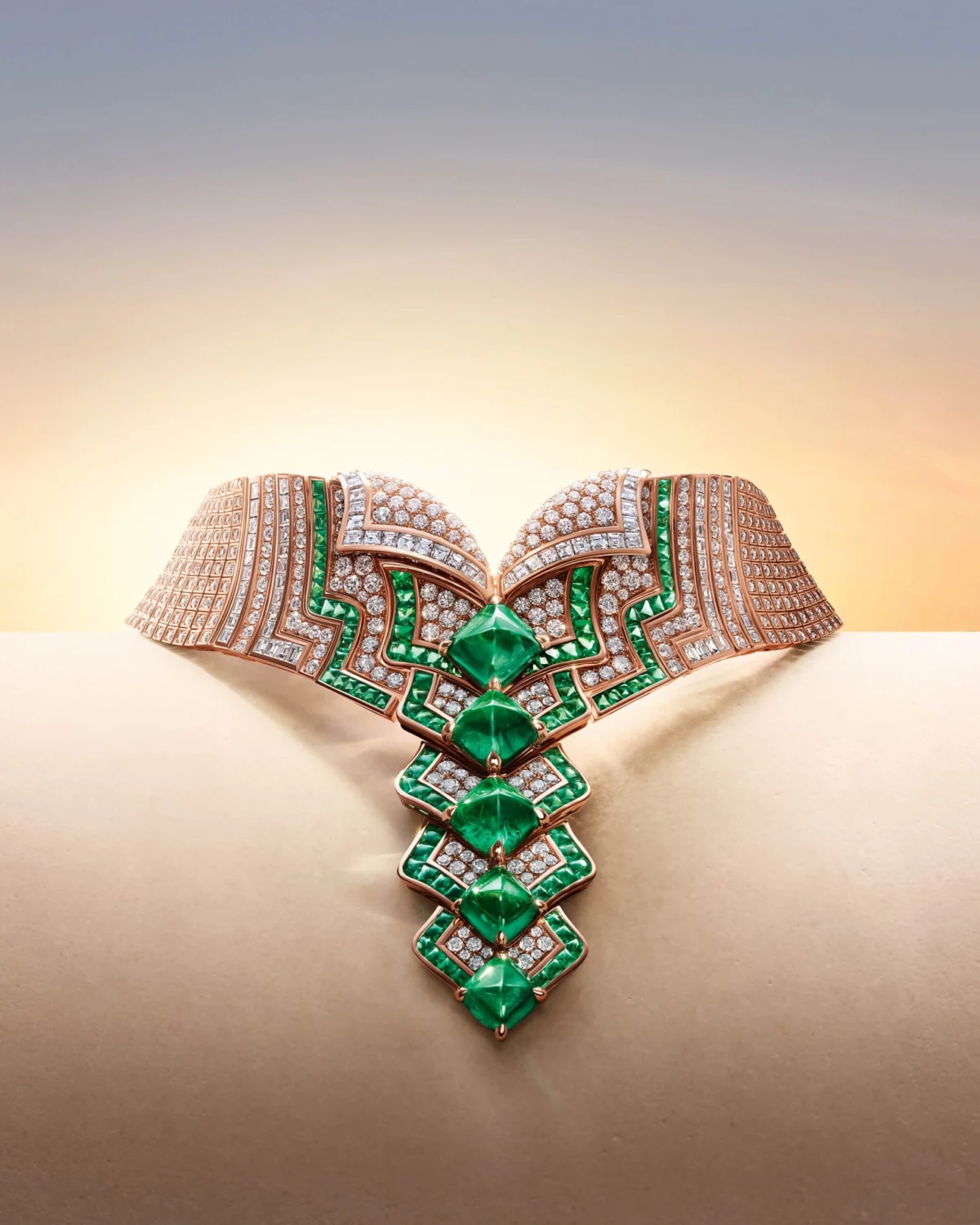
The global luxury landscape is undergoing a fundamental transformation as heritage houses pivot from product-centric releases to immersive brand ecosystems. In an era where exclusivity is increasingly defined by access and narrative, major players in spirits, automotive, and high jewellery are restructuring their launches around archival reinterpretation and controlled, experiential environments. By integrating design language, historical references, and long-term ownership services into a unified strategy, these brands are reinforcing their signature codes while fostering deeper psychological connections with a global cohort of design-literate collectors.
Ultra-Premium Spirits: From Passive Collection to Active Ritual
The high-end spirits sector is currently navigating a saturated market where age statements alone no longer guarantee distinction. To counter this, brands like The Glenrothes and The Macallan are leveraging cinematic history and avant-garde industrial design to create "collectible objects" that demand physical interaction.
The Glenrothes and the Kintsugi Philosophy
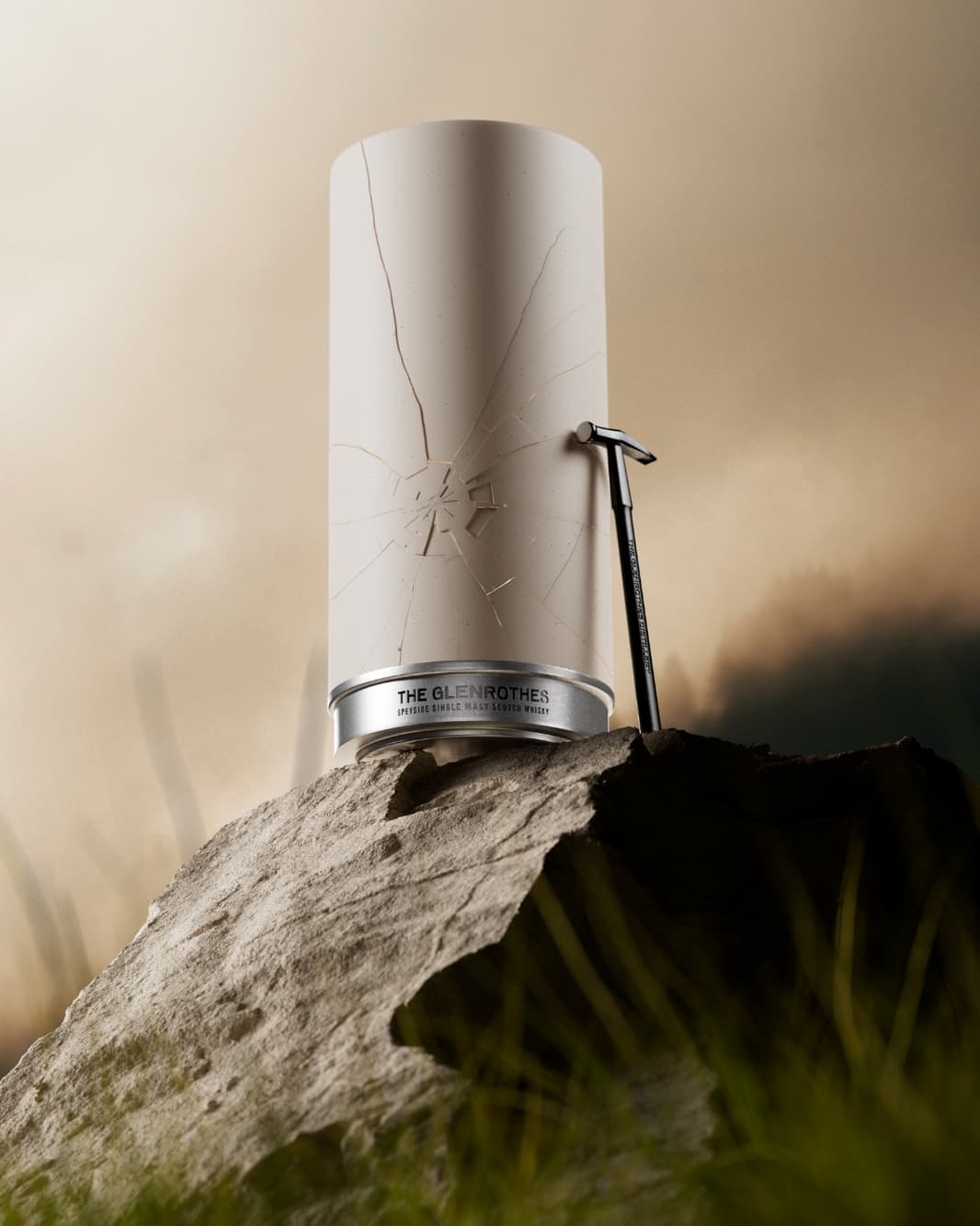
The Glenrothes has introduced "The 51," a 51-year-old single malt limited to just 100 bottles. While the liquid itself is rare—noted for maintaining a floral freshness unusual for a half-century-old spirit—the strategic focus is on the "ritual of access." Each bottle is encased in a solid Jesmonite column that requires a provided hammer to break open. This act of "destructive consumption" is balanced by a post-purchase restoration service where owners can return the fragments to be repaired using the Japanese Kintsugi technique, transforming the packaging into a permanent, bespoke piece of art.
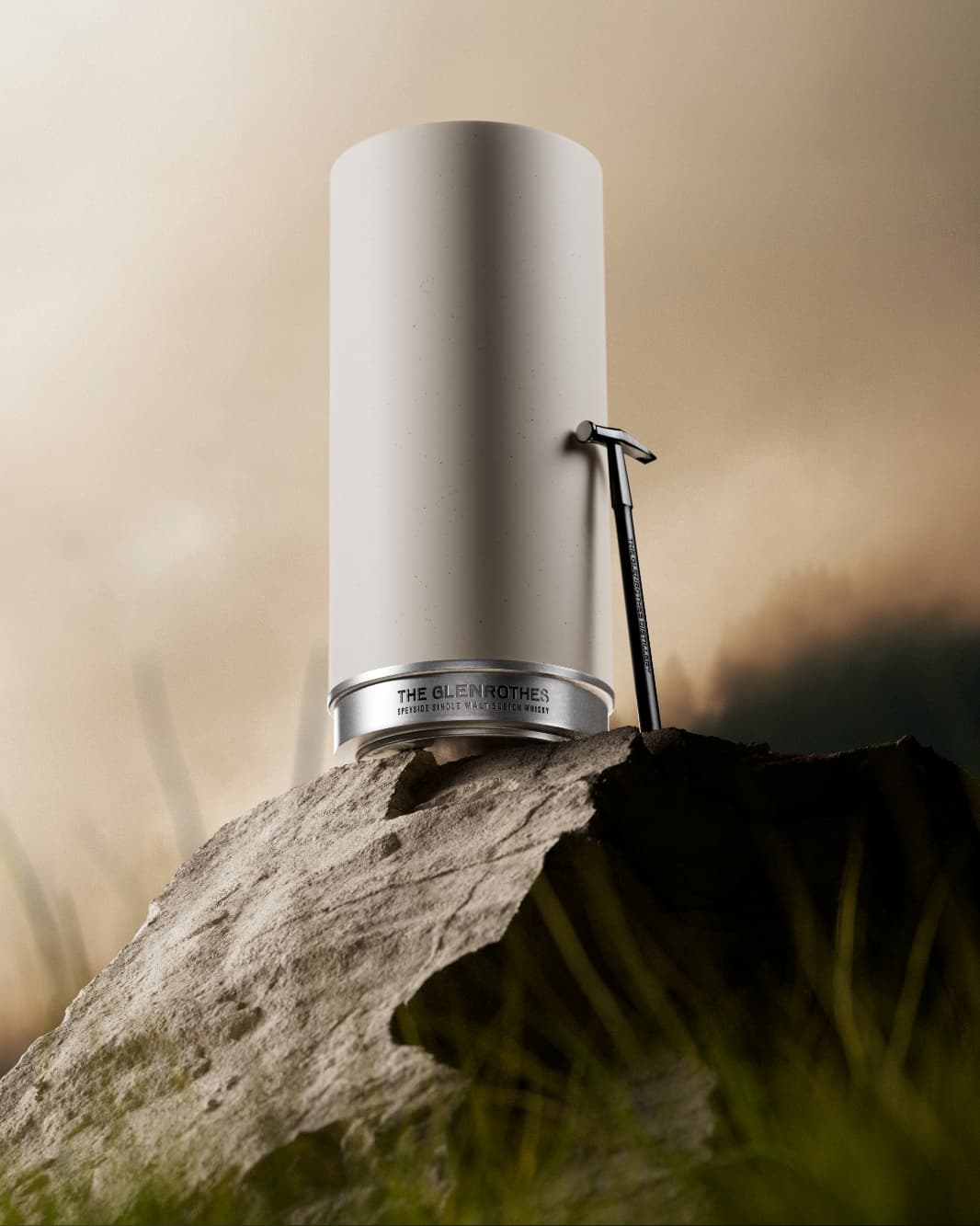
Industry analysts suggest this move targets a shift in UHNWI (Ultra-High-Net-Worth Individual) behavior, moving away from "cabinet collecting" toward experiential ownership. With a price point of approximately USD 50,000 and distribution through Sotheby’s and Harrods, the release reinforces a house style where the craftsmanship of the vessel is as vital as the chemistry of the distillation.
The Macallan’s Cinematic Continuity
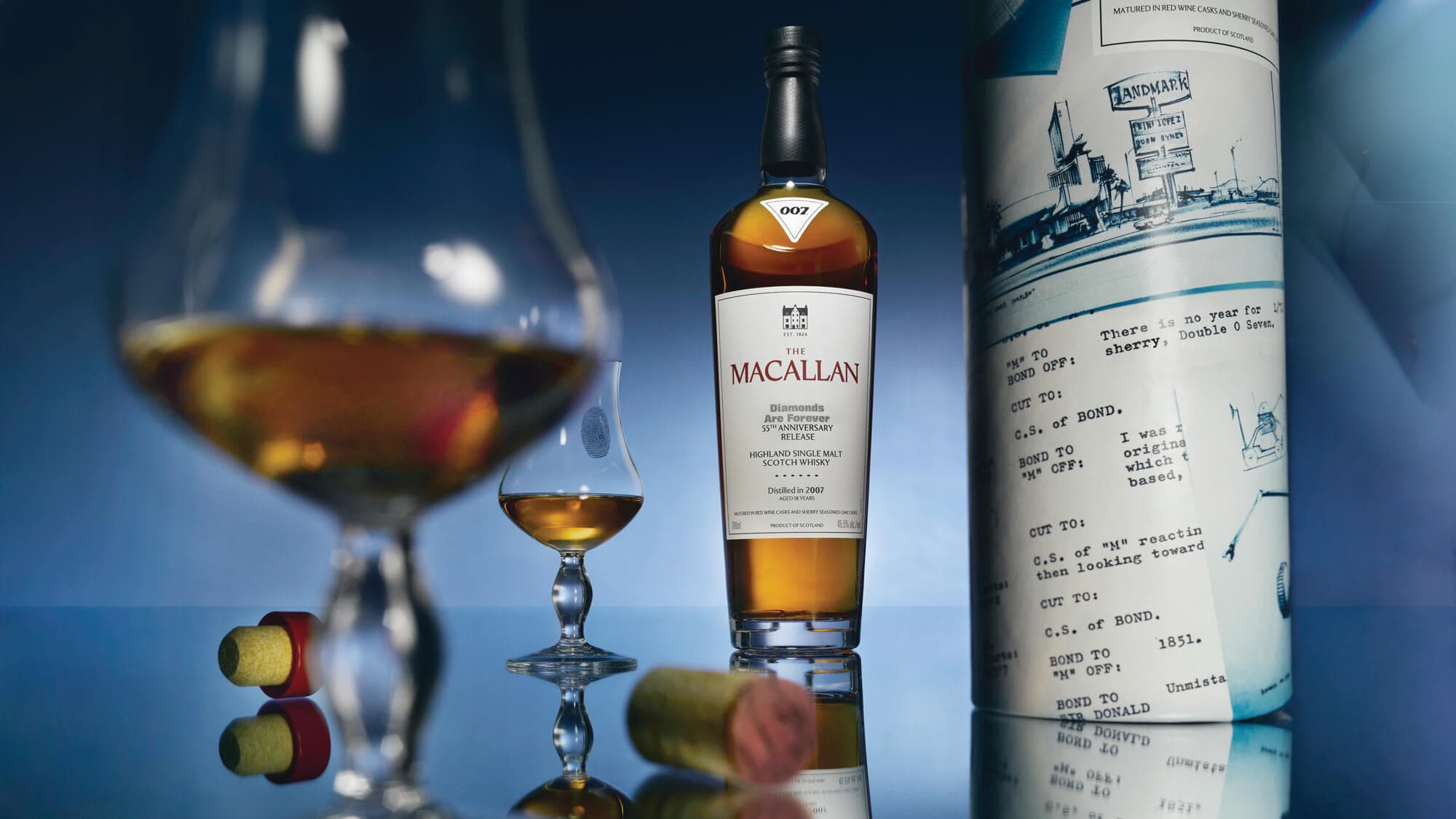
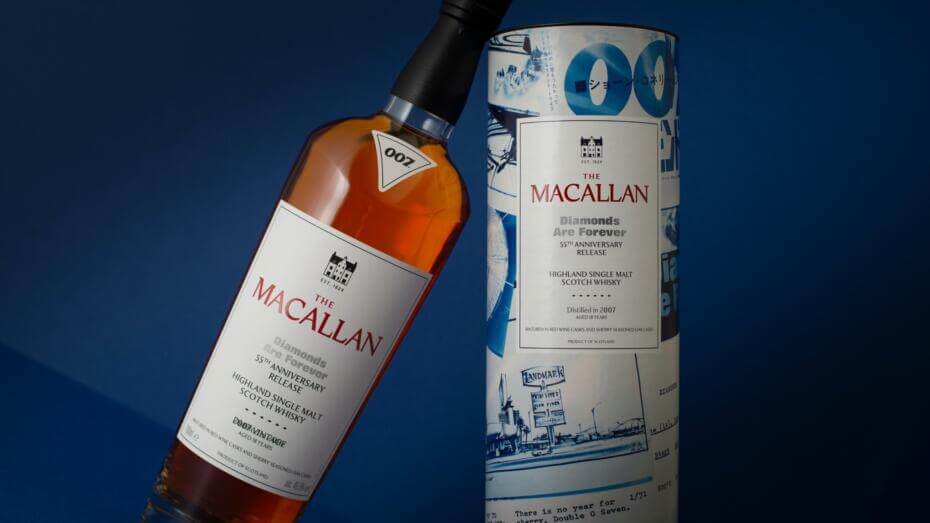
Simultaneously, The Macallan continues its multi-year alignment with the James Bond franchise. The "Diamonds Are Forever 55th Anniversary Release" commemorates the 1971 film while serving as a technical showcase for the distillery. Distilled in 2007 and matured for 18 years, the liquid utilizes a complex cask program involving sherry-seasoned European and American oak alongside former red wine casks—a nod to the film’s specific narrative details. By incorporating original production archives into the packaging, The Macallan positions itself as a cultural custodian, bridging the gap between luxury spirits and global cinematic intellectual property.
Luxury Motoring: The Evolution of Bespoke Manufacturing
In the automotive sector, the definition of luxury is shifting from the performance of the vehicle to the exclusivity of the manufacturing process itself. Legacy brands are increasingly inviting clients "behind the curtain" to witness the engineering of future technologies.
Rolls-Royce Coachbuild and the Private Office Network
Rolls-Royce has formalized its "Coachbuild Collection," a program that moves beyond one-off commissions into a structured, multi-year engagement. Rather than simply purchasing a car, selected clients are granted access to internal studios and development environments typically closed to the public. This visibility into the design, engineering, and testing phases is managed through the brand’s global Private Office network, which has recently expanded into key hubs like Dubai and Shanghai.
The first release under this new framework will be a fully electric motor car. This signals a strategic integration of Rolls-Royce’s traditional design language with its long-term electrification goals. For the brand’s most loyal collectors, this proximity to the creative process serves as the ultimate luxury, transforming the acquisition of a vehicle into a collaborative historical milestone.
Alfa Romeo’s Electric Transition
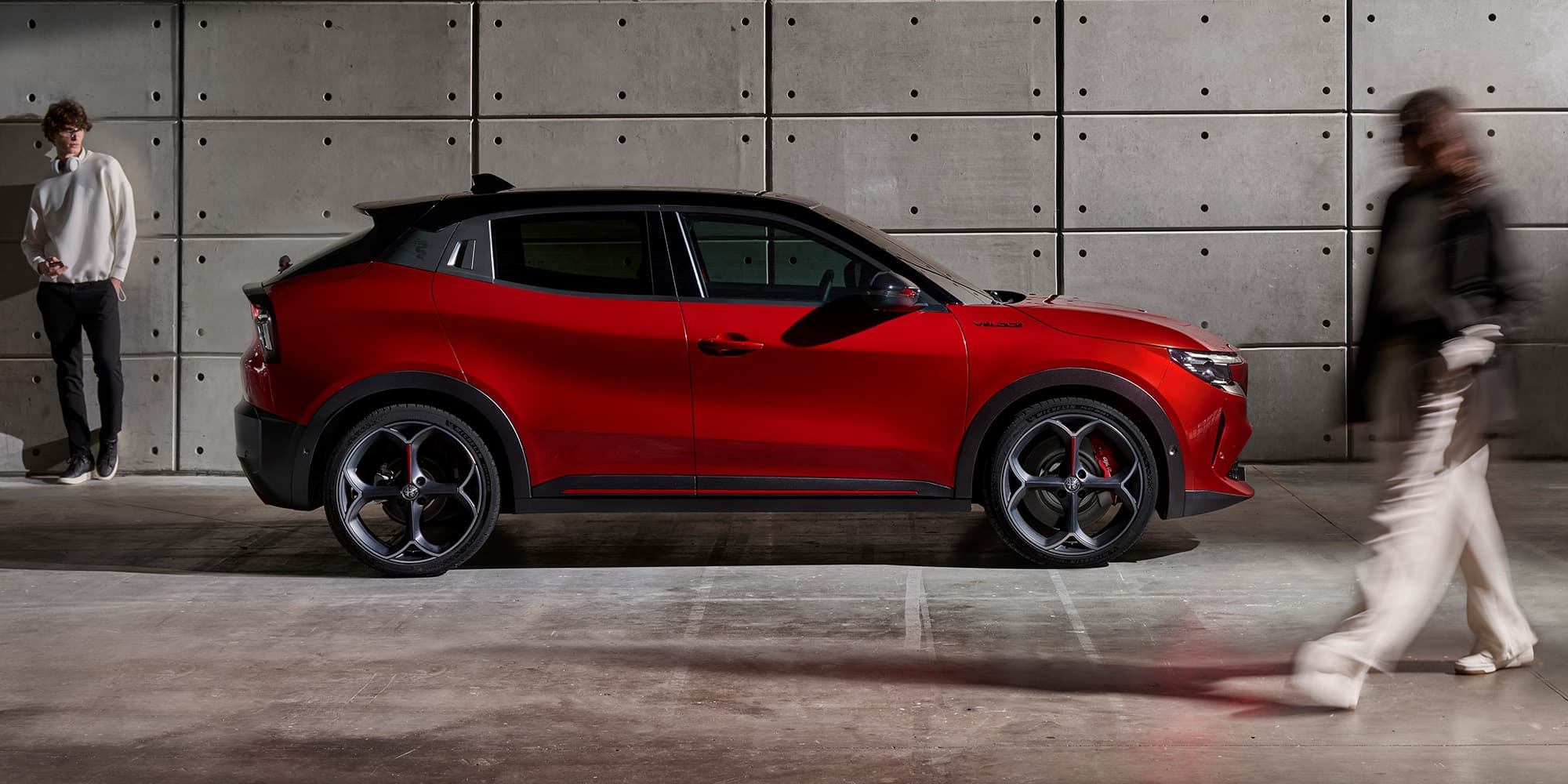
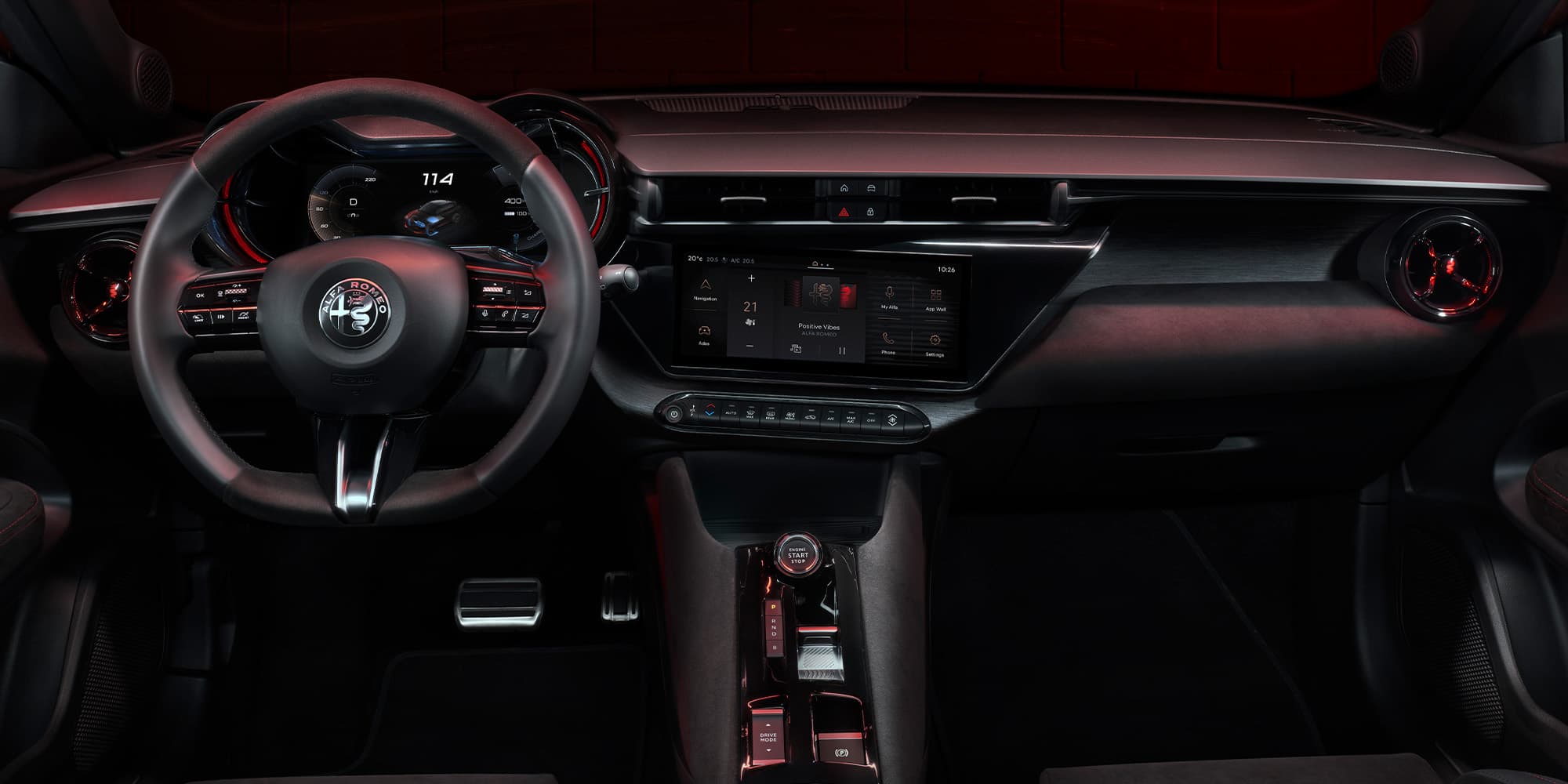
Alfa Romeo is navigating its own transition with the Junior Elettrica, the brand’s first fully electric vehicle. The challenge for legacy performance marques is maintaining "soul" and "driver engagement" in the absence of internal combustion. The Junior Elettrica addresses this through a driver-centric interior architecture and a range of configurations from 156 to 280 horsepower. By maintaining signature elements such as the 400-litre boot and sporty cockpit ergonomics, Alfa Romeo is attempting to prove that its identity is rooted in design-led engineering rather than powertrain alone.
High Jewellery: Eclecticism and Transformability
The high jewellery market in 2026 is being shaped by a demand for versatility and "wearable art" that can adapt to different social contexts. Brands are responding with modular designs that highlight both gemstone rarity and technical complexity.
Bulgari’s Roman Layers
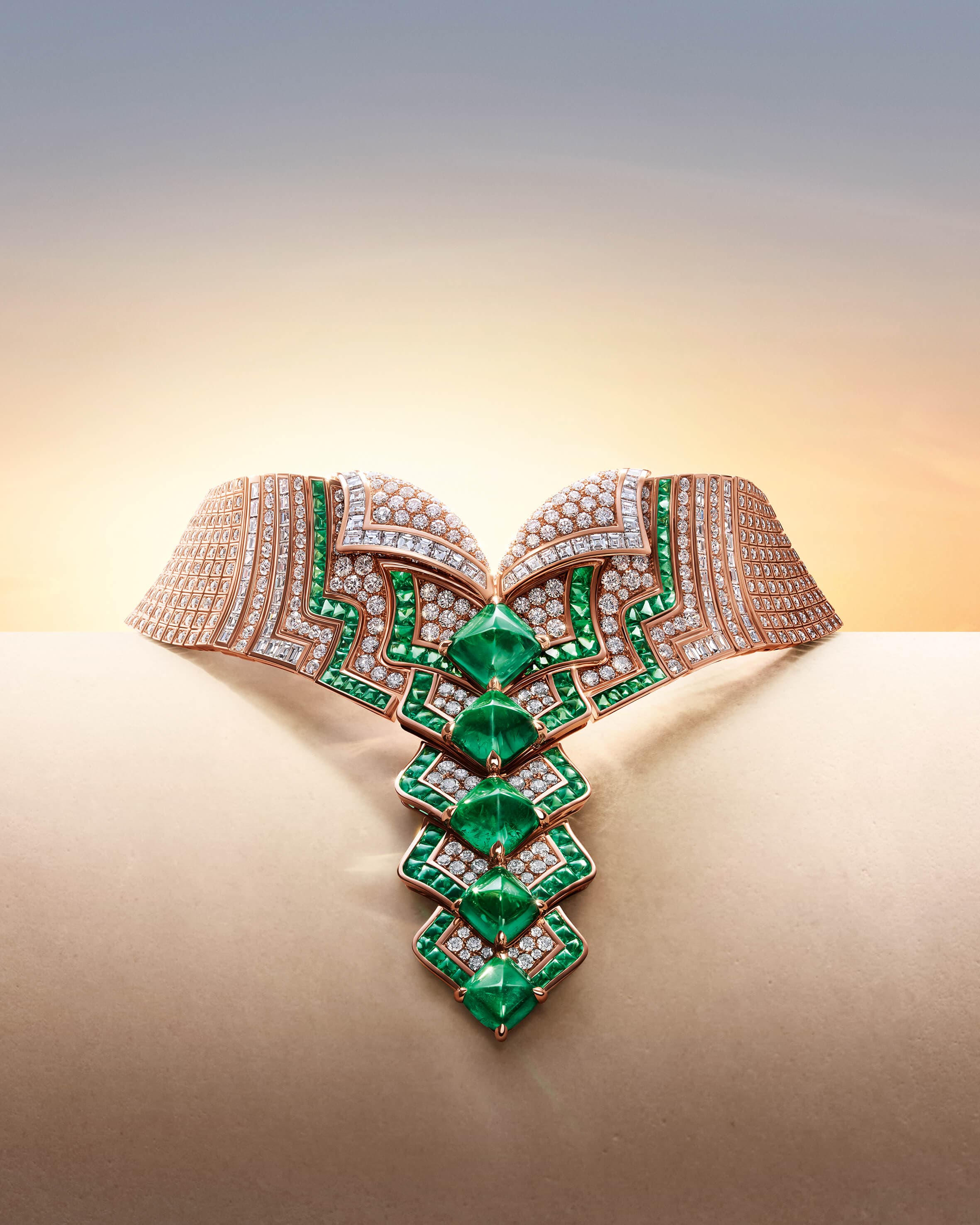
Bulgari’s new "Eclettica" collection formalizes eclecticism as a core design principle. With over 150 creations, the collection is rooted in the "layered" history of Rome, where architectural and sculptural motifs from different eras coexist. The highlight of the collection is the "Capolavori" tier—nine works of extreme complexity.
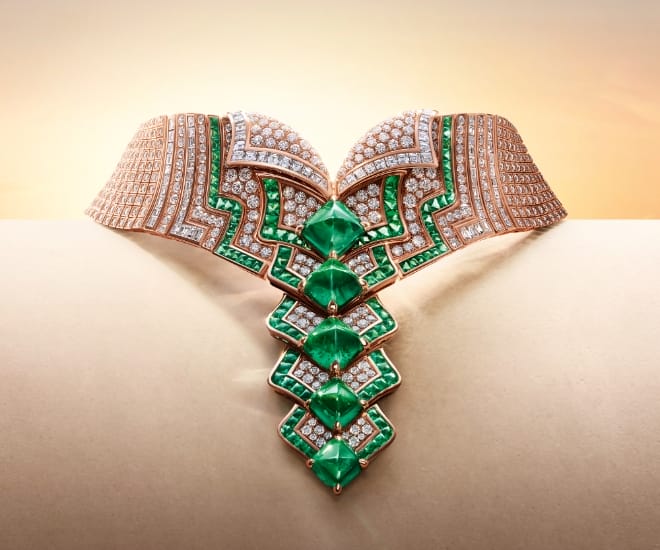
The collection’s focus on transformability is exemplified by the "Serpenti Scarf" necklace. Composed of over 1,000 individual components and requiring 1,600 hours of assembly, the piece features a 31.90-carat Sri Lankan sapphire that can be detached and worn as a brooch. This modular logic extends to the "Secret Garden" necklace and the "Incontro Segreto" ring, reflecting a broader industry trend where the "value" of a piece is tied to its mechanical ingenuity as much as its carat weight.
Boucheron’s Psychology of Scale
Maison Boucheron is taking a different approach to its signature "Quatre" collection by focusing on scale. The "Quatre XS" launch introduces a miniaturized version of the iconic four-band ring. By maintaining the four established codes—Grosgrain, Clou de Paris, Double Godron, and the diamond line—Boucheron reinforces its historical links to Parisian architecture and textile history while making the collection more accessible for "stacking" and daily wear. The global campaign, featuring ambassadors like Daisy Edgar-Edwards and Han So-hee, emphasizes that the brand’s identity is robust enough to survive significant changes in proportion.
Lifestyle and Technology: Archival Grids and AI Interfaces
In the lifestyle and accessories space, brands are balancing the nostalgic appeal of the past with the functional requirements of the future. This dual-track strategy is evident in the latest releases from RIMOWA and EssilorLuxottica.
RIMOWA’s 1969 Archive Reference
RIMOWA has released the "Classic Aluminium Grid," a limited-edition series of 1,969 pieces. The collection revisits a specific 1969 archive reference, replacing the brand’s traditional vertical grooves with a pressed geometric grid. This release highlights the enduring relevance of anodized aluminium, a material RIMOWA has championed since the 1920s. By incorporating historical blue tones and archival logos on the leather touchpoints, RIMOWA appeals to "design purists" who value the evolution of industrial aesthetics.
The AI Frontier: Meta and EssilorLuxottica in Singapore
On the technological front, EssilorLuxottica and Meta Platforms are expanding their AI eyewear partnership into Southeast Asia, with Singapore serving as the regional launchpad. The release of Ray-Ban Meta and Oakley Meta glasses represents the most successful integration of wearable technology and fashion to date.
The second-generation hardware includes 12MP cameras and 3K video recording, but the true innovation lies in the "Meta AI" interface, which allows for real-time, hands-free interaction. By embedding these features into classic frames like the Wayfarer and the performance-oriented Oakley Vanguard, the partnership avoids the "gadget" aesthetic that hindered previous smart-glass attempts. This launch signals a shift where eyewear is no longer just a corrective or protective tool, but a primary interface for contextual computing.
Analysis: The Strategic Shift Toward Unified Brand Storytelling
The common thread across these diverse sectors is a shift toward "controlled environments." Luxury brands are no longer content with simply placing products on shelves; they are curating the entire lifecycle of engagement.
- Access-Led Experiences: Whether it is the Rolls-Royce Private Office or the Glenrothes Kintsugi service, brands are selling proximity to the "source" of creation.
- Archival Authority: By referencing 1969 (RIMOWA) or 1971 (The Macallan), brands are insulating themselves against fast-moving trends by rooting their value in historical continuity.
- Cross-Disciplinary Design: Bulgari’s use of architectural principles and The Macallan’s use of cinematic motifs show that luxury is becoming a "universal language" where design codes from one field are seamlessly applied to another.
As the luxury market continues to evolve, the success of these houses will likely depend on their ability to maintain this balance between heritage and innovation. By reinforcing their signature codes through immersive storytelling and experiential launches, they are ensuring that their brand identity remains distinct in an increasingly crowded global marketplace. The move toward "active ownership"—where the client must break a case, reconfigure a jewel, or collaborate on a car’s design—marks the beginning of a new era in the relationship between luxury houses and their patrons.
