
 By admin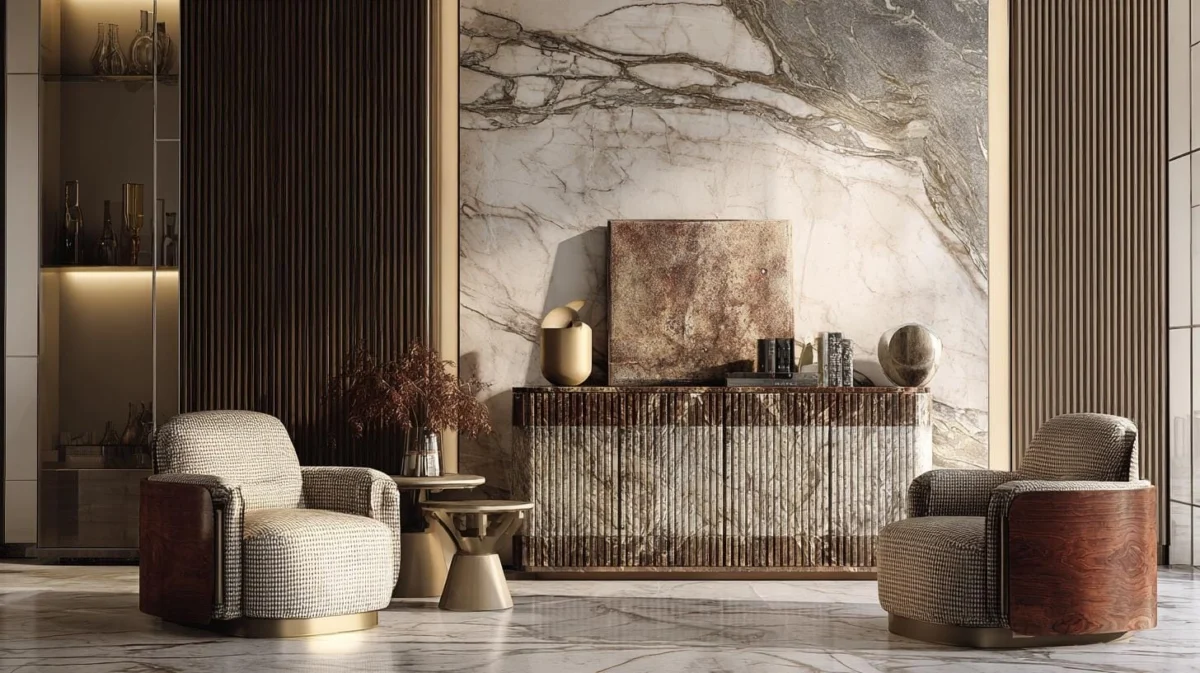
The most compelling interiors draw their inspiration from the point of entry, where disciplined design transforms a transitional space into a statement of intent. In the evolving landscape of global interior design, the threshold has moved beyond a mere functional necessity to become the primary indicator of a residence’s architectural integrity and the inhabitant’s lifestyle philosophy. As the luxury real estate market increasingly prioritizes "wellness-centric" and "quiet luxury" aesthetics, the entrance hall now serves as a critical buffer zone that sets the emotional and visual tempo for the entire home.
In contemporary high-end residential design, a home rarely declares its standards through sheer volume or ostentatious display. Instead, the modern standard of excellence is defined by control and legibility. Upon entering a well-conceived space, the eye requires a moment to adjust, and within these seconds, the interior makes its case. While many homes feature visually expensive living and dining areas, the distinction between a truly refined interior and a merely decorated one often resides in the threshold. Arrival spaces are tasked with a complex set of demands: they must absorb the momentum of the outside world, accommodate daily necessities, and establish an atmosphere of calm—all without appearing overworked or cluttered.
The Evolution of the Residential Threshold
The historical trajectory of the entryway reflects broader shifts in social hierarchy and domestic life. In the grand estates of the 18th and 19th centuries, the foyer was designed as a space of intimidation and power, characterized by soaring ceilings, heavy ornamentation, and cold materials intended to impress visitors. By the mid-20th century, the rise of suburban architecture introduced the "mudroom" and the utilitarian hallway, prioritizing efficiency over aesthetics.

However, the 2020s have seen a synthesis of these two extremes. The contemporary entryway is no longer a space of formal performance or purely utilitarian transit; it is a sensory-aware environment designed to facilitate a psychological transition. Industry data suggests that homeowners are investing more heavily in these "non-primary" spaces than in previous decades. According to recent market analysis in the luxury furniture sector, sales of perimeter furniture—specifically console tables, statement mirrors, and integrated lighting—have seen a 15% year-over-year increase as residents seek to "curate" the experience of coming home.
The Three Pressures of Entryway Composition
A well-composed entrance must resolve three competing pressures simultaneously: circulation, utility, and presence. Failure to address any one of these leads to a space that feels unresolved or impractical.
1. The Dynamics of Circulation
The entryway is, first and foremost, a zone of movement. Architects and designers emphasize that the path of travel must be intuitive. People need to enter, pause, and proceed without a sense of physical compression. This requires a disciplined approach to furniture placement. In smaller or more transitional homes, the choice of a slim-profile console table or a wall-mounted ledge is not merely a stylistic choice but a strategic one to protect the "flow" of the home. When circulation is compromised, the entire interior feels smaller and more chaotic.
2. The Mandate of Utility
The threshold is the collection point for the artifacts of daily life. Keys, mail, sunglasses, and bags gravitate toward the door. Refined interiors acknowledge this reality rather than ignoring it. The most successful designs incorporate "storage logic"—integrated trays, hidden drawers, or discreet shelving—that allows these objects to exist without disrupting the visual order. Designers argue that an entryway that lacks a functional landing surface is on "borrowed time," as it will inevitably succumb to the clutter of daily use.
3. The Requirement of Presence
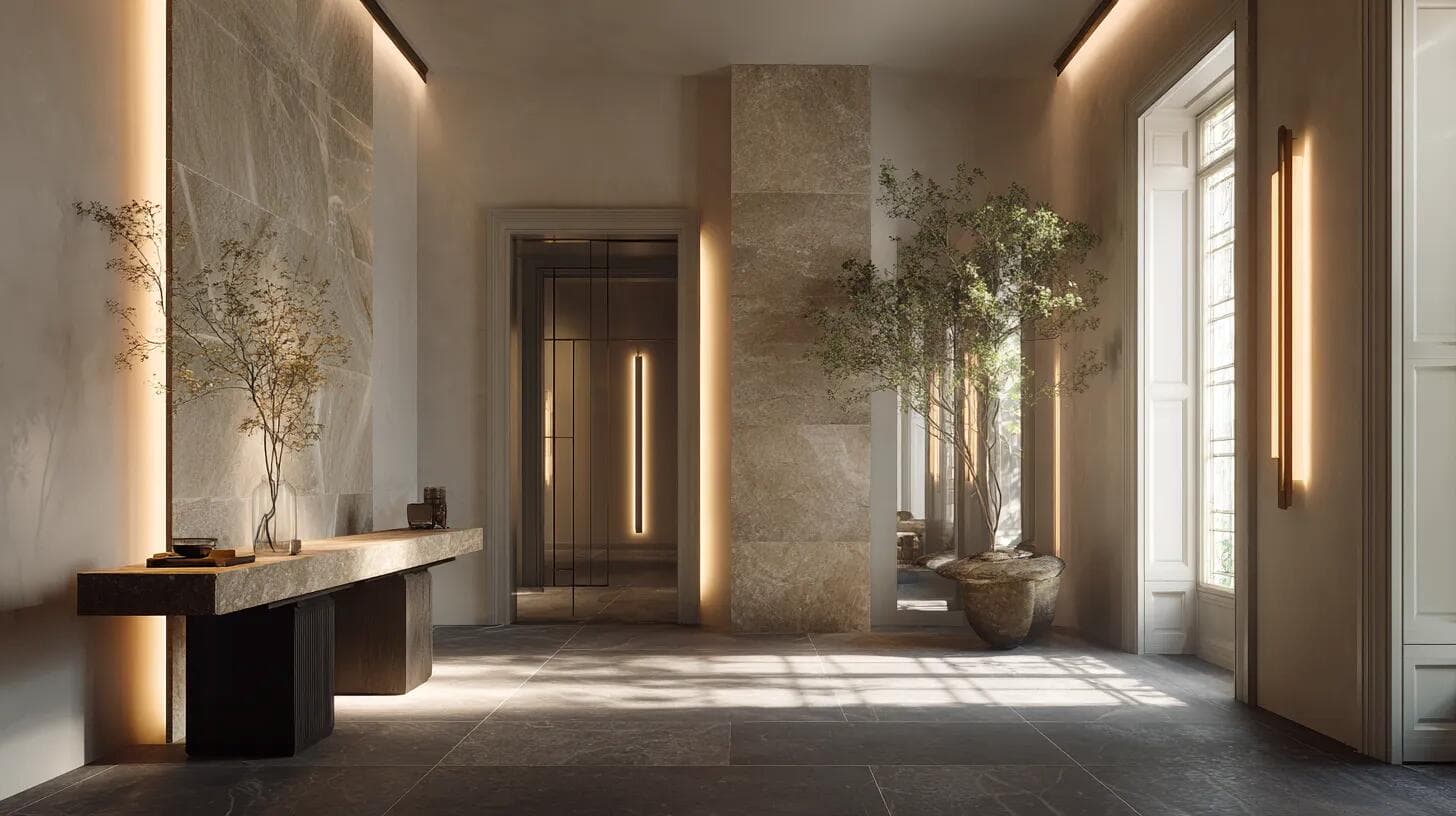
An entrance requires a visual anchor, particularly in homes with open-plan layouts or long, featureless hallways. Without a focal point, the eye wanders, and the sense of "arrival" is lost. This is where perimeter furniture acts as architecture. A well-proportioned console table or a singular piece of sculpture provides a horizontal line that grounds the space, giving the eye a place to settle and allowing the rest of the home’s design language to unfold naturally.
The Role of Perimeter Furniture and Materiality
One of the most reliable methods for stabilizing an entrance is the use of furniture that behaves more like an architectural element than an ornament. The strongest pieces define a plane and hold the wall, establishing a sense of permanence. Proportion in this context is more vital than novelty. A piece that is too slight disappears against the scale of the wall, while one that projects too far interrupts the physical path.
Materiality also plays a significant role in the emotional reading of the threshold. Reflective finishes, such as polished metal or lacquered wood, can sharpen a space and lend it a formal, modern edge. Conversely, natural materials like oak, walnut, or honed stone introduce warmth and softness, signaling a transition into a private sanctuary. Recent trends in 2025 and 2026 design forecasts indicate a move toward "tactile minimalism," where the luxury is found in the quality of the grain or the weight of the stone rather than in decorative flourishes.
Common Pitfalls in High-End Entryway Design
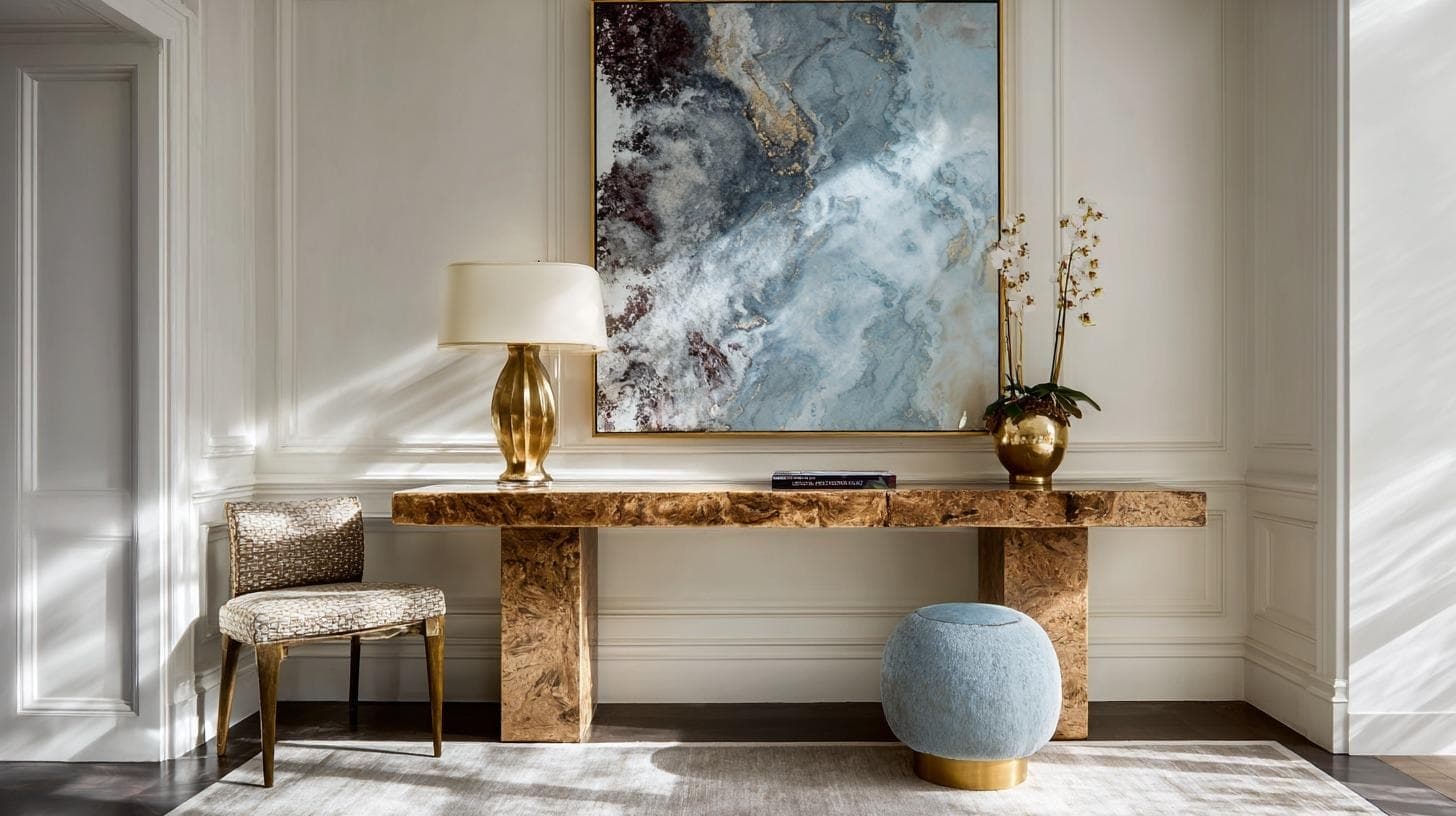
Even in expensive homes, the entrance is frequently mishandled. One common error is the confusion of decoration with composition. Homeowners often place a modest piece of furniture against a large wall and, sensing a lack of "presence," attempt to compensate by layering mirrors, lamps, florals, books, and various objects. This often results in a "nervous" arrangement that feels cluttered rather than curated.
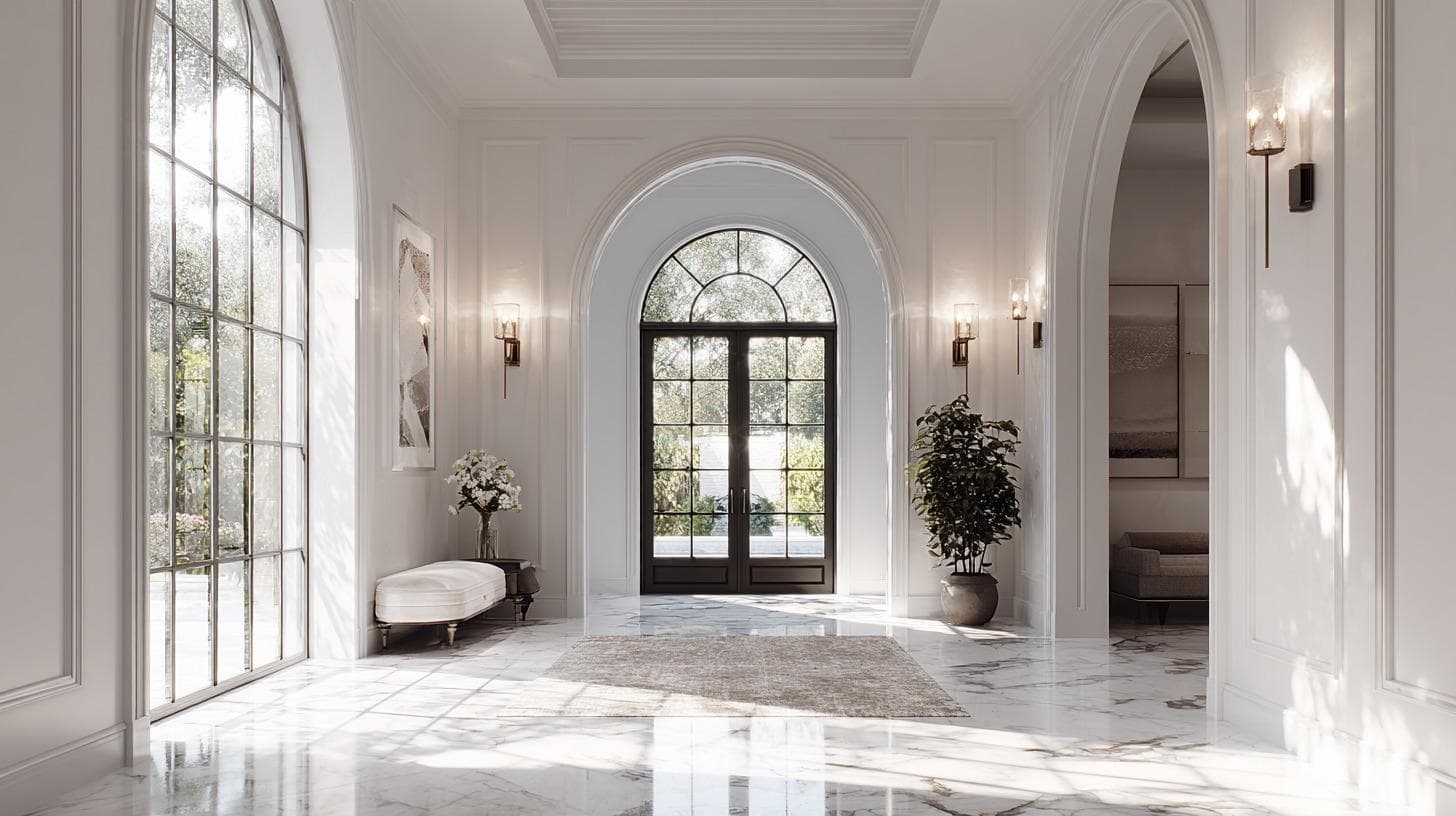
Lighting is another area where design frequently falters. Entrances benefit from controlled, warm lighting that allows architectural forms to register through shadow and highlight. Overly bright overhead lighting can flatten a scene, exposing every object with equal intensity and stripping the space of its atmosphere. A more sophisticated approach utilizes layered lighting—perhaps a table lamp combined with discreet wall sconces—to create a sense of depth.
Furthermore, the "stage set" mentality can be detrimental. A threshold should not look as though it has been styled exclusively for a photograph. When a surface performs too many roles or holds too many purely decorative items, it loses its authority and becomes a chore to maintain.
Expert Perspectives on Real Estate Impact
The importance of the entryway is not lost on the real estate industry. Leading property consultants note that the "five-second rule" of home viewing is centered almost entirely on the threshold. A home that presents a composed, calm, and organized entrance is perceived as being better maintained and more valuable.
"The entryway is the first editorial sentence of the home," says one London-based interior architect. "It tells the story of the rest of the house. If that first sentence is garbled or cluttered, the visitor—or the owner—enters with a sense of unease. When it is clear and confident, it establishes a foundation of trust."
This sentiment is backed by a growing body of research in environmental psychology, which suggests that the "decompression" experienced at the threshold of a home significantly impacts the stress levels of the inhabitants. A clear, well-ordered entrance facilitates a faster transition from the "high-beta" brainwaves of the working world to the more relaxed states associated with domestic life.
A Framework for Reassessing the Threshold
For those looking to refine their own arrival spaces, designers suggest a sequence of evaluation based on the following criteria:
- The Visual Anchor: Identify where the eye settles first. If there is no clear focal point, the space likely needs a stronger horizontal line or a singular, high-quality furnishing.
- The Ritual of Arrival: Physically walk through the entry process with the items typically carried (keys, bags, mail). If the current setup interrupts this movement or offers no place for these items, the design is failing its functional mandate.
- The Multi-Angle Edit: Ensure the composition looks intentional from several angles, not just from the front door. Because entryways are experienced in motion, the arrangement must hold together as the viewer passes through it.
- Tonal Alignment: Assess whether the threshold previews the home’s broader design language. A modern minimalist home with a highly traditional, cluttered entryway creates a "narrative break" that feels unsettled.
Conclusion: The Confidence of Calm
The most successful entrances do not strive to shout a welcome; they make order feel effortless. In an era where the home is increasingly viewed as a sanctuary from a chaotic external world, the threshold has become the most important room in the house for establishing a sense of peace.
Ultimately, the architecture of arrival is about more than just furniture or finishes. It is about how confidently a home knows where to begin. By prioritizing proportion, utility, and restraint over excess, the entryway becomes a powerful statement of intent—a preview of a life lived with clarity and purpose. As luxury continues to be redefined by silence and space rather than noise and objects, the disciplined threshold remains the ultimate expression of a refined interior.
