
 By admin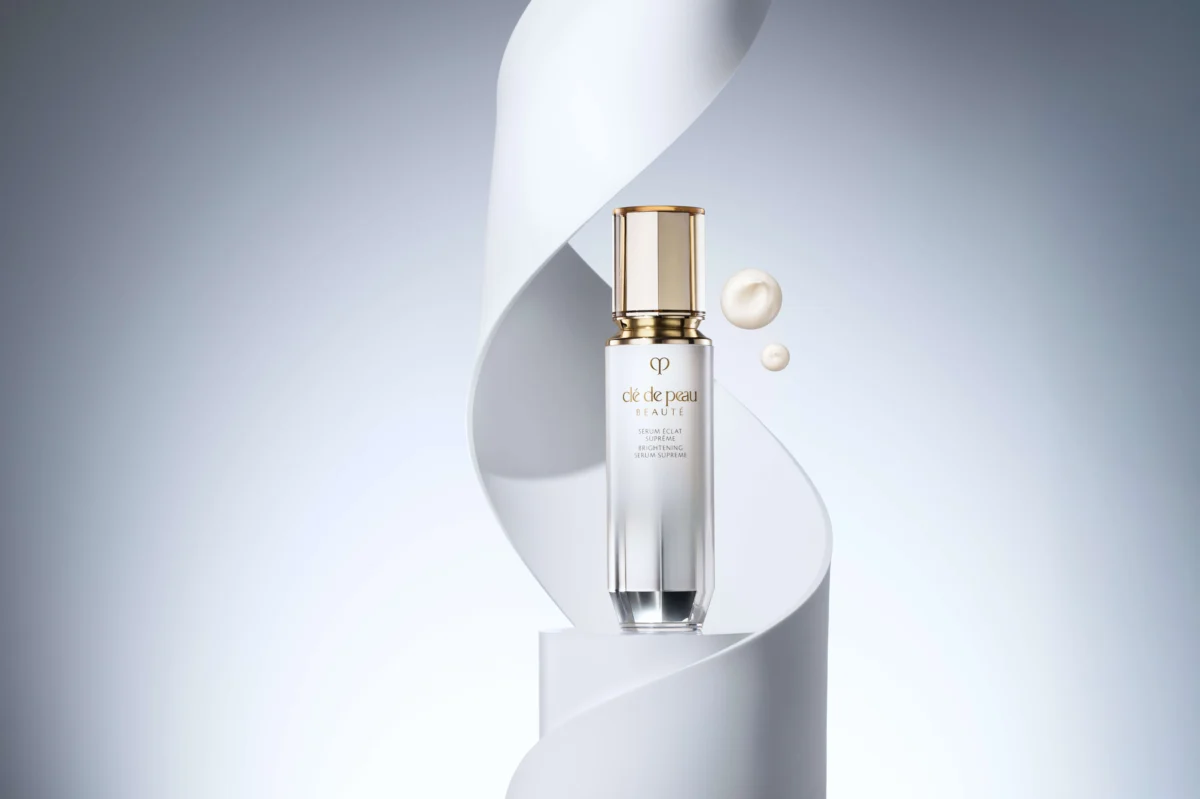
Nature remains the most enduring and adaptable catalyst for the luxury sector, moving beyond mere aesthetic mimicry to shape the very construction, formulation, and experience of modern high-end products. In the current market landscape, luxury houses are no longer content with surface-level floral prints or animal motifs; instead, they are engaging in a sophisticated process of translation. This evolution sees biological forms reworked through molecular science in beauty, "hyper-craft" in fashion, and sculptural precision in high jewellery. By examining the Autumn/Winter 2026 releases and contemporary flagship offerings, it becomes evident that nature serves as both the origin and the functional outcome of the industry’s most ambitious creative endeavors.
The Molecular Evolution of Botanical Beauty
The intersection of luxury skincare and botany has transitioned from simple herbalism to high-performance molecular stabilization. Brands are now focusing on the "structural integrity" of natural elements to combat cellular aging.
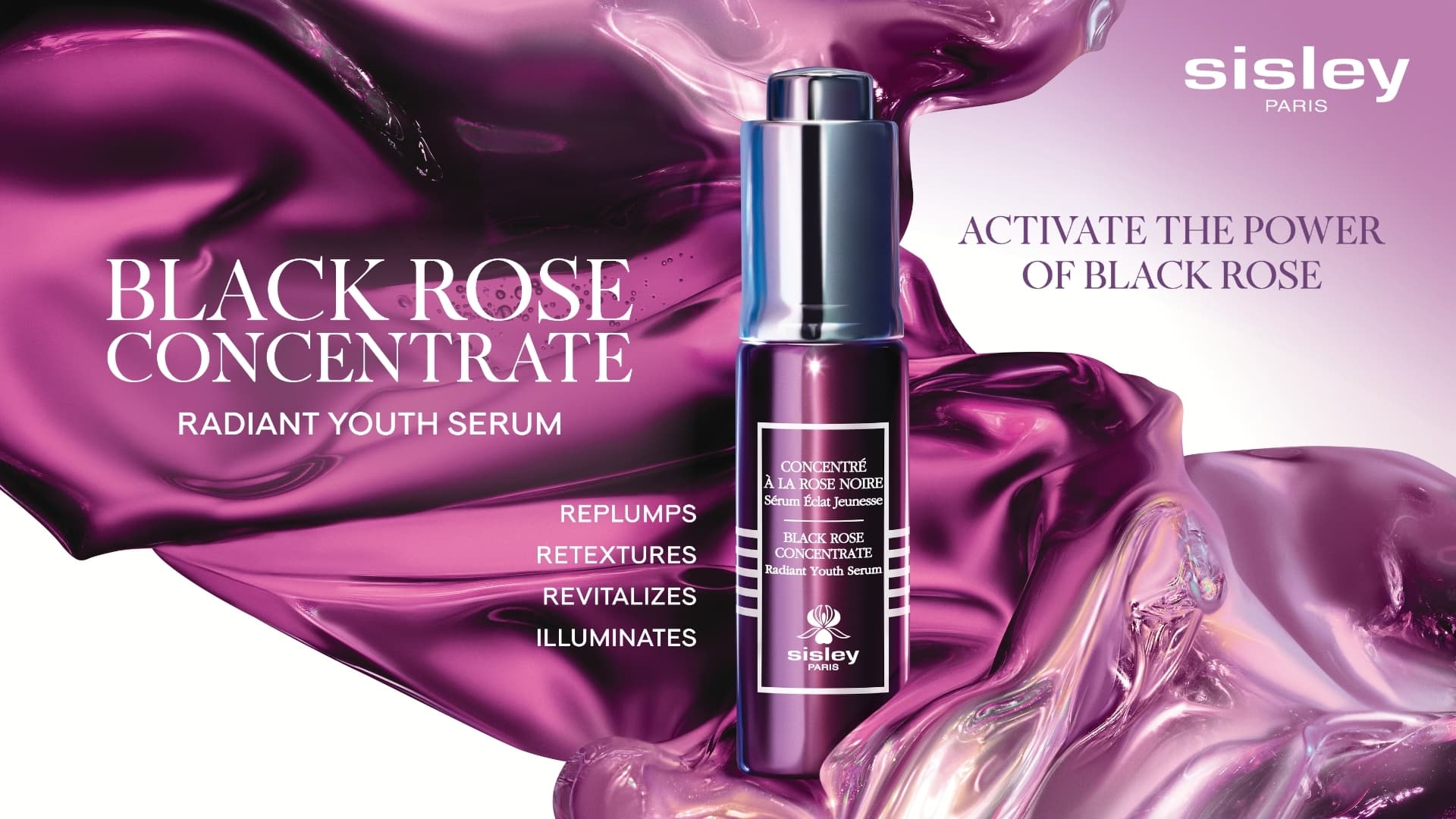
Sisley Paris’s Black Rose Concentrate Radiant Youth Serum represents a significant milestone in this trajectory. Centered on the Black Baccara rose—a flower cultivated specifically in the South of France for its deep hue and high concentration of anthocyanins—the product is the result of over 100 extraction trials. The technical challenge for Sisley lay in the inherent fragility of the rose’s molecules. To preserve antioxidant potency, the brand utilized advanced encapsulation technology, ensuring that the active ingredients remain protected until they reach the skin’s surface. This process effectively converts a perishable botanical into a stable, high-performance system designed to target early-stage cellular senescence.
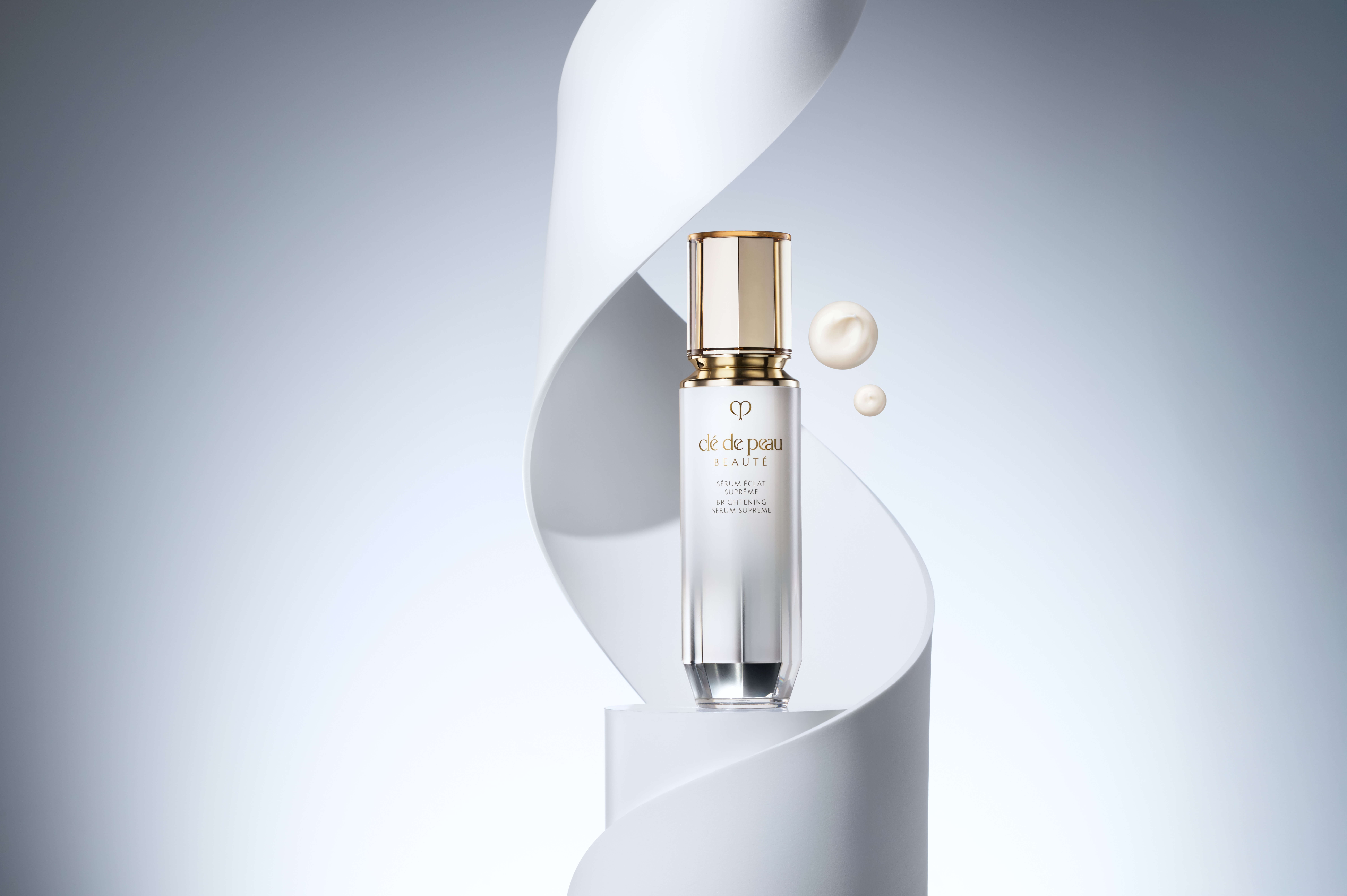

Similarly, Clé de Peau Beauté has looked toward marine biology for its Brightening Supreme Series. The reformulation introduces Luminous Algae Extract, derived from rare seaweed found in the cold coral reefs of France. Unlike traditional brightening agents, this algae is selected for its unique light-reflecting properties, which absorb and emit light across multiple frequencies. The brand’s commitment to "blue beauty" is reflected in its harvesting methods; the seaweed is hand-cut in COSMOS-certified areas to ensure regrowth. By combining this with a Sea Ferment Brightener derived from the deep-sea microorganism Alteromonas, the brand demonstrates how luxury skincare now translates marine regenerative power into controlled, functional radiance.
Olfactory Architecture: From Skin to Environment
In the realm of fragrance, nature is being used to construct a "sense of place" and an immersive lifestyle experience. The traditional boundaries between personal perfume and home environment are blurring as houses create modular scent identities.
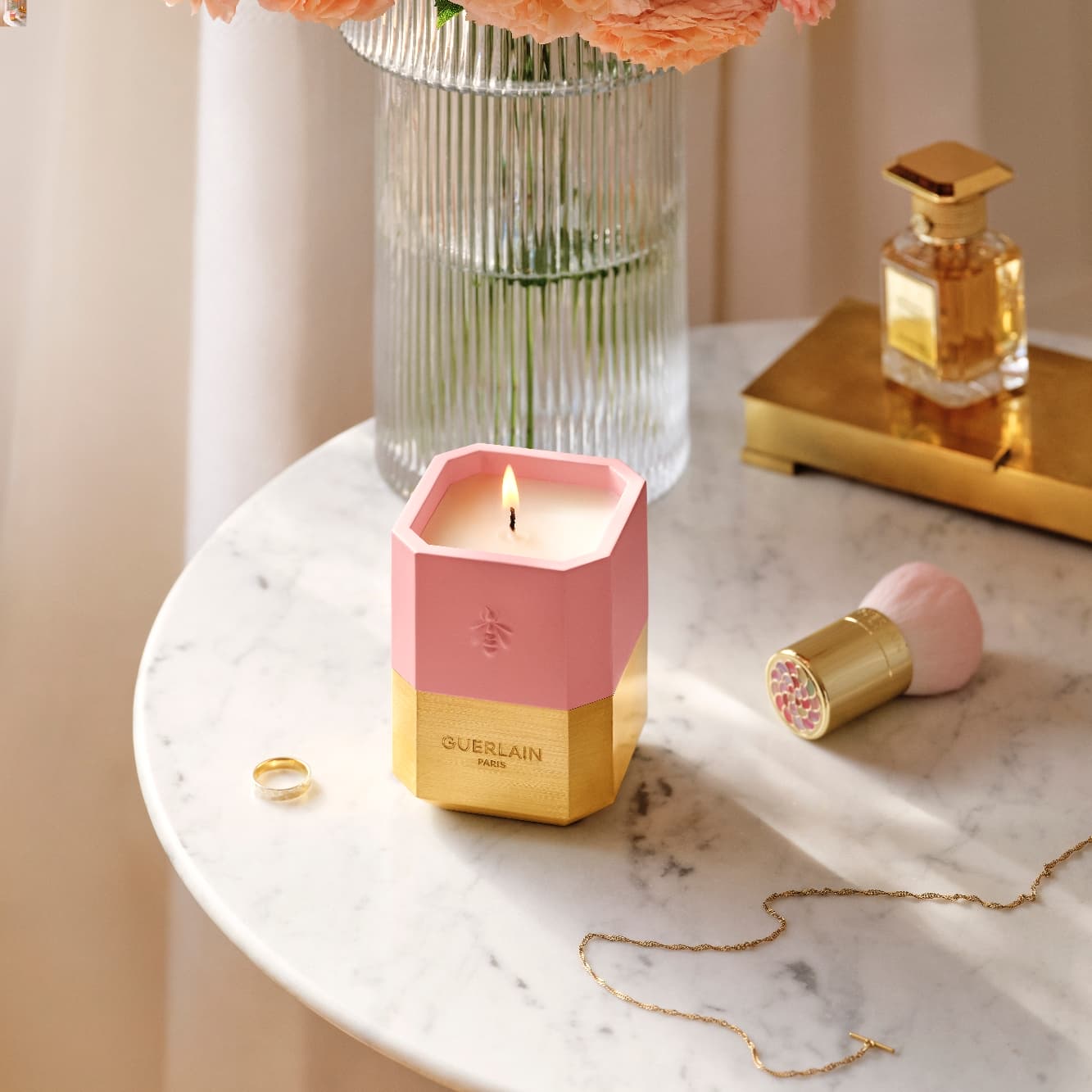
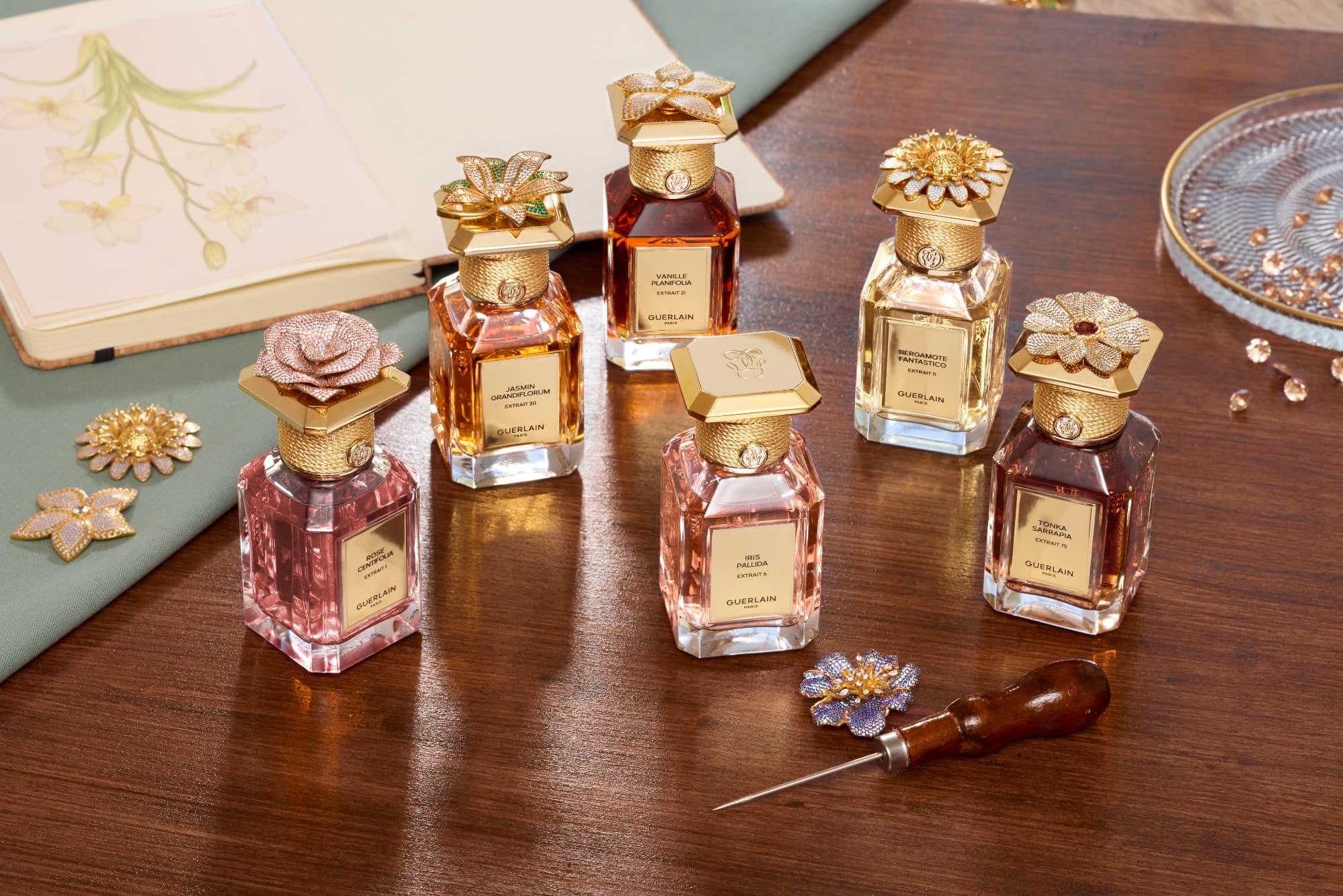
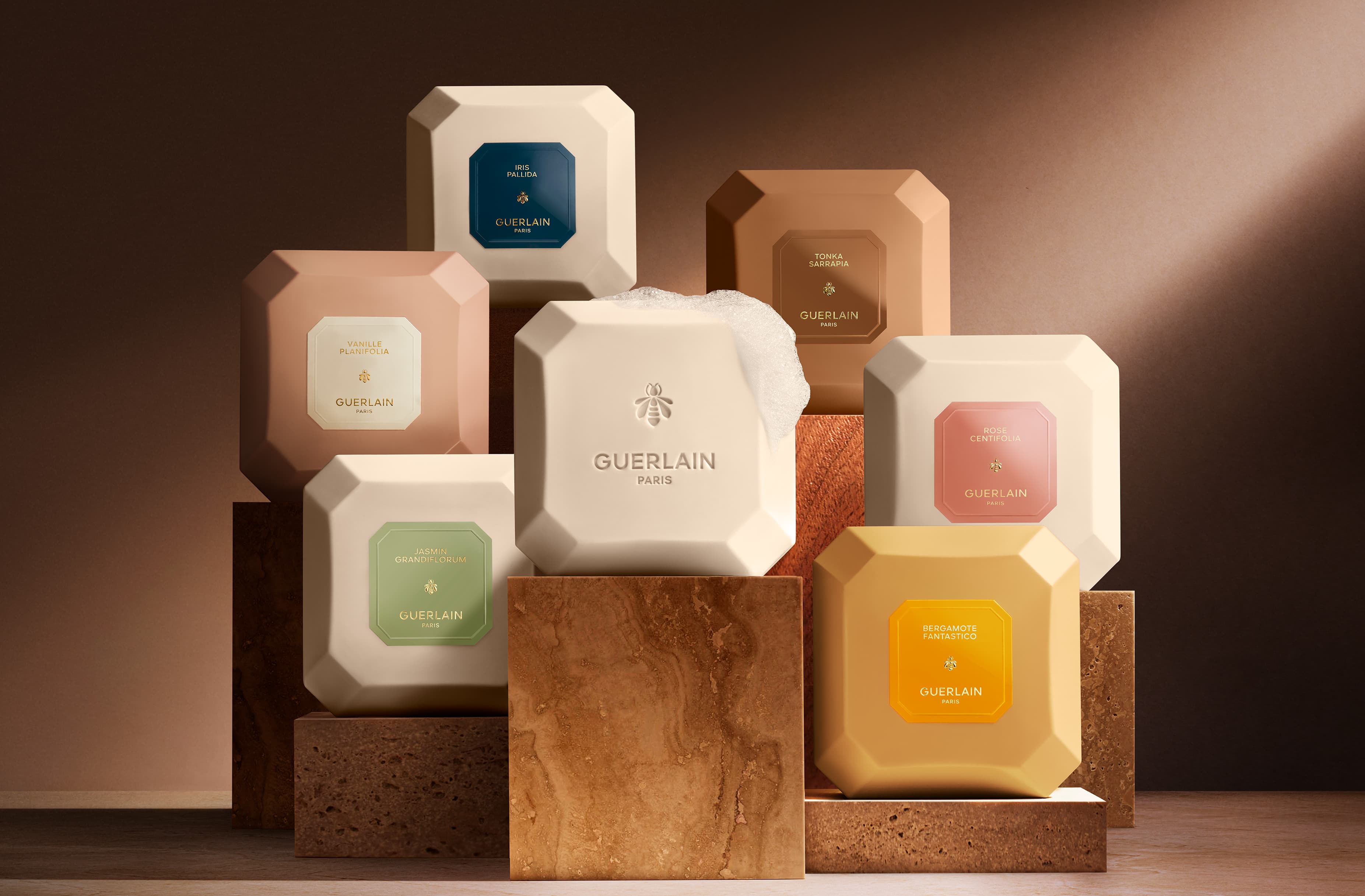
Guerlain’s L’Art & La Matière Les Extraits collection highlights the brand’s "Guerlinade" accord—a signature blend of bergamot, rose, jasmine, iris, vanilla, and tonka bean. These raw materials, which have been part of the house’s olfactory DNA for nearly two centuries, are now being pushed toward their most extreme concentrations. The strategy involves isolating specific facets of the ingredient: the rose is rendered denser, the bergamot sharper, and the vanilla deeper. This "Art of Living" approach extends these scents into candles, soaps, and diffusers, allowing the consumer to inhabit a coordinated environment. The collaboration with designer Begüm Khan, which renders these ingredients into tactile, ornamental bottle caps, further illustrates how raw botanicals are being transformed into decorative, multi-sensory forms.
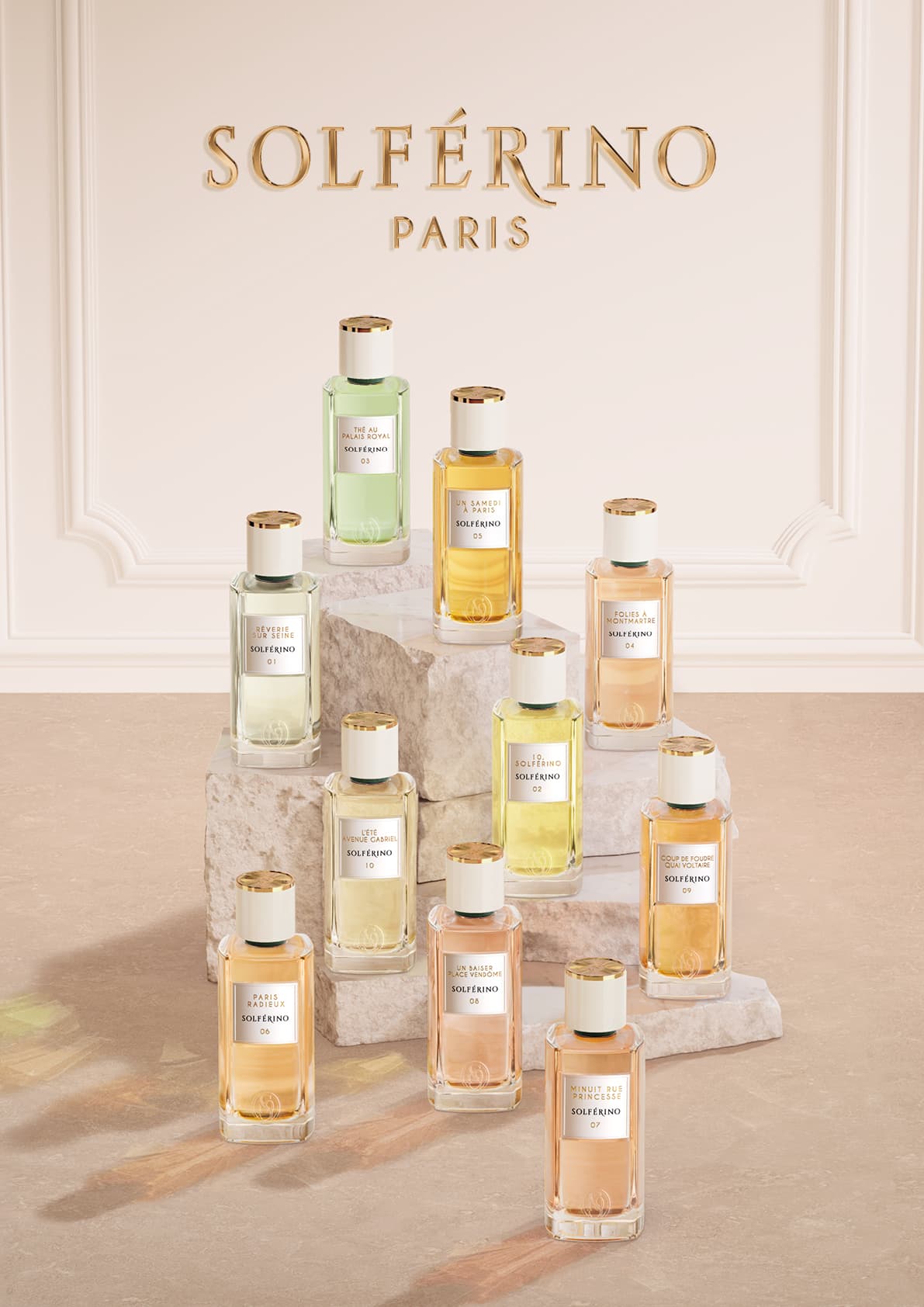
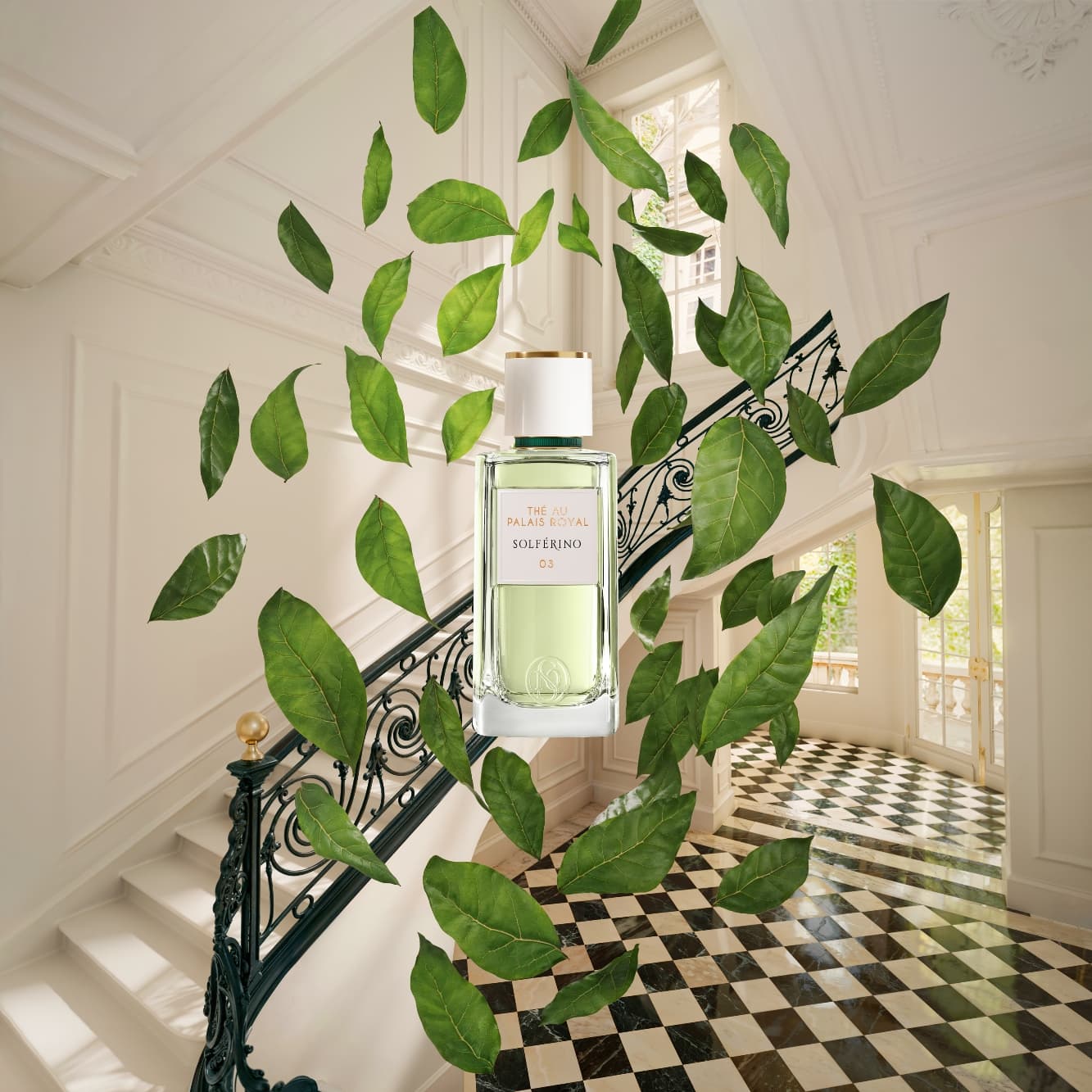
Newer players like Solférino Paris are using "haute parfumerie" to map urban landscapes. Their Thé Au Palais Royal Eau De Parfum uses oolong tea, ambrette seed, and vetiver to translate the atmosphere of the Parisian Jardin du Palais-Royal into a wearable form. Here, the botanical selection is not about the scent of the flower itself, but about using organic notes to recreate the "controlled nature" of a historical city garden.
Fashion and the Rise of "Hyper-Craft"
The Autumn/Winter 2026 runway season has positioned the natural world as the "greatest fashion designer," according to insights from leading houses. The collections seen in Paris and Milan suggest a move toward "SuperNature"—a concept where garments are designed to reflect endurance, protection, and the physical forces of the elements.
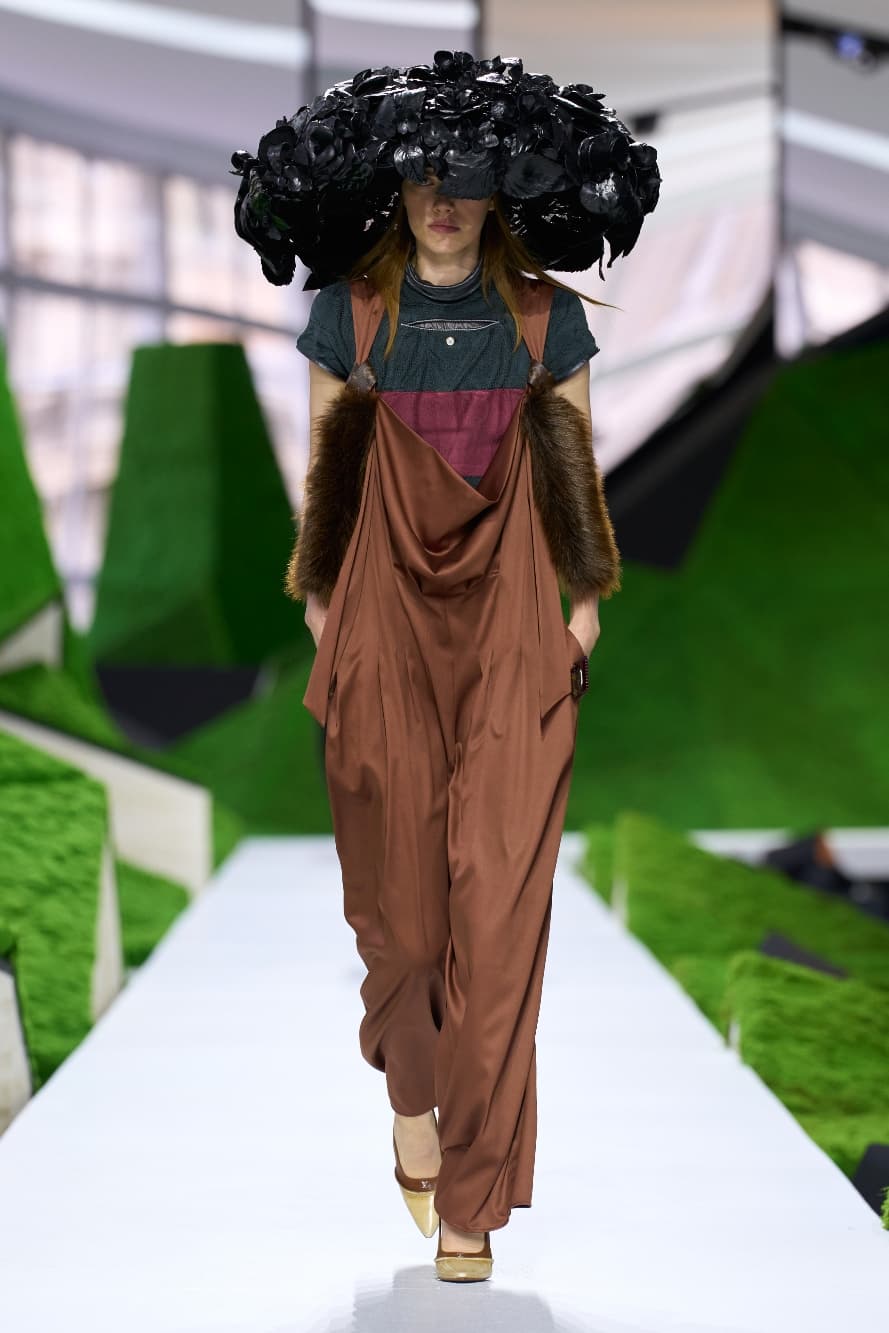
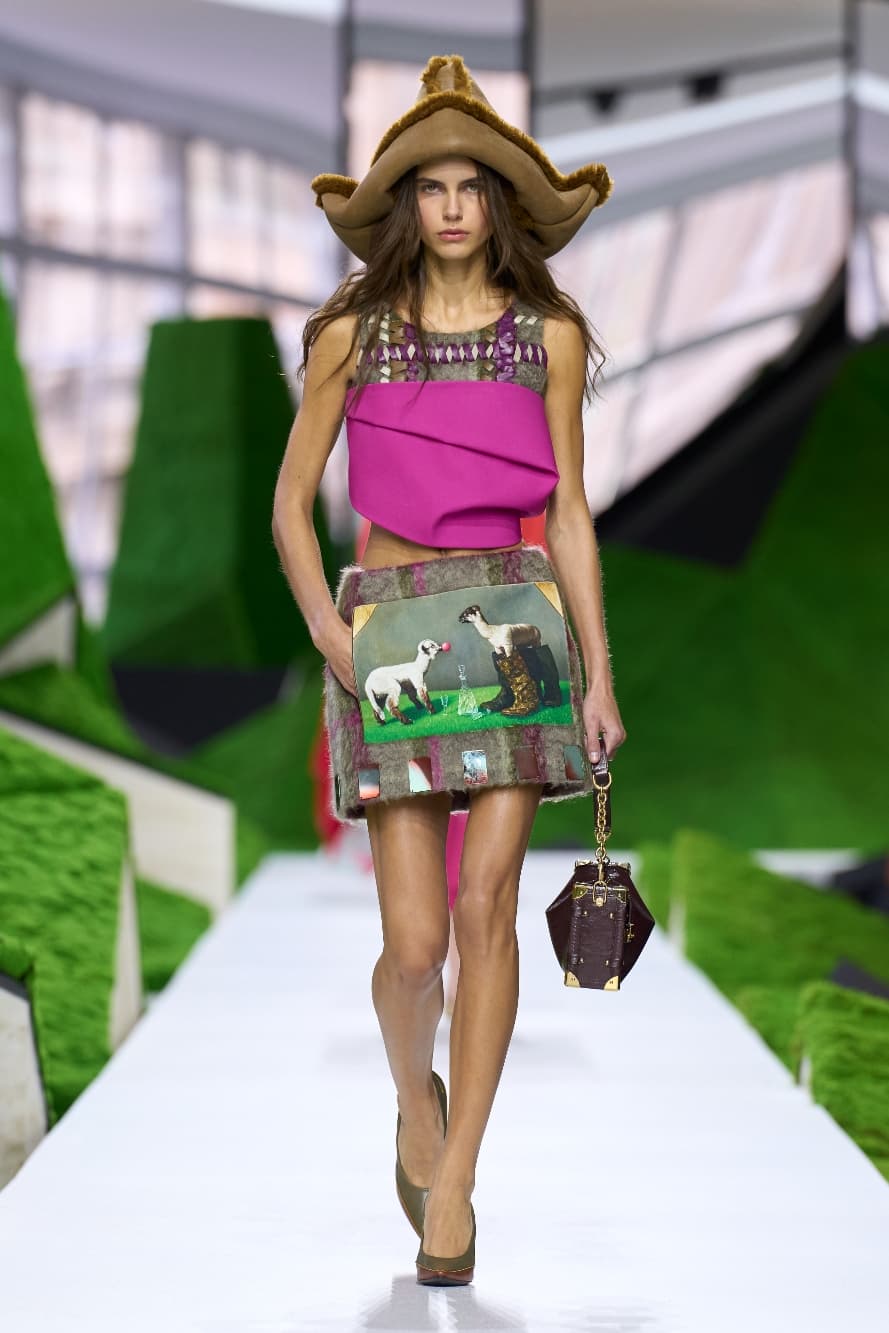
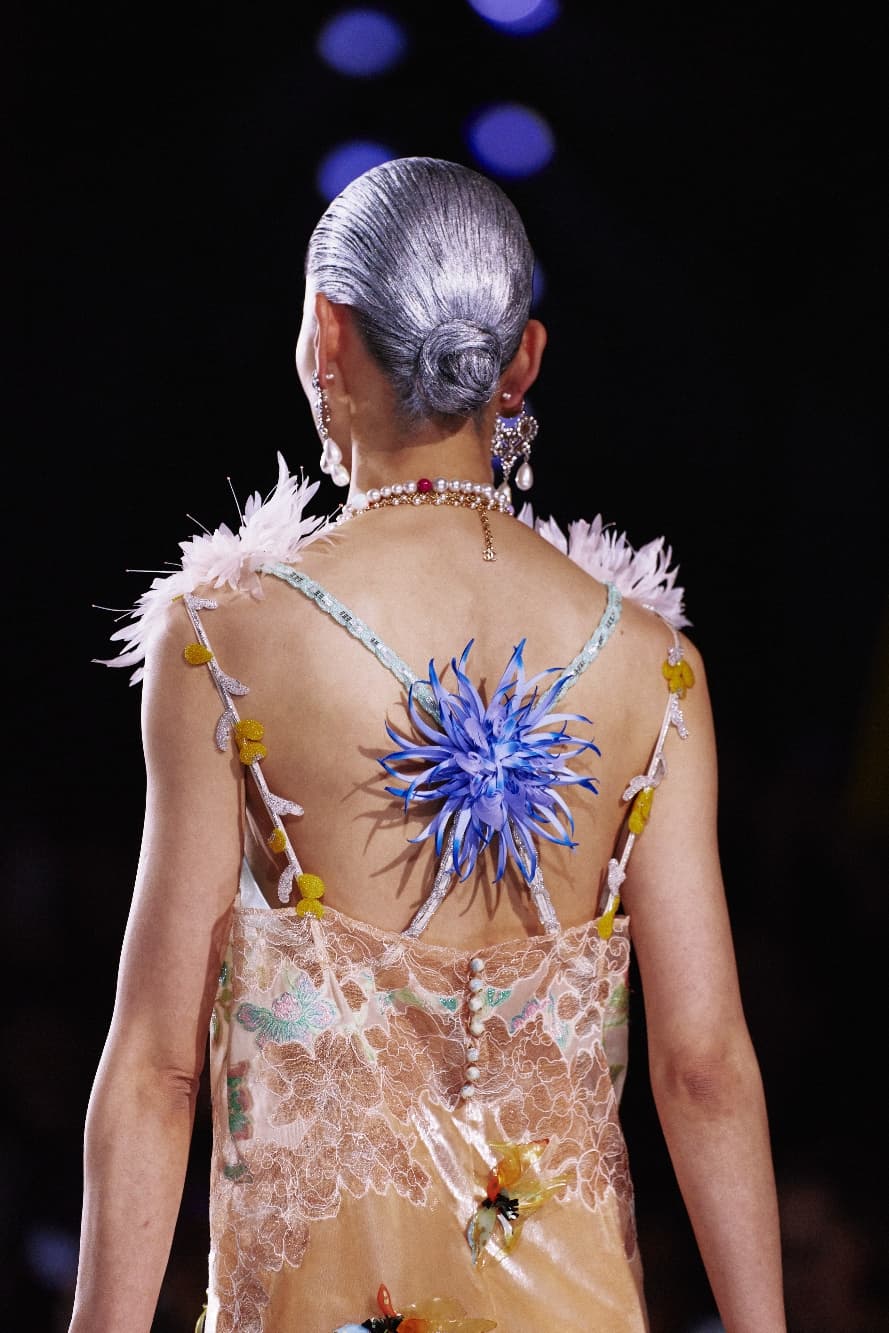
Louis Vuitton’s Fall/Winter 2026 collection, under the creative direction of Nicolas Ghesquière, utilized what industry analysts call "hyper-craft." This involves the convergence of traditional artisanal savoir-faire with advanced technology like 3D printing and sculptural resins. The result is a collection where buttons resemble raw minerals, heels are shaped like antlers, and textiles carry the imagery of flora without direct imitation. This "conceptual imprint" of nature suggests that luxury fashion is moving toward a future where clothing is viewed as an evolutionary layer for the human body.
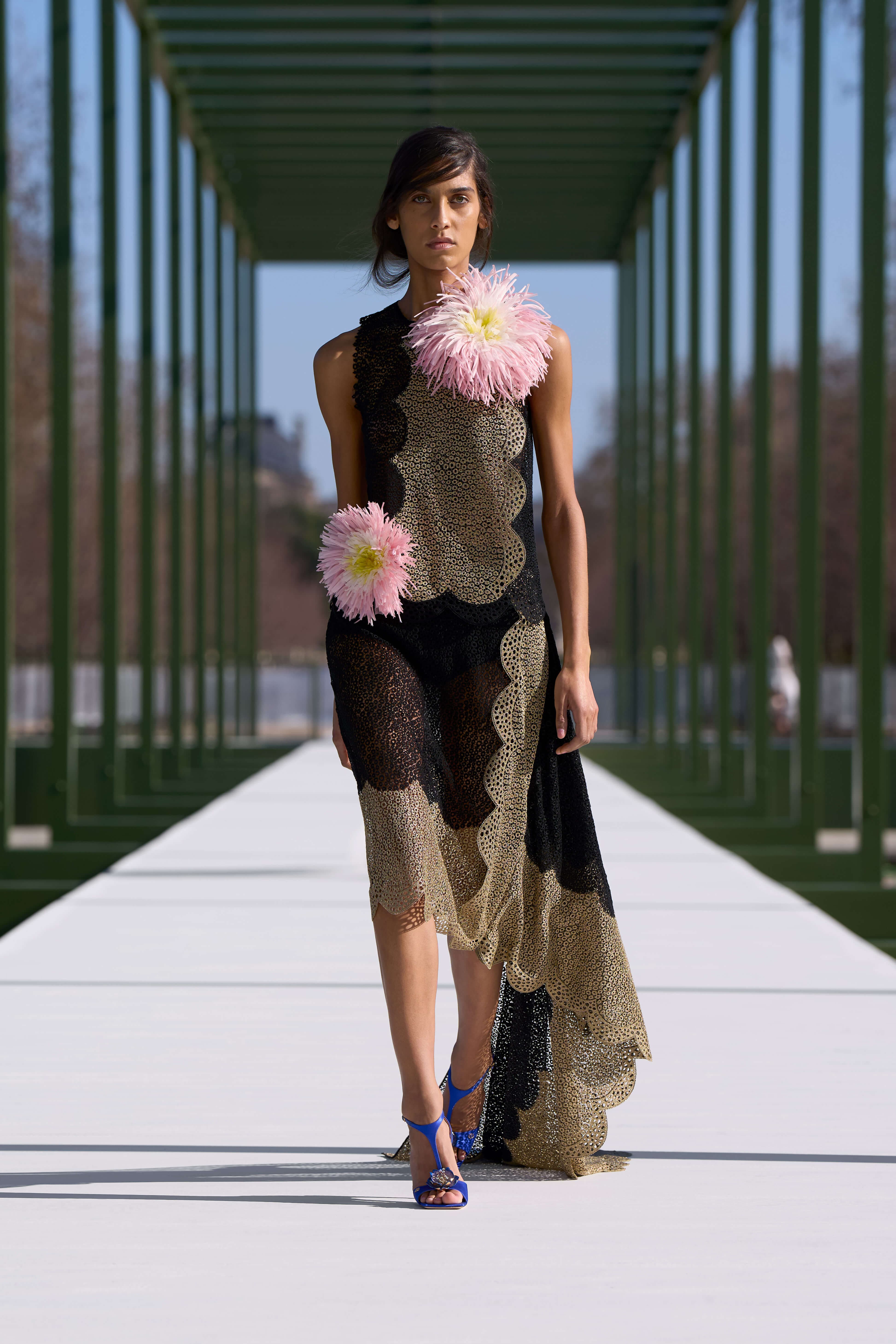
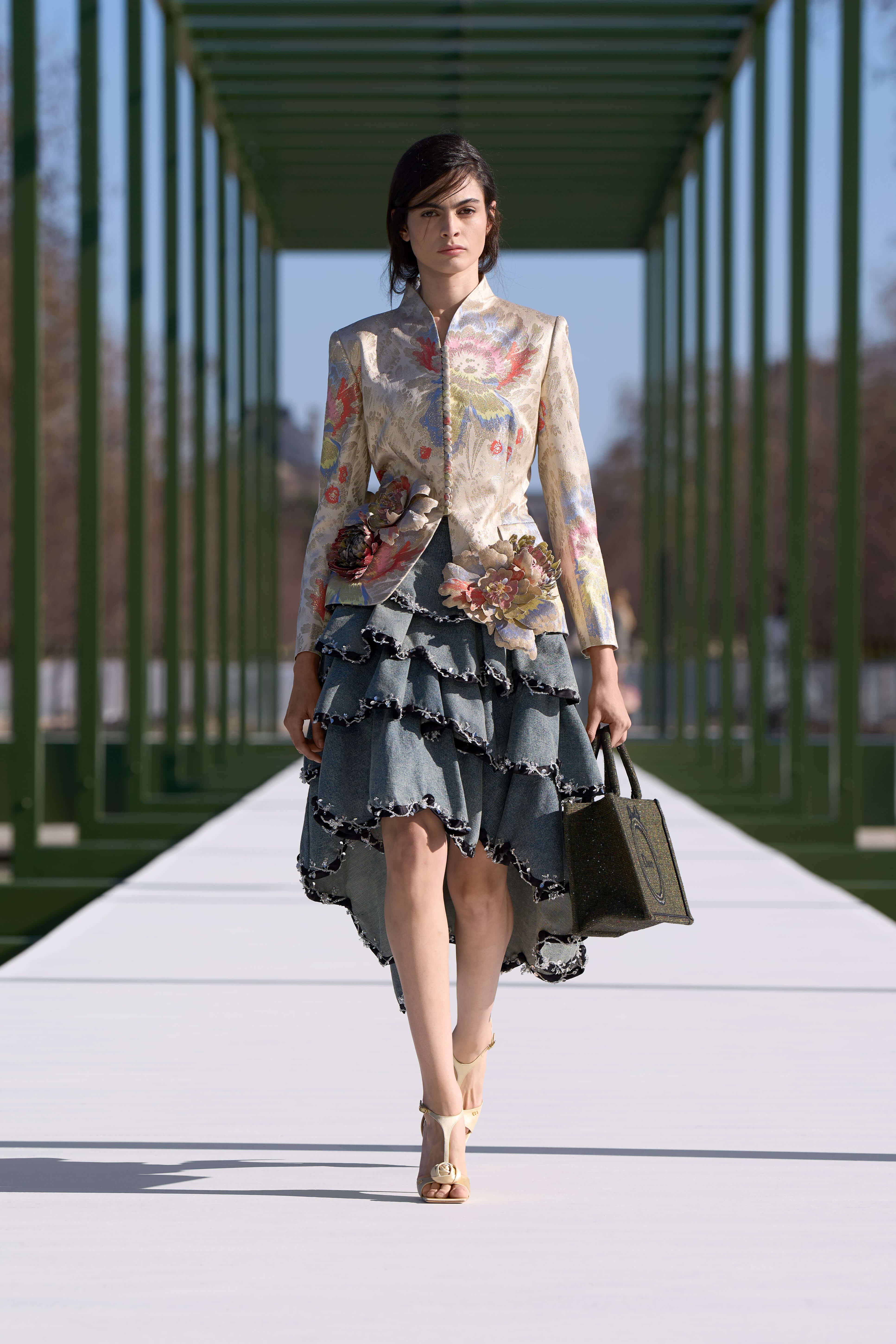
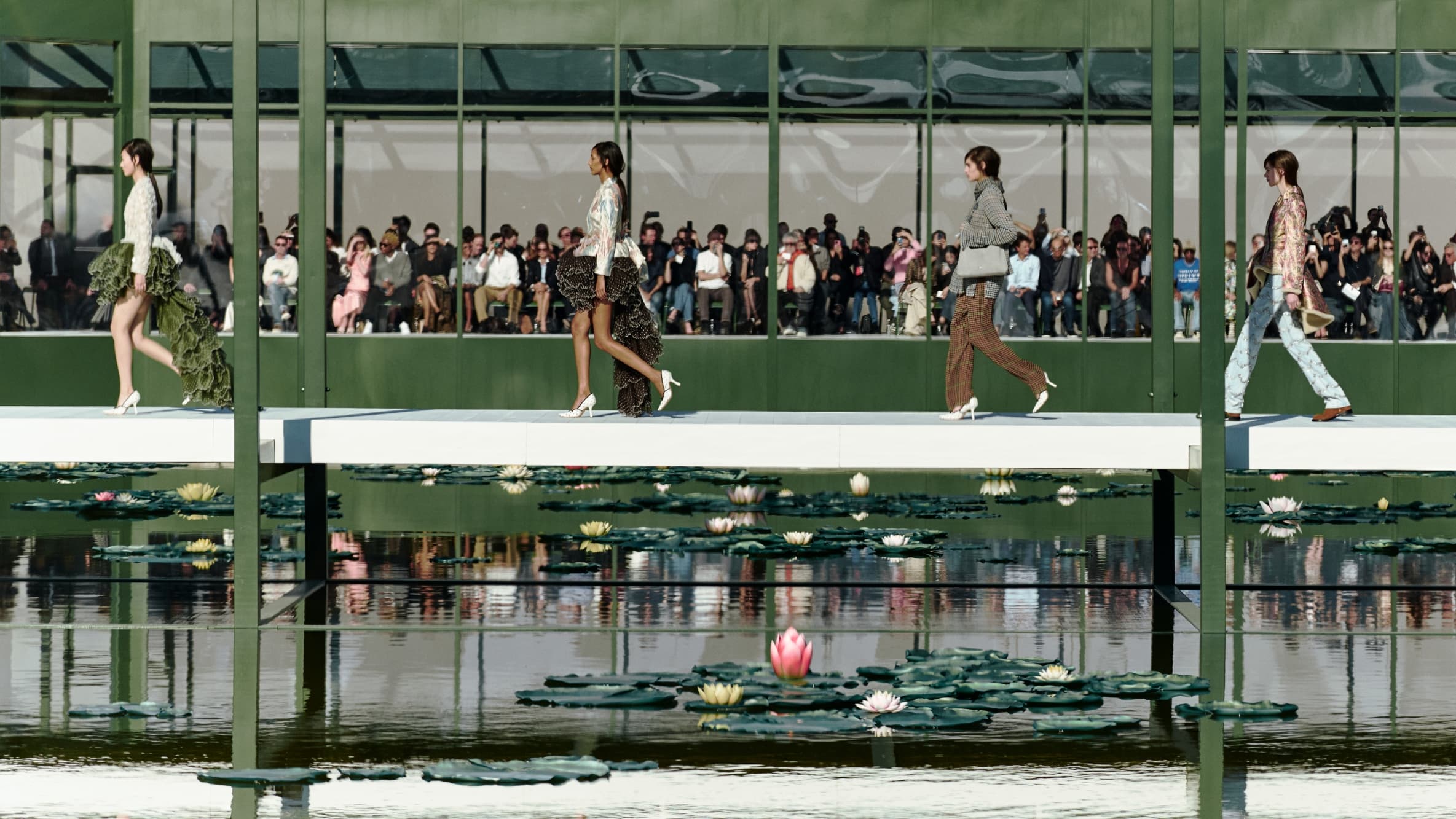
At Dior, the influence of nature is inextricably linked to the history of the Jardin des Tuileries. The Autumn/Winter 2026 Ready-to-Wear show drew on the legacy of the French formal garden—a space commissioned by Catherine de’ Medici and refined under Louis XIV. This collection explored the idea of "habit décent," or the historical dress codes required to enter such spaces. The show’s "park within a park" staging reflected a highly structured vision of nature, where the environment and the clothing function together as a single, composed scene. This continues the house code established by Christian Dior himself, who famously viewed flowers as the foundational blueprint for the "New Look" silhouette.
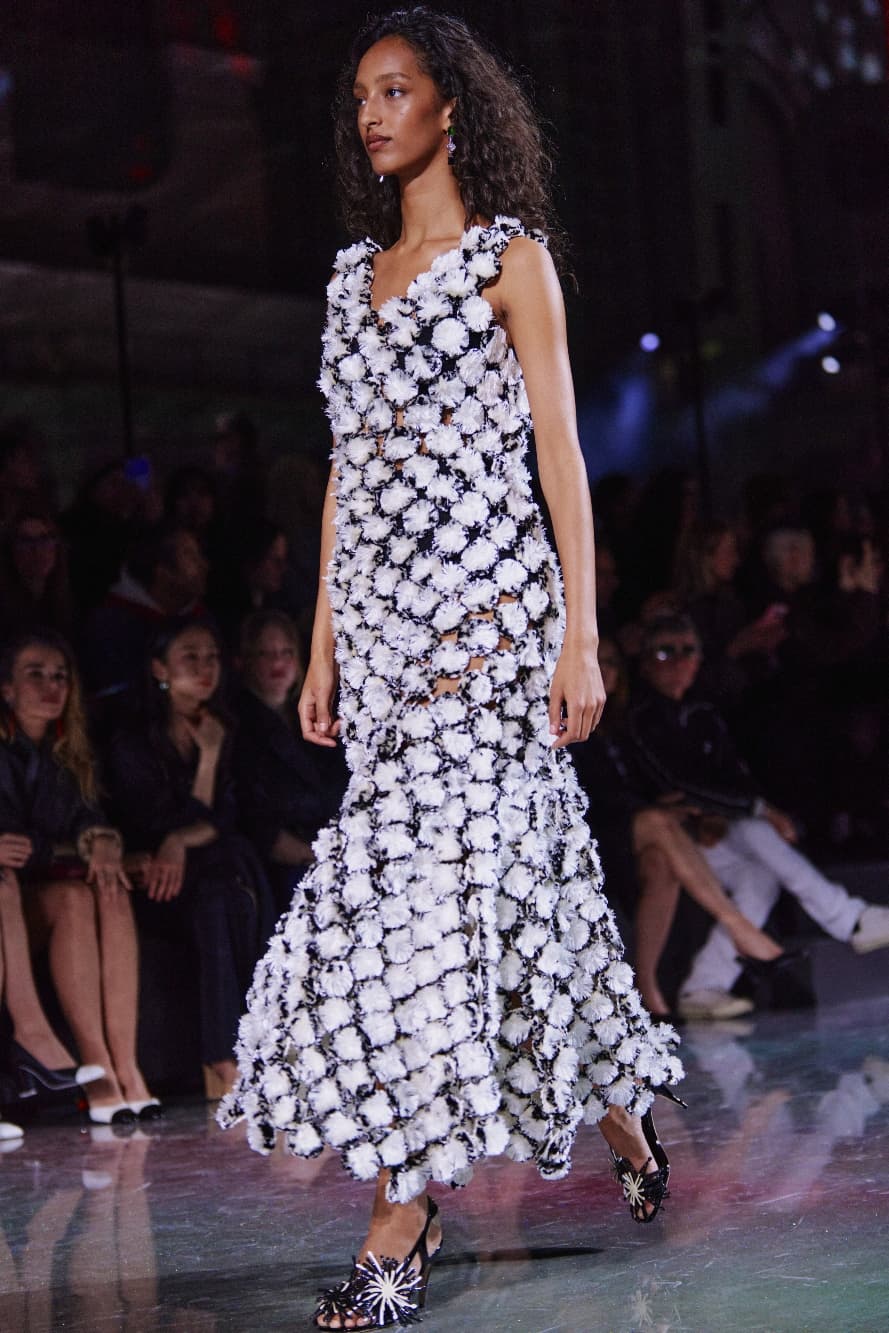
Chanel’s latest collection explored a different metaphor: the transformation of the caterpillar into the butterfly. This duality between the functional (grounded) and the decorative (expressive) shaped the material choices. Traditional tweed and bouclé were integrated with synthetic fibers and iridescent finishes to create surfaces that felt almost surreal. The "papillon de nuit" (night butterfly) aesthetic dominated the evening wear, using treated natural materials to engineer surfaces that mimic the luminosity of insect wings.
The High Jewellery Bestiary: Totems and Landscapes
In high jewellery, the translation of fauna has moved from representation to "totemic" value, where pieces are chosen for the character traits they represent.
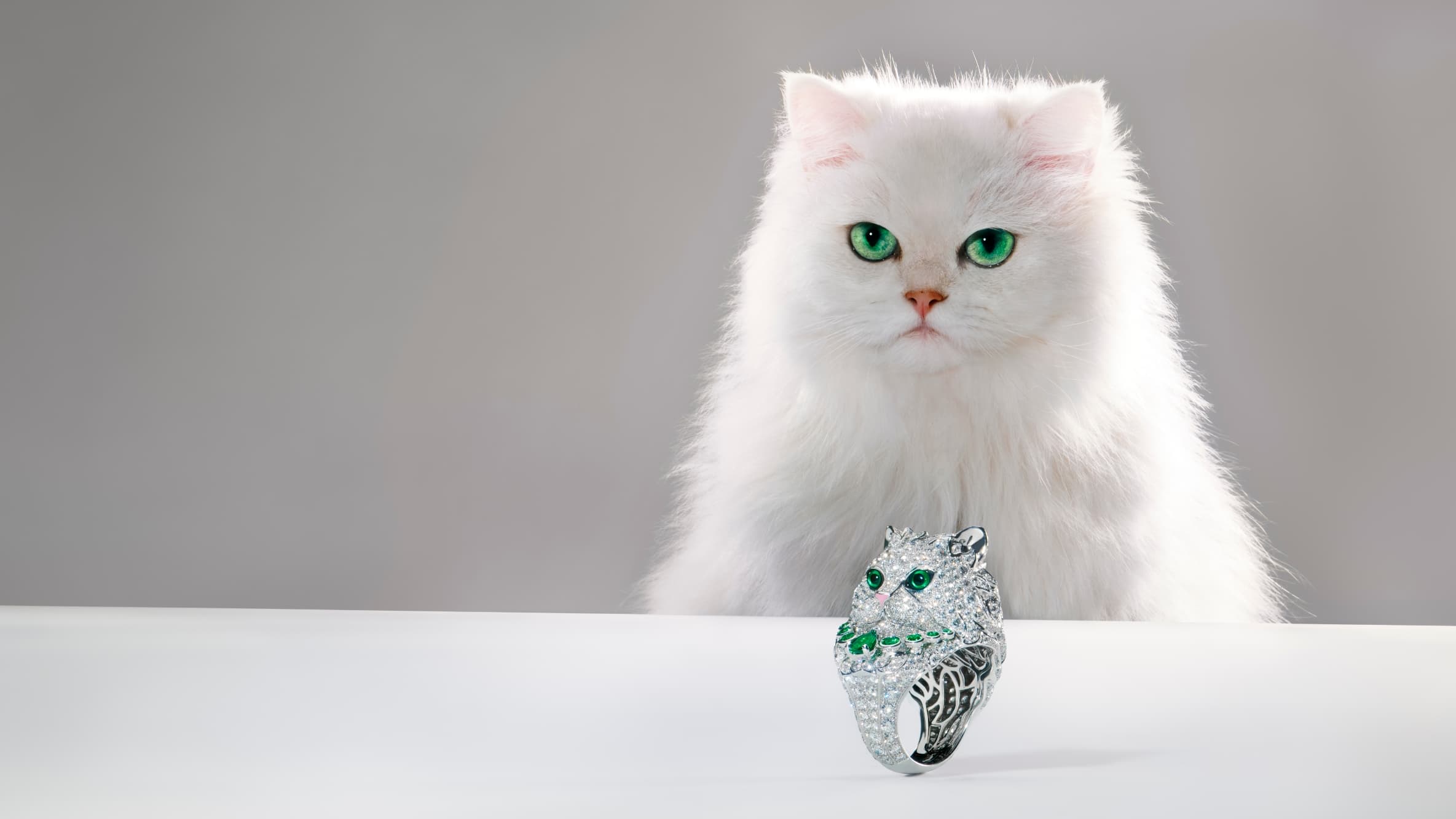
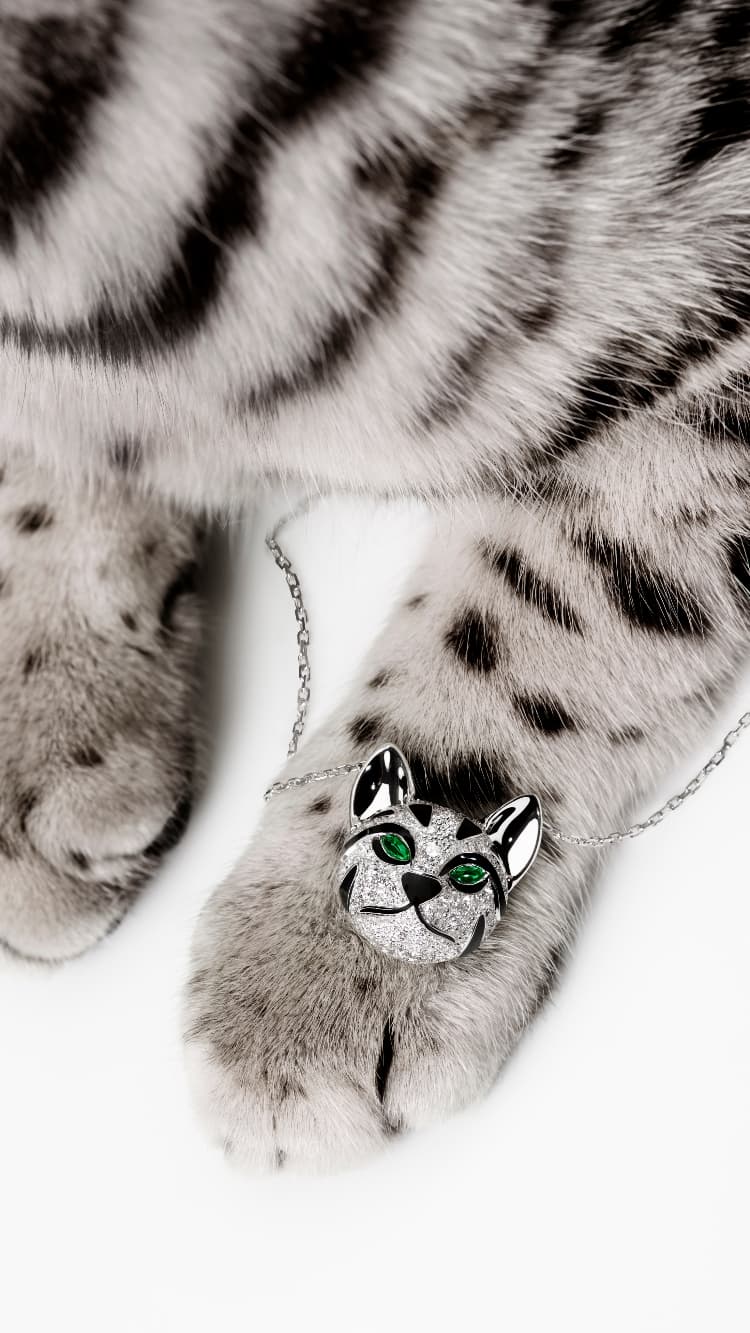
Boucheron’s Animaux de Collection remains the gold standard for this approach. Having established its bestiary in 1866, the house now uses precision chiseling and paving to create "truer-than-life" three-dimensional sculptures. Gold is carved to mimic fur, while diamonds are set to resemble feathers. Each piece, such as the Wladimir the Cat motif or the hummingbird centered around a morganite, is built to appear in mid-movement. Crucially, the brand assigns traits—such as protection, strength, or independence—to each animal, turning the jewellery into a personal totem for the wearer.
Damiani’s "Ode all’Italia" collection takes a broader view, interpreting nature at the scale of the landscape. The collection is structured into three geographic narratives:
- Lights of the Sea: Utilizing Paraiba tourmalines and pink sapphires to reflect the shifting tones of the Mediterranean.
- Landscapes of the Soul: Representing the Italian interior through emeralds (forests) and alexandrites (volcanic terrain).
- Dwellings of Time: Focusing on the intersection of built and natural environments in Italian cities.
Fine Jewellery and Geometric Abstraction
In fine jewellery, the focus is on the geometric repetition found in nature. Chaumet’s Bee de Chaumet 2026 novelties distill the Napoleonic bee emblem and the honeycomb into a conceptual basis for design. Mirror-polished gold and pavé-set diamonds are used to repeat the hexagonal structure of the hive, creating a sense of volume and continuity. This modularity allows the wearer to stack and layer pieces, mirroring the way natural structures are built from repeating units.
Van Cleef & Arpels continues its century-long study of flora through the Flowerlace and Fleurs d’Hawaï collections. The former uses openwork corollas and yellow gold to create a "couture-inspired" floral silhouette, drawing on the house’s 1930s Silhouette clips. The latter focuses on tonal variation, using pear-cut stones like citrine, amethyst, and peridot to reflect the organic color gradients found in a garden.
Broader Impact and Industry Implications
The persistent return to nature in luxury is not merely a creative choice; it is a strategic response to a consumer base that increasingly values sustainability and "biological authenticity." By investing in molecular research and hand-harvesting methods, brands are positioning themselves as stewards of the environment they draw inspiration from.
Furthermore, the shift toward "hyper-craft" indicates a new era of luxury production. The integration of 3D printing with hand-carved gemstones shows that the industry is finding a middle ground between the organic and the synthetic. This fusion allows for a level of detail that was previously impossible, enabling designers to capture the "fragility" of nature in materials as durable as gold and titanium.
As we move toward 2027, the translation of flora and fauna will likely become even more technical. The "evergreen" source of inspiration is now being filtered through a lens of science and structured visibility, ensuring that the natural world remains the ultimate benchmark for luxury, both as an aesthetic ideal and a functional reality. In this context, the product is no longer just inspired by nature—it is a sophisticated reconstruction of it.
