
 By admin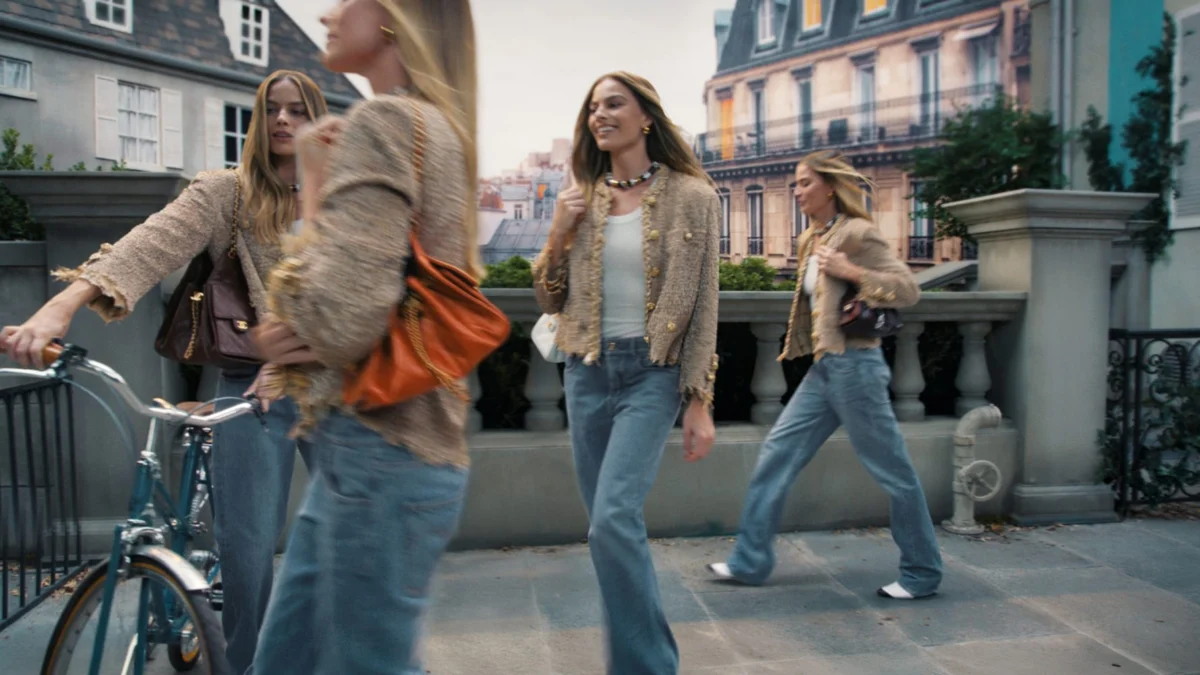
The landscape of luxury fashion is currently navigating a profound structural shift as the traditional concept of the "muse" collides with the rapid advancement of artificial intelligence. For decades, the high-fashion industry has relied on the cultural weight and lived history of human icons to anchor brand identities. However, the emergence of AI-generated influencers—programmable assets with no physical presence or biological history—is forcing a re-evaluation of what constitutes authenticity in a digital-first economy. While brands are increasingly turning to synthetic muses for their operational efficiency and cost-effectiveness, the enduring influence of cultural icons like Madonna, Kim Kardashian, and Margot Robbie suggests that human legacy remains the ultimate currency in the luxury sector.
The Enduring Authority of the Human Icon
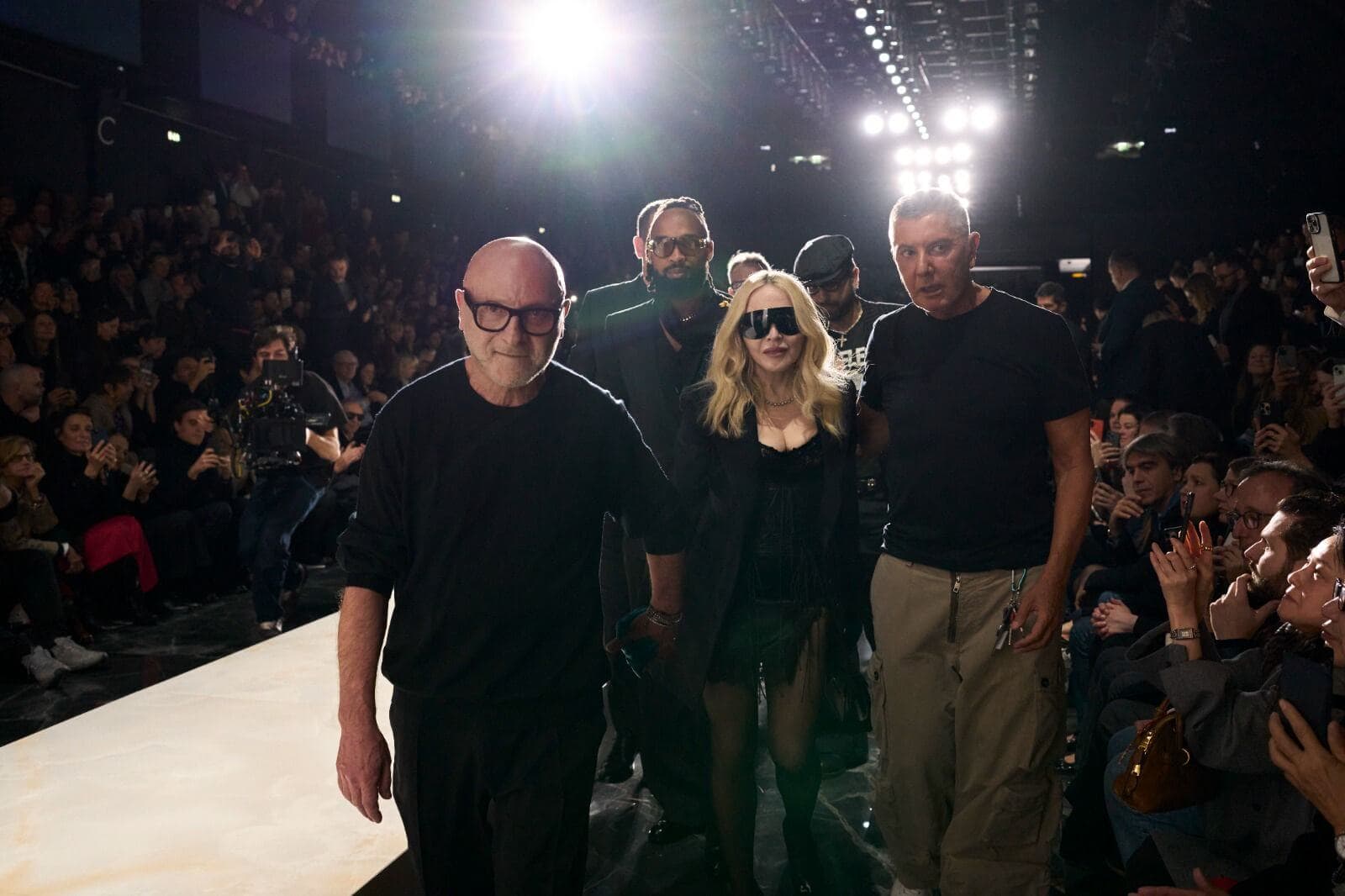
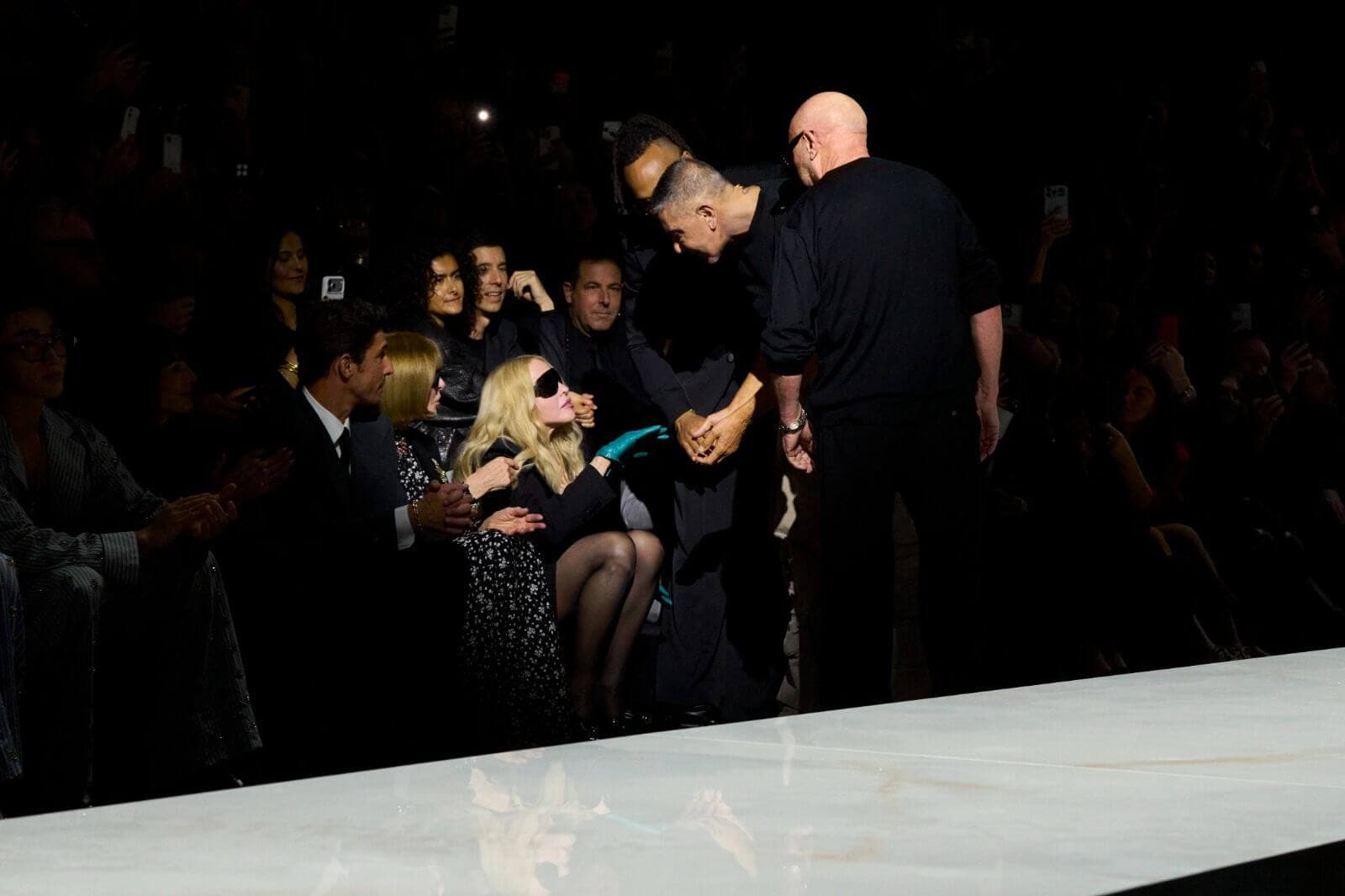
The concept of the muse—a source of inspiration who embodies specific cultural or aesthetic ideals—remains a cornerstone of luxury marketing. This was vividly demonstrated during Milan Fashion Week for the Dolce & Gabbana Autumn/Winter 2026–27 runway show. The appearance of Madonna underscored a relationship with the Italian house that spans over three decades. Since the early 1990s, Madonna has functioned as more than just a face for the brand; she has been a creative catalyst. From the iconic corsetry of her 1993 "Girlie Show" world tour to her 2010 role in "The One" fragrance campaign, her influence is woven into the brand’s visual heritage.
This longevity creates what historians and brand strategists call "cultural authorship." A human muse brings a narrative arc that an AI cannot replicate. When Madonna appears at a show in 2026, she brings the collective memory of the 1990s and 2000s with her, reinforcing the brand’s stability and historical relevance.
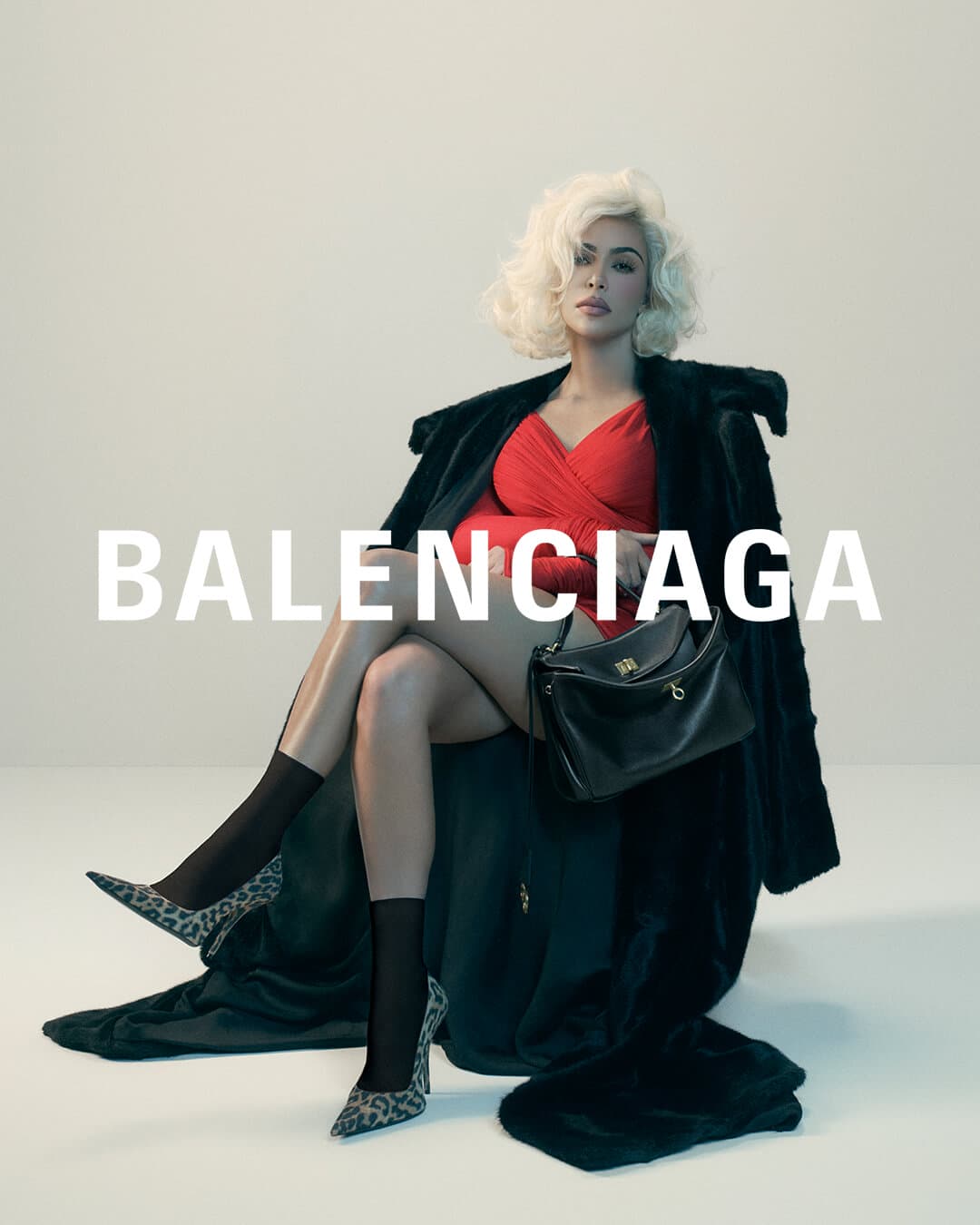
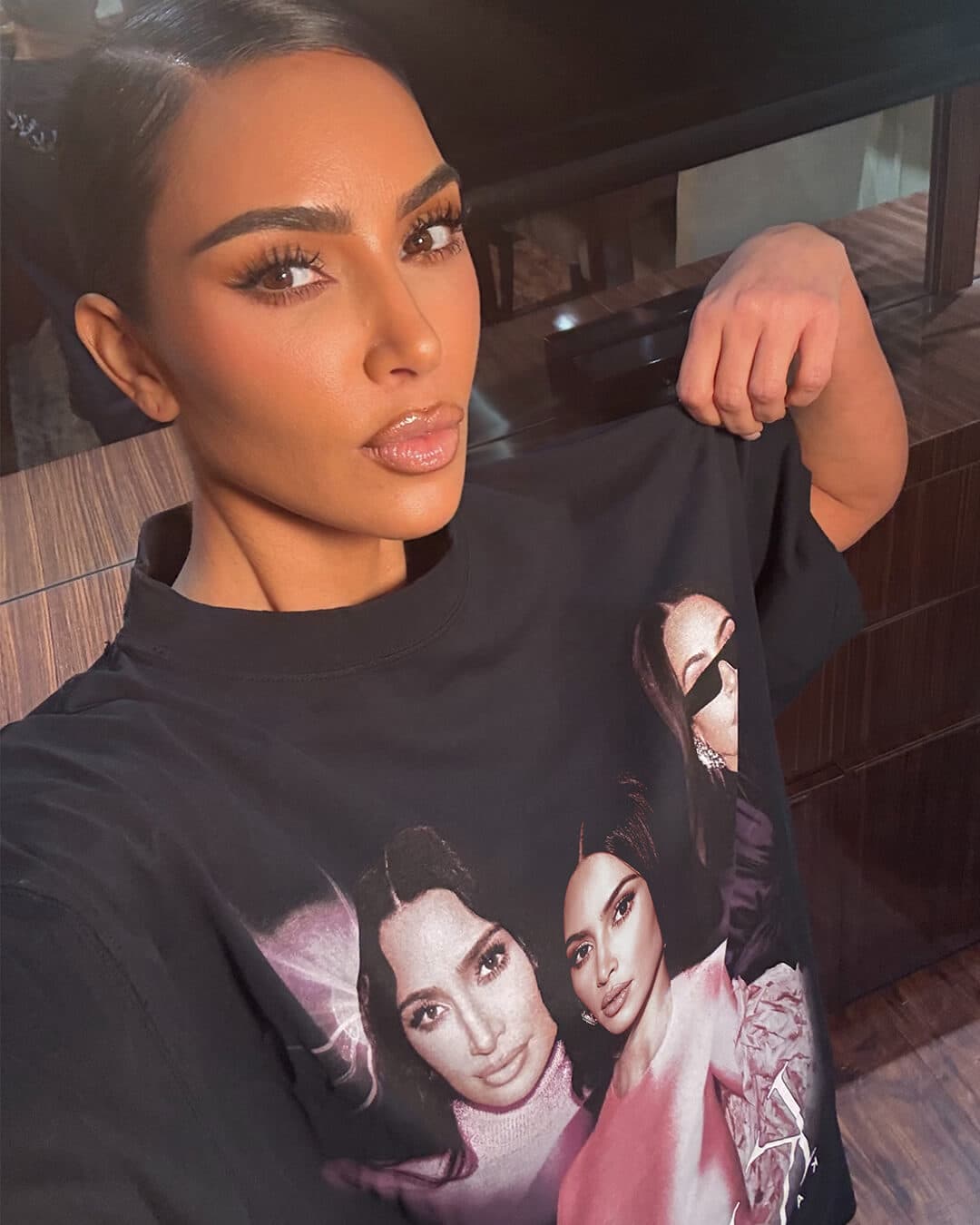
Similarly, Kim Kardashian’s evolution with Balenciaga highlights the transition from high-profile fan to official brand ambassador. Formalized in January 2024, this partnership has seen Kardashian move from the front row to the runway, appearing in the Fall 2025 couture show in Paris. Her role is positioned as a mutual creative partnership, leveraging her massive social media reach and her own history as a shape-shifter in the fashion world. For Balenciaga, Kardashian represents a bridge between traditional celebrity and the modern, algorithm-driven influencer economy, yet her influence is still rooted in her physical presence and public life.
Chanel and the Multi-Generational Narrative
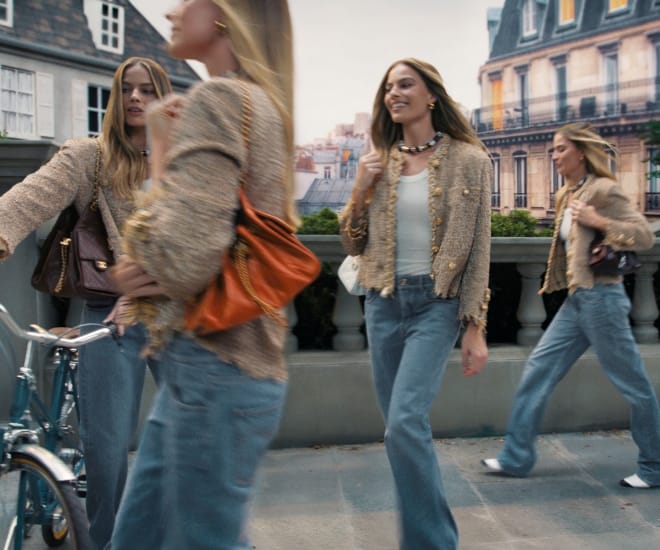
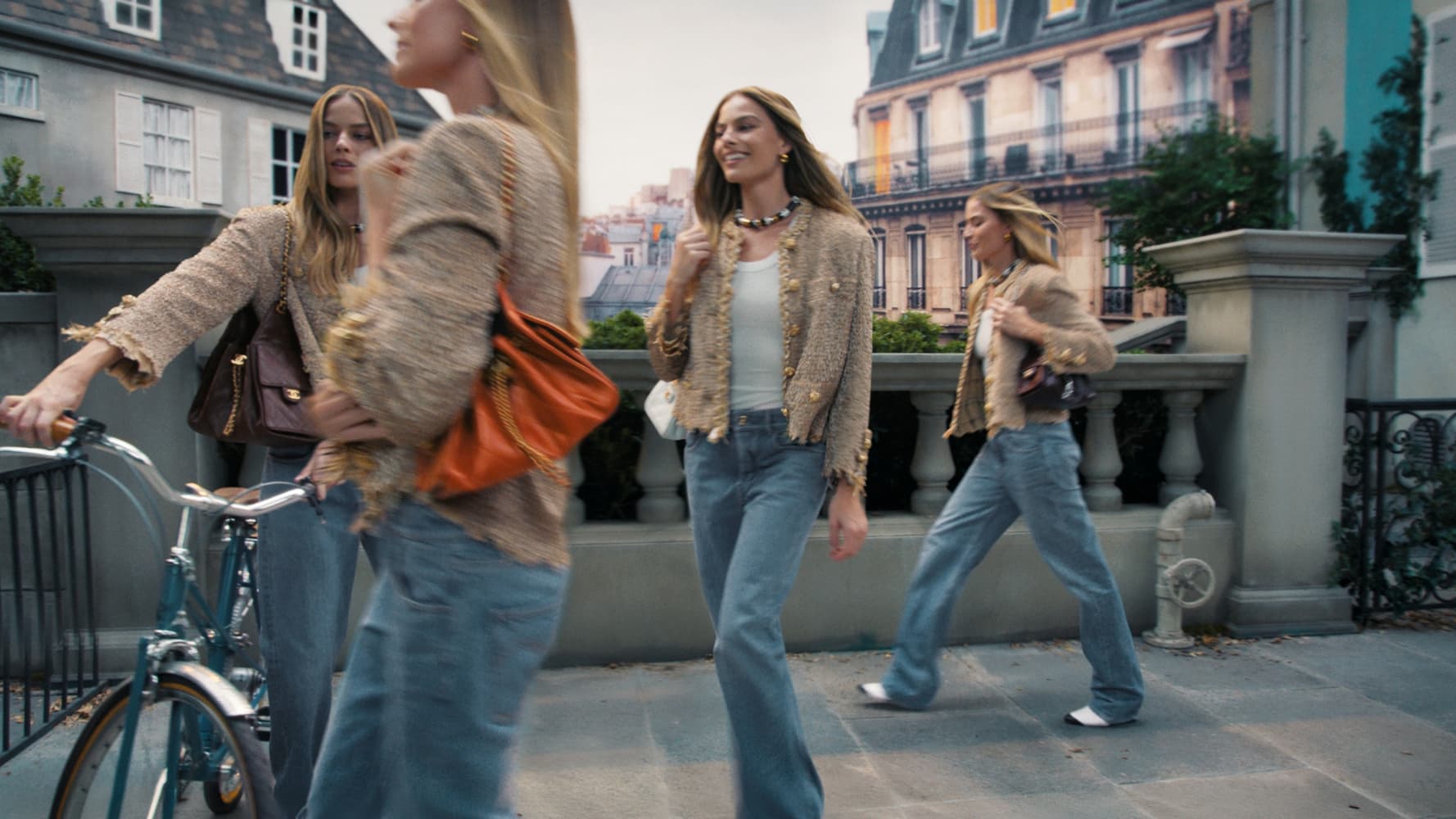
The recent unveiling of the Chanel 25 handbag campaign offers a sophisticated example of how human muses facilitate cultural continuity. Directed by Michel Gondry and featuring house ambassador Margot Robbie, the campaign is a layered homage to pop culture history. It references the 2002 music video for "Come Into My World" by Kylie Minogue, where Robbie encounters various versions of herself on the street, each carrying a different iteration of the Chanel 25 bag.
This campaign, introduced for the first time in 2025, utilizes the house’s iconic numerology and reinterprets legendary codes like quilted leather and the leather-interlaced chain. The role of the muse here is twofold: Margot Robbie, a contemporary cinematic powerhouse, reframes the iconography of Kylie Minogue, a legendary music icon, 25 years after the original reference point. This creates a "referential weight" that AI-generated muses fall short of achieving. AI can replicate imagery, but it cannot inherit or extend a legacy in a way that feels culturally earned. Without a lived history, a synthetic muse cannot become a point of reference for future generations.
The Rise of the Synthetic Supermuse
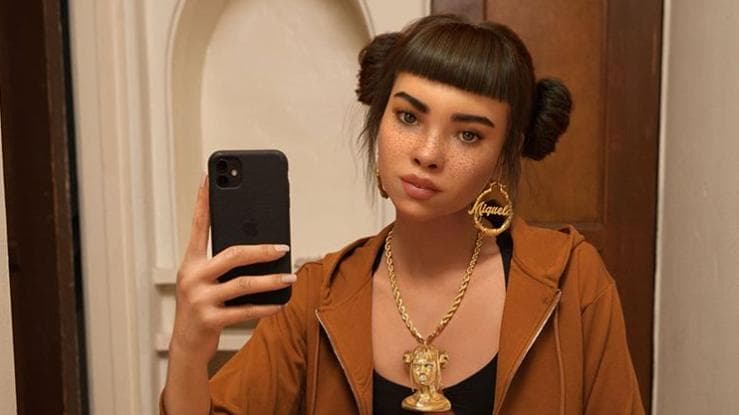
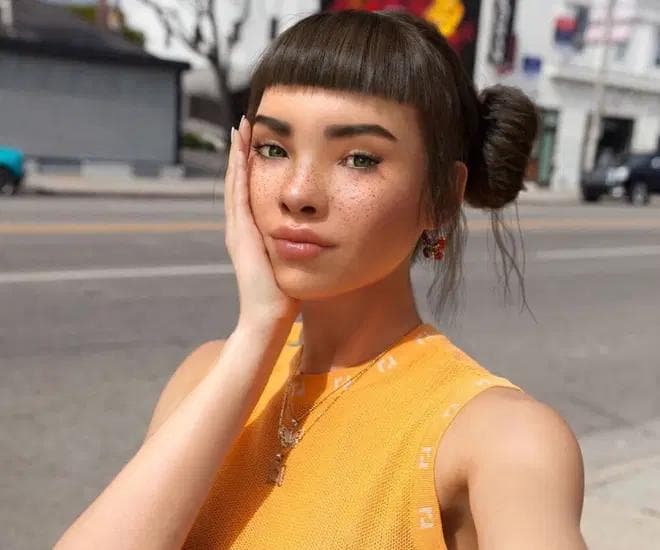
Despite the power of human legacy, the rise of AI influencers signals a significant shift in brand strategy. Figures such as Lil Miquela (@lilmiquela), Shudu Gram (@shudu.gram), and Bermuda (@bermudaisbae) are not personalities in the traditional sense; they are programmable assets engineered to mimic human behavior while remaining entirely under corporate control.
In practice, these digital muses function as highly efficient extensions of a brand’s digital footprint. Lil Miquela’s collaborations with Prada—including an Instagram takeover during Milan Fashion Week—and her appearance in Calvin Klein campaigns alongside Bella Hadid demonstrate their utility in digital-first spaces. Shudu Gram, marketed as the "world’s first digital supermodel," has modeled for Fenty Beauty and joined Balmain’s digital "Balmain Army."
The operational advantages of these synthetic figures are substantial:
- Scalability: A single digital muse can exist simultaneously in multiple locations, virtual environments, and time zones.
- Risk Mitigation: AI influencers do not age, do not become embroiled in personal scandals, and do not have contractual limitations regarding physical health or availability.
- Real-Time Optimization: Their appearance and tone can be adjusted instantly based on engagement data, allowing brands to test aesthetics with a level of precision impossible with human talent.
For younger demographics, particularly Gen Z and Gen Alpha, these figures are often viewed as a natural extension of internet culture rather than "artificial caricatures." In this context, the synthetic muse is redefining the function of the muse from a source of inspiration to a streamlined system of production.
ROI and the Trust Deficit
While AI influencers excel at generating top-of-funnel awareness and social media buzz, converting that attention into tangible sales remains a significant hurdle. Data suggests a widening "trust gap" between digital personas and human ambassadors. According to industry surveys, approximately 80 percent of Gen Z consumers indicate they would not trust a product recommendation from a virtual persona.
A 2024 eMarketer report further highlighted this disparity, noting that only 23 percent of Gen Z consumers trust AI recommendations more than human ones when making purchase decisions. For older cohorts, that trust level drops below 13 percent. The fundamental issue is one of experience; a digital avatar can showcase a $10,000 Chanel bag, but it cannot "experience" the product, feel the texture of the leather, or provide a genuine testimonial.
Commercial analysis shows that while AI offers massive scale and innovation, it lacks the lived authority that drives high-value luxury transactions. However, brands that use AI for precision targeting and virtual talent coordination have reported impressive returns—as high as $18 for every $1 invested, compared to the $5.78 average for traditional human influencer marketing. This suggests that AI’s strength lies in operational logistics and brand recall rather than direct, trust-based conversion.
The Failure of the Metaverse and the Pivot to AI
The current emphasis on AI muses must be viewed against the backdrop of the broader "Metaverse" narrative. Mark Zuckerberg’s original vision for Meta—a persistent, immersive virtual world—has largely failed to reach the mainstream, resulting in an estimated $80 billion loss for the company. The "Metaverse 2.0" as a mainstream consumer product is effectively over.
For the luxury industry, this failure reinforces a vital lesson: digital presence alone does not guarantee influence. Unlike the fully immersive metaverse, which required users to adopt new hardware and habits, AI influencers integrate seamlessly into existing platforms like Instagram and TikTok. They bridge the gap between fantasy and realism without requiring the consumer to leave their preferred digital environment. This makes AI muses a more practical and deployable tool for brands than the speculative virtual worlds of 2021.
The Human-AI Conundrum: Ethics and Deepfakes
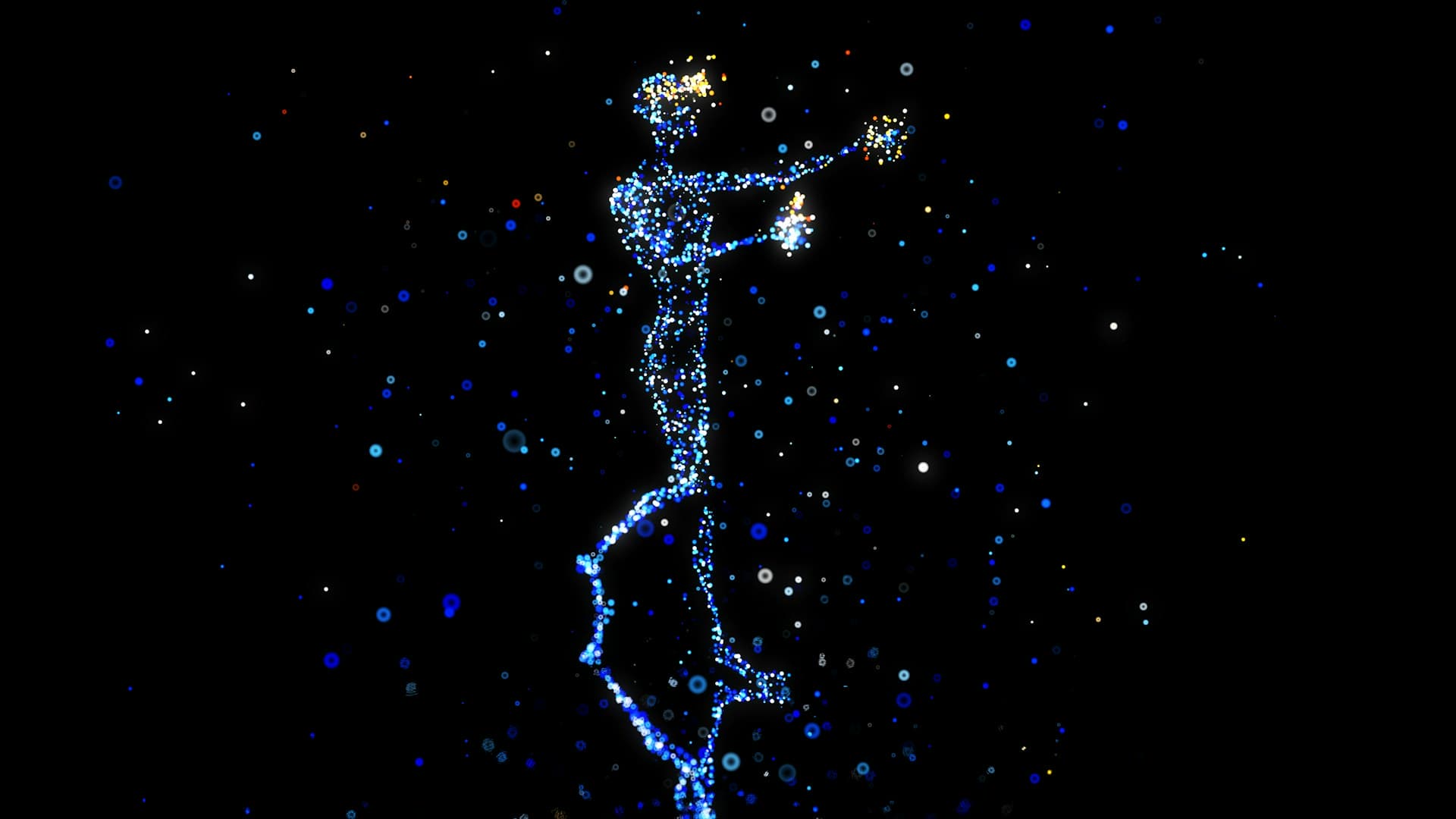
The push for "authentic" AI has led to the rise of deepfakes and synthetic personas that mimic real creators, raising significant ethical and legal concerns. In 2024, the emergence of Sienna Rose, a popular Neo-soul singer on streaming platforms, triggered industry alarm. Despite having millions of listeners, Rose is widely believed to be a virtual artist. Her lack of social media presence and "uncanny" visual content led to allegations of intellectual property theft and the creation of "fake" artistry.
Furthermore, deepfake technology is increasingly being used in advertising scams. Fraudulent videos using the likeness of known influencers have been seen promoting wellness and beauty products on platforms like TikTok to drive affiliate sales. For luxury brands, this environment of deception is dangerous. As synthetic endorsements become harder to distinguish from genuine ones, there is a risk that audiences will grow cynical toward all influencer-led campaigns, human or digital.
Legacy vs. Innovation: The Future of Luxury Storytelling
The defining advantage of the traditional muse remains the ability to build long-term brand equity. Human muses participate in "enduring storytelling." A prime example is Nicole Kidman’s 2004 campaign for Chanel No. 5. Directed by Baz Luhrmann, the two-minute cinematic advertisement became one of the most expensive and celebrated fragrance commercials in history. Decades later, it remains a reference point in fashion commentary. It did more than sell perfume; it cemented a visual vocabulary for the house of Chanel.
AI muses, by contrast, struggle to generate this kind of "storytelling capital." A digital avatar can optimize a campaign for 2024, but it is unlikely to be referenced as a cultural milestone in 2044. Luxury houses rely on this accumulation of historical weight to justify their premium positioning.
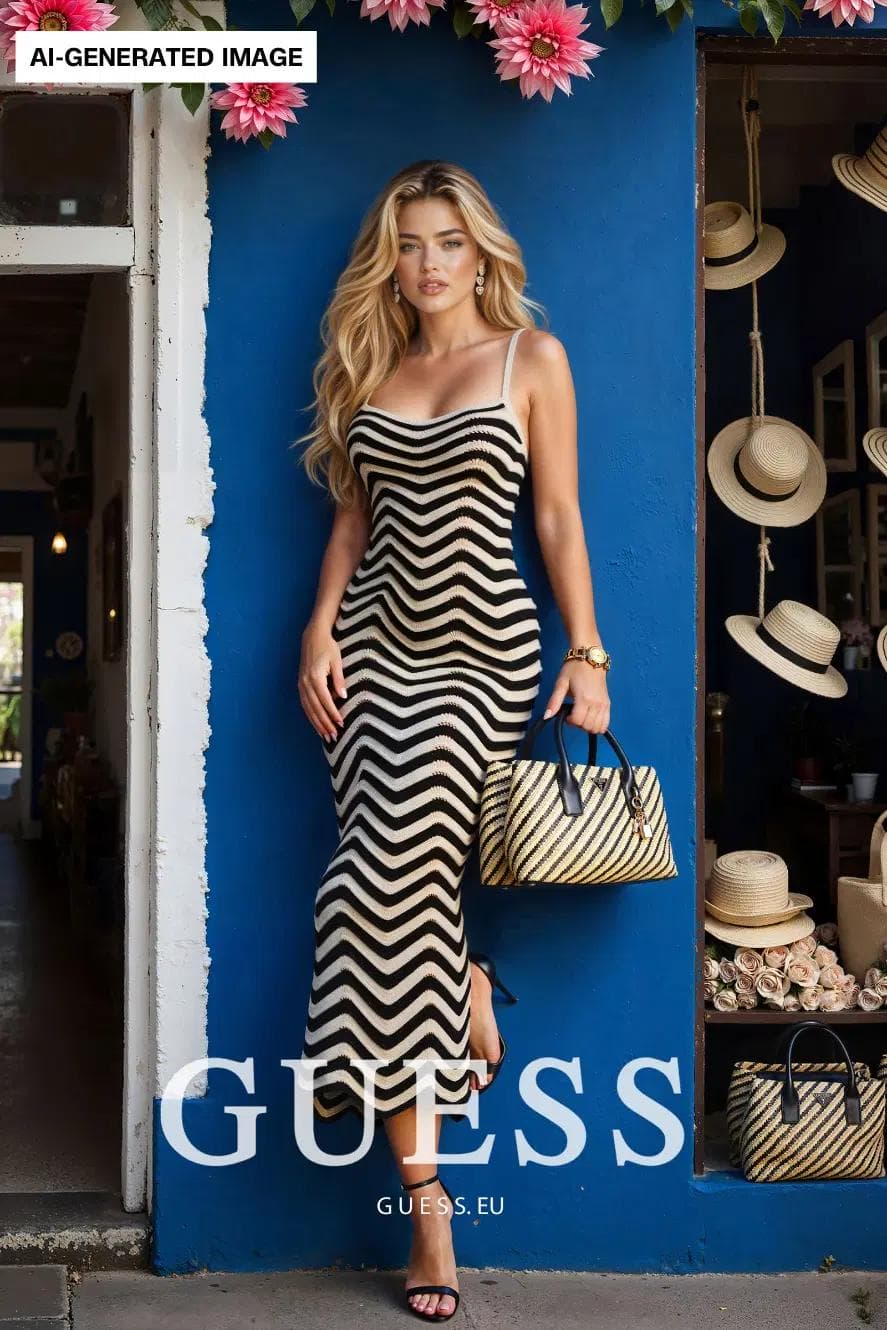
The industry appears to be moving toward a "Human-AI Hybrid" model. Brands like the Prada Group are leading this approach, using AI to streamline production, optimize content, and provide hyper-personalization, while retaining human directors and talent for high-stakes narrative campaigns. In this model, AI handles the "system of production," while human icons provide the "soul" of the brand.
Ultimately, while AI offers unprecedented control and scalability, it cannot replace the cultural authorship of a living icon. Luxury is a business built on humanity, history, and the aspiration of the lived experience—qualities that, for now, remain uniquely human.
