
 By admin
The British luxury yachting industry is currently witnessing a significant structural and creative transformation, led by one of its most seasoned executives. Will Green, now in his 24th year with Princess Yachts and his third as Chief Executive Officer, has successfully navigated the Plymouth-based shipbuilder through one of the most volatile periods in its 60-year history. Under Green’s stewardship, Princess Yachts has not only returned to profitability following a complex post-pandemic recovery but has also executed a bold diversification strategy. This includes a landmark entry into the centre-console outboard market and a calculated return to the superyacht sector with the announcement of the 106 Odyssey.
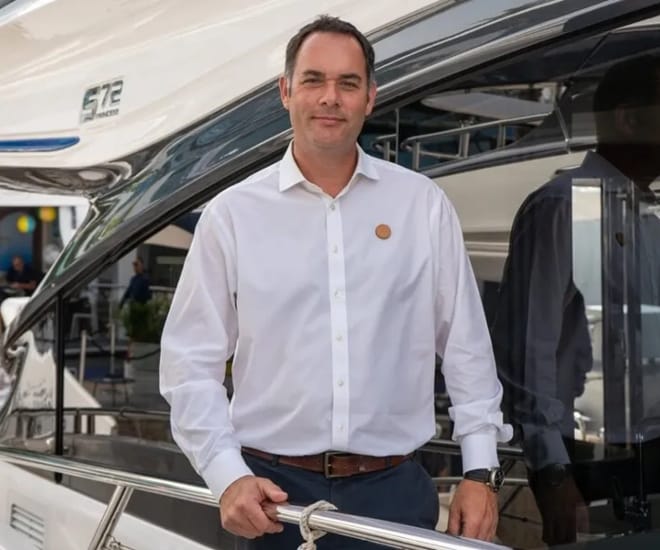
Green’s trajectory within the company provides a rare level of institutional stability. Formerly the Head of UK Sales for Aston Martin, Green joined Princess in January 2003 as Assistant Sales Director. His rise through the ranks—becoming Sales Director, a Board member in 2004, Chief Commercial Officer in 2021, and finally CEO in August 2023—mirrors the company’s own evolution from a traditional boatbuilder into a global luxury powerhouse. His appointment came just five months after KPS Capital Partners completed its acquisition of the shipyard, marking a definitive shift in the company’s corporate governance and financial strategy.
The Post-Pandemic Turnaround and Financial Recovery
The primary challenge facing Green upon assuming the CEO role was the lingering "long COVID" effect on global manufacturing. While the luxury yacht market saw a spike in demand during the pandemic, the supply chain was unable to keep pace. For a volume builder like Princess, which requires roughly 500 engines and 300 generators annually to maintain its production schedule, the shortage of semiconductors and specialized components was catastrophic.
Unlike boutique shipyards that produce a handful of custom superyachts per year, Princess operates on a scale where overheads are tied to consistent, high-volume delivery. When components failed to arrive, the company was left carrying the costs of a massive workforce without the ability to finalize and ship products. By early 2023, the financial situation was critical.
Under the ownership of KPS Capital Partners, Green implemented a rigorous "rightsizing" program. This involved delayering the management structure and adjusting the headcount to align with realistic production capacities and component availability. The strategy proved effective. By the end of the 2024 fiscal year, Princess Yachts reported a revenue of £378 million, representing an increase of approximately £67.7 million over the previous year. More importantly, the company transitioned back into a profitable state, allowing for a renewed focus on long-term sustainability rather than emergency crisis management.
The Mentorship of David King and Industry Continuity
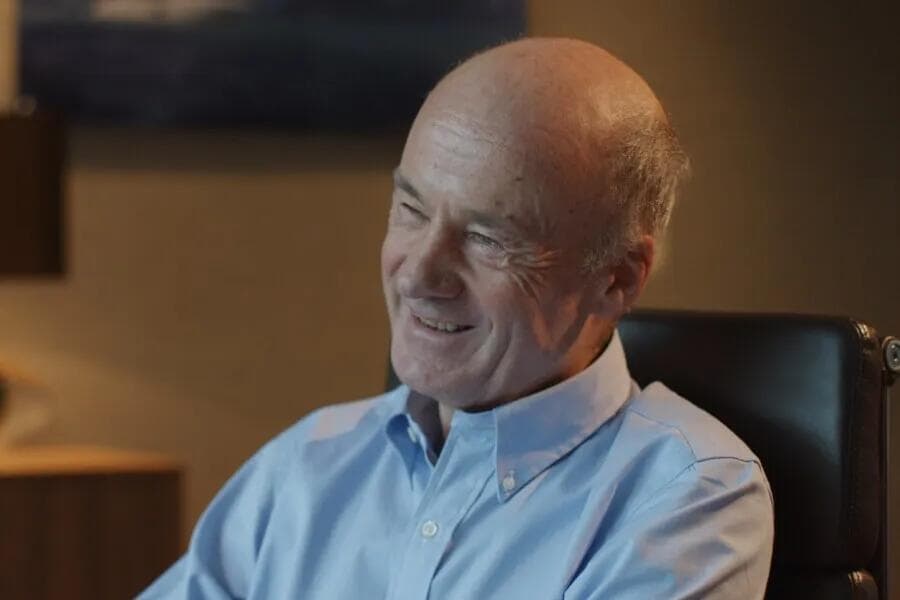
A defining characteristic of Green’s leadership is his ongoing relationship with Princess founder David King. Founded in 1965, Princess Yachts is one of the few remaining "original" luxury brands from the mid-century boatbuilding boom still influenced by its founder. King, now in his 80s, remains a mentor to Green and continues to provide insights into product development and the "art of sustainable profits."
Green notes that while the industry has seen the departure of many founding figures—such as Paolo Vitelli of Azimut, Robert Braithwaite of Sunseeker, and Norberto Ferretti—King remains an active presence at the Plymouth headquarters. This continuity has preserved the "Princess DNA," which emphasizes engineering integrity and sea-keeping over fleeting aesthetic trends. King’s advice to Green—to rigorously analyze competitors’ strengths while remaining hyper-critical of one’s own products—remains the cornerstone of the company’s R&D philosophy.
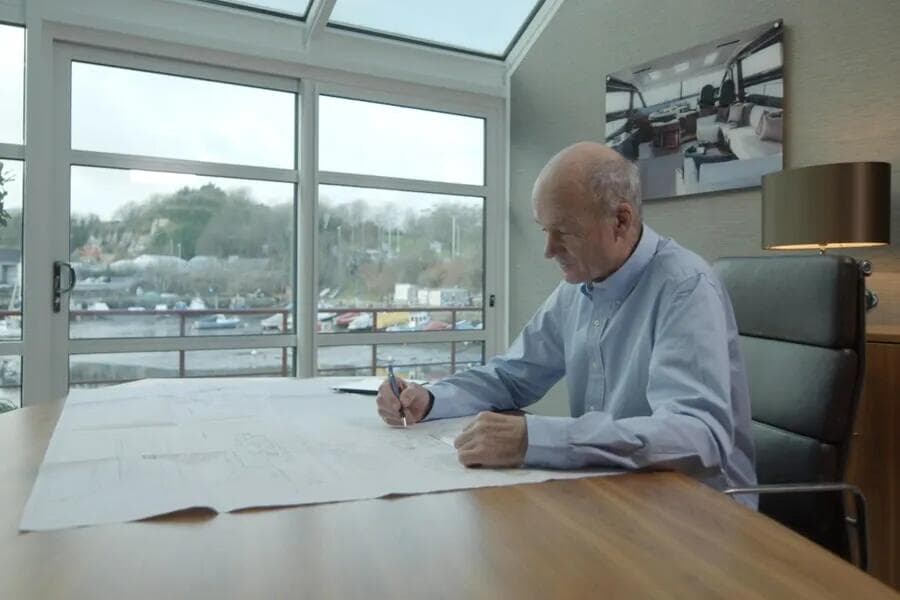
The current leadership team reflects this deep-rooted experience. The seven-member Board of Directors possesses over a century of combined experience at Princess. Key figures include COO James Smale, who began as an apprentice in 1997; CCO Annie Reed, who joined in 2001; and Executive Director of Design and Development Andy Lawrence, a 23-year veteran. This internal stability was a prerequisite for Green accepting the CEO role, ensuring that the company’s "turnaround" was managed by those who understood its core values.
Strategic Innovation: The C Class and Outboard Propulsion
Perhaps the most surprising move under Green’s tenure has been the announcement of the C Class. Historically, Princess has been synonymous with large, inboard-powered flybridge and sports yachts. However, the shift in consumer behavior toward high-end dayboats and chase boats led the company to develop the C48, its first venture into centre-console powerboats with outboard engine options.
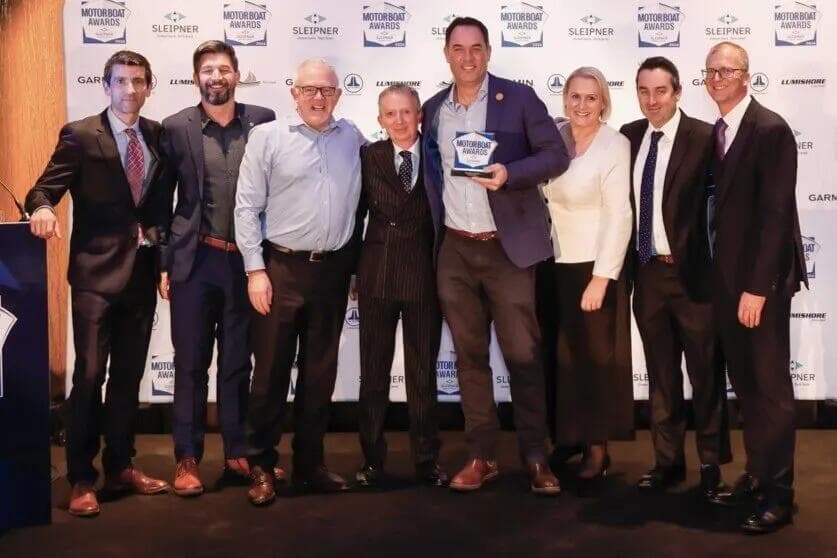
The move into the outboard sector is a strategic response to a "chameleon" market. The C48 is designed to serve as a versatile platform that can be configured as an open dayboat or an enclosed saloon, catering to diverse climates from the heat of the Gulf to the cooler waters of Northern Europe. To ensure the performance matched the brand’s reputation, Princess collaborated with renowned naval architect Michael Peters, utilizing his patented Stepped Vee Ventilated Tunnel (SVVT) hull technology.
By entering this segment, Princess is targeting its existing client base—many of whom already own a larger Princess yacht but utilize a different brand for their day-boating needs. This "brand ecosystem" approach allows Princess to capture a larger share of the luxury marine wallet while maintaining the high levels of fit and finish expected of the marque.
Shared Platforms and the Evolution of the X Class
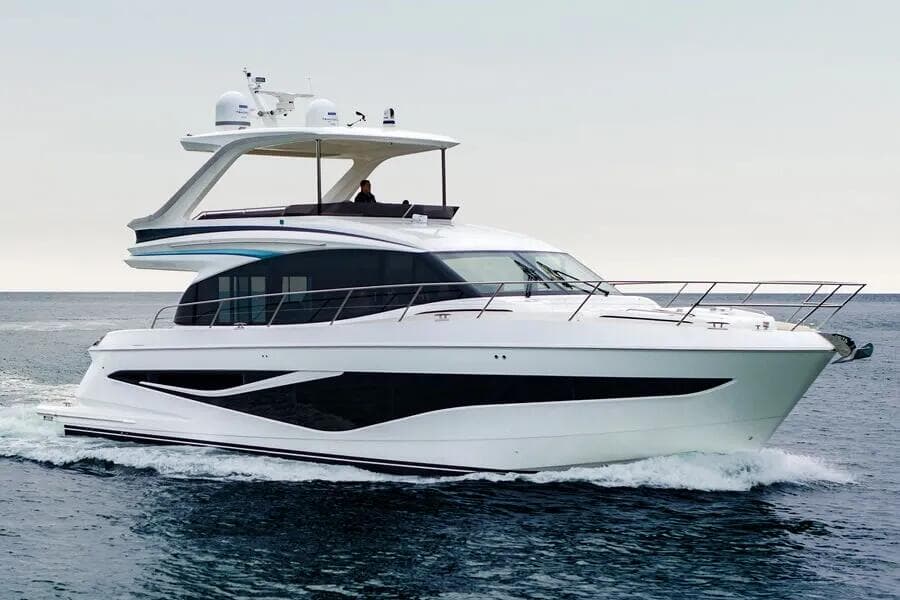
The company’s "shared platform" strategy has become a masterclass in manufacturing efficiency. By developing a single, high-performance hull that can support multiple model types, Princess has significantly reduced development costs while offering customers distinct yachting experiences.
The X Class, characterized by its "superfly" wide-body design, has redefined the brand’s aesthetic since the launch of the X95 in 2020. This range, which now includes the X80 and the upcoming X90, shares engineering systems and hull shapes with the more traditional Y Class (motor yachts) and the S Class (sportbridge yachts).
The success of this strategy is evident in the production numbers. The 95-foot platform has already seen over 40 units produced, with the X95 accounting for roughly two-thirds of those sales. This demonstrates that modern yacht buyers are increasingly prioritizing interior volume and flexible living spaces—qualities the X Class provides in abundance.
Returning to Superyachts: The 106 Odyssey
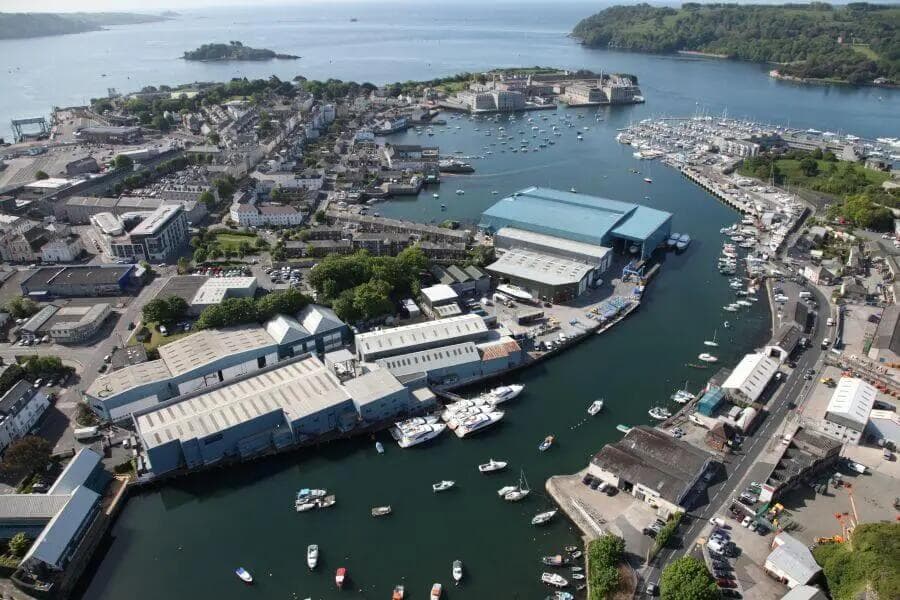
As Princess celebrates its 60th anniversary, it is looking upward in scale. At the 2025 Monaco Yacht Show, the brand announced the 106 Odyssey, marking a significant return to the 100-foot-plus superyacht sector. The production of these larger vessels is centered at the company’s South Yard, a site steeped in maritime history.
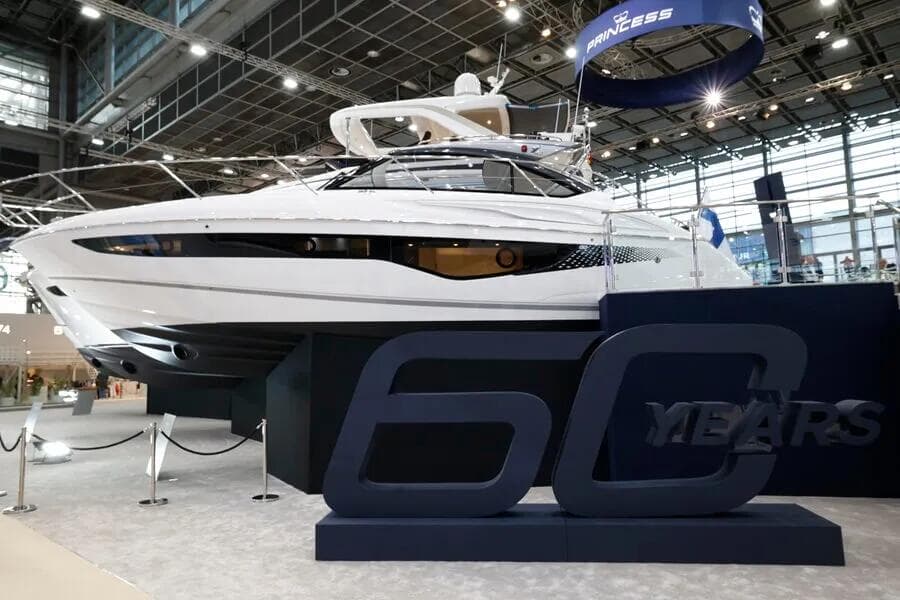
The South Yard includes the 18th-century Ropery building, a unique asset where Princess continues to assemble full-size wooden mock-ups of every deck for upcoming models. This artisanal approach to design allows engineers and designers to walk through the spaces and refine ergonomics before a single piece of composite is laid. To support the Odyssey program, Princess is planning further investments to extend its factory facilities, signaling long-term confidence in the superyacht market.
Global Markets and Future Outlook
Geographically, Green is overseeing an expansion of influence in both established and emerging markets. Southeast Asia remains a stronghold, supported by a 30-year partnership with Boat Lagoon Yachting and a growing presence in Hong Kong. However, the Middle East is currently the most dynamic region for Princess’s larger yachts.
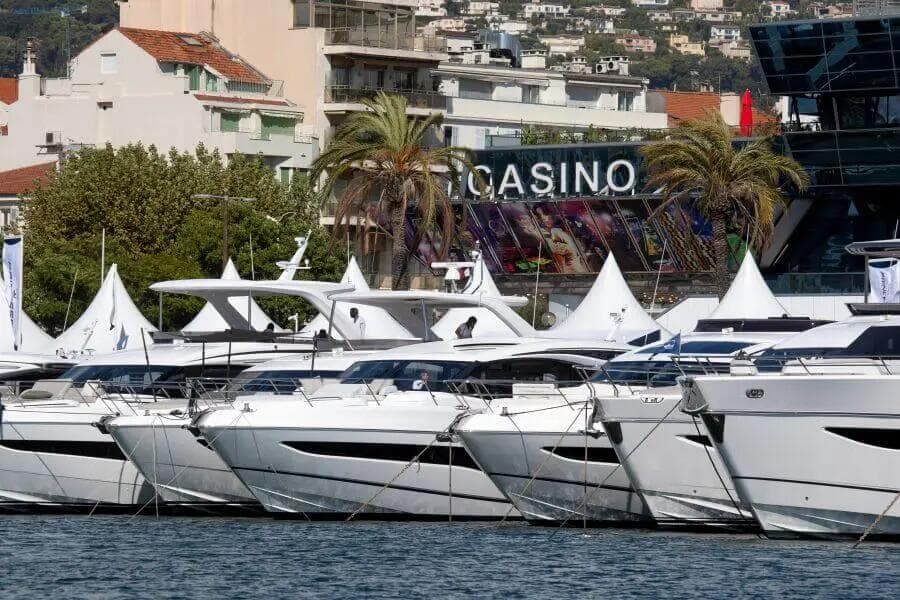
While Saudi Arabia represents a significant future opportunity due to massive infrastructure investment in the Red Sea, Green identifies Dubai as the current epicenter of Gulf yachting activity. The demand in this region is skewing toward larger, class-certified vessels, which aligns perfectly with the launch of the 106 Odyssey and the continued evolution of the Y and X Classes.
The broader implication of Will Green’s leadership is a shift from reactive survival to proactive market shaping. By balancing the "founding father" legacy of David King with the modern financial discipline of KPS Capital Partners, Princess Yachts has positioned itself as a resilient entity in a luxury sector often buffeted by geopolitical and economic turmoil. The company’s mantra—to generate quality profits through quality products—serves as a blueprint for the next 60 years of British boatbuilding. Under Green, Princess Yachts is no longer just a builder of boats; it is a meticulously managed luxury brand that understands the nuanced demands of the modern global mariner.
