
 By admin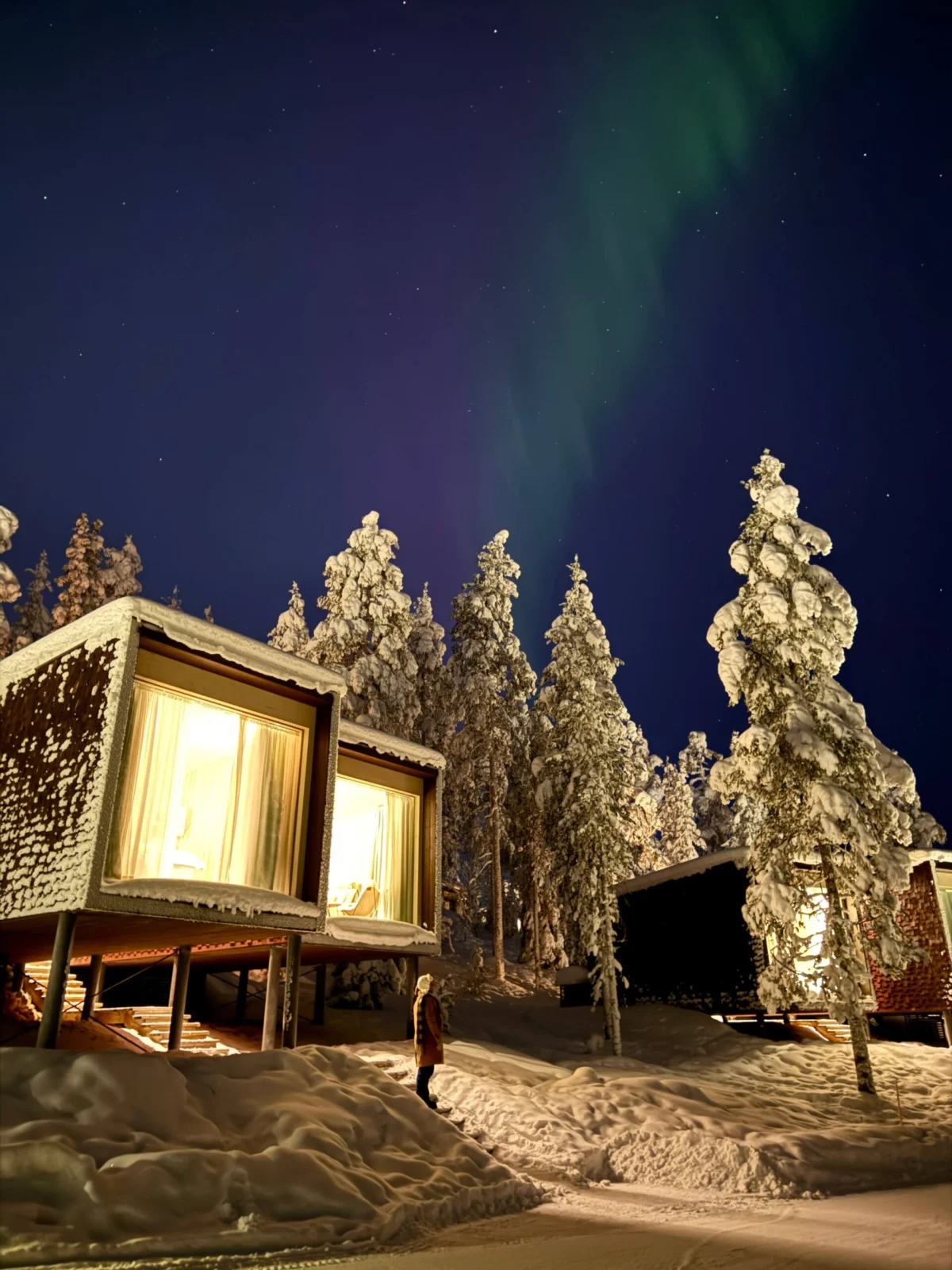
The concept of luxury in the global tourism industry has undergone a radical transformation, shifting from the traditional markers of opulence—gold leaf, white-glove service, and urban density—toward a model defined by "elemental luxury." In the Finnish province of Lapland, specifically within the city of Rovaniemi, this shift is embodied by the Arctic TreeHouse Hotel. Situated precisely on the Arctic Circle, this establishment serves as a case study in how modern hospitality leverages sensory immersion and environmental stillness to cater to a high-net-worth demographic seeking "slow travel" and psychological restoration. Rather than a standard checklist of excursions, the hotel prioritizes a refined sensory integration with the Boreal wilderness, utilizing the natural landscape as its primary architectural and experiential asset.
The Architectural Philosophy of Observation
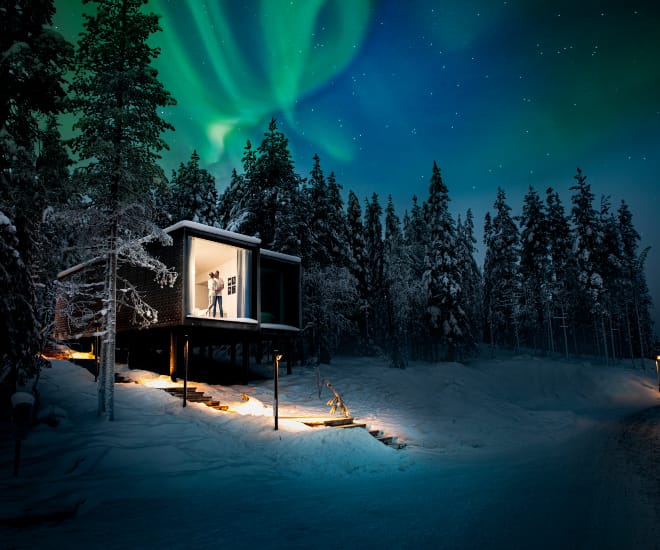
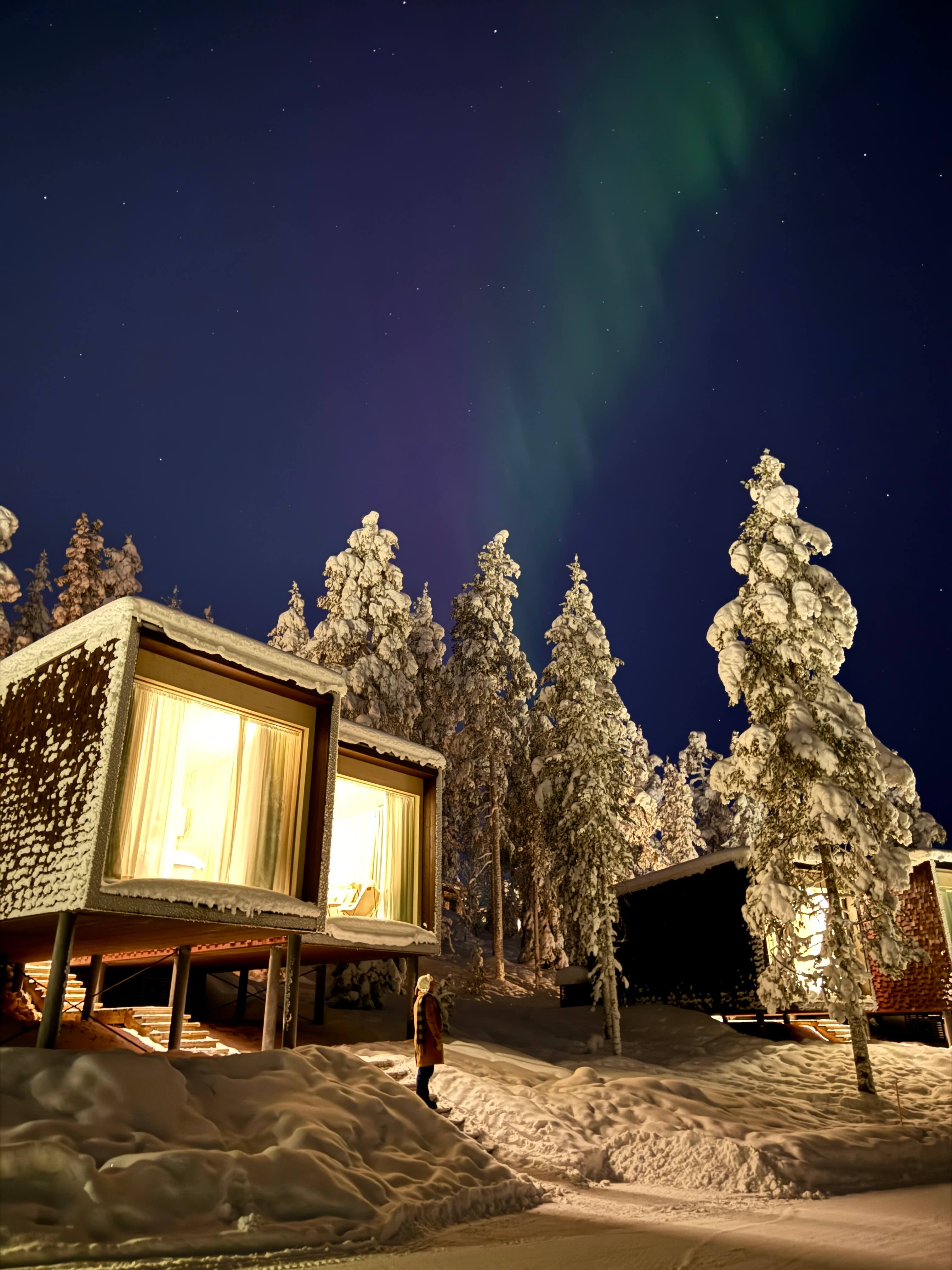
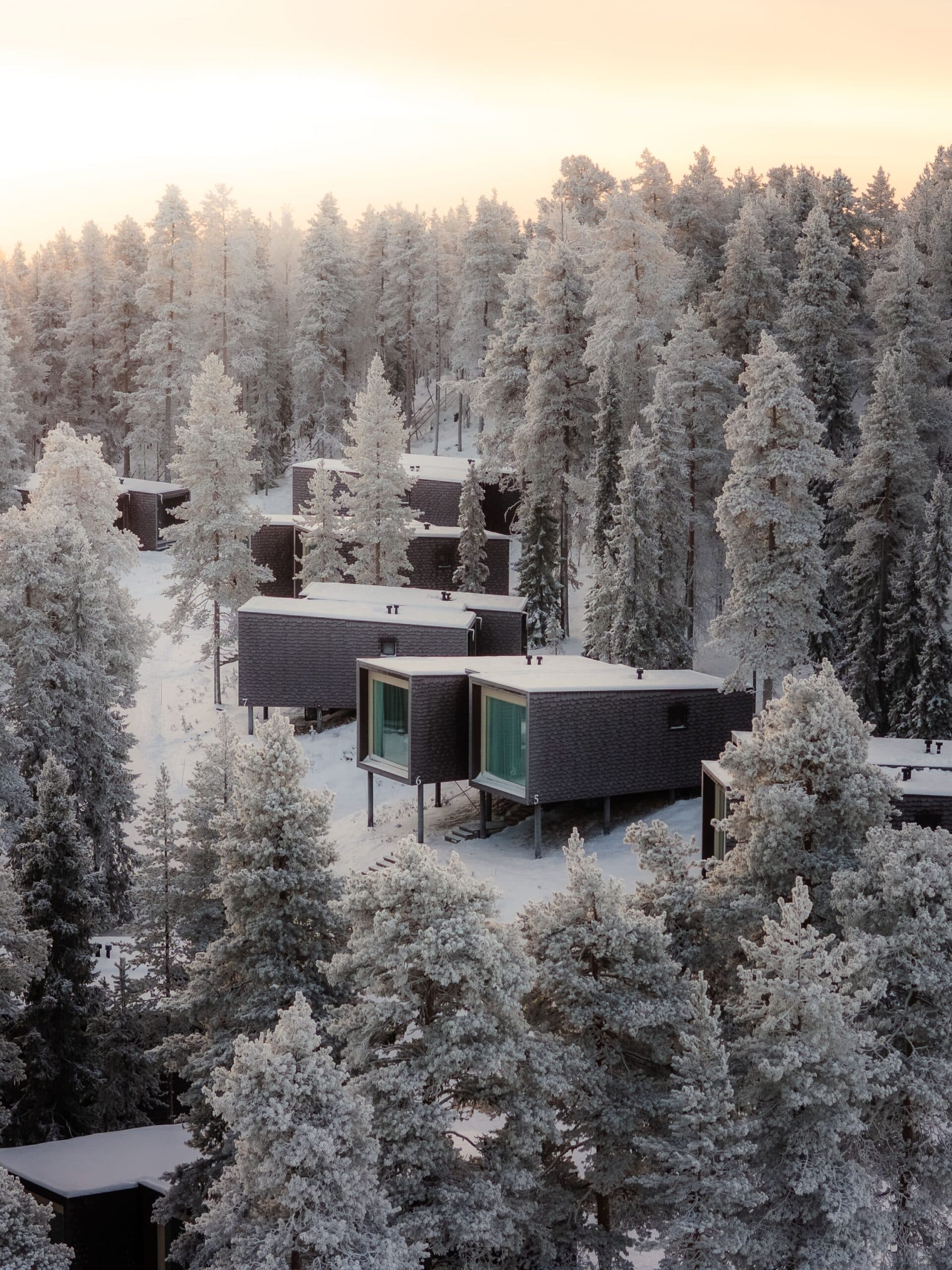
The Arctic TreeHouse Hotel, which opened in late 2016, was designed by the renowned Finnish firm Studio PUISTO. The development represents a departure from the massive, centralized hotel blocks typical of the late 20th century. Instead, the property consists of approximately 60 individual suites, elevated on stilts to minimize the footprint on the delicate forest floor. This design choice is not merely aesthetic; it is a functional response to the topography of the Syväsenvaara fell.
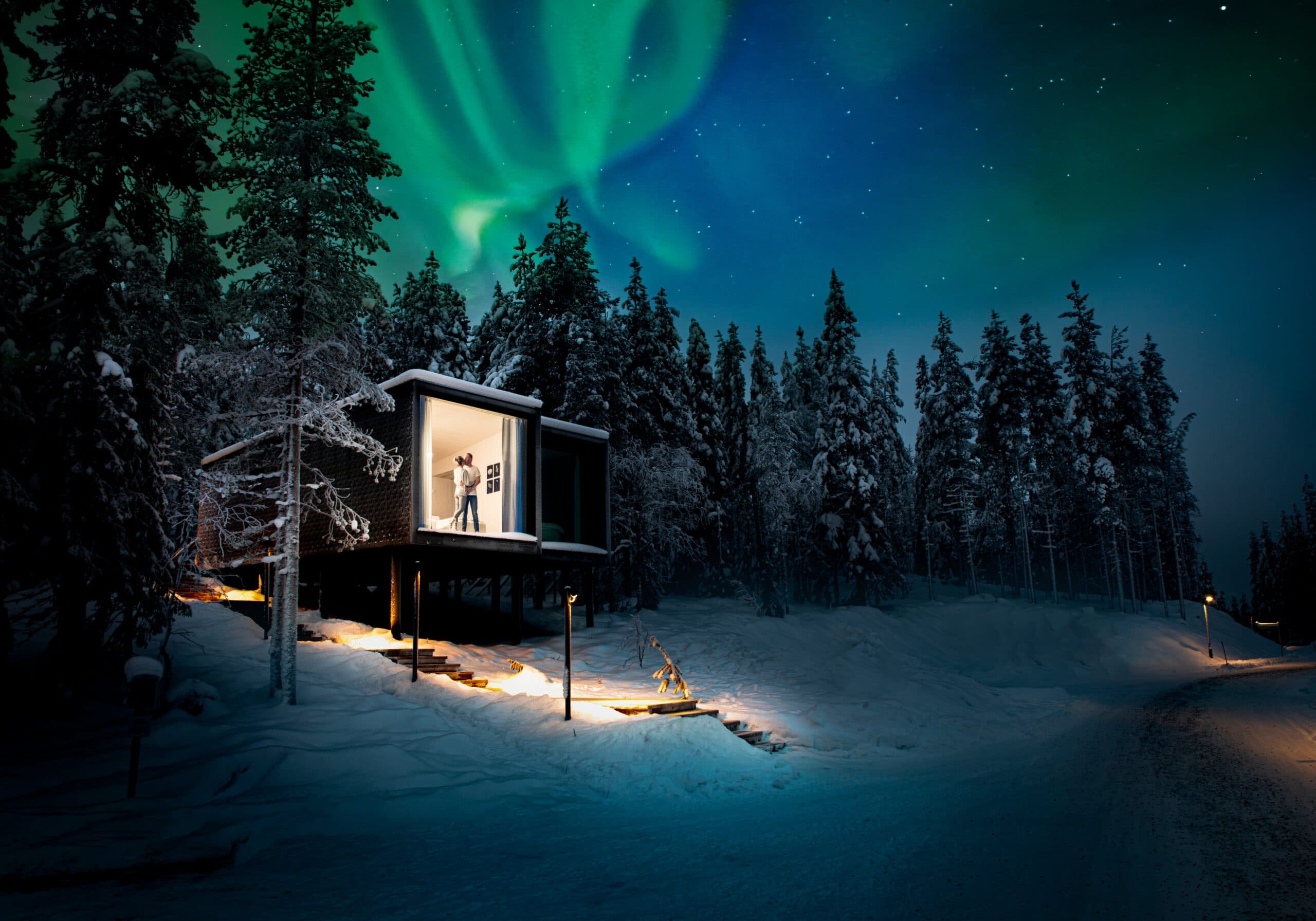
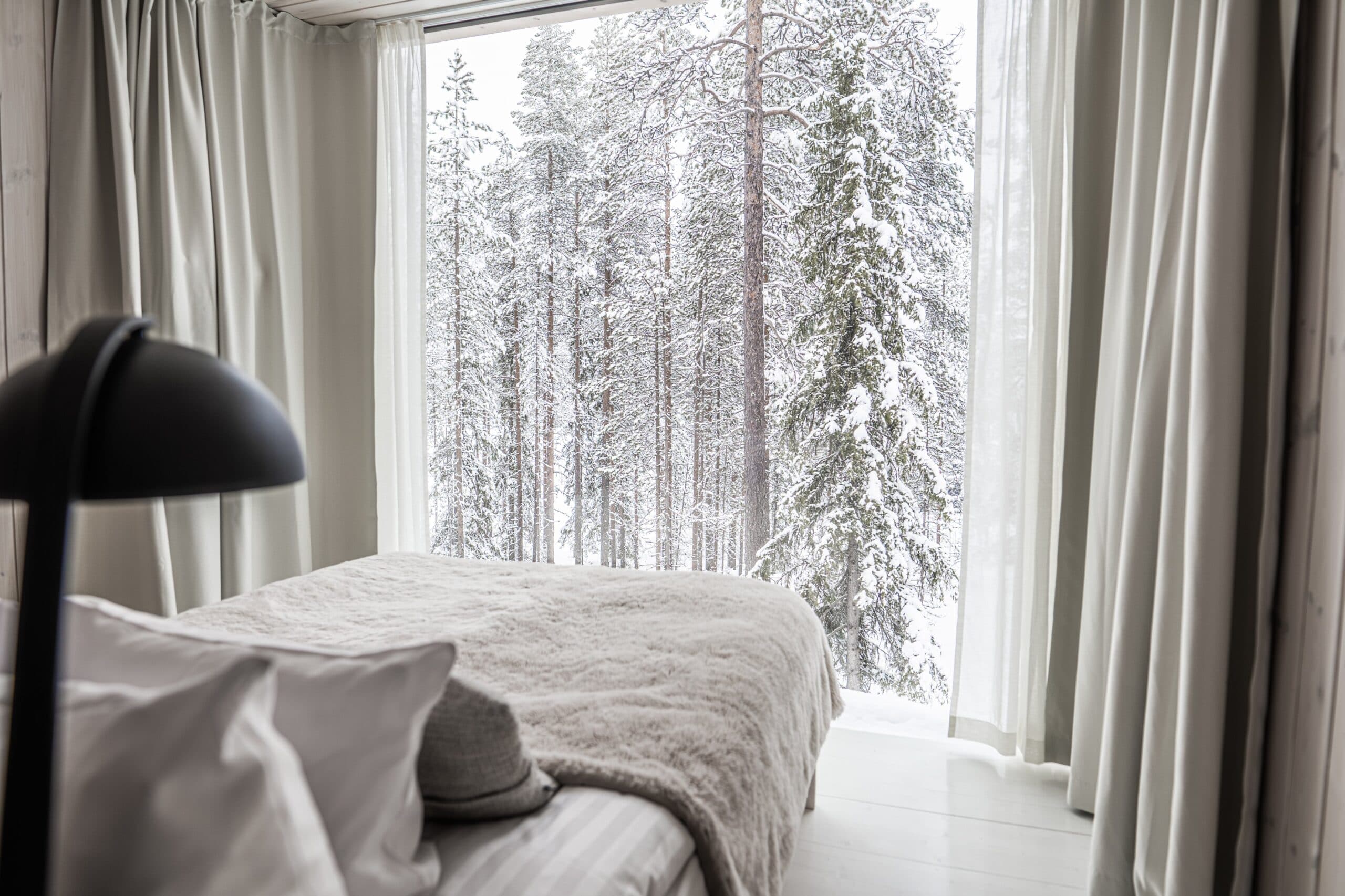
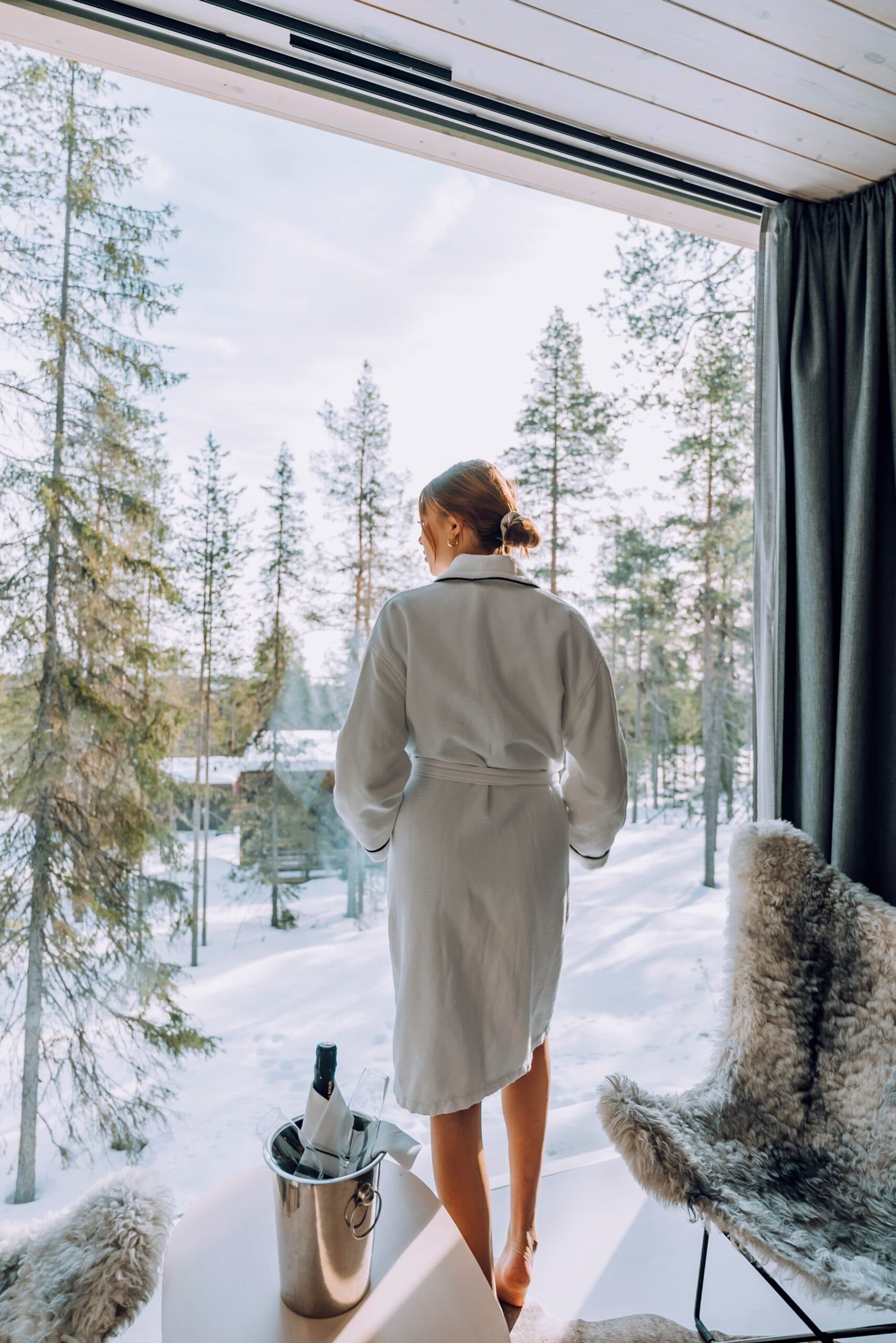
The suites are categorized into three distinct tiers: the Arctic TreeHouse Suites, designed for couples or solo travelers; the Arctic GlassHouses, which feature two bedrooms and private kitchenettes; and the ArcticScene Executive Suites, which offer expanded living areas and wellness facilities. The unifying feature across all units is the floor-to-ceiling panoramic glass wall. This "living canvas" approach to interior design ensures that the external environment—characterized by pine forests and varying light conditions—is the focal point of the guest experience. By angling the suites toward the northern horizon, the architects have turned the guest’s private quarters into a specialized observatory for the Northern Lights (Aurora Borealis).
Sight: The Visual Economy of the Aurora and the Polar Night
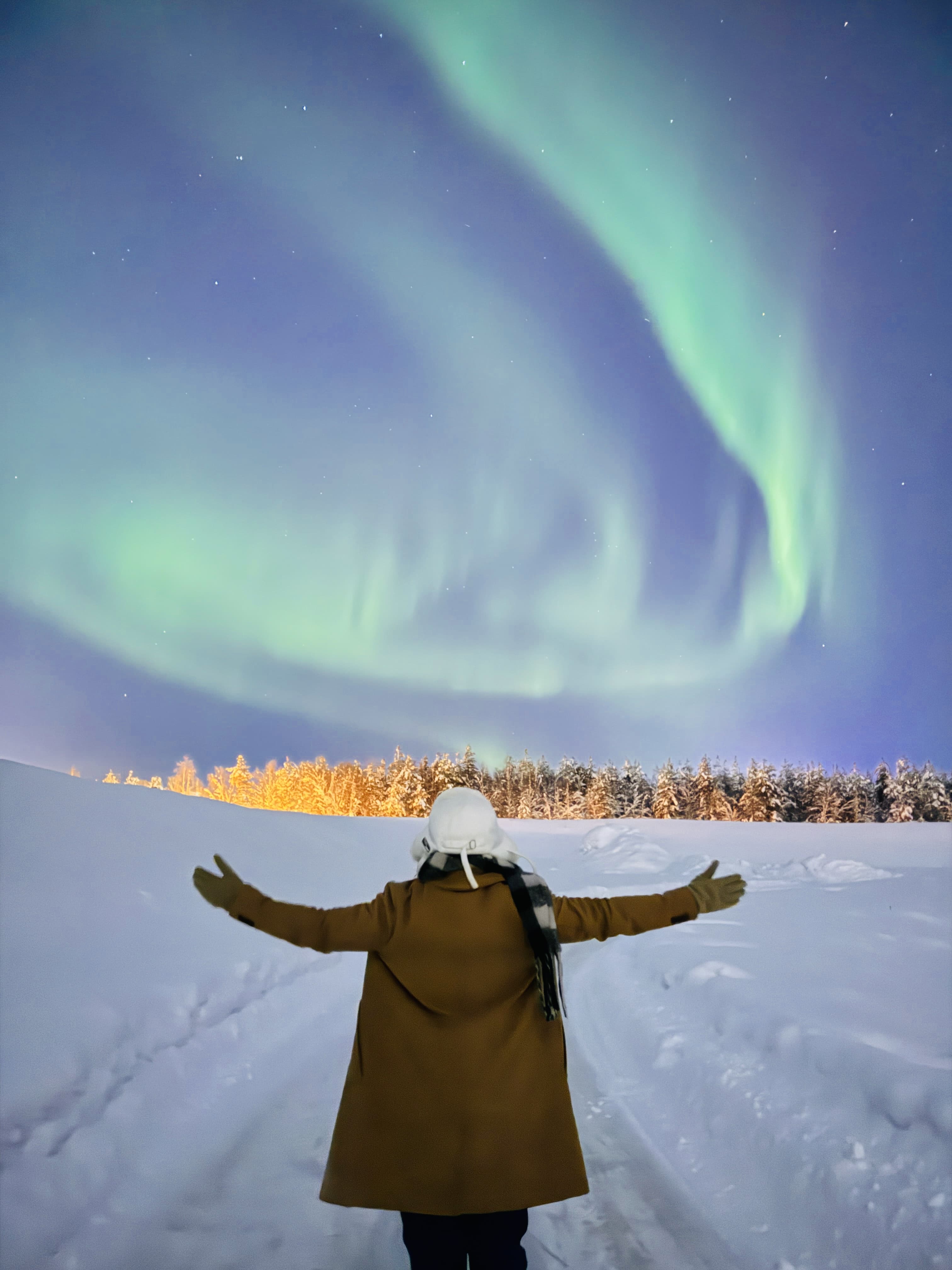
The visual experience of Lapland is defined by its extreme seasonal fluctuations. In the winter months, Rovaniemi experiences the "Kaamos" or Polar Night, a period where the sun does not rise above the horizon. However, this is not a period of total darkness; it is characterized by "blue light" hours, where the reflection of light off the snow creates a soft, ethereal glow.
Data from the Finnish Meteorological Institute indicates that the Northern Lights are visible in the Rovaniemi region approximately 150 nights per year, provided the sky is clear. The Arctic TreeHouse Hotel’s design capitalizes on this statistical probability. By removing the need for guests to travel to remote viewing sites in sub-zero temperatures, the hotel has commodified the visual phenomenon of the aurora. The sight of green, purple, and pink solar particles dancing across the thermosphere is transformed from a rugged outdoor adventure into a private, high-end spectator event. This visual accessibility is a key driver for the region’s winter tourism, which contributes significantly to Lapland’s annual €1 billion tourism revenue.
Sound: The Acoustics of Snow and the Silence of the Fell
In a world defined by urban noise pollution, silence has become a luxury commodity. The acoustics of the Arctic wilderness are unique due to the physical properties of snow. A fresh layer of snow acts as a natural sound absorber, capturing sound waves rather than reflecting them. This creates an environment of "absolute quiet" that is rarely found in more temperate climates.
Step outside the suites, and the auditory landscape is limited to the rustle of wind through the Scots pine and Norway spruce trees. However, the region’s silence is occasionally punctuated by the cultural sounds of the North. Husky sledding, a staple of Arctic tourism, offers a complex auditory experience. While the dogs exhibit high-energy vocalizations at the start of a run, the actual journey is famously quiet. The only sounds are the rhythmic breathing of the Alaskan or Siberian huskies and the friction of the wooden sled runners against the packed snow. This contrast—between the exuberant noise of the pack and the meditative silence of the glide—is often cited by travelers as one of the most profound psychological impacts of the Arctic trip.
Smell: Environmental Purity as a Wellness Metric
The olfactory experience of Lapland is rooted in the region’s exceptional air quality. According to the World Health Organization (WHO), Northern Finland possesses some of the cleanest air on the planet. This purity is maintained by the low population density and the vast expanse of protected forest lands.
A key biological indicator of this air quality, visible to guests wandering the trails around the Arctic TreeHouse Hotel, is the presence of beard lichen (Usnea). This delicate, hair-like plant is highly sensitive to sulfur dioxide and other pollutants; it simply will not grow in environments with compromised air quality. The scent of the forest is thus defined by "clean" notes: frozen pine needles, cold oxygen, and the absence of anthropogenic odors. Inside the hotel, the olfactory profile shifts to the warmth of timber—primarily cross-laminated timber (CLT) used in the construction—and the wood-burning fireplaces of the Rakas Restaurant & Bar.
Taste: The Hyper-Local Gastronomy of the Natural Pantry
The culinary strategy at the Arctic TreeHouse Hotel, centered at the Rakas Restaurant, reflects the "Natural Pantry" movement. This gastronomic philosophy emphasizes ingredients that are indigenous to the Arctic Circle, many of which are foraged or sourced within a small radius of the property.
The menu is a factual representation of the region’s biodiversity:

- Reindeer: A staple of the Sámi people and the broader Finnish diet, reindeer meat is lean, high in B12, and omega-3 fatty acids. The traditional "sautéed reindeer" (poronkäristys) served with mashed potatoes and lingonberry jam is a cultural landmark.
- Freshwater Fish: Sourced from the pristine lakes of Lapland, species such as Arctic char, whitefish, and perch provide a delicate counterpoint to the heavier meats.
- Wild Berries: The short but intense Arctic summer produces berries with high concentrations of antioxidants and flavors. Cloudberries, bilberries, and lingonberries are utilized in both savory sauces and refined desserts.
- Mushrooms: Foraged from the Boreal forest floor, local fungi add an earthy depth to the Nordic menu.
This focus on hyper-locality is not just about flavor; it is an economic driver for local herders and foragers, ensuring that tourism revenue circulates within the local Lapland economy.
Touch: The Thermal Duality of the Finnish Sauna
The sensory experience of the Arctic is perhaps most physically felt through the ritual of the sauna. In Finland, the sauna is an essential cultural institution; there are an estimated 3 million saunas for a population of 5.5 million people. At the Arctic TreeHouse Hotel, the sauna experience is integrated into the luxury stay, particularly in the GlassHouses and Executive Suites.
The "touch" of the Arctic is defined by extreme thermal duality. The intense, dry heat of the sauna (typically between 80°C and 100°C) is followed by a deliberate exposure to the Arctic cold. This can involve a "snow bath" or a plunge into an ice-hole (avanto). From a physiological perspective, this cycle of heating and cooling stimulates blood circulation and releases endorphins. From a journalistic perspective, it represents the ultimate physical engagement with the environment—a shocking, invigorating reminder of the Arctic’s power that leaves a lasting impression on the traveler’s nervous system.
Economic Impact and Sustainable Growth
The success of sensory-focused properties like the Arctic TreeHouse Hotel has broader implications for Rovaniemi and the Lapland region. According to Business Finland, the Lapland tourism industry has seen a steady increase in international overnight stays, with a notable rise in travelers from Asia and the United States.
However, this growth brings challenges regarding sustainability. The Arctic TreeHouse Hotel has addressed these concerns by obtaining the Green Key certification, an international eco-label for tourism facilities. This involves rigorous standards for energy efficiency, waste management, and the use of eco-friendly cleaning products. The hotel’s reliance on the purity of the forest means that environmental conservation is not just an ethical choice but a business necessity. If the air quality drops or the forest is degraded, the very "luxury" the hotel sells—clean air and pristine views—disappears.
Conclusion: The Future of the Arctic Immersion Model
The Arctic TreeHouse Hotel represents a successful pivot in the luxury travel sector. By moving away from artificial opulence and toward a refined, sensory-based immersion in the wilderness, the property has tapped into a growing desire for authenticity and environmental connection.
The "Lapland model" of luxury suggests that the most valuable assets a destination can offer are those that cannot be manufactured: the specific silence of falling snow, the unique chemical composition of the air, and the unpredictable beauty of the Aurora Borealis. As global travel continues to evolve, the integration of high-end architectural design with raw, elemental nature—as seen in Rovaniemi—is likely to become the gold standard for sustainable, meaningful tourism in the 21st century. The stay at such a property is ultimately defined not by the amenities within the four walls, but by how those walls allow the world outside to be felt, seen, and remembered.
