
 By admin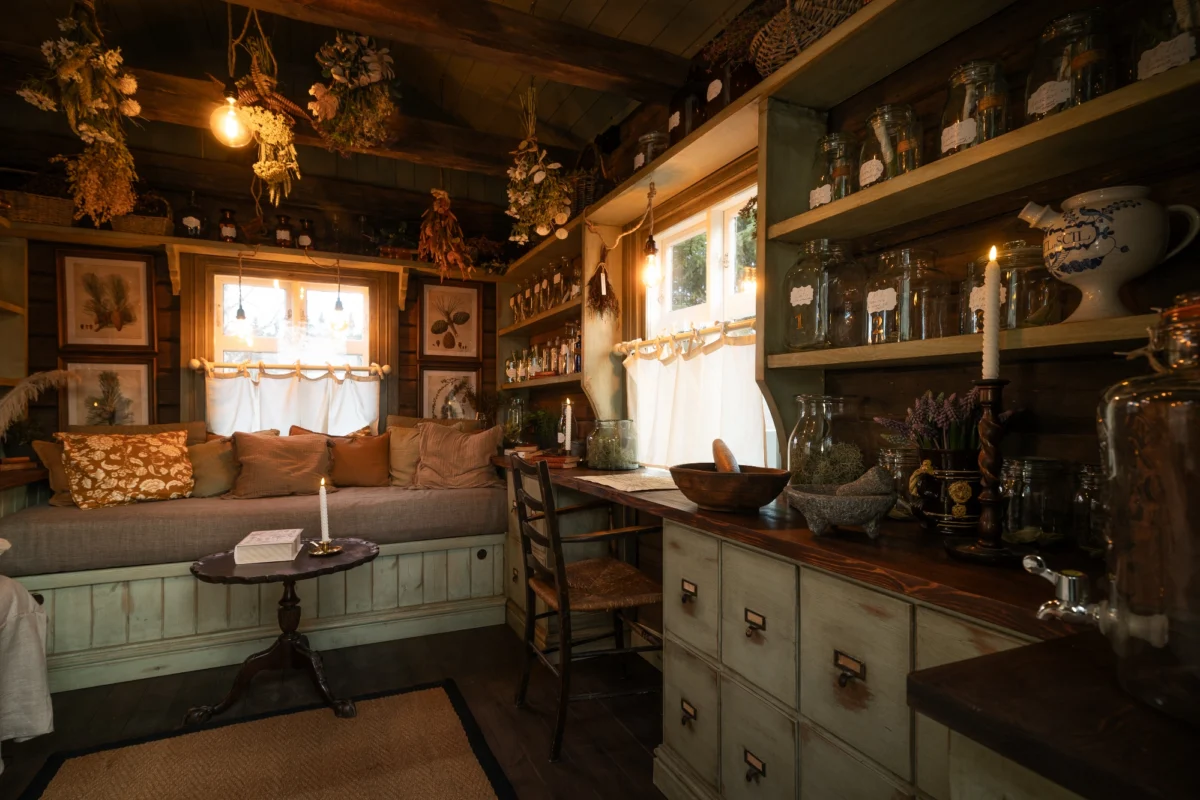
Strategic Location and Geographic Context
Rovaniemi has long served as the administrative and commercial hub of Lapland, Finland’s northernmost province. However, the city’s tourism profile has evolved rapidly over the last decade. Historically dominated by seasonal family travel centered on the Santa Claus Village, the region is now seeing a surge in year-round luxury infrastructure. The Aino Private Island Hotel occupies a strategic "coordinate" on the Kemijoki, Finland’s longest river, which serves as a vital artery for the local ecosystem and a dramatic backdrop for winter tourism.
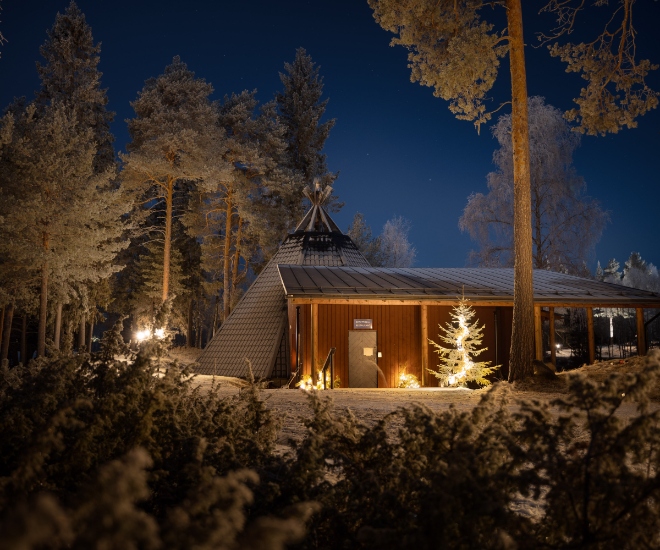
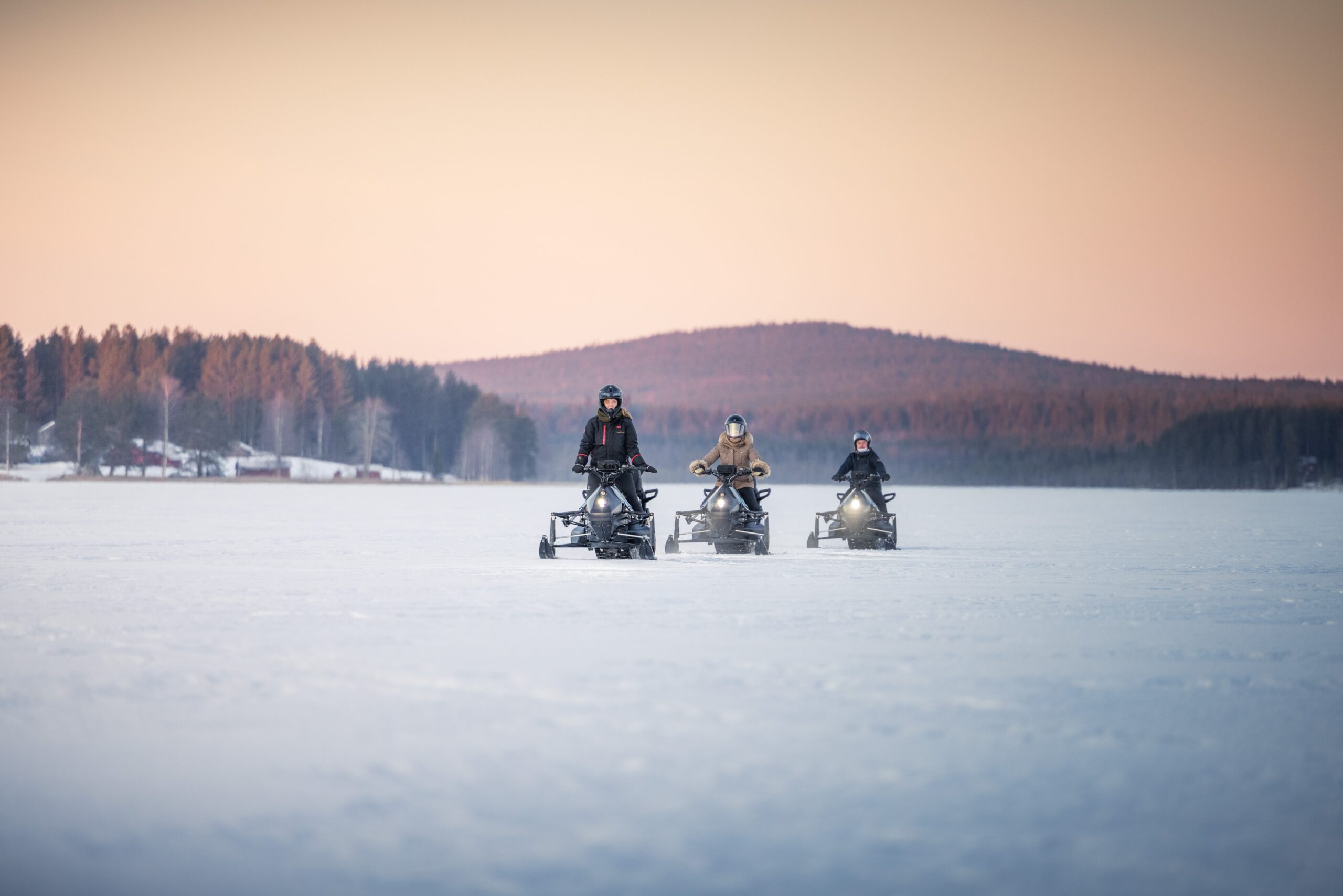
The island’s topography offers a natural barrier that enforces the hotel’s "accessible yet removed" philosophy. During the winter months, the Kemijoki freezes into a stable sheet of ice, transforming the island into a monochromatic landscape of silver and white. This geographic isolation is a key component of the hotel’s value proposition, offering a level of privacy that is increasingly difficult to find in the more developed sectors of Rovaniemi. By situating the property 10 kilometers outside the urban core, the developers have ensured that light pollution is minimized, significantly enhancing the visibility of the Aurora Borealis—a primary driver for the Arctic travel economy.
Architecture and the Aesthetic of Nordic Clarity
The design language of the Aino Private Island Hotel is rooted in the principles of Nordic minimalism, a movement that emphasizes functionality, natural materials, and a seamless integration with the surrounding environment. The architecture utilizes warm, locally sourced woods and expansive glass facades that serve to "frame" the Arctic landscape rather than compete with it. This approach reflects a broader trend in high-end Scandinavian hospitality where the "spectacle" is the nature itself, and the building acts as a sophisticated lens.
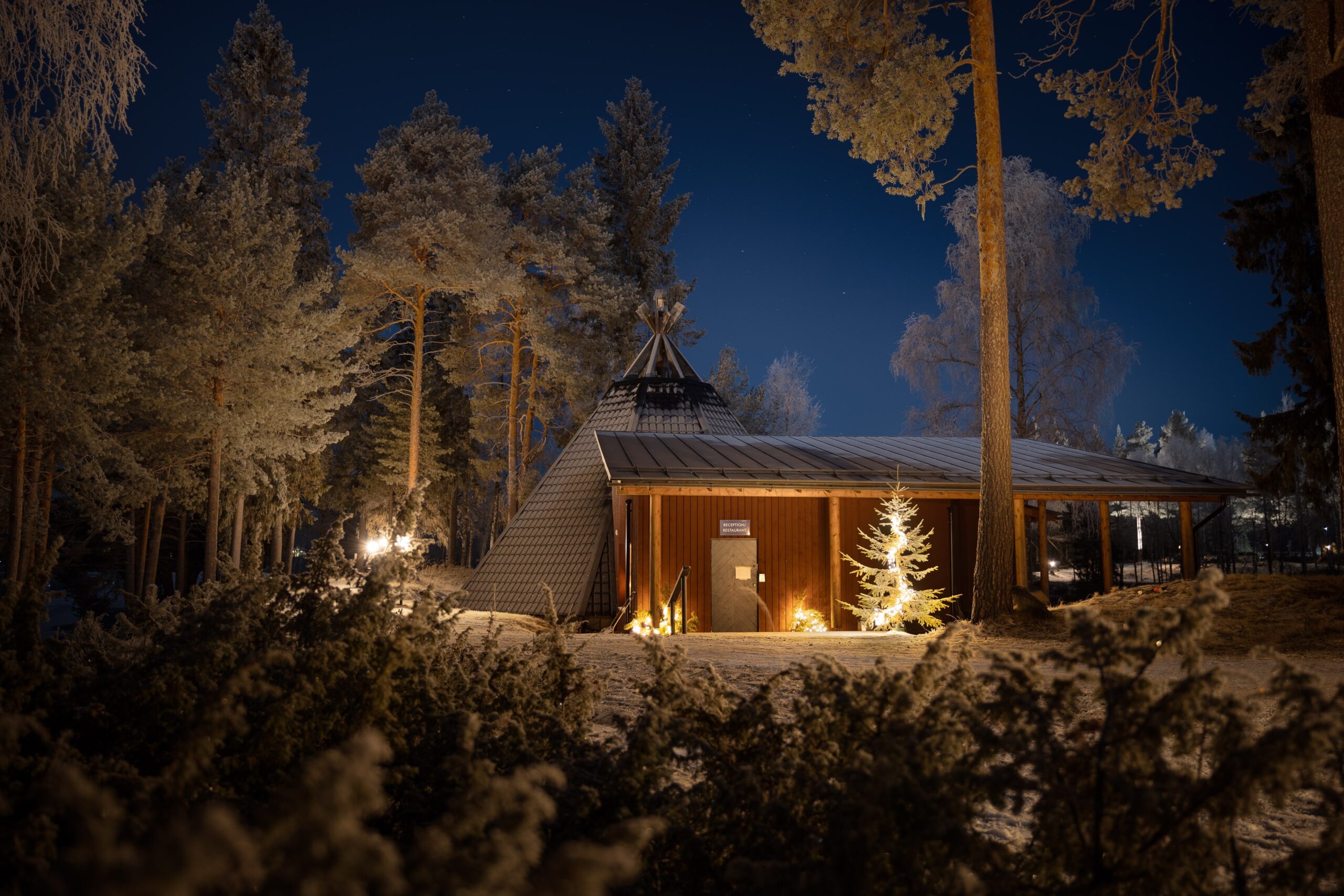
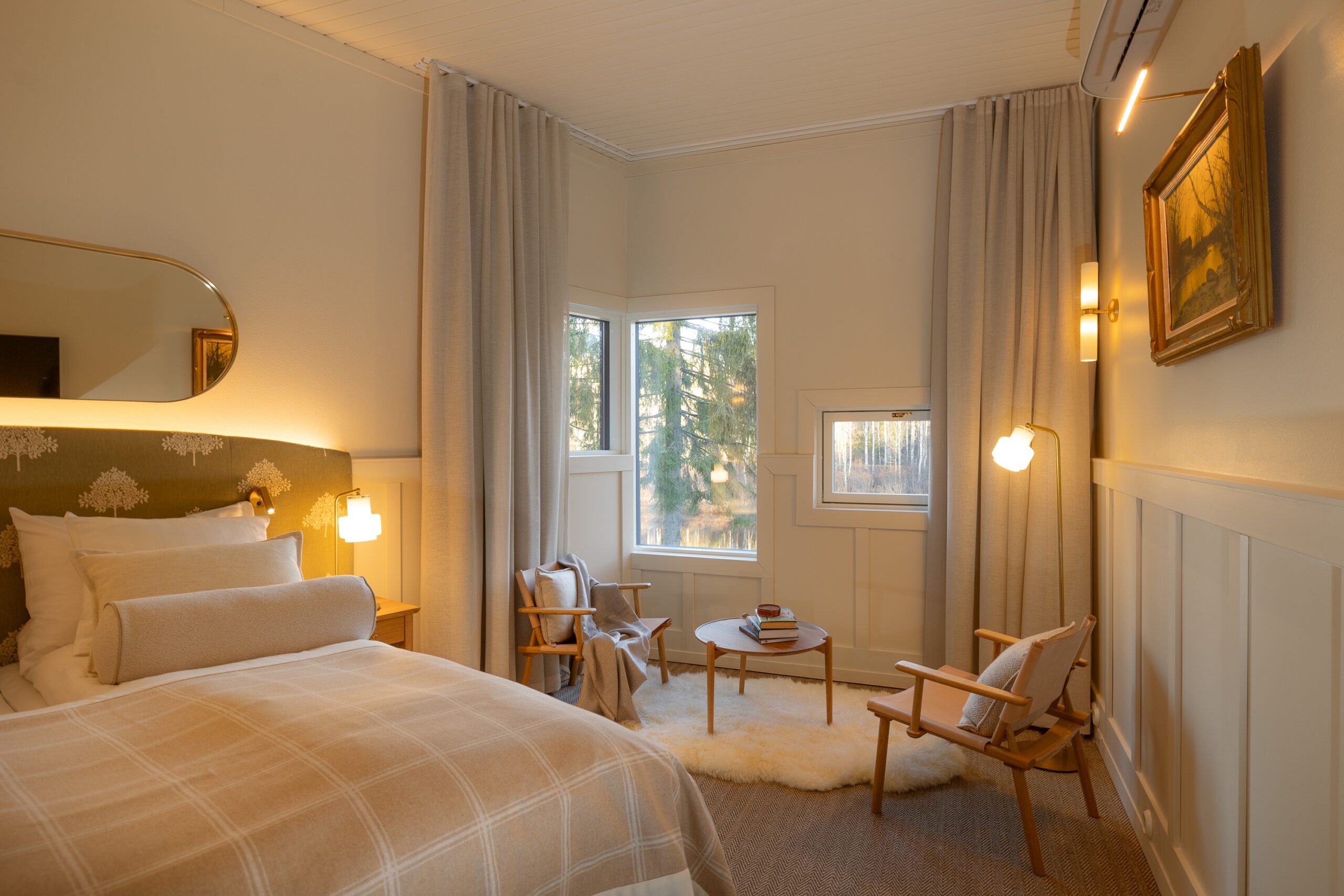
The accommodation suite is divided into three distinct categories: deluxe rooms, suites, and a flagship private villa. Each unit is designed with "tactile luxury" in mind, utilizing heavy textiles, stone, and wood to create a sense of "cocooning" against the harsh external temperatures, which can frequently drop below -30 degrees Celsius. The interior design avoids the ornate, opting instead for a "whispered" luxury that prioritizes acoustic privacy and thermal comfort. The decision to make the island an adults-only destination further refines the atmosphere, ensuring that the silence of the island remains an intentional design feature rather than a byproduct of its location.
Culinary Innovation: A Thesis on Local Sourcing
The gastronomic program at Aino is a departure from standard resort fare, focusing on a "hyper-local" philosophy that utilizes the unique flora and fauna of the Arctic. The kitchen is notably female-led, bringing a perspective that emphasizes precision, warmth, and the dissolution of the traditional barrier between the chef and the diner.
A cornerstone of the morning menu is the reindeer toast, which serves as a culinary thesis for the hotel’s identity. In Lapland, reindeer husbandry is not merely an industry but a cultural heritage of the indigenous Sámi people and local Finns. By elevating reindeer meat to a breakfast staple, the hotel integrates the guest into the regional narrative. The dining experience is further enriched by the use of Finnish berry jams—sourced from cloudberries, lingonberries, and bilberries—and artisanal breads baked on-site.
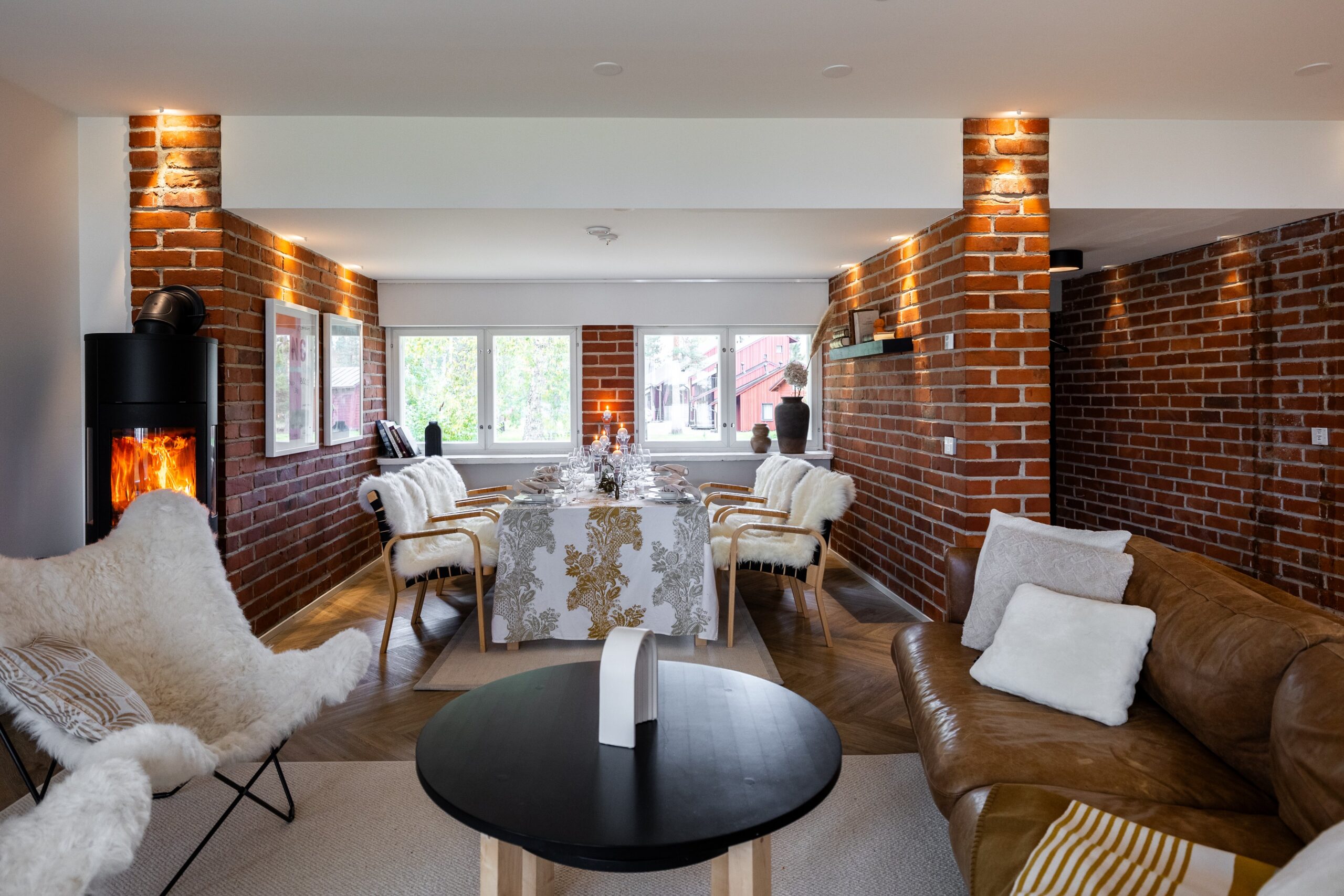
Dinner service is anchored by an open-fire restaurant, a nod to the elemental history of survival in the north. The menu features venison steak and Arctic salmon, prepared with techniques that highlight the delicate textures of the proteins. The inclusion of both breakfast and dinner in the stay is a deliberate operational choice, ensuring that the culinary narrative remains consistent throughout the guest’s residency. This "curated dining" model reflects a growing demand in the luxury sector for all-inclusive experiences that do not compromise on epicurean standards.
The Evolution of Arctic Wellness: The Soul Pharmacy
Wellness at the Aino Private Island Hotel is treated as a cultural ritual rather than a modern amenity. Central to this is the wood-fired sauna, an institution in Finnish culture that has been recognized by UNESCO as part of the Intangible Cultural Heritage of Humanity. The hotel’s wellness circuit—alternating between the intense heat of the sauna and the crisp Arctic air, followed by a soak in an outdoor jacuzzi—is designed to recalibrate the body’s circadian rhythms and reduce stress.
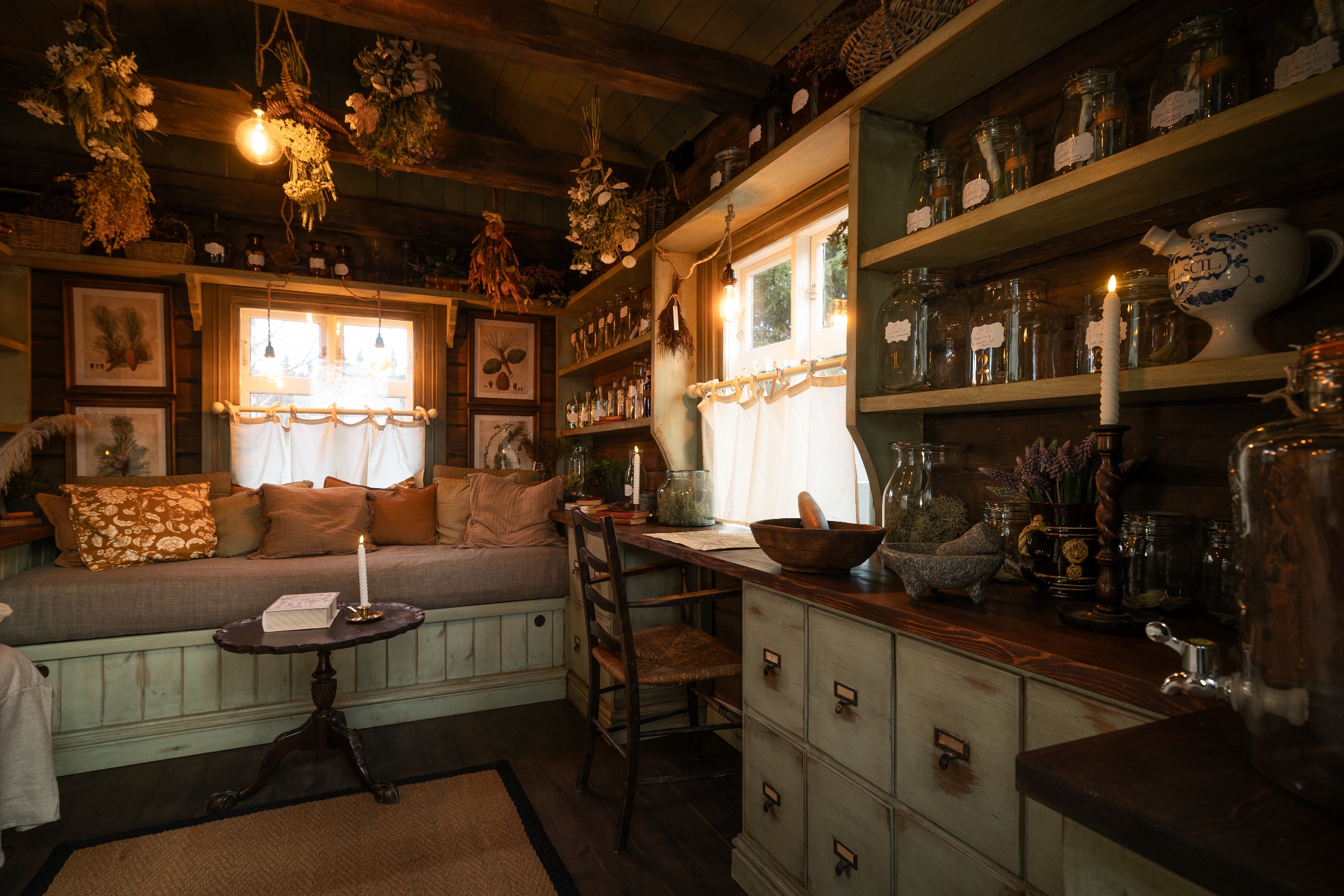
A unique feature of the property is the "Soul Pharmacy," a concept that honors ancient Nordic healing traditions. Unlike contemporary spas that focus on clinical treatments, the Soul Pharmacy utilizes natural remedies and encourages quiet reflection. This approach aligns with the "transformative travel" trend, where guests seek experiences that offer mental clarity and a connection to ancestral wisdom. The pharmacy serves as a reminder that in the Arctic, restoration is often found in the stillness and the utilization of the land’s raw resources.
Chronology and the Growth of the Luxury Arctic Market
The development of Aino Private Island Hotel occurs at a pivotal moment in Lapland’s economic history. Over the past twenty years, Rovaniemi has transitioned from a remote outpost into a world-class destination.
- 2000–2010: Growth was primarily driven by the "Santa Claus" brand and mass-market charters from the UK and Central Europe.
- 2010–2020: The rise of "glass igloo" tourism revolutionized the region, catering to a global market interested in the Northern Lights.
- 2020–Present: A post-pandemic shift toward "isolation luxury" has seen the emergence of private islands and ultra-boutique lodges.
Industry analysts suggest that the 2026 winter season will mark a peak in the demand for exclusive, low-impact tourism. The Aino Private Island Hotel is positioned to lead this segment, catering to a demographic that values environmental stewardship as much as comfort. By limiting the number of guests to fewer than 30 at any given time, the hotel minimizes its ecological footprint on the Kemijoki banks while maximizing the economic yield per visitor—a sustainable model for the fragile Arctic ecosystem.
Regional Impact and Environmental Stewardship
The arrival of boutique establishments like Aino has significant implications for the local economy in Rovaniemi. While mass tourism provides volume, boutique luxury provides high-value employment and supports local craftsmanship. The hotel’s reliance on local food producers, guides, and artisans ensures that a larger percentage of the tourism revenue remains within the Lapland community.
Furthermore, the hotel operates with an acute awareness of the environmental challenges facing the north. Climate change is a critical concern for Arctic tourism, with shorter snow seasons and fluctuating river ice levels. By offering experiences that are not solely dependent on heavy snow—such as the "Soul Pharmacy," open-fire dining, and sauna culture—Aino builds resilience into its business model. The "Arctic floating" experience, where guests don thermal suits to float in the icy river, is an example of an activity that embraces the changing states of the environment, turning the river’s transition into a luxury encounter.
Conclusion: A Recalibration of the Arctic Experience
Aino Private Island Hotel represents the maturation of the Lapland tourism industry. It moves beyond the tropes of the "Arctic fairytale" to offer a sophisticated, reality-based interpretation of life above the Arctic Circle. The combination of intuitive service, which anticipates guest needs such as the appearance of a blanket at twilight, and a commitment to Nordic design principles, creates an environment of profound ease.
As the global luxury travel market continues to pivot toward "quiet luxury" and "subversive stillness," destinations that can offer true isolation will become the new gold standard. Aino’s success lies in its ability to treat the Arctic not as a spectacle to be viewed from a distance, but as an immersive experience to be felt through texture, taste, and silence. Guests do not merely visit the island; they are recalibrated by it, leaving with a certainty that the true luxury of the North is found in its raw, unadorned essence. For those looking to explore the next frontier of high-end travel, the coordinates of the Kemijoki River offer a glimpse into the future of the Arctic retreat.
