
 By Jia Lissa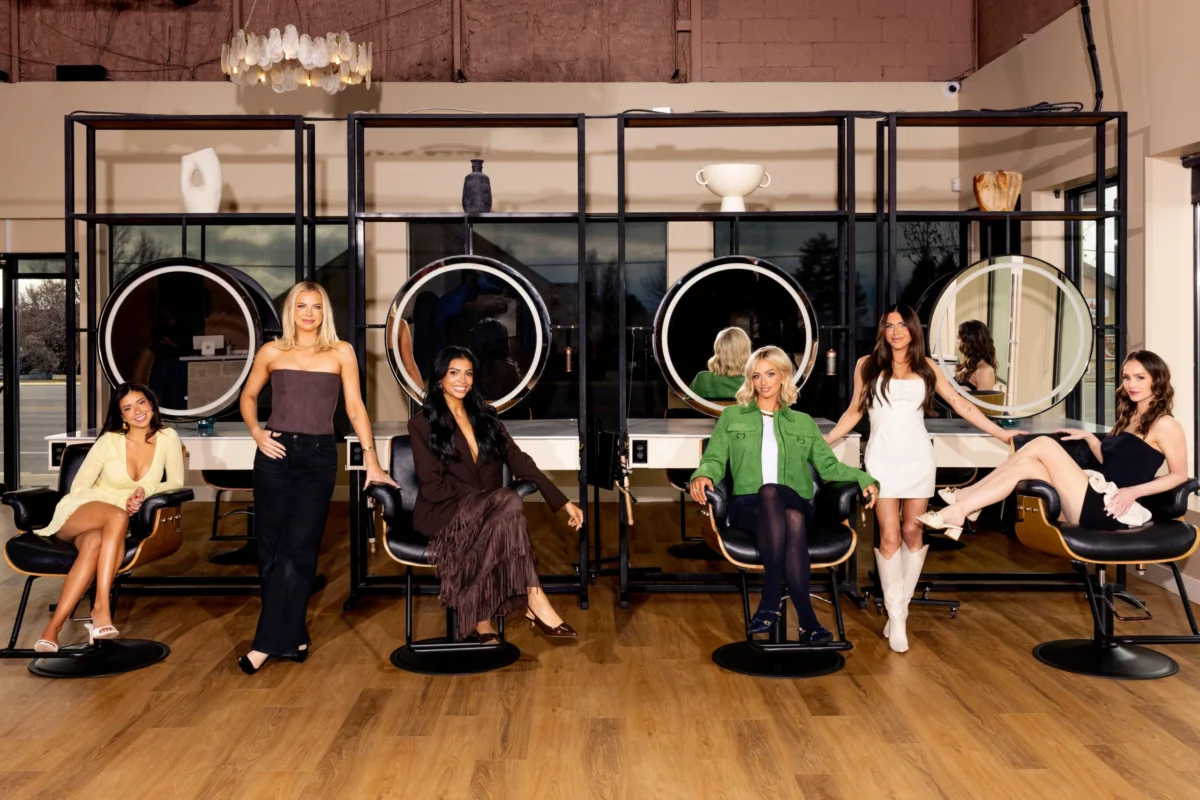
The cultural landscape surrounding the Church of Jesus Christ of Latter-day Saints (LDS), particularly its influence within Utah and its projection onto national media, has experienced a significant shift, culminating in a dramatic unravelling of carefully curated public images in early 2026. March was initially heralded as a potential zenith for this cultural phenomenon, with the highly anticipated fourth season of the Hulu series The Secret Lives of Mormon Wives set to debut, followed closely by the premiere of The Bachelorette on ABC, featuring Taylor Frankie Paul, a prominent cast member from Mormon Wives, as its lead. However, a resurfaced video from 2023, depicting Paul engaging in a violent altercation with her ex-partner, Dakota Mortenson, in the presence of her child, shattered this carefully constructed facade. The fallout was immediate and severe. Just three days before its scheduled premiere, The Bachelorette was abruptly cancelled, a decision reportedly costing tens of millions of dollars. Furthermore, reports emerged of a production pause on season five of The Secret Lives of Mormon Wives, signaling a potential crisis for the burgeoning media empire built around this demographic.
This dramatic turn of events raises critical questions about the sustainability and future trajectory of what has become a significant cultural and commercial force. For over a decade, the LDS lifestyle has transitioned from the niche appeal of early 2010s lifestyle bloggers—characterized by modest attire, abundant children, and affiliate marketing—to the more polished and overtly consumerist realm of reality television influencers. The question now is whether the recent turmoil signifies the twilight of this "Mormon commerce machine" or merely a transitional phase into a new iteration.
A Shifting Aesthetic: The Rise of Utah’s Beauty Influence

The genesis of this cultural wave can be traced back to the pervasive influence of Mormon culture in Utah, which has profoundly shaped aesthetic trends. A visit to Salt Lake City in the weeks preceding this unfolding crisis revealed a vibrant beauty industry deeply intertwined with the region’s demographic and cultural identity. At JZ Styles, a sprawling 15,000-square-foot beauty complex founded by hairstylist Jessi Draper, the emphasis on aesthetic enhancement is palpable. Draper, known for her trademarked "Utah Curls," openly discusses procedures like labiaplasty, normalizing intimate surgical details as casual conversation, a practice she has previously shared on The Secret Lives of Mormon Wives. This openness extends to a wide array of cosmetic procedures, including breast augmentation, Botox, spray tans, and lash extensions, which are presented as commonplace within Utah’s Mormon beauty culture.
The JZ Styles building itself is a testament to this industry’s scale, housing not only the salon but also a production space for the reality show’s confessionals and a retail store offering an extensive range of beauty products and branded merchandise. The presence of the JZ Academy, a hair school, further underscores the localized ecosystem of beauty education and entrepreneurship. The sheer volume of clients, even on a weekday afternoon, seeking services like blonde highlights, indicates a sustained demand that fuels this aesthetic-focused economy.
The "Mormon Wife" Archetype: From Modesty to Metamorphosis
The visual stereotype of the "Mormon wife" has undergone a significant transformation. While the earlier image might have conjured a more conservative, modest appearance, the contemporary aesthetic, heavily influenced by figures like those on The Secret Lives of Mormon Wives, presents a starkly different picture. Cast members, predominantly white, often sport long, meticulously styled hair, microbladed eyebrows, lips enhanced with fillers, and are frequently depicted with visible pregnancies. This visual emphasis is amplified by the omnipresent aesthetic billboards lining Interstate 15, the primary artery through Utah County, advertising a plethora of cosmetic services.

The cast members themselves are remarkably candid about their engagement with these procedures. Layla Taylor, a 25-year-old cast member, acknowledges the state’s vanity, stating, "I think that if people assume that this is a vain state, they would be correct." Many have documented extensive aesthetic transformations, with some, like Taylor, undergoing multiple procedures after childbirth to "feel hot again." Taylor Frankie Paul’s own journey, including a breast augmentation for her Bachelorette appearance, highlights the pressure to maintain a certain image, especially when transitioning into mainstream media. The stars often frame these procedures not as vanity, but as self-care and a form of personal empowerment, emphasizing transparency over the perceived perfection often projected by other celebrities.
Underlying Cultural Drivers: Faith, Appearance, and Societal Expectations
The deep-seated emphasis on appearance within Utah’s Mormon culture is not arbitrary; it is rooted in complex theological interpretations and societal expectations. While LDS doctrine does not explicitly mandate aesthetic perfection, it does offer guidance on "Dress and Appearance" for missionaries and emphasizes the body as a "sacred temple." However, historical and contemporary pronouncements from church leaders have, at times, placed a significant, and arguably disproportionate, emphasis on female attractiveness. Statements from prominent figures, such as Elder M. Russell Ballard’s suggestion for women to "look a little charming" and former church president David O. McKay’s analogy of a barn looking better when painted, illustrate a recurring theme.
Dr. Julie de Azevedo, a psychotherapist specializing in Mormon women’s emotional health, notes a cultural undercurrent where "the harder you work as a missionary, the hotter your wife." This sentiment, while often expressed humorously, reflects a deeper societal valuation of female appearance that can be linked to a woman’s perceived righteousness and desirability as a spouse. The patriarchal structure of the LDS faith, coupled with a strong emphasis on eternal marriage, places considerable pressure on women to conform to certain beauty standards to attract a suitable partner. This is further exacerbated by a demographic imbalance, with a higher proportion of single women than men within the faith, intensifying the competition for marriage.

The "Contagion Effect" and the Pursuit of Perfection
The intense focus on aesthetic enhancement in Utah has been described by researchers as a "contagion effect," where beauty standards and cosmetic procedures spread rapidly within a culturally homogenous population. This phenomenon is not unique to Utah’s Mormon communities; similar trends have been observed in other culturally distinct groups, such as in South Korea and among Orthodox Jewish communities, where ethnic and religious homogeneity plays a role.
The aesthetic ideal often presented is predominantly white, blonde, and blue-eyed, creating insecurities for individuals who do not fit this mold. Jen Affleck, whose mother is Ecuadorian, admits to dyeing her hair blonde to conform. The article also addresses the historical and ongoing impact of racism within the LDS faith, citing past doctrines that linked dark skin to divine curses and the church’s eventual denouncement of racial prejudice. Taylor, the only Black cast member on The Secret Lives of Mormon Wives, speaks candidly about her past struggles with self-perception and her efforts to embrace her authentic self, including her natural hair texture.
The pursuit of this idealized beauty standard can have profound psychological impacts. Dr. de Azevedo suggests that for women encouraged to be stay-at-home mothers, appearance can become a primary source of validation and self-worth, especially when opportunities for external achievement are limited. The pressure to appear perfect—from one’s children to one’s home—is often conflated with spiritual righteousness, a misinterpretation of the scriptural imperative to "be perfect." This cultural expectation, dating back to Brigham Young’s encouragement to "beautify your gardens, your houses, your farms," continues to shape the contemporary landscape.

Evolving Definitions of Beauty: A New Wave of Aesthetic Refinement
While the core pursuit of aesthetic perfection persists, the definition of "Mormon beauty" is evolving. The cast members themselves are noticing a shift away from the overtly artificial. While procedures like Botox and fillers remain popular, there’s a growing interest in treatments like microneedling and lasers, aimed at achieving a more natural, "glazed donut" skin appearance. Even the iconic "Utah Curls" are being challenged, with a trend towards shorter, more natural hairstyles and colors. Notably, fewer cast members are exclusively blonde, and some, like Taylor, have forgone lash extensions, while others, like Mikayla Matthews, have removed breast implants due to health concerns rather than aesthetic dissatisfaction.
This evolution reflects a growing awareness of the potential downsides of extreme cosmetic interventions. Jessi Draper, the hairstylist and entrepreneur, openly regrets some of her own recent surgeries, acknowledging how she "got caught up in ‘it’"—the relentless quest for flawlessness driven by cultural pressure and media exposure. Her public acknowledgment of self-confidence issues and subsequent efforts to reverse some cosmetic procedures serve as a cautionary tale. Similarly, Taylor’s candid discussion of her struggles with an eating disorder and her use of prescription weight-loss drugs, obtained easily from a local plastic surgeon, highlights the dangerous accessibility and potential for abuse within this aesthetic-driven environment.
The Future of Mormon Influence: Resilience or Reconfiguration?

The dramatic cancellation of The Bachelorette and the pause in production for The Secret Lives of Mormon Wives signal a significant disruption. The carefully constructed narrative of polished, aspirational Mormon womanhood has been undeniably fractured by the surfacing of interpersonal conflict and alleged domestic misconduct. This event underscores the inherent tension between curated reality television personas and the complexities of real-life experiences, particularly within a culture that places a high premium on outward appearances and adherence to perceived norms.
The resilience of the "Mormon commerce machine" will likely depend on its ability to adapt. The current trend towards a more "natural" aesthetic, coupled with increased openness about the psychological and physical tolls of the beauty industry, suggests a potential shift in focus. However, the underlying cultural pressures—the emphasis on marriage, family, and a religiously informed standard of attractiveness—remain potent forces. The future may see a continued emphasis on beauty and self-care, but perhaps with a greater acknowledgment of authenticity, a more nuanced understanding of health, and a willingness to challenge the more extreme manifestations of the pursuit of perfection. The question of whether this cultural phenomenon can truly reinvent itself or if it will face a more permanent decline remains to be seen, but the recent events have undoubtedly initiated a critical period of re-evaluation.
