
 By admin
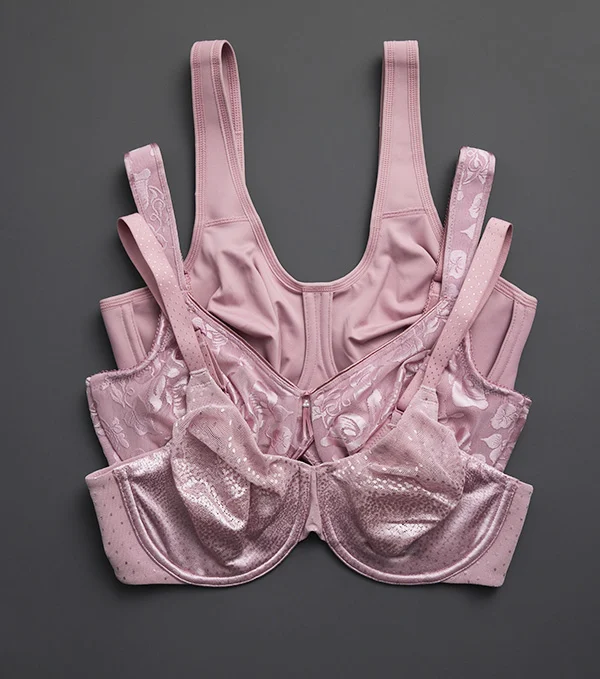
The arrival of October 2026 signals the beginning of Breast Cancer Awareness Month, a period characterized by the ubiquitous presence of pink ribbons and a heightened global focus on breast health education, research, and support. For Wacoal, a leading name in the intimate apparel industry, this month represents a significant milestone in its long-standing commitment to the cause. This year marks the 25th anniversary of the brand’s signature initiative, Fit For The Cure®, a program that has successfully integrated the personal experience of professional bra fitting with a large-scale philanthropic mission. Since its inception in 2001, the program has facilitated more than one million complimentary bra fittings and generated over $6.3 million in donations for Susan G. Komen®, the world’s leading breast cancer organization.
The intersection of retail and health advocacy has become a cornerstone of Wacoal’s corporate identity. As breast cancer remains one of the most commonly diagnosed cancers among women worldwide, the role of corporate partners in funding research and providing patient support has never been more critical. By leveraging its expertise in fit and comfort, Wacoal has created a sustainable model of cause-related marketing that transcends simple financial contributions, fostering a direct connection between consumer wellness and community health.
A Quarter Century of Advocacy: The Evolution of Fit For The Cure
The Fit For The Cure® program was launched in 2001 with a dual purpose: to educate women on the importance of a proper bra fit for their physical comfort and to provide a tangible way for them to support breast cancer research. At the time, the initiative was a pioneering effort in the intimate apparel sector, recognizing that the fitting room offered a unique, private space for health-related conversations. Over the past two and a half decades, the program has expanded from select locations to a nationwide series of events held in department stores and specialty boutiques across the United States and Canada.
The chronology of the program reflects a steady upward trajectory in both participation and impact. By the mid-2010s, Wacoal had reached the half-million mark for fittings, and by 2026, that number has surpassed one million. Each fitting serves as a touchpoint for awareness; for every woman who participates in a complimentary fitting during a scheduled event, Wacoal donates $2 to Susan G. Komen. This donation is made by the brand regardless of whether a purchase is made, ensuring that the focus remains on the service and the cause rather than purely on sales. However, if a participant chooses to purchase a Wacoal or b.tempt’d bra on the day of the event, an additional donation is often triggered, further compounding the financial impact.
Data-Driven Impact: Funding Research and Patient Support
The $6.3 million donated by Wacoal over the last 25 years has played a vital role in supporting the multifaceted mission of Susan G. Komen. To understand the scale of this contribution, it is necessary to examine how these funds are utilized within the broader context of the fight against breast cancer. Susan G. Komen allocates resources across four primary pillars: research, community health outreach, patient advocacy, and direct patient support.
According to data from the organization, funds raised through corporate partnerships like the one with Wacoal help support the Komen Financial Assistance Program, which provides subsidies for expenses such as childcare, transportation to treatment, and lymphedema supplies—costs that are often not covered by insurance but are essential for a patient’s quality of life. Furthermore, a significant portion of the funding is directed toward breakthrough research aimed at understanding metastatic breast cancer and developing more effective, less invasive treatment options.
The statistical reality of breast cancer in 2026 underscores the necessity of continued funding. While survival rates have improved significantly due to early detection and advancements in oncology, the disease continues to affect hundreds of thousands of women annually. In the United States alone, it is estimated that one in eight women will develop invasive breast cancer over the course of her lifetime. Programs that encourage regular health check-ins, such as those prompted by Fit For The Cure®, remain essential components of the early detection strategy.

The Power of Pink: Integrating Purpose into Product
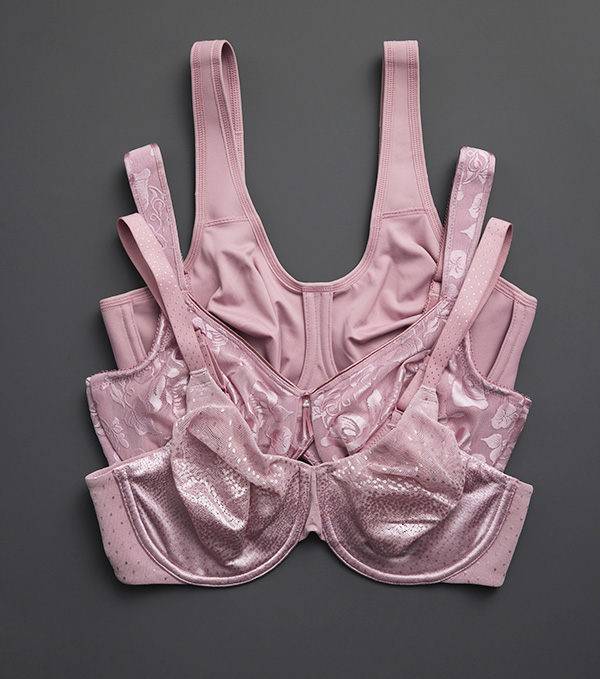
In addition to the Fit For The Cure® events, Wacoal has utilized product design as a vehicle for advocacy through its "Power of Pink" collection. This limited-edition series features specially designed styles that incorporate various shades of pink, serving as a visual symbol of solidarity. Throughout the 2026 calendar year, Wacoal has committed to donating $2 to Susan G. Komen for every qualifying "Power of Pink" bra purchased at regular price.
This strategy reflects a sophisticated approach to cause-related marketing, where the product itself serves as a reminder of the brand’s values. For the consumer, the purchase of a high-quality garment becomes an act of philanthropy. The collection is engineered with the same technical standards for support and comfort that define the Wacoal brand, ensuring that the "Power of Pink" items are functional staples in a woman’s wardrobe. By linking a routine purchase to a charitable outcome, Wacoal reinforces the idea that breast cancer awareness should be integrated into everyday life rather than reserved for a single month.
The Role of Professional Fitting in Post-Diagnosis Care
While Fit For The Cure® is designed for all women, the importance of a professional bra fitting is particularly acute for breast cancer survivors. Women who have undergone mastectomies, lumpectomies, or reconstructive surgeries often face significant challenges in finding comfortable and supportive undergarments. The physical changes resulting from surgery and radiation can make standard off-the-rack bras uncomfortable or ineffective.
Wacoal’s trained fit consultants are often equipped to assist women in various stages of their post-treatment journey. A professional fitting can help address issues such as skin sensitivity, lymphedema, and the need for prosthesis integration. By providing a supportive and expert environment, these fitting events offer more than just a product; they provide a sense of normalcy and empowerment to women whose bodies have been altered by the disease. This aspect of the program highlights the "intimate" nature of the partnership, where the brand’s core competency—fitting—directly serves the specific needs of the community it aims to support.
Broader Implications for Corporate Social Responsibility
The longevity of the Wacoal and Susan G. Komen partnership serves as a case study in effective Corporate Social Responsibility (CSR). In an era where consumers are increasingly skeptical of "pinkwashing"—the practice of using the pink ribbon for marketing purposes without making a substantial contribution to the cause—Wacoal’s 25-year track record provides a counter-narrative of sustained commitment.
Market analysts note that long-term partnerships between brands and non-profits are generally more effective than short-term, seasonal campaigns. Such collaborations allow for deeper integration of the cause into the brand’s culture and operations. For Wacoal, the commitment to breast cancer awareness is not merely an October marketing tactic but a year-round initiative that involves employee engagement, customer education, and consistent financial support. This level of dedication helps build brand loyalty and trust among a demographic that values authenticity and social accountability.
Moving Beyond the Ribbon: A Call for Year-Round Vigilance
As Breast Cancer Awareness Month progresses, health professionals and advocates emphasize that awareness must be followed by action. The "pink ribbon" serves as a prompt, but the real work involves personal health management and proactive screening. Experts recommend that women remain vigilant about their breast health throughout the year by practicing breast self-awareness—knowing what is normal for their bodies and reporting any changes to a healthcare provider immediately.
The 2026 guidelines for breast health emphasize personalized risk assessment. Factors such as family history, genetic predispositions (including BRCA1 and BRCA2 mutations), and lifestyle choices play a role in determining an individual’s screening schedule. Wacoal’s messaging during October echoes these recommendations, urging women to use the month as a reminder to schedule mammograms and clinical breast exams.

The success of Fit For The Cure® lies in its ability to turn a routine task—buying a bra—into a moment of self-care and health advocacy. By reaching over a million women in the fitting room, Wacoal has created a platform for education that extends far beyond the retail floor. As the brand looks toward the next quarter-century of the program, the focus remains on closing the gap between awareness and action, ensuring that the fight against breast cancer continues with the same intensity every month of the year.
Conclusion: The Future of the Partnership
As Wacoal concludes its 25th anniversary of Fit For The Cure®, the impact of the initiative is measured not just in dollars donated or fittings completed, but in the community of support it has helped build. The partnership with Susan G. Komen continues to evolve, adapting to new challenges in breast cancer research and patient care. In the landscape of 2026, where corporate influence is a powerful tool for social change, Wacoal’s model of consistent, service-oriented philanthropy stands as a testament to the power of a long-term vision. The pink ribbon remains a symbol, but through programs like Fit For The Cure®, it is backed by a quarter-century of tangible, life-changing action.
