
 By admin
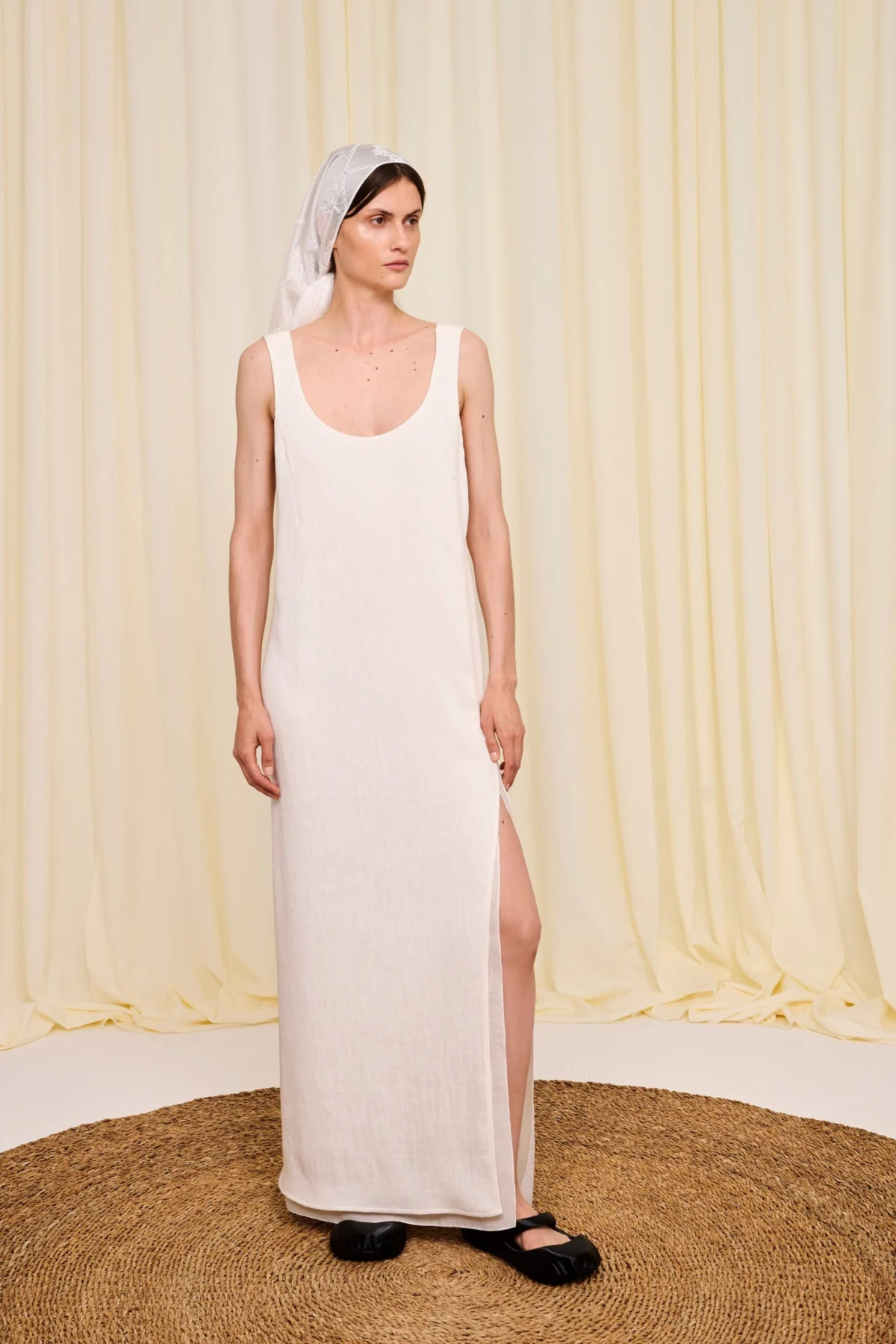
For its anticipated spring collection, the design team at Nehera, under the creative direction of Ladislav Zdút, meticulously continued its exploration of themes previously introduced in earlier seasonal offerings, weaving together a rich tapestry of cultural references and emotional undertones. This latest presentation saw a sophisticated fusion of inspiration drawn from the men’s collection, which earlier this year celebrated Balaton – often dubbed the "Lake of Swans," a cherished vacation destination in Hungary – and the refined artistry of ballet, a central motif in the fall ready-to-wear line. The collection, therefore, stands as a testament to Nehera’s commitment to conceptual depth, offering garments that transcend mere aesthetics to engage with broader socio-cultural narratives.
The overarching mood, as articulated by the brand’s CEO, was deliberately bifurcated, creating a compelling dialogue between seemingly disparate states. "The mood is very relaxed on one hand, coming from the atmosphere of the summer resort—slow, lazy, hot," the CEO explained, painting a vivid picture of leisurely days by the water. This sense of languid comfort was designed to evoke the idyllic escape offered by Balaton. However, in a stark yet subtle contrast, the collection simultaneously sought to convey "something [like] the feeling of distress, like the rebirth or crisis." This deeper, more complex layer of emotion was intentionally woven into the fabric of the collection, drawing a poignant parallel to historical moments of political instability. The CEO referenced a particularly insightful historical observation: "For example, what is very, very interesting is that anytime the communist regimes felt somehow unstable, they put on TV Tchaikovsky’s Swan Lake or something similar." This commentary elevates the collection beyond seasonal trends, positioning it as a nuanced reflection on human experience and collective memory.
Despite the profound conceptual framework, the immediate aesthetic impression of the collection leaned towards an easy, approachable elegance. It featured soft, roomy tailoring and an array of undeniably pretty dresses, elements that underscored the "relaxed" aspect of the Balaton inspiration. While the darker, more distressed mood might have been challenging to immediately discern amidst the collection’s apparent ease, its presence served as a powerful intellectual undercurrent, inviting closer inspection and deeper contemplation.
The Genesis of Inspiration: Balaton and Ballet
Nehera’s spring collection is built upon a foundation laid earlier in the year, demonstrating a deliberate and cohesive thematic progression across its seasonal offerings. This continuity is a hallmark of the brand’s approach, emphasizing narrative development over transient trends.
Lake Balaton: A Summer Resort’s Enduring Allure
The reference to Lake Balaton is particularly evocative, tapping into a collective memory of leisure and a specific cultural history. Balaton, the largest lake in Central Europe, located in the Transdanubian region of Hungary, has long been a popular holiday destination. During the socialist era, particularly from the 1960s to the 1980s, it became an accessible "sea" for landlocked Central and Eastern European citizens, a symbol of freedom and vacation for those living under communist regimes. It was a place where families gathered, where vibrant beach culture flourished, and where a sense of relaxed escapism was paramount. The moniker "Lake of Swans" itself carries a poetic resonance, hinting at both natural beauty and the classical ballet it shares a name with.
For Nehera, this historical context informs the collection’s palpable sense of ease and comfort. The "out-of-office vibes" of a long tank-style dress, for instance, directly channel the carefree spirit of a lakeside holiday. Shorter styles, including one rendered in a vibrant red, are a direct and nostalgic nod to the bright swim inflatables that dotted Balaton’s waters in decades past. This detail is more than just a color choice; it’s a specific historical reference, evoking images of a bygone era of simple pleasures and bold, uninhibited summer fashion. The design team meticulously translated these elements into lightweight fabrics, fluid silhouettes, and a color palette that, while not overtly stated, would logically include hues reminiscent of water, sky, and sun-drenched landscapes, alongside the pop of vibrant red. The predominant theme of "airiness" for the season is a direct descendant of this Balaton influence, reflecting the lightness of summer clothing, the gentle breeze off the lake, and the overall feeling of being unburdened.
The Silent Language of Ballet: Tchaikovsky’s Swan Lake and Political Echoes
The integration of ballet, specifically Tchaikovsky’s iconic Swan Lake, introduces the collection’s contrasting element of "distress" and "crisis." Swan Lake is not merely a beautiful classical ballet; it holds a unique and often chilling place in the cultural history of the Soviet bloc. As the CEO noted, there is a well-documented phenomenon where, during periods of significant political upheaval or uncertainty within communist regimes, state television channels would often broadcast Swan Lake on a loop, displacing regular programming. This occurred during the death of Soviet leaders (e.g., Leonid Brezhnev, Yuri Andropov, Konstantin Chernenko), and most famously during the attempted coup against Mikhail Gorbachev in August 1991. The ballet, with its themes of tragedy, fate, transformation, and a struggle between good and evil, served as a euphemism, a non-verbal announcement of profound, often unsettling, events unfolding behind the scenes. It became a cultural code for crisis, a beautiful but ominous harbinger of instability.
This historical context provides the intellectual backbone for the "distress" theme in Nehera’s collection. While the garments themselves might exude ease, the underlying conceptual framework imbues them with a layer of sophisticated tension. The ballet influence manifests not through overt costumes but through subtle interpretations of movement, grace, and structure. One might infer the use of fabrics that drape with a dancer’s fluidity, perhaps touches of sheer materials reminiscent of tutus, or silhouettes that suggest the elongated lines and elegant forms of ballet dancers. The juxtaposition with the relaxed Balaton aesthetic creates a powerful duality: the surface calm of a summer’s day concealing the deeper anxieties of societal shifts and historical echoes. It asks the wearer and observer to look beyond the immediate beauty and consider the deeper narrative woven into the collection.
Decoding the Aesthetic: Comfort Meets Conceptual Depth
Nehera’s design philosophy consistently seeks to balance wearability with intellectual engagement. The spring collection exemplifies this, presenting garments that are both invitingly comfortable and conceptually rich.
Silhouettes of Serenity: Soft Tailoring and Fluid Forms
The collection’s emphasis on "soft, roomy tailoring" speaks directly to contemporary sensibilities that prioritize comfort without sacrificing elegance. In a post-pandemic world, there’s a sustained demand for clothing that moves with the body, rather than restricting it. Nehera interprets this through meticulously crafted pieces that offer a relaxed fit, perhaps incorporating deconstructed elements, wider cuts, or fabrics with natural give. This approach to tailoring suggests a rejection of rigid formality in favor of a more fluid, adaptable wardrobe that suits a modern, dynamic lifestyle. The silhouettes likely feature softer shoulder lines, wider trousers, and jackets that drape rather than cling, all contributing to an overall impression of effortless sophistication.
The "many pretty dresses" described further reinforce the collection’s gentle aesthetic. These likely range from the aforementioned long tank-style dresses, ideal for a relaxed resort setting or a warm city day, to shorter, more playful iterations. The "out-of-office vibes" of the tank dress not only evoke leisure but also a blurring of the lines between work and personal life, a prevalent theme in modern society. This adaptability makes the pieces versatile, transitioning seamlessly from a casual daytime look to a more elevated evening ensemble with appropriate styling.
The Art of Airiness: Materials and Movement
"Airiness" was identified as the predominant theme of the season, a concept that touches upon both the physical and emotional aspects of the collection. Physically, airiness is achieved through the careful selection of lightweight, breathable fabrics. One can infer the use of natural fibers like linen, cotton voile, silk georgette, or blends that offer a delicate, floating quality. The mention of "dangling streamers" on shorter dress styles is a clear design element intended to enhance this sense of lightness and movement. These embellishments would catch the slightest breeze, creating a dynamic visual effect that embodies the collection’s ethereal quality. The color palette, while not fully detailed, would likely support this theme, featuring soft pastels, muted tones, and perhaps translucent layers that mimic the ephemeral quality of air and light.
Emotionally, airiness can also symbolize freedom, release, and a lightness of being – elements that resonate with both the leisurely escapism of Balaton and, paradoxically, the concept of "rebirth" from a period of "crisis." The collection, therefore, doesn’t just look light; it is designed to make the wearer feel light and unburdened, even as its conceptual underpinnings acknowledge deeper complexities.
Nehera’s Evolving Narrative and Brand Philosophy
The Spring collection further solidifies Nehera’s unique position in the contemporary fashion landscape, defined by its blend of historical awareness, philosophical depth, and sophisticated minimalism.
Ladislav Zdút’s Vision: Beyond Mere Garments
Ladislav Zdút, as CEO and creative director, has been instrumental in shaping Nehera’s identity since its revival. His commentary reveals a designer deeply engaged with the cultural and historical narratives that inform his work. Zdút’s approach goes beyond seasonal trends, focusing instead on creating collections that offer a rich intellectual experience. He uses fashion as a medium to explore complex ideas – memory, history, national identity, societal tensions, and the human condition. This commitment to storytelling and conceptual depth distinguishes Nehera from many of its peers, attracting a discerning clientele that values thoughtful design and a garment’s inherent narrative. His ability to draw connections between a Hungarian vacation spot and Soviet-era political broadcasts showcases a profound understanding of cultural semiotics and an ambitious vision for what fashion can communicate.
A Legacy Reimagined: The Nehera Story
The Nehera brand itself has a fascinating history, adding another layer of depth to its current collections. Originally established in Czechoslovakia in 1923 by Jan Nehera, it was a pioneering force in ready-to-wear fashion, known for its innovative mass production techniques, modern designs, and global reach. The brand virtually disappeared after World War II due to political shifts. Its revival in 2014 by Zdút and his team was not merely an act of nostalgia but a deliberate effort to reinterpret the brand’s original ethos of quality, modernism, and accessibility for a contemporary audience. This historical continuity allows Nehera to draw on a rich heritage while constantly innovating. The exploration of Eastern European cultural references, such as Balaton, is thus not just a creative choice but also a subtle homage to the brand’s roots and the region’s complex history.
Broader Implications: Fashion as Cultural Commentary
Nehera’s spring collection, with its intricate blend of overt beauty and subtle conceptual depth, contributes significantly to the ongoing dialogue about fashion’s role beyond commercial enterprise.
Responding to Contemporary Sensibilities
In an era marked by increasing global uncertainty and a heightened awareness of societal pressures, the fashion industry has a growing responsibility to reflect and respond to these realities. Nehera’s collection, by juxtaposing the desire for relaxation and escape with an acknowledgment of underlying distress, mirrors the collective consciousness of many individuals today. It speaks to a world seeking solace and beauty, yet simultaneously grappling with complex geopolitical and socio-economic challenges. The collection’s "easy" aesthetic offers comfort and reassurance, while its intellectual undercurrents provide a space for reflection, positioning the brand as both a purveyor of luxury and a thoughtful commentator on the human experience. This nuanced approach resonates with consumers who seek authenticity and meaning in their purchases, moving beyond purely superficial consumption.
The Dialogue Between Design and Society
The Nehera spring collection serves as a powerful example of how fashion can act as a form of cultural commentary. By drawing on specific historical and cultural touchstones – the carefree days at Lake Balaton, the subtle political symbolism of Swan Lake – Zdút and his team invite a deeper engagement with their designs. They are not just creating clothes; they are crafting narratives, sparking conversations, and preserving cultural memory. This commitment to intellectual rigor distinguishes Nehera in a crowded market and solidifies its reputation as a brand that champions thoughtful design. The subtle challenge posed by the "darker mood was difficult to discern" comment highlights a fundamental aspect of sophisticated art: the most profound messages are often those that require careful consideration, revealing themselves gradually rather than overtly. This encourages a more intimate and lasting connection between the collection and its audience, fostering an appreciation for fashion that challenges, comforts, and inspires in equal measure. The collection, therefore, is not just a seasonal offering but a meaningful contribution to the evolving narrative of contemporary fashion and its capacity for artistic and intellectual expression.
