
 By admin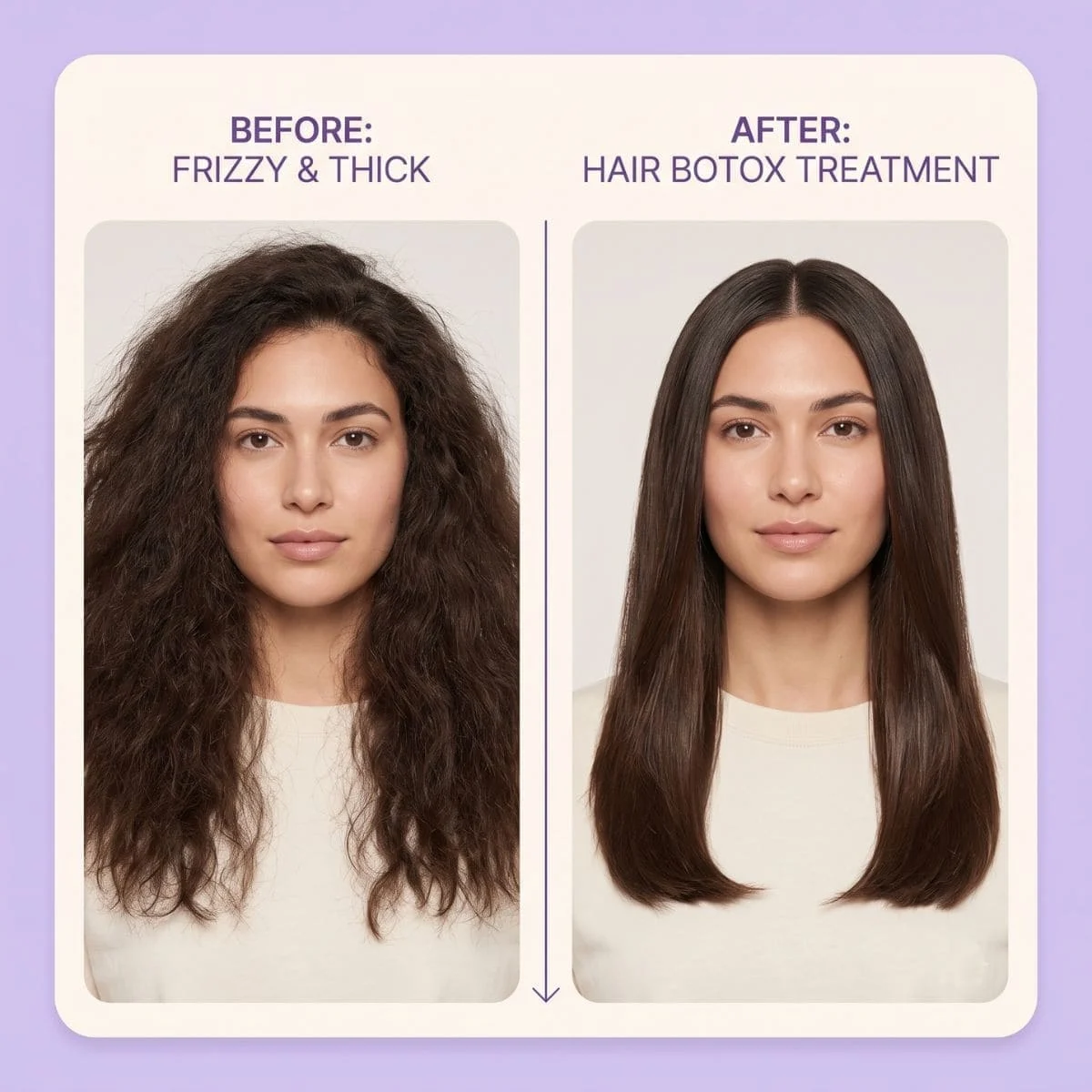
Hair botox, a popular deep-conditioning treatment, offers a solution for frizz and dullness by coating and filling the hair shaft with a blend of amino acids, collagen, and vitamin B5. Despite its name, the treatment contains no botulinum toxin and involves no injections into the scalp. Its marketing nomenclature is purely for consumer recognition, drawing a parallel to the popular cosmetic procedure that aims to smooth and rejuvenate. This comprehensive guide delves into the composition of hair botox, its distinct differences from keratin treatments, the ideal candidates for this service, the salon appointment process, and a comparative analysis of its cost and longevity against other glossing and smoothing options.
The Science Behind Hair Botox: A Conditioning Approach to Smoothness
Hair botox is formulated to enhance hair health and appearance through a surface-level application. The treatment’s efficacy stems from its rich blend of amino acids, hydrolyzed collagen, and hyaluronic acid, often combined with vitamin B5. These components work synergistically to coat the exterior of the hair shaft and temporarily fill microscopic gaps and damage points within the cuticle. Unlike chemical straightening processes that alter the hair’s internal protein structure, hair botox operates on the surface and just beneath the cuticle. Stylists often categorize it as a conditioning treatment due to its non-disruptive mechanism of action.
The application process typically involves cleansing the hair with a clarifying shampoo to remove any product residue and natural oils, ensuring optimal absorption of the treatment. The hair botox formula is then meticulously applied from mid-shaft to the ends, carefully avoiding the scalp as the treatment is not designed for root application. Following application, the hair is processed under controlled heat for approximately 30 to 45 minutes. This thermal activation helps the formula penetrate the hair cuticle, sealing it to create a smoother surface and significantly reduce frizz. The outcome is a glossier finish and a noticeable reduction in frizz, typically around 30 to 40 percent, without altering the hair’s natural curl pattern.
Crucially, hair botox does not affect the disulfide bonds within the hair structure, which are responsible for its inherent texture. This lack of chemical restructuring means the results are temporary, offering a less permanent solution compared to traditional chemical relaxers. For individuals who have recently colored their hair, hair botox is generally considered gentle enough to be applied once the color has fully set, providing a conditioning boost without compromising color integrity.
Differentiating Hair Botox from Keratin Treatments: A Matter of Chemistry
While both hair botox and keratin treatments aim to achieve smoother, shinier hair, their underlying mechanisms are fundamentally different, leading to distinct outcomes and implications for hair health. The confusion often arises from the shared promise of frizz reduction and enhanced gloss.
Keratin Treatments: The Chemical Reshaping Approach
Traditional keratin treatments employ formaldehyde or formaldehyde-releasing ingredients, such as methylene glycol, to chemically bond liquid keratin to the hair. This process, activated by high heat, restructures the hair’s protein bonds, leading to a straightening effect that can last for three to six months, enduring washing and humidity. However, the use of formaldehyde presents significant health concerns. Studies have highlighted potential risks associated with exposure to this chemical. A cross-sectional study published in the Journal of the American Academy of Dermatology revealed that several Brazilian keratin treatment products contained formaldehyde levels substantially exceeding recommended safe limits. Furthermore, a separate review of chemical hair straighteners documented adverse reactions, including allergic contact dermatitis and facial swelling, linked to repeated exposure to these products.

Hair Botox: A Formaldehyde-Free Conditioning Alternative
In contrast, hair botox entirely omits formaldehyde from its formulation. This is a primary selling point, positioning it as a safer alternative for many consumers. However, the absence of formaldehyde also means hair botox cannot chemically alter the hair’s structure to achieve the same level of permanent straightening that keratin treatments provide. Its function is more akin to an intensive conditioning mask rather than a chemical straightening service.
It is important to note that not all formaldehyde-free alternatives are inherently risk-free. Some smoothing treatments that utilize ingredients like cysteine or glyoxylic acid, often marketed alongside or as replacements for hair botox, warrant careful consideration. Research into glyoxylic acid as a formaldehyde replacement in semi-permanent straightening is ongoing, and a medical case report has even linked a formaldehyde-free straightening product to acute kidney injury. This underscores the importance of inquiring about the full ingredient list and understanding the active components of any chemical or quasi-chemical hair service before undergoing treatment. Hair botox itself was not implicated in that specific case, but it serves as a crucial reminder for consumers to be informed and to engage in open dialogue with their stylists about product safety.
Furthermore, it is beneficial to distinguish hair botox from older texture modification services like perms. Perms utilize a true chemical reaction to add curl to the hair. Hair botox and perms occupy opposite ends of the hair styling spectrum: one smooths, the other curls, and neither is a direct substitute for a keratin treatment, which focuses on long-lasting straightening.
Beyond Smoothing: Comparing Hair Botox to Other Salon Treatments
The beauty industry often uses overlapping terminology, leading to confusion among consumers. Understanding the specific function of each treatment is crucial for making informed decisions. Hair botox should not be conflated with treatments like Olaplex, glosses, glazes, or toners, as they address entirely different hair concerns.
Olaplex, for instance, is a bond-building treatment designed to repair and strengthen damaged hair by reconnecting broken disulfide bonds. It is often incorporated into color or keratin services to mitigate damage rather than serving as a direct replacement for hair botox. Glosses, glazes, and toners are primarily color-depositing treatments. Their main purpose is to enhance shine and correct or refresh hair color tones. While they can contribute to a polished appearance, they do not offer the frizz-reducing or texture-smoothing benefits of hair botox. Salons may offer these treatments consecutively, but their individual functions remain distinct.
Identifying the Ideal Candidate for Hair Botox
Hair botox is particularly well-suited for individuals experiencing dryness, frizz, or mild damage resulting from color treatments or excessive heat styling. It is a popular choice for those with thick or coarse hair that tends to retain frizz, regardless of the haircut. The treatment can help manage unruly textures and provide a smoother, more manageable mane.
For color-treated hair, hair botox can be a beneficial option to boost shine and improve overall hair health between salon visits. Unlike some clarifying treatments that can strip color, hair botox is generally formulated to be color-safe.

However, hair botox may not be the optimal choice for very fine hair. The coating effect of the treatment can potentially weigh down thin strands, leading to a feeling of greasiness or a lack of volume rather than a lighter, smoother finish. In such cases, lighter leave-in treatments or styling products designed for fine hair might be more appropriate. Hairstyling guides for fine hair often recommend prioritizing lightweight formulas to avoid overwhelming the strands.
Additionally, if the primary goal is permanent straightening of tightly curled hair, hair botox will not deliver the desired results. For significant and long-lasting straightening, keratin treatments or chemical relaxers remain the more effective options, as they are designed to break and reform the hair’s internal bonds.
The Hair Botox Salon Experience: A Step-by-Step Breakdown
A typical hair botox appointment is a relatively straightforward process, usually completed within 60 to 90 minutes, depending on the length and density of the client’s hair.
Step 1: Clarifying Wash
The initial step involves cleansing the hair with a clarifying shampoo. This is essential for removing any accumulated product buildup, oils, and impurities that could hinder the treatment’s penetration and efficacy. A thoroughly clean canvas ensures the active ingredients can work optimally.
Step 2: Application
Following the wash and a gentle towel dry, the hair botox formula is meticulously applied to the hair. Stylists typically work in sections, applying the product from the mid-shaft down to the ends. The scalp is usually avoided, as the treatment is designed to enhance the hair shaft rather than affect the scalp.
Step 3: Processing Under Heat
Once the formula is evenly distributed, the hair is covered, often with a processing cap or by placing the client under a hood dryer. The hair is then subjected to controlled heat for approximately 30 to 45 minutes. This thermal period is crucial for allowing the treatment’s ingredients to penetrate the hair cuticle and begin their smoothing and conditioning action.
Step 4: Partial Rinse and Blow-Dry
After the processing time, a portion of the product is rinsed from the hair, leaving some residue to continue its work. The hair is then thoroughly blow-dried. The final step often involves using a flat iron at a moderate temperature to seal the cuticle, lock in the shine, and further enhance the smooth finish. This sealing process helps to ensure the longevity of the treatment’s effects.

Cost, Longevity, and Maintenance of Hair Botox
The financial investment for an in-salon hair botox treatment can vary widely, typically ranging from $80 to $300. This price fluctuation is influenced by factors such as the length and density of the hair, the salon’s location and prestige, and the specific brand of product used. Longer or thicker hair generally requires more product and time, thus falling on the higher end of the price spectrum. For those seeking a more budget-friendly option, at-home hair botox kits are available for approximately $30 to $60. However, it is important to note that the evenness of application and the longevity of results from at-home kits may not always match the professional salon experience.
The results of hair botox are generally temporary, with most individuals enjoying smoother, frizz-free hair for 8 to 12 weeks. As the hair naturally sheds and new growth emerges, the treatment’s effects gradually fade. A significant advantage of hair botox over some keratin treatments is its seamless grow-out period. Unlike certain keratin treatments that can leave a harsh demarcation line between treated and untreated hair, hair botox fades away progressively, making for a more natural transition.
Common Misconceptions and Frequently Asked Questions
Consumers often have pertinent questions before committing to a hair botox service. Addressing these can help clarify the treatment’s benefits and limitations.
Is Hair Botox Safe for Color-Treated Hair?
In most instances, hair botox is considered safe for color-treated hair. Its formulation typically does not contain bleach or strong oxidizing agents that could strip artificial color. However, it is generally advisable to wait at least one to two weeks after a fresh color service before applying another chemical-adjacent treatment like hair botox. This waiting period allows the hair to stabilize and reduces the risk of any adverse interactions.
Can Hair Botox Replace a Keratin Treatment?
Hair botox cannot fully replace a keratin treatment if the primary objective is permanent or long-lasting straightening. While hair botox effectively smooths and conditions the hair, it does not restructure the internal protein bonds to the same extent as keratin treatments. Consequently, it can significantly reduce frizz and loosen curl patterns but will not flatten tight curls to the degree that keratin treatments or chemical relaxers can.
Does Hair Botox Contain Formaldehyde?
No, a key distinction of hair botox is its absence of formaldehyde and formaldehyde-releasing chemicals. Its formulations are centered around nourishing ingredients such as amino acids, collagen, and vitamins, positioning it as a gentler alternative to traditional keratin smoothing treatments that rely on formaldehyde for their long-lasting effects.
How Often Should Hair Botox Be Repeated?
Most individuals find that repeating the hair botox treatment every 8 to 12 weeks aligns with the gradual fading of its effects. While repeating the treatment too frequently on already healthy hair is unlikely to cause damage, it is generally unnecessary if the hair is maintaining its smoothness and manageability. The decision to repeat should be based on the hair’s condition and the individual’s desired results.

Can Hair Be Washed Immediately After Hair Botox?
No, it is crucial to allow the treatment to fully set and bond with the hair shaft. Most stylists recommend waiting at least 48 hours, and some even suggest up to 72 hours, before washing the hair. This waiting period ensures the maximum benefit and longevity of the treatment.
Will Hair Botox Make Curly Hair Straight?
Hair botox can loosen and smooth the existing curl pattern and significantly reduce frizz, contributing to a more manageable and polished appearance. However, it is not designed to break and reform the hair’s internal bonds in the way that a keratin treatment or a chemical relaxer does. Therefore, it will not achieve the pin-straight results that some may associate with permanent straightening.
In conclusion, hair botox presents a compelling option for individuals seeking to improve hair texture, reduce frizz, and enhance shine without resorting to harsh chemicals. It is an ideal choice for managing frizzy, dry, or mildly damaged hair. For those aiming for significant and long-lasting straightening, traditional keratin treatments or relaxers remain the more suitable, albeit chemically intensive, options. A thorough consultation with a qualified hairstylist is paramount to determine the most appropriate treatment based on individual hair type, condition, and desired outcomes. Bringing a clear visual reference of the desired texture and inquiring about the specific active ingredients in the proposed formula will empower clients to make an informed decision about their hair care journey.
Sources:
- Journal of the American Academy of Dermatology (Specific study details would require access to academic databases)
- PubMed Central (Specific case report details would require access to academic databases)
Disclaimer: Individual hair results can vary significantly based on natural hair type, texture, density, and overall condition. It is always recommended to consult with a licensed hairstylist before undergoing any significant hair treatments, especially those involving chemical processes or dramatic changes in length or style. Photos used in promotional materials may depict styled results achievable with professional tools and products.
