
 By admin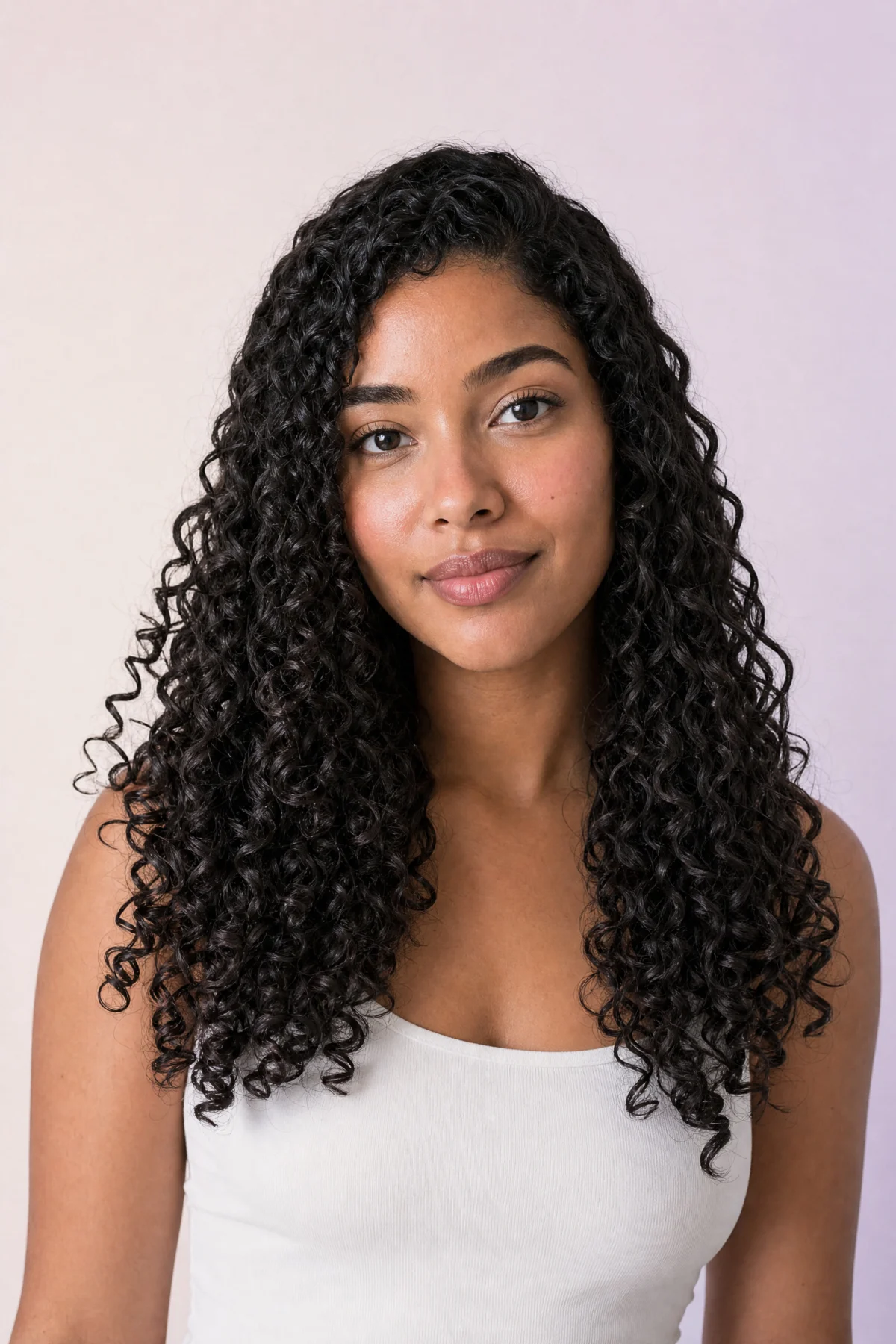
The quest for healthier, more defined curls, regardless of their pattern – from loose waves to tight coils – has a foundational guide: the Curly Girl Method. This comprehensive hair care approach, pioneered by stylist Lorraine Massey in her 2001 book "Curly Girl: The Handbook," champions a sulfate-free, silicone-free routine. It steers away from harsh shampoos and heat styling, advocating instead for gentle cleansing conditioners, lightweight styling products, and the natural drying of curls through diffusing or air-drying. While the method has evolved, its core principles remain the bedrock for most contemporary curl care regimens. This detailed exploration dissects who benefits most from this approach, outlines the essential steps of a revitalizing wash day, identifies ingredients to avoid on product labels, and addresses common pitfalls that can leave curls frizzy or limp despite diligent efforts.
The Curly Girl Method: A Snapshot
At its heart, the Curly Girl Method is a commitment to understanding and nurturing textured hair through a specific, gentle process. It prioritizes moisture retention and minimizes damage by eliminating ingredients known to strip natural oils and create buildup. The method’s efficacy lies in its systematic approach, which can be summarized in five key steps, typically performed during a dedicated wash day.
| Step | What It Involves | How Often |
|---|---|---|
| Cleanse | Sulfate-free shampoo or a cleansing conditioner (co-wash) | Weekly for wavy/curly hair; every 1-2 weeks for coily hair |
| Condition | Rinse-out conditioner, detangle while hair is soaking wet | Every wash day |
| Style | Apply cream or gel to wet hair, scrunch or rake through | Every wash day |
| Dry | Diffuse on low heat or "plop" in a cotton T-shirt; never rub with a towel | Every wash day |
| Scrunch Out the Crunch | Break the hardened gel cast once hair is 100% dry | Same day, after hair has fully dried |
The Science Behind Eliminating Sulfates and Heat
The cornerstone of the Curly Girl Method’s success lies in its deliberate exclusion of sulfates and high heat. Sulfates, such as sodium lauryl sulfate (SLS) and sodium laureth sulfate (SLES), are potent cleansing agents. While effective at removing dirt and oil, they are also notoriously stripping. Research published in journals like the Journal of Cosmetic Science has indicated that these harsh detergents can remove more than just product buildup; they can also strip the hair of its natural lipids and proteins. A study examining the effects of sodium dodecyl sulfate (SDS) on hair revealed that washing with SDS resulted in a measurably greater loss of hair protein compared to washing with plain water. Over time, this protein depletion can lead to increased frizz, breakage, and a loss of curl definition.
By replacing traditional shampoos with sulfate-free alternatives or cleansing conditioners, the Curly Girl Method aims to preserve the hair’s natural moisture barrier. This gentle cleansing allows the hair shaft to retain more of its essential proteins and lipids, contributing to improved elasticity and reduced damage.
Heat styling, including blow-drying on high heat and using flat irons, represents a secondary, yet significant, source of damage for textured hair. High temperatures can disrupt the hydrogen bonds within the hair shaft, leading to structural weakness and cuticle damage. This damage manifests as frizz, dryness, and a loss of natural curl pattern. The Curly Girl Method mitigates this by advocating for diffused drying on a low heat setting or air-drying, and by eliminating heat-styling tools altogether. This approach minimizes the chances of the hair cuticle lifting and losing moisture between wash days.

Stylist Insight: For individuals transitioning to the Curly Girl Method, a temporary feeling of coated or waxy hair a day after switching products can sometimes occur. This is often not a negative reaction to the new routine but rather residual silicone buildup from previous products. A single clarifying wash with a sulfate-free clarifying shampoo can effectively reset the hair and remove these silicones, typically resolving the issue within one wash cycle.
Tailoring the Curly Girl Method to Your Unique Hair
The Curly Girl Method is remarkably adaptable to a wide spectrum of natural, non-relaxed wavy, curly, and coily textures. However, it is not a monolithic, one-size-fits-all solution. Understanding one’s specific curl pattern is crucial for product selection and technique. Curl pattern is intrinsically linked to the cross-sectional shape of the hair shaft; curlier hair tends to have a more oval or flattened cross-section compared to straighter hair. This shape contributes to faster moisture loss and necessitates the use of richer, more moisturizing products to maintain hydration. Identifying one’s precise curl type – whether it’s a loose wave, a defined curl, or a tight coil – through methods like the curl type test, can significantly enhance the effectiveness of product choices and styling techniques.
Equally important as curl pattern is hair porosity. Porosity refers to the hair’s ability to absorb and retain moisture.
- Low Porosity Hair: Characterized by tightly sealed cuticles, it resists initial moisture absorption but holds onto it effectively once it penetrates. Products may sit on the surface if not applied correctly.
- High Porosity Hair: Typically has raised or open cuticles, often due to color treatments or heat damage. This hair type absorbs products quickly but also loses moisture just as rapidly. Research has shown that keratin distribution can be uneven along the curve of high porosity hair fibers, contributing to this issue.
Knowing your hair’s porosity is vital for determining how frequently to use deep conditioning treatments and which styling products will be best absorbed rather than simply sitting on the hair’s surface.
Navigating the Transition to the Curly Girl Method
Embarking on the Curly Girl Method often begins with a "transition phase." This typically involves a final clarifying wash designed to strip away any accumulated silicones, waxes, and product buildup that may be weighing down the hair or hindering the effectiveness of new, gentler products. Following this initial cleanse, the focus shifts to incorporating sulfate-free shampoos or cleansing conditioners and carefully scrutinizing product labels to avoid ingredients detrimental to curls. Key ingredients to steer clear of include drying alcohols (such as denatured alcohol, ethanol, and isopropyl alcohol), synthetic fragrances, and non-water-soluble silicones (like dimethicone, cyclomethicone, and amodimethicone).
Before diving fully into the routine, a trim of split or damaged ends is highly recommended. Split ends can detract from the overall appearance of healthy curls, making them look ragged regardless of the care regimen. The hair typically requires a period of adjustment, often ranging from two to four full wash cycles, to acclimate to the new routine. During this time, curls that have been accustomed to heavy products or heat styling may appear less defined or even messier before they begin to show improvement.

The Five Pillars of a Revitalized Wash Day
A consistent application of the five core steps forms the foundation of the Curly Girl Method’s success:
- Cleanse: Begin by cleansing the scalp and hair using a sulfate-free shampoo or a cleansing conditioner. The frequency of cleansing depends on your curl type; wavy and curly hair typically benefits from weekly cleansing, while coily hair may require it every one to two weeks to maintain scalp health without stripping essential moisture.
- Condition and Detangle: Apply a generous amount of rinse-out conditioner. While the hair is still saturated and soaking wet, gently detangle it using your fingers or a wide-tooth comb. This minimizes breakage and ensures even product distribution.
- Style: With hair still wet, apply your chosen styling products. This typically involves a leave-in conditioner, followed by a curl cream or gel. Techniques like "raking" (distributing product with fingers through the hair) or "scrunching" (cupping sections of hair and gently squeezing upwards) help to encourage curl formation.
- Dry: Avoid rubbing your hair with a traditional terrycloth towel, as this can cause frizz. Instead, gently squeeze excess water out using a microfiber towel or a cotton T-shirt. Then, either diffuse your hair on a low heat setting or "plop" your hair by wrapping it loosely in a T-shirt on top of your head to absorb moisture and encourage curl definition.
- Scrunch Out the Crunch: Once your hair is 100% dry, you may notice a "cast" – a hardened layer formed by styling products that holds your curl pattern. Gently scrunch your hair upwards again to break this cast, revealing soft, defined curls. This step is crucial for achieving touchable, frizz-free results.
Common Pitfalls to Avoid on Your Curly Journey
Despite the method’s clear benefits, several common mistakes can hinder progress and lead to disappointing results:
- Over-Producting: A frequent misstep, especially for those with fine or low-porosity hair, is using too much product. This can weigh curls down, leading to a limp, separated, and undefined appearance by the end of the day. It is essential to start with a small amount of product and gradually increase if needed.
- Skipping the Clarifying Wash: Neglecting the initial clarifying wash is a significant error. Silicones and waxes from pre-method products do not rinse out with regular cleansing conditioners alone. Skipping this step can lead to persistent buildup, making hair feel heavy and preventing new products from effectively moisturizing or styling.
- Rubbing Hair Dry: The habit of vigorously rubbing hair dry with a terrycloth towel is detrimental. The rough texture of the towel disrupts the hair cuticle, leading to frizz and breakage. Opting for a microfiber towel or a soft cotton T-shirt significantly reduces friction and preserves curl integrity.
The Timeline to Transformation: Patience is Key
The journey to realizing the full potential of the Curly Girl Method is often a gradual one. Many individuals begin to notice softer, more defined curls within the first one to two wash cycles. However, achieving a truly transformative result, especially for those transitioning from years of heat damage or heavy product buildup, typically requires consistent application of the method for six to eight weeks. It is not uncommon for hair to appear worse before it looks better during this period, as old damage grows out and residual product is fully eliminated.
Once curls have settled into the routine, strategies to extend time between washes can be implemented. These include sleeping on a satin pillowcase or using a "pineapple" updo to protect curls overnight. Regular trims every eight to twelve weeks, ideally with a stylist experienced in dry-cutting curly hair, are also beneficial. Cutting curls while wet can disrupt their natural fall once they spring back up.
Frequently Asked Questions About the Curly Girl Method
Can I still use shampoo on the Curly Girl Method?
Yes, but only shampoos that are entirely free of sulfates. Many practitioners opt for low-suds, sulfate-free shampoos or cleansing conditioners as their primary cleansing agent. A monthly clarifying wash with a sulfate-free clarifying shampoo is often recommended to prevent styling product buildup.
How long does it take for curls to adjust to the method?
Visible improvements in curl definition and softness are often observed within two to four weeks. However, a complete transition, especially for hair that has undergone significant heat or chemical damage, can take two to three months of consistent adherence to the routine.

Does the Curly Girl Method work on wavy hair?
Absolutely. Wavy hair can greatly benefit from the Curly Girl Method, though it typically requires lighter products and potentially shorter drying times than tighter curl patterns to avoid being weighed down or appearing stringy.
What ingredients should I actively avoid on product labels?
The primary ingredients to avoid are sulfates (such as sodium lauryl sulfate and sodium laureth sulfate), drying alcohols (like alcohol denat., SD alcohol, and isopropyl alcohol), synthetic fragrance, and non-water-soluble silicones (including dimethicone, amodimethicone, and cyclomethicone).
Why does my hair feel crunchy after styling?
This "crunch" is known as a gel cast and is a positive sign that your styling products are effectively holding your curl pattern in place while your hair dries. The necessary step of "scrunching out the crunch" once hair is completely dry will reveal soft, defined curls.
Can fine hair handle the Curly Girl Method?
Yes, fine hair can thrive with the Curly Girl Method, but it requires a more delicate approach. Fine hair generally benefits from lighter, water-based products applied sparingly. Heavier creams and butters that work well for thick or coily hair can sometimes flatten finer strands, hindering definition.
Conclusion: A Path to Healthier, Happier Curls
The Curly Girl Method’s enduring popularity stems from its fundamental effectiveness in addressing the core stressors of textured hair: harsh sulfates and excessive heat. By replacing these damaging elements with a routine centered on moisture, gentle handling, and mindful ingredient selection, the method empowers individuals to cultivate healthier, more defined curls. Success hinges on matching products to individual porosity and curl pattern, consistently following the five core wash-day steps, and exercising patience. The majority of reported failures with the Curly Girl Method are attributed to missed steps or inconsistent application rather than an inherent flaw in the method itself.
For those seeking a visual preview of their potential curl transformation, the HairHunt app (available on iOS and Android) offers an innovative solution. It allows users to virtually try on various curly hairstyles using their own photos, providing a helpful guide before committing to new products or significant hair changes.

Sources:
- Information regarding the effects of sulfates on hair protein.
- Research on the structural differences in hair shafts contributing to curl patterns.
- Data on the impact of porosity on moisture absorption and retention.
Disclaimer: Individual hair results can vary significantly based on natural hair type, texture, density, and current condition. It is always advisable to consult with a licensed hairstylist before making substantial changes to your hair care routine, particularly concerning chemical treatments or significant alterations in length. The styled results depicted in imagery may necessitate professional tools and products to fully replicate.
