
 By admin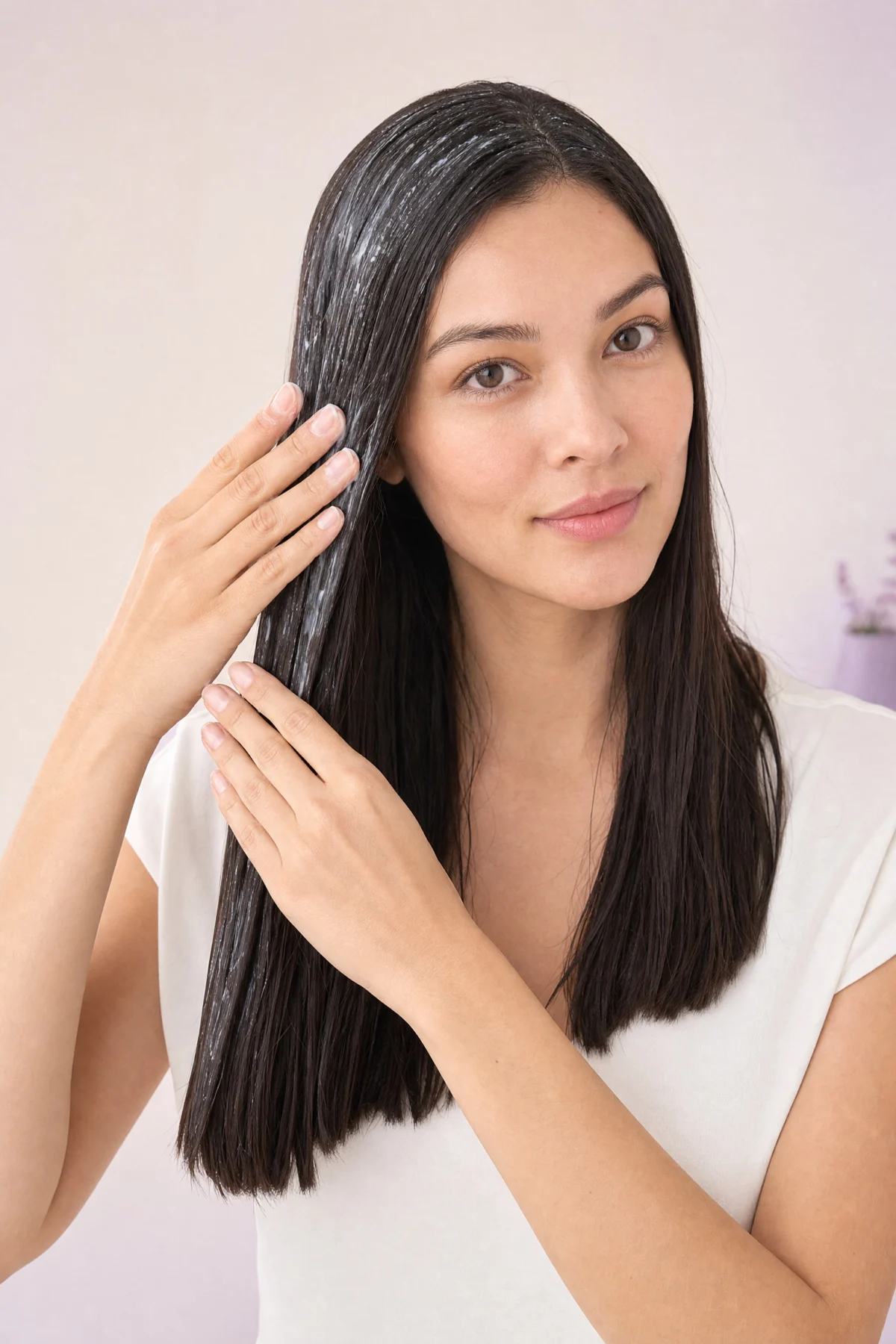
Low porosity hair, characterized by a tightly sealed cuticle layer, presents a unique set of challenges and triumphs for individuals across all hair textures. Understanding this hair type is the first step toward achieving optimal health, shine, and manageability. This in-depth guide explores the science behind low porosity, provides practical at-home testing methods, outlines tailored care routines for various textures, and delves into the most effective product choices and application techniques.
The Science Behind the Sealed Cuticle
Porosity refers to the hair shaft’s ability to absorb and retain moisture. At the microscopic level, hair is covered by an outer layer of overlapping scales called the cuticle. In low porosity hair, these cuticle scales lie flat and are tightly packed, creating a smooth, resilient surface. This dense structure acts as a barrier, making it difficult for water and moisturizing products to penetrate the hair shaft. Conversely, it also means that once moisture is inside, it is effectively trapped, contributing to the hair’s natural shine and resistance to damage.
Research published in the journal Cosmetics highlights the critical role of the cuticle’s structure in fluid exchange. The study indicates that the tight overlap of cuticle cells and the lipid-protein bonds between them directly regulate how fluids move into and out of the hair strand. Undamaged hair, particularly that which has not undergone chemical processing or excessive heat styling, naturally exhibits a more tightly sealed cuticle, leading to lower porosity. While genetics play a significant role in determining natural porosity, environmental factors and styling practices can influence it over time.
The primary consequence of this tightly sealed cuticle is a slower absorption rate. This means low porosity hair can take a considerable amount of time to become fully saturated in the shower and, subsequently, a longer duration to dry. While this inherent moisture retention is a benefit, the challenge lies in getting products to penetrate effectively. Without proper techniques, conditioners and styling aids can merely sit on the surface, leading to a feeling of greasiness, product buildup, and a weighed-down appearance, even when the hair is technically dry underneath.
Identifying Your Hair’s Porosity: Simple At-Home Tests
Diagnosing low porosity hair does not require specialized laboratory equipment. Several straightforward tests can be performed at home to ascertain your hair’s porosity level:
The Float Test: A Classic Indicator
A widely used method involves the "float test." To perform this, take a clean, dry strand of hair that is free of any product residue. Place it in a glass of room-temperature water. Observe the strand’s behavior over several minutes. Hair with low porosity typically floats on the surface of the water. This is because the tightly sealed cuticle repels water, preventing it from being absorbed quickly. Hair that sinks to the bottom of the glass rapidly is generally indicative of high porosity, where the cuticle is more open and porous.

The Spray Bottle Test: Visualizing Absorption
Another effective visual test involves using a spray bottle. Lightly mist a small section of dry hair with water. Pay close attention to how the water interacts with the hair strands. If the water beads up and rolls off the hair, rather than being absorbed, it is a strong sign that your hair has a tightly closed cuticle, characteristic of low porosity.
The Product Buildup Check: Observing Daily Behavior
Beyond specific tests, your hair’s daily behavior can offer clues. Consider how your hair looks and feels a day or two after washing. If your hair begins to look flat, dull, or develops a filmy residue quickly, it may be struggling under the weight of products that haven’t fully absorbed. This is a common experience for individuals with low porosity hair, where surface buildup can be a persistent issue.
Tailored Care Routines for Every Texture
While the underlying principle of low porosity remains the same – a tightly sealed cuticle – the specific needs and optimal approaches vary slightly across different hair textures. The core strategy involves using lightweight, water-based products and incorporating gentle heat to encourage the cuticle to open, thereby facilitating absorption. The key adjustments lie in the quantity of product used and the method of application.
Straight Low Porosity Hair
For those with straight hair and low porosity, the absence of a curl pattern means product residue is more apparent. Heavy butters and oils can quickly lead to a greasy, limp appearance, especially near the roots. The focus should be on thin, water-based leave-in conditioners and lightweight styling products. It is advisable to avoid heavy emollients directly on the scalp. To combat potential buildup and maintain volume, incorporating a clarifying shampoo into the routine once every one to two weeks is highly recommended. This helps to remove accumulated product residue that can weigh down straight strands.
Wavy Low Porosity Hair
Wavy hair with low porosity often presents a dichotomy: frizz and dryness on the surface, yet a lack of definition and volume. This occurs because products are not evenly penetrating the hair shaft. To address this, applying leave-in conditioners to soaking wet hair, rather than just damp hair, is crucial. The abundance of water acts as a carrier, helping to distribute the product more effectively into the hair shaft. This technique ensures that moisture and conditioning agents are not merely sitting on the surface but are working to hydrate and define the waves from within.
Curly Low Porosity Hair
Curly hair generally requires more moisture, making the challenges of low porosity particularly frustrating. The cuticle’s resistance to absorption can hinder the definition and hydration that curls crave. A consistent routine centered around steam, lightweight curl creams, and a balanced approach to protein is essential. Steam, whether from a hooded dryer or a warm towel, helps to gently lift the cuticle scales, allowing moisturizing ingredients to penetrate. Opting for lighter curl creams over heavy butters and oils will provide necessary hydration without causing the greasy buildup that can make curls appear dull and weighed down. Minimizing protein treatments, unless specifically needed for strength, can also prevent stiffness and dryness in low porosity curls.
Coily Low Porosity Hair
Coily hair is prone to shrinkage and rapid moisture loss, making low porosity a significant hurdle for hydration. The goal for low porosity coils is to ensure moisture penetrates deeply rather than remaining on the surface. Many individuals with coily hair find success by adapting the Curly Girl Method. This involves using thinner creams and applying products section by section while the hair is still thoroughly saturated with water. The water acts as a conduit, maximizing the absorption of beneficial ingredients. Careful layering of products, ensuring water-based formulas are applied first, is paramount.

Optimizing Product Selection and Application
The composition of hair care products is as vital as the application technique for low porosity hair. Ingredients play a pivotal role in how effectively products are absorbed.
Key Ingredients and Their Roles
Humectants, such as glycerin and aloe vera, are highly beneficial for low porosity hair. These ingredients attract moisture from the environment and draw it toward the hair shaft, aiding in hydration. Conversely, heavier oils and butters like coconut oil and shea butter, while moisturizing for some hair types, tend to create a film on the surface of low porosity hair, contributing to the greasy, weighed-down sensation. For low porosity hair, lighter oils such as argan oil, grapeseed oil, and jojoba oil are preferable. These oils are more easily absorbed and can be used sparingly as sealants after primary moisturizing steps.
Strategic Layering and Heat Application
Layering techniques, such as the LOC (Liquid, Oil, Cream) or LCO (Liquid, Cream, Oil) methods, are particularly effective for low porosity hair. The fundamental principle is to apply a liquid-based product first. This initial layer of water or a water-based liquid prepares the hair shaft for subsequent products. The subsequent application of cream or oil then helps to seal in the moisture.
Heat is an invaluable tool for low porosity hair. Warm steam from a hooded dryer, a dedicated hair steamer, or even a warm towel wrapped around the head for approximately ten minutes before rinsing can temporarily lift the cuticle scales. This slight opening allows moisturizing ingredients to penetrate more effectively. When deep conditioning, the use of heat is strongly recommended. Cold treatments are less effective as they do not encourage cuticle opening. Warm deep conditioning treatments help to relax the tightly packed cuticle scales, giving the conditioner a better opportunity to work its magic before being rinsed away.
Common Pitfalls to Avoid in Low Porosity Hair Care
Many common hair care practices can inadvertently hinder the progress of low porosity hair due to a misunderstanding of its unique needs.
- Over-reliance on heavy products: While rich creams and butters are staples for many hair types, they can easily lead to buildup and a greasy appearance on low porosity hair.
- Applying products to dry or damp hair: Without sufficient water present, products are more likely to sit on the surface. Always apply styling and leave-in products to soaking wet hair.
- Skipping clarifying washes: Regular use of clarifying shampoos is essential to remove product buildup that can weigh down the hair and prevent further absorption of beneficial ingredients.
- Ignoring the power of heat: While not always mandatory, incorporating heat into deep conditioning and styling routines can significantly improve product penetration.
- Using protein-heavy products excessively: While protein is vital for hair strength, an overabundance can lead to stiffness and dryness in low porosity hair.
Crafting an Effective Wash Day and Maintenance Routine
A consistent and well-thought-out wash day and maintenance routine is key to managing low porosity hair.
The Wash Day Ritual
Low porosity hair typically thrives on a wash schedule of once or twice a week. This frequency allows the hair to retain moisture and oils without becoming oversaturated or weighed down. A typical wash day might include:

- Clarifying: Every other wash, use a clarifying shampoo to strip away any product buildup. This ensures a clean slate for subsequent treatments.
- Deep Conditioning with Heat: Apply a heat-activated deep conditioner. Allow it to penetrate for 20 to 30 minutes, utilizing a hooded dryer, steamer, or warm towel.
- Cool Water Rinse: Rinse the deep conditioner with cool water. This helps to smooth the cuticle, locking in moisture and enhancing shine.
- Product Application to Soaking Wet Hair: While hair is still dripping wet, layer a water-based leave-in conditioner followed by a lightweight styler. This application method maximizes absorption.
Ongoing Maintenance
Throughout the week, resist the urge to apply styling products to towel-dried or fully dry hair. This is precisely when products are most likely to sit on the surface, defeating the purpose of moisturizing and styling. Refreshing curls or waves should be done with water or a light mist.
Frequently Asked Questions About Low Porosity Hair
Addressing common queries can further demystify the care of this specific hair type.
Can low porosity hair transition to high porosity?
Yes, porosity is not a permanent state. Factors such as heat styling, chemical treatments (like bleaching or perms), and environmental damage can lift and roughen the cuticle, increasing porosity over time. Conversely, diligent care with gentle products and minimal manipulation can help maintain or even slightly improve the cuticle’s integrity.
Why does low porosity hair feel greasy quickly?
This is a classic sign that products are not penetrating the hair shaft. The solution lies in switching to lighter, water-based products and applying them to soaking wet hair. A clarifying wash to remove existing buildup is often a necessary first step.
Does low porosity hair take longer to dry?
Indeed, this is one of the most noticeable indicators of low porosity. The same tightly closed cuticle that impedes moisture entry also slows down the evaporation of water once the hair is wet.
Should oils be avoided entirely for low porosity hair?
Not necessarily. While heavy oils and butters should be used with caution, lighter oils like argan or grapeseed oil can be beneficial when applied sparingly as sealants. Applying them to soaking wet hair, after a water-based moisturizer, is the most effective approach. If your hair feels weighed down, it’s best to omit them.
Is steam essential for low porosity hair care?
While not strictly essential, steam significantly aids in the care of low porosity hair. It temporarily opens the cuticle, allowing for better product penetration, which is why heat-based methods are so frequently recommended.

Can men also have low porosity hair?
Absolutely. Hair porosity is a characteristic of the hair shaft itself and is independent of gender. Men with low porosity hair will benefit from the same lightweight, water-based approach to hair care, regardless of their hair texture.
In conclusion, understanding and adapting to the unique characteristics of low porosity hair is paramount for achieving healthy, hydrated, and manageable strands. By embracing lightweight products, strategic application techniques, and the judicious use of heat, individuals with low porosity hair can unlock its inherent potential for shine and resilience, irrespective of their hair texture. Consistency in routine and a keen observation of how one’s hair responds are the cornerstones of success.
Sources:
- Research published in the journal Cosmetics on hair fiber structure and porosity.
Disclaimer: Individual hair results may vary based on natural hair type, texture, density, and overall condition. It is advisable to consult with a licensed hairstylist or trichologist for personalized advice, especially if you suspect damage or chemical processing has significantly impacted your hair’s porosity.
