
 By Nila Kartika Wati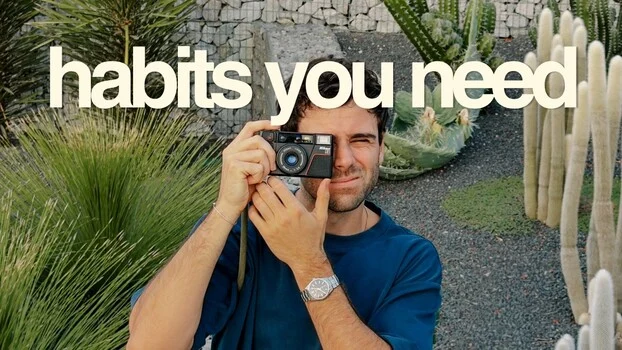
In an increasingly competitive and solitary creative landscape, freelance professionals are constantly seeking actionable strategies to foster both productivity and personal fulfillment. Matty Loucas, a notable freelancer and content creator, has distilled his experiences into a compelling framework of seven practical habits designed to reshape creative work and daily life, particularly for those in visual arts like photography. While his system champions proactive engagement and self-nurturing routines, it also carries a critical caveat: a warning about a seemingly benign habit that can quietly, yet profoundly, impede genuine progress. This trap, which Loucas asserts has likely ensnared many creatives, highlights the subtle distinction between perceived busyness and actual advancement.
Loucas, known for his insights shared on platforms like YouTube, has garnered attention for his pragmatic approach to navigating the complexities of independent creative careers. His framework arrives at a time when the global gig economy is flourishing, with an estimated 59 million Americans identifying as freelancers in 2021, contributing significantly to the economy. This growth, however, comes with unique challenges, including the imperative for self-motivation, continuous skill development, and effective self-promotion in the absence of traditional corporate structures. Loucas’s habits offer a roadmap for thriving within this dynamic environment, emphasizing both strategic action and personal well-being.
The Foundation: Prioritizing Personal Work
At the core of Loucas’s philosophy is the unwavering commitment to personal work. For a professional photographer, the demands of commercial assignments, while essential for income, may not always align with one’s intrinsic artistic passions. Loucas articulates this directly: "If photography is your job, the paid jobs won’t always be the ones you love." He advocates for rigorously protecting time for creative endeavors that are purely one’s own, free from client briefs or commercial pressures. For him, this has recently manifested in shooting film, an analog process that has reconnected him with the tactile joy and meditative aspects of the craft.
This emphasis on personal work is not merely a means of artistic indulgence; Loucas makes a robust practical case for its strategic value. He contends that personal projects often cross-pollinate and ultimately feed commercial opportunities rather than competing with them. This perspective is supported by broader industry observations, where a distinctive personal style, often honed through self-initiated projects, becomes a unique selling proposition for clients seeking originality. A 2022 study on creative professionals highlighted that those regularly engaging in personal projects reported higher levels of job satisfaction and perceived career growth, indicating a strong correlation between autonomous creative expression and professional longevity. Personal work serves as a vital wellspring for innovation, allowing artists to experiment, refine their vision, and build a portfolio that truly reflects their authentic voice, thereby attracting clients who resonate with that unique aesthetic.
Cultivating Clarity Through Consistent Writing
The second habit Loucas champions is writing, a practice he notes is frequently overlooked by creatives. For nearly two years, Loucas has maintained a weekly Substack newsletter published every Saturday morning. He positions this endeavor as being as much for personal benefit as for his readership. The act of articulating an idea in written form, he explains, compels a deeper level of understanding and synthesis. This cognitive discipline, he argues, seamlessly translates into improved communication skills crucial for professional interactions, from crafting compelling client emails to formulating persuasive project pitches.
The rise of creator platforms like Substack, Medium, and personal blogs underscores the growing importance of written communication in establishing thought leadership and building a personal brand within the creative economy. Data from various platforms indicates that creators who consistently publish written content experience higher engagement rates and greater opportunities for collaboration. Loucas demystifies the barrier to entry, asserting that one needn’t launch a full-fledged newsletter to reap these benefits; a simple notes app or a pocket notebook suffices to begin cultivating the habit of structured thought and expression. This practice fosters mental clarity, enabling creatives to refine their concepts, understand their own processes better, and communicate their value proposition with greater precision and impact.
Expanding Horizons Through Intentional Exploration
Loucas’s third habit, travel, is presented with an honest acknowledgment of its accessibility constraints. Recognizing that spontaneous international flights are not feasible for everyone, he broadens the definition of "exploration." A weekend getaway to a nearby town, an excursion to an unfamiliar cafe in a different suburb, or even a deliberate walk through an unexplored part of one’s own city can provide the necessary novelty and shift in perspective. The underlying principle is to disrupt routine and expose oneself to new environments and stimuli.
Neuroscience research consistently demonstrates that novel experiences stimulate the brain’s reward system and enhance cognitive flexibility, fostering divergent thinking—a cornerstone of creativity. By stepping outside familiar surroundings, creatives can break mental ruts, observe new patterns, and gather fresh inspiration that might otherwise remain dormant. This habit is about cultivating an observational mindset, whether through grand journeys or micro-adventures, and actively seeking out experiences that challenge one’s habitual modes of perception.
The Seductive Trap: Managing the Archive Dive
The "archive dive" is where Loucas’s video truly earns its keep, serving not just as a habit but as a crucial warning. He describes a ritual he performs once a month, typically on a rainy afternoon, where he opens his digital archive (e.g., Lightroom) and re-edits older work. The stated purpose is constructive: to gauge his artistic evolution, identify areas of improvement, and discover alternative approaches he might employ today as a more experienced photographer. Seeing old frames through current eyes transforms them into valuable lessons, illustrating his growth over, for instance, three years.
However, Loucas unmasks the insidious side of this seemingly productive activity. He candidly admits that editing old files can be "addictive," creating an illusion of productivity while, in reality, quietly keeping one indoors and preventing the creation of new work. He confesses to losing "whole chapters" to reminiscing over past trips and projects. This phenomenon highlights a significant psychological pitfall: the comfort of revisiting the known versus the inherent risk and effort of creating the new. To mitigate this, Loucas ritualizes the archive dive into a single, intentional session per month. This boundary allows him to extract the benefits of reflection and learning without succumbing to the drift and procrastination that can accompany prolonged engagement with past accomplishments. This insight is particularly salient in an era where digital archives are vast and easily accessible, making it tempting for creatives to perpetually refine rather than innovate.
The Underlying Tension: Reflection Versus Action
The tension between introspection and outward action runs as an undercurrent throughout Loucas’s entire list of habits. This dichotomy connects to a broader, pervasive pattern in how many creative careers can stall. The comfortable habits, though seemingly productive, often involve low-risk activities that produce a sense of progress without the actual forward momentum required for growth. Re-editing a portfolio for the tenth time, reorganizing digital folders, or endlessly tweaking a website all fall into this category. These actions generate a feeling of accomplishment but lack the vulnerability and exposure necessary for true professional development.
Loucas’s most impactful habits are the "uncomfortable ones" – those that push creatives beyond their comfort zones and demand interaction with the external world. Making personal work that no one explicitly requested, writing and publishing thoughts in public forums, and sending cold outreach messages that frequently go unanswered are all activities that carry a degree of risk and potential rejection. Yet, these are precisely the actions Loucas credits with "opening doors." His perspective offers a valuable filter for creatives to assess their own routines: "The ones that scare you slightly and put your work in front of other people tend to be the ones that move things. The ones that only involve you and a screen tend to be the ones that feel safe and change nothing." This distinction resonates deeply within the modern creative landscape, where the broader shift towards direct engagement through writing platforms and proactive outreach reflects a growing trend among photographers and artists to build networks and opportunities independently, bypassing traditional gatekeepers like galleries or agents. This paradigm shift empowers creatives to be active architects of their careers rather than passive recipients of opportunities.
The Power of Proactive Outreach
Loucas concludes his primary habits with outreach, a practice born out of necessity. After relocating to a new city and finding himself needing to rebuild his professional network from scratch, he transformed outreach into a routine. He reframes it not as a high-stakes plea, but as a consistent, low-pressure activity. When sending emails and direct messages becomes a regular part of one’s workflow, the emotional weight attached to any single message to a "dream client" diminishes. It becomes simply the act of a professional reaching out when a potential collaboration genuinely makes sense.
Loucas is pragmatic about the outcomes, warning that one will "get ignored often." However, he underscores the transformative power of making the first move, citing numerous instances where such initiatives have opened doors that would otherwise have remained firmly shut. In the age of digital connectivity, networking has evolved beyond physical events. Effective cold outreach, characterized by personalization, clear value proposition, and respectful brevity, has become a cornerstone of business development for freelancers. Research indicates that while conversion rates for cold outreach vary, consistent, targeted efforts can significantly expand one’s professional circle and client base, often leading to unexpected opportunities and collaborations.
The Quieter, Human Habits: Connection and Environment
Beyond the directly career-focused habits, Loucas also integrates "quieter, human habits" that are crucial for the sustainable well-being of freelance professionals. The inherent isolation of working alone, often for long stretches, can take a toll on mental health. To counteract this, Loucas intentionally schedules regular FaceTimes with friends and family, ensuring consistent social connection and emotional support. This deliberate effort to maintain personal relationships is vital for combating loneliness and fostering a sense of community, which are often cited as significant challenges for remote workers. A 2023 study on remote work found that intentional social interaction strategies significantly improved mental well-being and reduced feelings of isolation among freelancers.
Furthermore, Loucas emphasizes the importance of changing one’s environment when productivity wanes. When sitting behind the computer ceases to yield fresh ideas or sustained focus, he advocates for getting out—to a local cafe, a co-working space for a day pass, or even just a different room in the house. This shift in physical surroundings can have a profound impact on cognitive function, breaking mental blocks and stimulating new perspectives. The environment plays a critical role in creativity and focus; novel settings can help disrupt routine thought patterns and encourage divergent thinking, providing a much-needed refresh for the creative mind.
Implications for the Modern Creative
Matty Loucas’s seven habits, coupled with his insightful warning about the archive dive, offer a robust and highly relevant framework for creatives navigating the complexities of the modern freelance economy. His approach underscores a critical shift from passive waiting for opportunities to proactive creation, engagement, and self-management. The distinction between "comfortable" but stagnant habits and "uncomfortable" but growth-inducing ones is a powerful diagnostic tool for any professional seeking genuine progress.
The broader implication of Loucas’s philosophy is the recognition that sustained creative success in the 21st century demands more than just talent; it requires discipline, intentionality, resilience in the face of rejection, and a holistic approach to professional and personal well-being. His insights are not confined to photography but are broadly applicable across various creative fields, from writing and design to music and filmmaking. By consciously integrating these habits and rigorously avoiding the seductive trap of pseudo-productivity, creatives can unlock greater momentum, foster deeper satisfaction, and ultimately carve out thriving, sustainable careers in an ever-evolving professional landscape. The journey of creative growth, as Loucas illustrates, is less about innate genius and more about the consistent, deliberate practice of habits that push one towards true, impactful action.
