
 By admin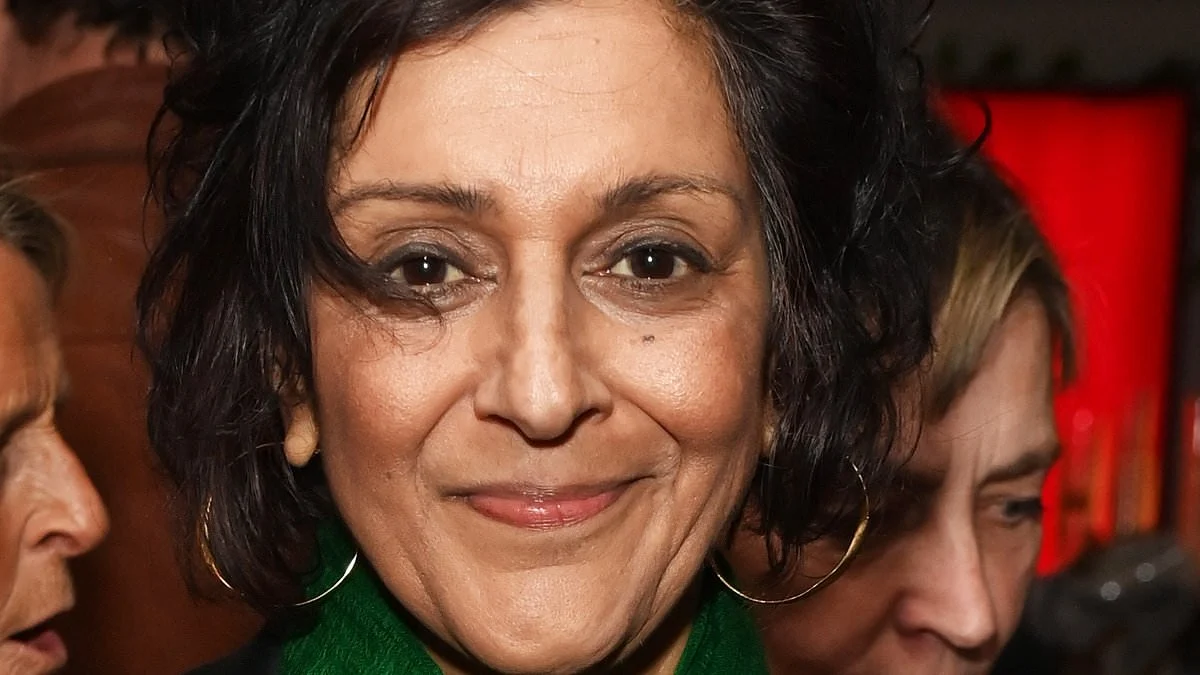
Dame Meera Syal, the celebrated actress, writer, and comedian best known for her groundbreaking work on "Goodness Gracious Me" and "The Kumars at No. 42," has publicly disclosed for the first time that she was the victim of a sexual assault during the early stages of her career. In a poignant interview with The Sunday Times Magazine, the 65-year-old performer detailed a traumatic encounter that occurred in the mid-1980s, involving an older, established actor who had initially promised to assist her in navigating the competitive entertainment industry.
The revelation comes as Syal prepares for the release of her highly anticipated memoir, "Vigilauntie: A Memoir – Innit?", scheduled for publication this autumn. The disclosure offers a harrowing look at the vulnerabilities faced by young performers, particularly those from minority backgrounds, during an era when professional safeguards were largely non-existent and cultural pressures often mandated silence.
The Context of the 1980s London Arts Scene
To understand the gravity of Syal’s disclosure, it is necessary to examine the professional environment of the 1980s. At the time, Syal was in her mid-twenties, a recent university graduate attempting to establish a foothold in the London theatrical world. Despite early successes in stage acting, she faced a period where roles for South Asian actors were scarce and often limited to reductive stereotypes.
By the mid-80s, Syal found herself at a professional crossroads. Her initial acting jobs had concluded, and she was supporting herself by singing in a jazz band at a restaurant in Covent Garden while simultaneously applying for waitressing positions to make ends meet. Facing financial instability, she was on the verge of abandoning her London aspirations to return to her family home in the West Midlands.
It was during this period of uncertainty that Syal was approached by an older Asian actor. The individual, whom Syal described as being roughly the same age as her father, offered a sense of cultural familiarity and professional mentorship. Leveraging his status as an established figure in the community, he invited her to a gathering at his London residence, ostensibly to discuss career opportunities.
Chronology of the Assault
The events of the evening, as detailed in the Sunday Times account, began with a breach of expectations. Upon arriving at the actor’s home, Syal discovered that the "party" was non-existent. There was only one other guest present, who departed shortly after her arrival, leaving her alone with the host.
Syal noted that she felt a sense of security initially, rooted in the cultural respect often accorded to elders within the South Asian community. She admitted that she felt it would be "impolite" to leave immediately, despite the confusion of the situation. They proceeded to have dinner, during which the conversation remained professional.
However, immediately following the meal, the atmosphere shifted violently. Syal recounted that while they were mid-conversation, the man "pounced" on her and attempted to rape her. Describing her physical response, Syal noted that she "froze in fear"—a psychological phenomenon often referred to as tonic immobility, which is a common reaction to extreme trauma. While she was able to resist a full rape, the individual proceeded to sexually assault her.
Following the incident, Syal left the premises. She did not report the crime to the police at the time, nor did she confide in her peers or family. Her primary motivation for silence was the protection of her parents; the prospect of subjecting them to the scrutiny and potential shame of a criminal trial in the 1980s felt insurmountable.
The Impact on Career and the Shift to Writing
The trauma of the assault did not end with the incident itself; it fundamentally altered Syal’s career trajectory. Rather than withdrawing from the industry entirely, she sought out a support system that would eventually define her professional legacy. She joined a collective of South Asian writers and performers who provided both emotional healing and a political awakening.
This group encouraged Syal to move beyond acting and begin writing her own material. This shift was instrumental in the creation of the BBC Radio 4 series "Goodness Gracious Me," which later transitioned to a highly successful BBC2 television sketch show from 1998 to 2001. The program is widely credited with revolutionizing British comedy by placing the British-Asian experience at the center of the cultural conversation, using satire to dismantle both internal community prejudices and external systemic racism.
Syal noted that the assault indirectly led to the creation of the "strong female characters" that populated her work. By reclaiming her narrative through writing, she was able to transform a position of vulnerability into a position of creative power.
Broader Implications: Sexual Harassment in the Arts
Syal’s retrospective disclosure highlights a systemic issue within the entertainment industry that has only recently begun to be addressed through movements such as #MeToo and Time’s Up. While her experience took place four decades ago, it mirrors contemporary data regarding the prevalence of sexual misconduct in the arts.
According to a 2018 survey conducted by the Incorporated Society of Musicians (ISM), nearly 60% of performers in the UK reported experiencing some form of sexual harassment. Furthermore, the survey found that 72% of those who were harassed were freelance or self-employed at the time, highlighting the specific vulnerability of young actors like Syal who lack the protection of a permanent employer or HR department.
In the 1980s, the "casting couch" culture was often dismissed as an open secret or an unfortunate reality of the business. For minority performers, the risks were compounded by a lack of representation. In 1985, South Asian actors represented a negligible percentage of speaking roles on British television, making the few established figures in the community disproportionately powerful as gatekeepers.
Analysis of Cultural Silence and Disclosure
Syal’s decision to remain silent for decades is a common theme among survivors of sexual assault, particularly within diaspora communities where the concept of "izzat" (honor or reputation) carries significant weight. Psychological experts suggest that the fear of bringing "shame" upon the family often acts as a more significant deterrent to reporting than the fear of the attacker himself.
The fact that Syal is only now choosing to speak out at the age of 65 reflects a broader trend of "delayed disclosure" among older survivors. As societal attitudes shift and the stigma surrounding sexual violence lessens, many individuals feel empowered to process and share their experiences as part of their long-term healing or legacy.
The timing of her disclosure—linked to her memoir—suggests a desire to provide a complete and honest account of her life, including the obstacles that shaped her resilience. The memoir, "Vigilauntie," promises to delve into her heritage and the influential women who helped her navigate the complexities of her identity and career.
Current Projects and Ongoing Contributions
Despite the challenges of her early career, Meera Syal has maintained a consistent and influential presence in British media. In 2023, she was awarded the BAFTA Fellowship, the highest honor bestowed by the Academy, in recognition of her outstanding and exceptional contribution to film, games, or television.
While she has taken a brief hiatus from television since her 2022 role in the BBC drama "The Split," Syal remains active in the theater. She is currently in rehearsals for "The Children," a play by Lucy Kirkwood, which is set to open at the Lyric Hammersmith. The production will premiere concurrently with the release of her memoir, marking a significant milestone in her fifty-year career.
The Legacy of Reshaping British Narrative
The revelation of Syal’s assault adds a layer of profound gravity to her body of work. "Goodness Gracious Me" was not merely a comedy show; it was an act of cultural reclamation. By satirizing the very structures and figures that sought to marginalize or exploit her, Syal and her collaborators (including her husband Sanjeev Bhaskar, Kulvinder Ghir, and Nina Wadia) created a space for South Asian voices that had previously been silenced.
As the industry continues to implement more robust safeguarding measures—such as the introduction of intimacy coordinators and more transparent reporting mechanisms—Syal’s story serves as a reminder of the historical lack of protection for performers. Her journey from a traumatized young actress in a Covent Garden restaurant to a Dame of the British Empire and a BAFTA Fellow is a testament to the power of artistic resilience.
Her memoir is expected to offer further insights into how these early experiences influenced her writing and her commitment to social commentary. For many, Syal’s disclosure will be seen as an act of bravery that further cements her status as a pivotal figure in British cultural history, proving that the most enduring comedy often emerges from the most difficult truths.
