
 By Jia Lissa
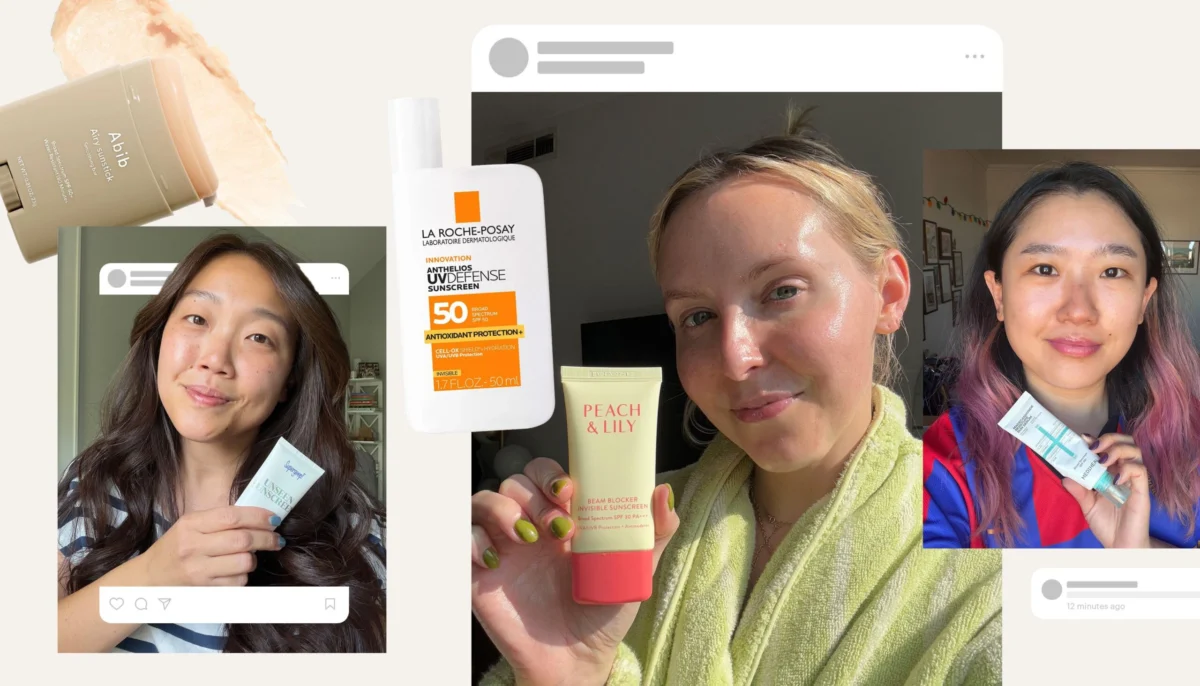
The world of sun protection is constantly evolving, with advancements in scientific understanding and product development offering consumers a wider array of choices. Among these, chemical sunscreens have emerged as a popular and effective option for safeguarding the skin against the damaging effects of ultraviolet (UV) radiation. Unlike their mineral counterparts, chemical sunscreens utilize organic compounds that are absorbed into the skin to provide their protective benefits. This article delves into the science behind chemical sunscreens, their safety profile, the differences compared to mineral formulations, and the exciting new developments shaping the market.
The Mechanism of Chemical Sunscreens
At their core, chemical sunscreens function by absorbing UV rays and converting them into heat, which is then safely dissipated from the skin. This process is facilitated by organic UV filters, which are designed to penetrate the outermost layers of the epidermis. According to Dr. Kil, a prominent dermatologist, common ingredients found in chemical sunscreens include avobenzone, oxybenzone, octisalate, octocrylene, and homosalate. These established filters have been the backbone of chemical sunscreen formulations for many years, providing broad-spectrum protection against both UVA and UVB rays.
A significant development in recent years has been the introduction of newer, FDA-approved filters such as bemotrizinol, also known as BEMT or Tinosorb S. These advanced filters have a long history of use and approval in Europe and other international markets, and their recent arrival in the U.S. signifies a notable step forward in sunscreen innovation. Whitney Hovenic, MD, a board-certified dermatologist, described this as "an exciting advancement for sunscreen innovation." The appeal of these newer filters lies not only in their efficacy but also in their ability to be formulated into cosmetically elegant products.
One of the primary advantages of chemical sunscreens is their texture and finish. Because their filters are designed to be absorbed into the skin, these formulations typically offer a lightweight and elegant feel. This makes them particularly well-suited for daily use and allows them to wear seamlessly under makeup without leaving a greasy residue or noticeable white cast. This aesthetic appeal is a crucial factor for many consumers, encouraging consistent application and therefore enhanced protection.
Differentiating Chemical and Mineral Sunscreens
The fundamental distinction between chemical and mineral sunscreens lies in their respective mechanisms of UV protection. As previously noted, chemical sunscreens employ organic filters that absorb UV radiation and convert it into heat. In contrast, mineral sunscreens, also referred to as physical sunscreens, rely on inorganic mineral ingredients, primarily zinc oxide and titanium dioxide. These minerals sit on the surface of the skin, creating a physical barrier that reflects and scatters incoming UV rays, while also absorbing a portion of the radiation.
This difference in mechanism influences the product’s feel and suitability for different skin types. Chemical sunscreens, due to their absorbent nature, tend to blend more easily into the skin, minimizing the risk of a visible residue. This makes them a preferred choice for individuals seeking a transparent finish. Mineral sunscreens, while excellent at providing broad-spectrum protection and often favored for sensitive skin due to their lower potential for irritation, can sometimes leave a chalky or white appearance, especially on deeper skin tones, though formulations are continuously improving in this regard.
In terms of specific UV protection, many chemical sunscreen formulations in the U.S. provide robust UVB protection. For UVA1 coverage, which targets the longest UVA rays that penetrate deepest into the skin and are most closely associated with premature aging and hyperpigmentation, avobenzone remains a primary approved filter. The development of new filters, however, is expanding the options for comprehensive UVA protection within chemical sunscreen formulations.
The Safety of Chemical Sunscreens: Scientific Consensus and Ongoing Research
The safety of chemical sunscreens has been a subject of public discussion and scientific inquiry. Studies have indeed demonstrated that certain chemical sunscreen ingredients can be detected in the bloodstream after repeated application. This finding has prompted questions about potential systemic effects. However, it is crucial to interpret these findings within the broader scientific context.
According to Dr. Kil, "there is no evidence of adverse side effects from these filters." To date, regulatory bodies and scientific consensus indicate that approved chemical sunscreen filters, when used as directed, do not cause adverse health effects. The U.S. Food and Drug Administration (FDA) continues to review the safety of sunscreen ingredients, and dermatologists overwhelmingly agree on the critical importance of sunscreen use.
The consensus among dermatologists is that sunscreen, regardless of its formulation, remains one of the most effective tools available for preventing skin cancer, premature aging, and sun-induced hyperpigmentation. The benefits of consistent UV protection far outweigh the theoretical risks associated with the absorption of certain ingredients, especially when considering the well-documented dangers of excessive UV exposure, including increased risk of melanoma and other skin cancers. The key takeaway is that the best sunscreen is ultimately the one that individuals will apply consistently and generously on a daily basis.
Addressing Concerns for Sensitive Skin
For individuals with sensitive skin, the question of whether chemical sunscreens are "bad" warrants a nuanced answer. While not all chemical sunscreens are inherently problematic for sensitive skin, certain ingredients can indeed trigger irritation or allergic reactions in some individuals. Dr. Kil highlights that "chemical sunscreens contain known allergens, such as oxybenzone, a commonly used filter." Additionally, ingredients like propylene glycol, often used as a humectant to aid absorption, can be a source of irritation for certain sensitive skin types.
However, the landscape of chemical sunscreen formulation is rapidly evolving to address these concerns. Many newer products are specifically designed to be more gentle, actively excluding common irritants such as oxybenzone, synthetic fragrances, and propylene glycol. These reformulated sunscreens often boast hypoallergenic properties and are better tolerated by individuals with reactive skin.
For those with particularly sensitive or reactive skin, a proactive approach is recommended. Patch-testing a new sunscreen on a small, inconspicuous area of the skin before applying it to the entire face or body can help identify potential sensitivities. This simple step can prevent widespread irritation and allow individuals to find a chemical sunscreen that provides effective protection without compromising skin comfort.
The Rigorous Testing and Review Process
The evaluation of beauty and skincare products, including sunscreens, is a multifaceted process that aims to provide consumers with reliable and trustworthy recommendations. Publications like Allure employ a comprehensive testing methodology that scrutinizes products from every angle. This involves a detailed review of ingredients, careful examination of brand claims, and, when necessary, consultation with peer-reviewed scientific and medical literature.
When Allure tests products, their editorial team, comprised of in-house writers, editors, and external contributors, dedicates significant effort to hands-on evaluation. This rigorous testing extends to examining the efficacy of product ingredients, the practicality and design of packaging, the presence or absence of fragrance, the texture and sensorial experience, and how the product performs throughout the day.
Furthermore, expert insights are integral to the vetting process. Professionals in fields such as dermatology, cosmetic chemistry, and medicine are consulted to provide a deeper understanding of ingredient safety and formulation effectiveness. This collaborative approach ensures that the recommendations are grounded in both scientific evidence and practical application.
For the specific category of chemical sunscreens, the review process typically focuses on key performance indicators. These include the product’s ingredients and their proven efficacy in providing broad-spectrum UV protection, the user-friendliness of the packaging, the impact of any fragrance on the overall experience, the texture and how it feels on the skin, and its longevity and performance during wear. Products that excel in all these categories, as determined by the editorial team and with input from dermatologists, are then considered for recommendation. This commitment to thorough testing and expert consultation underpins the credibility of product reviews and guides consumers toward informed purchasing decisions.
A Diverse Panel of Testers for Comprehensive Evaluation
The philosophy behind product testing extends to recognizing the inherent diversity of consumer needs and preferences. A beauty product is, by its nature, a personal purchase, and what constitutes "best" can vary significantly from one individual to another. Whether seeking a solution for chronic dryness, exploring new self-care rituals, or simply staying abreast of the latest product launches, consumers have unique requirements. Allure emphasizes the importance of a diverse testing panel to ensure that recommendations are relevant and applicable to a broad audience.
This commitment to inclusivity means that their staff and external testers represent a wide spectrum of ages, skin tones, hair textures, genders, and backgrounds. The rationale is straightforward: a skincare product deemed "best" for individuals over 50, for example, requires input from testers within that age demographic, not solely from younger individuals. Similarly, a high-end diffuser’s suitability cannot be accurately assessed without testing on various hair types, such as curly textures.
By boasting a staff that spans a broad range of lived experiences, Allure aims to fairly and comprehensively assess any beauty product that enters their review process. This dedication to diversity in testing is fundamental to their mission of ensuring that consumers will genuinely love and benefit from the products they recommend, fostering trust and providing genuine value.
The Evolving Landscape of Sunscreen Innovation
The ongoing research and development in the field of photoprotection are continuously expanding the options available to consumers. The introduction of new UV filters, coupled with advancements in formulation technology, promises even more effective, comfortable, and versatile sunscreen products in the future. As scientific understanding deepens and regulatory frameworks adapt, the landscape of chemical sunscreens will undoubtedly continue to evolve, offering improved solutions for skin health and protection. The persistent focus on both efficacy and user experience ensures that sun protection will remain an accessible and integral part of daily skincare routines for individuals worldwide.
