
 By Jia Lissa
Bad habits are an inherent part of the human experience, often creeping into our lives unnoticed. While many are relatively harmless, a select few possess the insidious power to undermine our skin’s health and accelerate the aging process. Dermatologists, privy to the long-term consequences of these seemingly minor transgressions, are urging individuals to re-evaluate their daily routines and abandon practices that inadvertently sabotage their complexions. From the allure of a sun-kissed glow to the impulsive urge to pop a pimple, these habits, often born from ignorance or convenience, can lead to a cascade of dermatological issues, including premature wrinkles, hyperpigmentation, and even an increased risk of skin cancer.
The consensus among leading dermatologists is clear: consistency and scientific understanding, rather than fleeting trends, form the bedrock of healthy skin. "Skin care is a long game," emphasizes Dr. Laurel Naversen Geraghty, a board-certified dermatologist in Medford, Oregon. "It’s not about how much you bombard your face with new ingredients; it’s about the good, proven steps that you consistently adhere to over time." This philosophy underscores the importance of a measured approach, moving away from the impulsive adoption of viral trends towards a more informed and enduring commitment to skin wellness.
The Perils of Chasing Trends: When Skincare Becomes Fashion
In an era dominated by social media and rapid-fire information, skincare has increasingly been treated as a disposable fashion trend. The allure of the latest "holy grail" product, often touted by influencers or featured in viral challenges, can lead to a compulsive desire to constantly update one’s routine. This "trend-hopping" mentality, however, can be detrimental to skin health.
Dr. Ava Shamban, a board-certified dermatologist in Los Angeles, notes a growing phenomenon among younger patients: "The idea [is] that looking good for our time isn’t just about things like eyebrow shape; now it’s how good your skin is." This pressure to maintain a flawless complexion can drive individuals to experiment excessively with potent ingredients and multi-step regimens.
The consequences of such overzealousness can be severe. Dr. Geraghty observes, "I have some young, female patients who tend to overdo it—they pile on multiple active ingredients or products at once, or they keep throwing new treatments at their skin, over and over." This can result in skin reactions such as bumps, flaking, or itchy rashes, and can compromise the skin’s natural barrier, making it more vulnerable to irritation and infection. "These conditions can take time, a dermatologist consultation, and medication to calm and reverse," she warns.
Experts advise a more conservative approach. "Don’t introduce more than one new product or ingredient at a time, or try multiple new products in any given week," recommends Dr. Geraghty. She cautions against following trends blindly, citing practices like "slugging" (coating the face in petroleum jelly), which can lead to breakouts, and the overuse of alpha hydroxy acids, which can be irritating for some.
A particularly concerning trend highlighted by Dr. Shamban involves the misuse of injectable peptides, especially by younger individuals seeking a tanned appearance. "The risk is that you’re stimulating melanocytes everywhere in the body. There are some in the central nervous system and in the internal genital—and you don’t know if you’re inadvertently stimulating a precancerous melanoma cell." This underscores the critical need for caution and professional guidance when considering new treatments.
Furthermore, the impulse to abandon products too quickly can rob them of their efficacy. "People don’t give their products enough time to work before they hop from one to the next," explains Dr. Corey Hartman, a board-certified dermatologist in Birmingham, Alabama. He advocates for a minimum of three months of consistent use for proven ingredients like peptides and retinoids to yield visible results. Retinoids, for instance, known for their wrinkle-smoothing and brightening properties, can take up to six months to show significant improvements.
Instead of chasing the latest fad, dermatologists recommend focusing on a core regimen of well-established ingredients tailored to individual skin types. Peptides for smoothing, niacinamide and vitamin C for brightening, salicylic acid for acne management, and retinol for its universal benefits are all proven powerhouses. "Don’t give up on a proven ingredient after a few days or a week," Dr. Geraghty urges.
The Sun’s Unforgiving Gaze: The Dangers of Seeking a Tan
Perhaps the most universally acknowledged enemy of healthy skin is the sun’s ultraviolet (UV) radiation. Despite widespread awareness of its damaging effects, the pursuit of a tanned complexion remains a persistent and perilous habit. Dermatologists unequivocally identify indoor tanning, excessive sun exposure, and sunburns as the most detrimental practices for skin health.
"Ultraviolet light is a proven carcinogen. It increases the risk of skin cancer and precancers, while damaging the skin, causing dark spots, sagging, and wrinkling that can be very difficult or impossible to reverse," states Dr. Geraghty. She draws a stark parallel between UV exposure and other known carcinogens: "UV light raises the risk for cancer, just like smoking and asbestos raise the risk of cancer." The notion that a tan enhances appearance is challenged by the long-term consequences, with Dr. Geraghty questioning, "Patients tell me they think they look better when they are tan—do they also think they look better when they smoke?"
For those seeking vitamin D, dermatologists recommend dietary sources or supplements, rather than risking the deleterious effects of UV exposure. The physiological addiction to sun exposure and tanning beds is also a significant concern, with research suggesting similarities to opioid drug dependency. The temporary feeling of well-being derived from sun exposure is a poor trade-off for the significant harm inflicted upon the skin.
Dr. Shamban emphasizes the severity of even seemingly moderate sun exposure. "We know that ultraviolet exposure is the number one cause of premature aging and skin cancer." Beyond aesthetic concerns, excessive sun exposure compromises the skin’s immune function, potentially exacerbating autoimmune conditions like lupus.
The physical and aesthetic repercussions of skin cancer removal can be substantial, particularly in areas with limited skin laxity, such as the nose and eyelids. Surgical excisions may necessitate skin grafts, leading to scarring. The prospect of such disfigurement serves as a potent reminder of the importance of daily sunscreen application.
The solution, according to experts, is simple yet profoundly effective: consistent sun protection. "The single best thing you can do is protect from sunshine with sunscreen, hats, sunglasses, and clothing," advises Dr. Geraghty. Sunscreen, with an SPF of 35 or higher, is a far more efficient and preventative measure than attempting to reverse the damage caused by UV exposure with a multitude of other skincare products. For those desiring a tanned appearance, safe alternatives like self-tanners and bronzers are recommended, though embracing one’s natural skin tone is ultimately the healthiest approach.
The Daily Neglect: When Sunscreen Becomes an Afterthought
The understanding that sunscreen is vital for skin health is widespread, yet its consistent application remains a challenge for many. The justification often revolves around perceived limited sun exposure, particularly during busy mornings or short outdoor excursions. However, dermatologists stress that even incidental exposure can accumulate significant damage.
"You get more sun than you’d think just driving around in your car," points out Dr. Shamban, refuting the notion that brief periods outdoors negate the need for protection. The cumulative effect of daily UV exposure is a primary driver of premature aging, wrinkles, hyperpigmentation, and skin cancers.
To combat this habit of inconsistency, dermatologists propose integrating sunscreen into daily routines. "Keep your sunscreen by your toothbrush so that it’s built into your routine," suggests Dr. Hartman. This simple act of placing it in a visible, accessible location can transform a forgotten step into an automatic habit performed after brushing teeth. "That way you don’t have to wonder and guess if you put it on."
Particular attention should be paid to often-overlooked areas, including the space between the eyebrows, the upper lip, the sides of the nose, temples, and ears. For those with sensitive eyes, mineral sunscreens, SPF sticks, and protective eyewear offer viable alternatives.
The Compulsive Urge: The Harmful Act of Popping Pimples
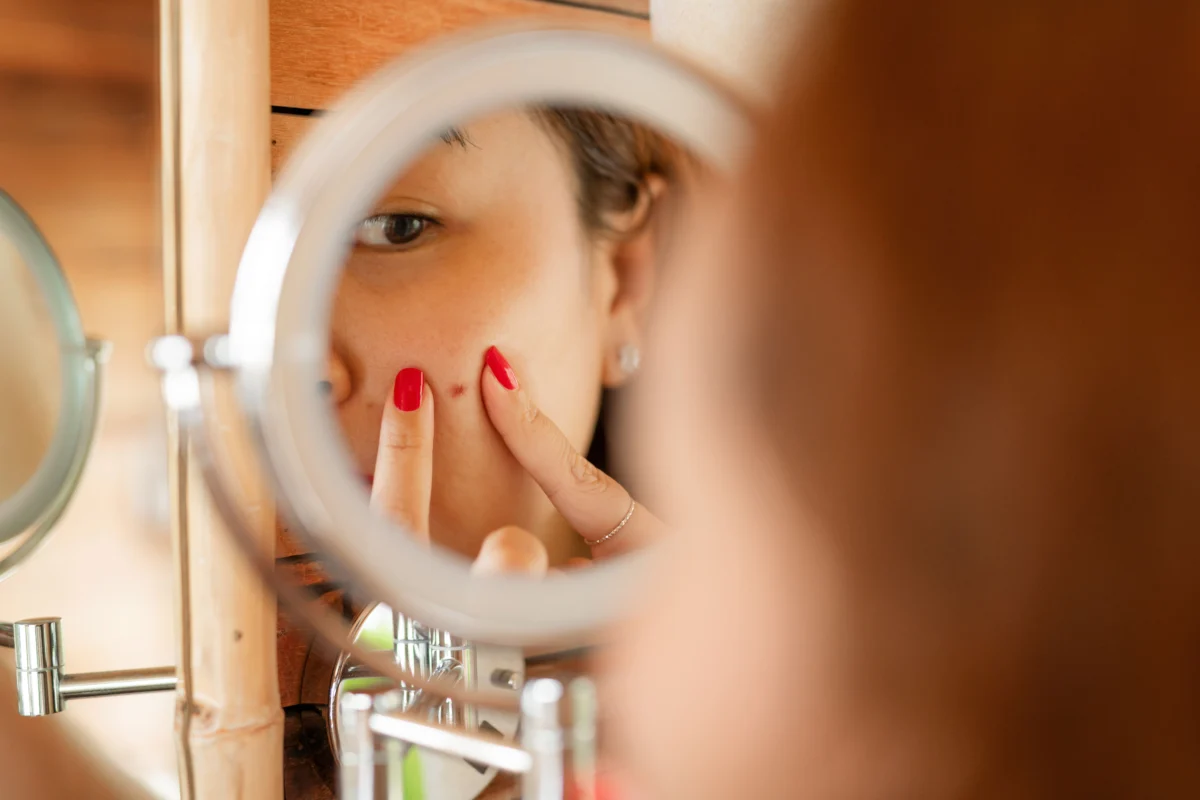
The temptation to pop a pimple is a near-universal experience, often driven by an immediate desire to "resolve" the blemish. However, dermatologists warn that this seemingly innocuous act can lead to significant skin damage and exacerbate the problem.
"This might be the hardest of bad skin habits to break, because we’re all human," admits Dr. Hartman, even confessing to his own occasional indulgence. He offers a pragmatic compromise: "You get one good squeeze [per day]." If a pimple is ready to be expressed, it will be. After a successful pop, applying a pimple patch is recommended to protect the compromised skin barrier and aid in healing.
Crucially, if a pimple does not yield to a gentle squeeze, it should be left alone. "It’s deep-seated," Dr. Hartman explains, or it may be an inflammatory lesion that is not ready for extraction. Attempting to force it can push bacteria and debris deeper into the follicle, prolonging healing and increasing the risk of post-inflammatory hyperpigmentation—the dark spots that can linger long after a blemish has faded.
For persistent or stubborn pimples, dermatologists advocate for targeted treatments like 2% salicylic acid spot treatments or hydrocolloid pimple patches. These interventions help to draw out impurities and protect the skin, preventing the urge to pick. Brands like Cerave, Starface, and Hero Mighty Patch offer effective solutions for managing breakouts without manual manipulation.
The Overzealous Cleanse: The Damage of Excessive Facial Washing
While cleansing is a cornerstone of any skincare routine, an overly aggressive approach can do more harm than good. Dermatologists caution against using abrasive tools or performing excessive cleansing rituals, which can strip the skin of its natural oils and disrupt its protective barrier.
"People get very exuberant with their cleansing technique," notes Dr. Hartman, referring to the use of washcloths, silicone brushes, or mesh sponges during cleansing. These can lead to redness, irritation, breakouts, and dryness.
The practice of double-cleansing, which involves using an oil-based or micellar cleanser followed by a water-based cleanser, is also subject to scrutiny. While beneficial for removing heavy makeup or for those with oily skin, it can be unnecessary for many and lead to over-cleansing. "I just think more people are double-cleansing than really need to be, and they end up over-cleansing," says Dr. Hartman. This can result in dry, irritated skin.
The recommendation from experts is to simplify the cleansing routine. A single, gentle, fragrance-free cleanser is often sufficient. For acne-prone individuals, oil-free formulas containing salicylic acid can help manage breakouts. Cetaphil Daily Facial Cleanser, La Roche-Posay Toleriane Moisturizing Milky Cleanser, and Clinique Acne Solutions Cleansing Gel are suggested as effective and gentle options.
The Unseen Agitators: Picking, Scratching, and Smoking’s Toll
Beyond the more obvious skincare missteps, several less apparent habits can significantly impact skin and hair health.
Picking at Your Skin: This habit, often rooted in anxiety or a misguided attempt at "cleaning" imperfections, can lead to tissue damage, scarring, and even permanent hair loss if the scalp is involved. Dr. Rachel Nazarian, a dermatologist in New York City, emphasizes the psychological component, suggesting fidget toys and keeping nails short as behavioral deterrents. She also highlights the importance of exercise and dietary adjustments, such as limiting soy intake, which can aggravate acne. Visual deterrents, like images of keloid scars, can also serve as a powerful reminder of the risks.
Scratching Your Scalp: While an itchy scalp can be intensely uncomfortable, persistent scratching can cause hair breakage and thinning. Dr. Jeanine Downie, a dermatologist in New Jersey, advises addressing the underlying cause of the itch, whether it’s dryness, dandruff, or a reaction to products. Anti-inflammatory shampoos and, in some cases, prescription treatments can provide relief. The damage from scratching can take months to repair, making it crucial to find alternative solutions.
Smoking (Cigarettes and Cannabis): The well-documented health risks of smoking extend to the skin. Both tobacco and cannabis smoke can impair oxygen supply to the face, exacerbating conditions like eczema, psoriasis, acne, and wrinkles. "It is oxidizing your skin, and that delivers pollutants to the surface of the skin, which is exactly what you don’t want to do," states Dr. Downie. Furthermore, smoking is a known carcinogen, with direct implications for skin cancer risk.
The Evening Neglect and Morning Rush: Undermining Nighttime Rituals
Two common bedtime and morning routines, while seemingly innocuous, can have significant dermatological consequences.
"Forgetting" to Wash Your Face at Night: The allure of convenience, especially when exhausted, can lead to sleeping with makeup and the day’s accumulated pollutants on the skin. This can clog pores, leading to breakouts and infections, such as styes around the eyes. Environmental pollutants, dirt, and bacteria can contribute to oxidative stress, inflammation, and the loss of collagen and elastin, accelerating the aging process. Dr. Nazarian stresses that makeup-removing wipes are not a substitute for proper cleansing, as they can leave behind irritating residue. Shifting the cleansing routine to earlier in the evening, upon returning home, can be a more effective strategy.
Brushing Your Teeth Right Before Bed: While oral hygiene is paramount, the residual toothpaste on the face and lips can cause irritation and chapping. Ingredients like sodium lauryl sulfate (SLS) found in many toothpastes can be particularly drying and may even trigger contact dermatitis. Washing the face immediately after brushing can mitigate these effects, and opting for SLS-free toothpastes can further benefit sensitive individuals.
The Subtle Saboteurs: Glasses, Med Spas, and Over-Correction
Even seemingly minor daily habits can contribute to long-term skin concerns.
Ignoring the Fit of Your Glasses: Glasses that are too tight on the bridge of the nose can exert consistent pressure, leading to hyperpigmentation over time. This darkening of the skin can be stubborn and difficult to treat, underscoring the importance of ensuring a comfortable and appropriate fit. Regular adjustments or even a new pair of glasses can prevent this issue.
Spending Lunch Breaks at Med Spas: While the appeal of quick cosmetic procedures is understandable, dermatologists express concerns about the risks associated with treatments performed in non-physician-led med spas. The potential for complications from minimally invasive procedures like radiofrequency or ultrasound treatments is higher in these settings, where immediate medical expertise may be absent. Furthermore, the pursuit of an "idealized" look, such as becoming a "Barbie doll" through excessive filler injections, can lead to unnatural results and even long-term tissue stretching. Seeking treatments from board-certified dermatologists who possess a deep understanding of facial anatomy is crucial for both safety and aesthetic satisfaction. The principle of "less is more" remains a guiding tenet for achieving natural and harmonious results.
By understanding and actively correcting these common yet damaging habits, individuals can significantly improve their skin’s health, preserve its youthful appearance, and reduce their risk of more serious dermatological issues. The journey to healthier skin, as emphasized by dermatologists, is paved with knowledge, consistency, and a commitment to mindful self-care.
