
 By admin
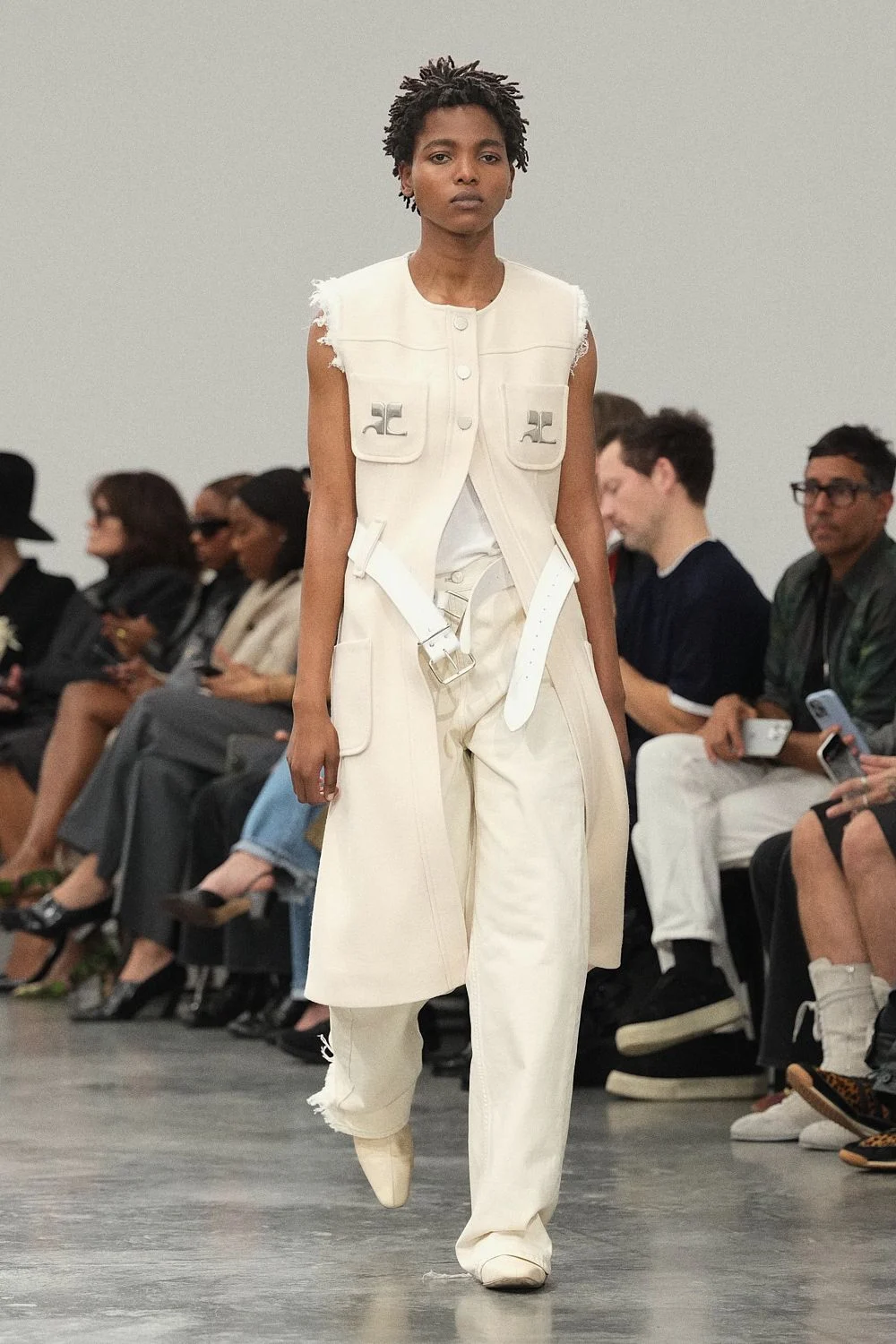
The fashion industry stands at a pivotal juncture in 2026, witnessing the profound mainstream integration of digital couture, a phenomenon that has transcended niche appeal to fundamentally reshape design, consumption, and brand interaction. What began as speculative ventures in virtual worlds and gaming environments has rapidly evolved into a sophisticated segment of the global fashion economy, challenging traditional manufacturing cycles and opening unprecedented avenues for creative expression and consumer engagement. Major fashion houses, independent designers, and technology platforms are now actively collaborating to craft immersive digital experiences, creating garments that exist solely in pixels yet hold significant cultural and economic value. This shift is not merely an extension of e-commerce but represents a paradigm change, where virtual identities and digital ownership are becoming as crucial as their physical counterparts, driving innovation across the entire value chain, from conceptualization to retail and media coverage, as regularly documented on platforms like Vogue.com.
A Chronology of Digital Fashion’s Ascent
The journey of digital fashion from a nascent concept to a significant industry force has been marked by several distinct phases, accelerating dramatically in recent years.
Early Experimentation and Niche Innovations (2018-2020):
The seeds of digital couture were sown in the late 2010s, primarily within the gaming community and through independent digital artists. Developers of popular online games like Fortnite and Roblox began offering extensive customization options for avatars, including virtual apparel that players could purchase. This demonstrated a clear consumer appetite for digital self-expression and ownership. Concurrently, pioneering digital fashion houses, such as The Fabricant, emerged, showcasing purely virtual collections designed using advanced 3D rendering software. Their initial works, like the "Iridescence" dress sold for $9,500 in 2019, served as proof-of-concept for the intrinsic value of non-physical garments. These early stages were characterized by a focus on novelty and exploring the technical boundaries of virtual design, often detached from traditional fashion calendars or distribution models.
Pandemic Acceleration and Virtual Showcases (2020-2022):
The global pandemic of 2020 acted as an unexpected catalyst for digital fashion. With physical fashion weeks cancelled or severely curtailed, designers and brands were compelled to seek alternative platforms for showcasing their collections. Virtual showrooms, augmented reality (AR) filters, and fully digital fashion shows became commonplace. Major events, such as Decentraland’s inaugural Metaverse Fashion Week in March 2022, attracted an estimated 108,000 unique attendees, featuring virtual storefronts from established brands like Dolce & Gabbana and Tommy Hilfiger alongside digital-native labels. This period saw a significant investment in 3D design software and virtual production tools, transforming them from niche tools into essential components of a modern design studio. The concept of a digital-only collection gained legitimacy, with some brands experimenting with "phygital" offerings – physical garments paired with NFT counterparts.
Metaverse Integration and NFT Revolution (2023-2024):
By 2023, the concept of the metaverse had solidified, and with it, the potential for digital fashion exploded. Brands began establishing permanent virtual presences in various metaverses, offering exclusive digital wearables, immersive brand experiences, and virtual concerts featuring celebrity avatars dressed in digital couture. Non-Fungible Tokens (NFTs) became the primary mechanism for proving ownership and authenticity of digital fashion assets, creating a robust secondary market. Luxury giants like Gucci and Balenciaga launched dedicated Web3 divisions, collaborating with platforms such like The Sandbox and Roblox to create unique digital ecosystems. The integration of blockchain technology ensured verifiable scarcity and transferability, mirroring the exclusivity often associated with high fashion. This era also saw the rise of sophisticated digital tailoring, where virtual garments could be "fitted" to personal avatars with unprecedented realism.
Mainstream Adoption and Hybrid Futures (2025-2026):
The current landscape of 2026 demonstrates a mature digital fashion market. Most major fashion houses now routinely include digital-only collections or phygital components in their seasonal offerings. Digital fashion weeks run concurrently with their physical counterparts, often reaching a wider, more global audience. Retailers have adapted, with platforms like Vogue.com increasingly featuring digital fashion reviews, virtual try-on experiences powered by AR, and affiliate partnerships that include digital assets alongside physical products. The lines between physical and digital consumption have blurred, with consumers seamlessly integrating virtual apparel into their online identities and social media presence. The technology has advanced to a point where digital garments often exhibit textures, drapes, and movements that rival physical clothing, pushing the boundaries of what is aesthetically possible.
Economic Data and Market Growth
The economic impact of digital couture is substantial and continues its rapid upward trajectory. Analysts at Morgan Stanley projected the metaverse and digital fashion market could reach $50 billion by 2030, but current growth rates suggest this figure may be conservative, with some estimates placing the total addressable market for digital wearables and virtual experiences closer to $80 billion by 2028.
Investment and Valuation: In 2025, venture capital investment in digital fashion startups, metaverse platforms, and Web3 infrastructure reached an all-time high of $7.8 billion, a 45% increase from the previous year. This influx of capital reflects growing investor confidence in the long-term viability and profitability of the sector. The average valuation of digital fashion companies specializing in 3D design software or NFT marketplaces has seen a compounded annual growth rate (CAGR) of 35% since 2022.
Consumer Spending and Demographics: Consumer spending on digital fashion is increasingly diversified. While early adopters were predominantly Gen Z and millennial gamers, the demographic has broadened significantly. A recent survey conducted by a leading market research firm in Q4 2025 revealed that 35% of digital fashion purchasers were over the age of 35, indicating wider acceptance. The average transaction value for a digital garment on a primary marketplace now stands at $150, with limited-edition NFT couture pieces commanding prices in the thousands, sometimes tens of thousands, of dollars. Consumers report purchasing digital fashion primarily for self-expression (60%), social status within virtual communities (25%), and investment potential (15%). The appeal of digital fashion also stems from its immediacy and accessibility, allowing consumers to acquire and wear items that might be financially or physically out of reach in the real world.
New Revenue Streams and Affiliate Partnerships: For publishers like Condé Nast’s Vogue, digital fashion represents a crucial new revenue stream. Beyond traditional advertising, affiliate partnerships with digital fashion marketplaces and brands are becoming increasingly lucrative. Vogue.com, for instance, has strategically integrated links to virtual storefronts where readers can purchase digital garments or NFTs directly. This model, where Vogue earns a portion of sales from products purchased through its site, mirrors its established physical retail affiliate strategy but taps into a rapidly expanding digital economy. This diversification of revenue streams ensures media outlets remain central to the discovery and curation of fashion in both physical and virtual realms. Data from Condé Nast’s internal reports indicates that digital fashion affiliate revenue grew by 70% in 2025, significantly contributing to overall digital profitability.
Industry Responses and Innovator Statements
The embrace of digital couture has been met with a mix of cautious optimism and enthusiastic adoption across the industry.
Luxury Houses: Bernard Arnault, Chairman and CEO of LVMH Moët Hennessy Louis Vuitton, in a rare public statement regarding digital assets in early 2026, acknowledged the transformative power of the metaverse. "While our heritage is rooted in tangible craftsmanship, we cannot ignore the evolving landscape of consumer desire. Digital couture offers an unparalleled canvas for creativity and a direct connection to a new generation of luxury consumers. We are not replacing tradition; we are expanding its definition." This sentiment is echoed by Francesca Bellettini, President and CEO of Saint Laurent, who stated in a recent industry panel, "Digital fashion allows us to push boundaries of design that are simply impossible with physical materials. It’s about pure artistic expression, unconstrained by gravity or fabric limitations, and it’s resonating powerfully with our clientele."
Digital Designers and Innovators: Kiki X, a leading digital fashion designer renowned for her hyper-realistic textures and intricate virtual garments, emphasized the democratizing potential. "The digital realm has lowered the barrier to entry significantly. A talented 3D artist with a vision can create a collection that rivals traditional haute couture without the immense capital investment required for manufacturing. This fosters incredible diversity and innovation that the physical industry often struggles to achieve." Dr. Anya Sharma, Head of Digital Innovation at a prominent metaverse platform, highlighted the technological advancements. "Our goal is seamless interoperability. Imagine purchasing a digital dress from a luxury brand’s virtual store and being able to wear it across multiple metaverse platforms, social media filters, and even in augmented reality overlays in the physical world. This universal ‘digital wardrobe’ is the future we are building."
Media and Curation: Anna Wintour, Global Editorial Director of Vogue, in a 2025 interview, articulated the publication’s evolving role: "Vogue has always been about chronicling and shaping the future of fashion. Digital couture is undeniably a part of that future. Our responsibility is to curate, to critique, and to present the most innovative and inspiring work, whether it exists in a boutique on Fifth Avenue or in a virtual gallery in the metaverse. It’s about understanding the nuances of digital craftsmanship and guiding our readers through this exciting new territory."
Broader Implications: Sustainability, Accessibility, and the Future of Retail
The rise of digital couture carries profound implications that extend far beyond aesthetics and economics, impacting sustainability, accessibility, and the very structure of retail.
Sustainability: One of the most compelling arguments for digital fashion is its potential to significantly reduce the environmental footprint of the industry. The production of physical garments is resource-intensive, requiring vast amounts of water, energy, and raw materials, and generating substantial waste. Digital garments, by contrast, eliminate the need for physical production, transportation, and storage. While the creation of digital assets still consumes energy (particularly for blockchain-based NFTs), the overall environmental impact is demonstrably lower. Brands are increasingly leveraging digital collections to experiment with designs and gauge consumer interest before committing to physical production, thereby minimizing overproduction and waste – a critical step towards a more sustainable fashion ecosystem.
Accessibility and Democratization: Digital fashion offers unprecedented accessibility. It removes geographical barriers, allowing consumers worldwide to access high fashion and cutting-edge designs without needing to travel to exclusive boutiques. More importantly, it democratizes fashion creation. Aspiring designers can develop and showcase their collections with significantly lower overheads, fostering a more diverse and inclusive design landscape. Consumers, too, benefit from increased affordability, with digital garments often priced more accessibly than their physical counterparts, making luxury aesthetics available to a broader audience. This fosters new forms of self-expression, allowing individuals to curate elaborate digital identities that might be impractical or impossible in the physical world.
Retail Transformation and IP Challenges: The advent of digital couture is fundamentally transforming retail. The traditional brick-and-mortar model is evolving into a hybrid ecosystem where physical stores offer immersive AR try-on experiences, and digital storefronts provide access to exclusive virtual collections. This convergence creates a seamless shopping journey, blurring the lines between online and offline commerce. For platforms like Vogue.com, this means adapting content strategies to cover both realms, ensuring that fashion news, beauty coverage, and celebrity style encompass digital avatars and virtual events. However, this new frontier also presents challenges, particularly concerning intellectual property (IP) rights. The ease of replication in digital spaces necessitates robust legal frameworks for copyright protection. Condé Nast’s explicit statement regarding the non-reproduction of its site material without prior written permission underscores the growing importance of protecting creative assets in a highly duplicable digital environment. The legal landscape for digital fashion, NFTs, and metaverse assets is rapidly evolving, with ongoing debates about ownership, licensing, and brand protection in decentralized virtual spaces.
Consumer Identity and Expression: Digital fashion is profoundly influencing how individuals construct and express their identities. Avatars are no longer mere representations but extensions of self, and the clothing they wear communicates status, affiliation, and personal style within virtual communities. This has led to a burgeoning market for bespoke digital tailoring and personalized avatar styling services, further cementing the role of digital fashion as a critical component of modern identity.
Challenges and Future Outlook
Despite its rapid growth, the digital fashion landscape faces several challenges. Interoperability across different metaverse platforms remains a significant technical hurdle; a digital garment purchased in one virtual world may not be usable in another. This fragmentation can limit consumer experience and asset utility. Furthermore, maintaining the perceived value and authenticity of digital assets, particularly as the market matures, requires continuous innovation in blockchain technology and digital provenance.
Looking ahead, the trajectory of digital couture points towards even deeper integration with artificial intelligence (AI) for hyper-personalization, generative design, and dynamic fashion that responds to a user’s mood or environment. The potential for immersive, sensory experiences that blend haptics with visual design could redefine what it means to "wear" fashion. As Condé Nast and publications like Vogue continue to adapt, providing critical coverage and facilitating affiliate partnerships, they will play an indispensable role in guiding consumers and industry professionals through this continuously evolving digital frontier, ensuring that the essence of fashion – creativity, expression, and cultural relevance – thrives in both the physical and virtual realms for decades to come. The future of fashion, by 2026, is undeniably hybrid, innovative, and deeply intertwined with the digital tapestry of our increasingly connected world.
