
 By admin
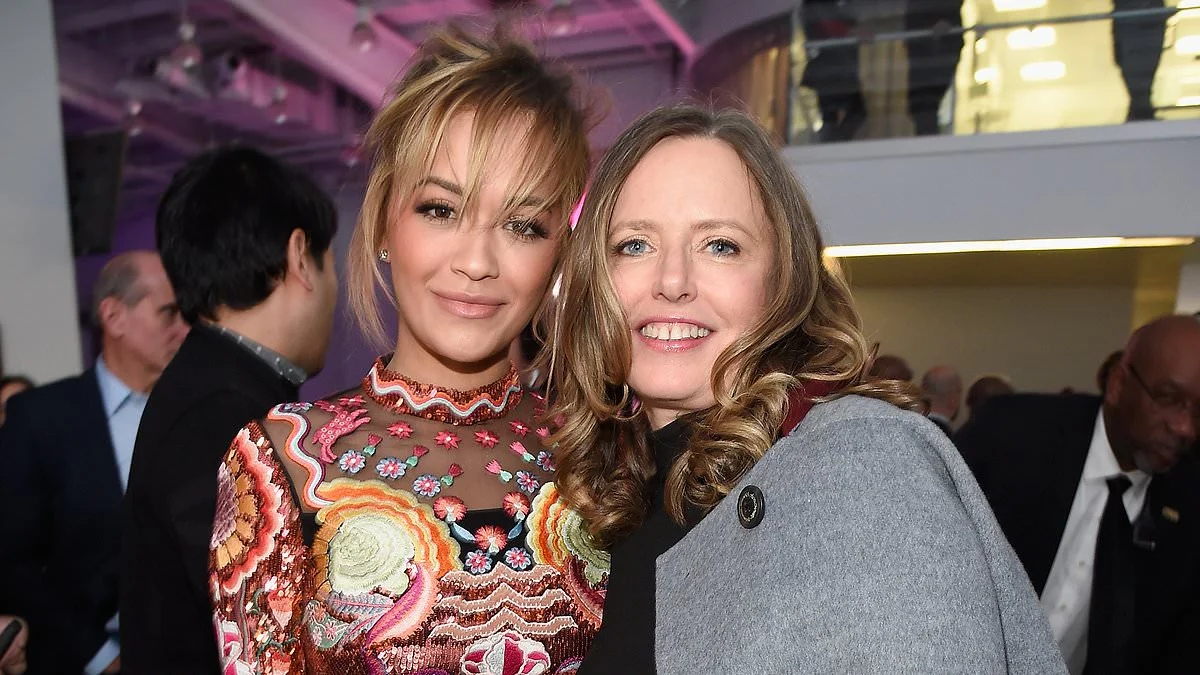
The British singer and actress Rita Ora has been named as the defendant in a high-stakes legal claim filed at the High Court of Justice, where her former long-term manager, Sarah Stennett, is seeking £3.2 million in allegedly unpaid commissions. The lawsuit, brought forward by Stennett’s firm, FAE Ventures, marks a significant escalation in the professional divorce between the two women, who ended their fifteen-year partnership in 2024. According to court documents, the dispute centers on allegations that Ora failed to remit the agreed-upon percentage of her earnings from various lucrative streams, including international concert tours, television appearances, and brand endorsements.
The legal battle represents a stark turning point in a relationship that began in 2009 when Ora was an aspiring 18-year-old artist. Stennett, a high-profile figure in the music industry and founder of First Access Entertainment (FAE), is credited with steering Ora’s rise from a West London singer to a global household name. However, the partnership reportedly soured over disagreements regarding the "direction of her career," leading to a formal separation last year. The current litigation suggests that while the professional relationship has ended, the financial entanglements of their decade-and-a-half-long contract remain deeply contested.
The Financial Breakdown of the Claim
The £3.2 million figure cited in the High Court filings is comprised of several distinct claims related to Ora’s multifaceted career. According to reports first surfaced by The Sun, the largest single portion of the claim involves an alleged underpayment of approximately £1.7 million. Stennett’s legal team asserts that this sum was withheld through "impermissible deductions" for various professional services. These services reportedly included costs associated with advertising, accountancy, and insurance—expenses that the claimant argues should not have been subtracted from the management’s pre-agreed commission.
In addition to the disputes over service deductions, the lawsuit highlights a significant discrepancy regarding touring revenue. FAE Ventures has claimed an additional £1.1 million based on what they describe as "unreported touring income" generated during the Phoenix World Tour. This global concert circuit, which ran between the spring of 2019 and 2020, was a major commercial success for Ora, supporting her second studio album, Phoenix. The court documents allege that payments made to FAE during this period failed to account for the full scope of income received by the defendant or her representatives, thereby violating the terms of the management agreement.
A Fifteen-Year Professional History
To understand the weight of the current litigation, industry analysts point to the longevity of the Stennett-Ora partnership. When Ora signed with Stennett in 2009, she was a newcomer to the industry. Under Stennett’s guidance, Ora achieved a record-breaking run of number-one singles on the UK charts and successfully transitioned into a television personality and film actress. Stennett has historically been known for her robust management style, having worked with other major talents such as Zayn Malik, Ellie Goulding, and Bebe Rexha.
The dissolution of their partnership in 2024 was initially described as a mutual decision based on shifting creative priorities. At the time, sources close to the singer indicated that Ora wished to take more direct control over her brand and diversify her portfolio beyond the traditional music industry model. Following the split, Ora signed with Ivie Idahosa Erese at Range Media Partners, a firm known for representing "multi-hyphenate" talent—artists who balance music, film, fashion, and entrepreneurship.
The Shift to a Multi-Hyphenate Career
The move to Range Media Partners signaled a new era for Ora, who at 35, is increasingly focused on her status as a global brand. This transition appears to be at the heart of the "career direction" disagreement mentioned in the legal filings. While Stennett’s firm was instrumental in building Ora’s recording career, Ora’s recent trajectory has leaned heavily into acting and commercial ventures.
The singer is currently involved in several high-profile cinematic projects that fall outside the traditional scope of a music management contract. These include a role in Amazon MGM’s Honeymoon with Harry, featuring an ensemble cast including Jake Gyllenhaal and Kevin Costner. She is also set to star in the upcoming Voltron movie and will continue her association with the Disney Descendants franchise in Descendants: Wicked Wonderland, following her performance as the Queen of Hearts in Descendants: The Rise of Red.
Beyond the screen, Ora has made significant inroads into the beauty industry. She recently co-founded the haircare company TYPEBEA alongside entrepreneur Anna Lahey. These diverse income streams, while lucrative, often complicate management contracts that were originally drafted with a primary focus on music sales and touring. Legal experts suggest that the "impermissible deductions" cited in the lawsuit may stem from disagreements over how overhead costs for these non-music ventures are allocated.
Industry Implications and Legal Precedents
Management disputes of this magnitude are not uncommon in the entertainment industry, particularly when an artist transitions from a "developing act" to a "legacy brand." Contracts signed at the beginning of a career, often referred to as "360 deals" or comprehensive management agreements, can become points of friction as the artist’s revenue streams diversify.
The core of the dispute—whether certain expenses like insurance and accounting should be deducted from the gross or net income before a manager takes their cut—is a frequent flashpoint in entertainment law. If the High Court finds that Ora breached the contract by miscalculating these figures, it could set a precedent for how "professional services" are defined in modern management agreements. Furthermore, the allegation of "unreported income" from the Phoenix World Tour suggests a potential audit of several years of financial records, a process that can be both lengthy and invasive for high-profile public figures.
Responses and Current Status
Representatives for both Rita Ora and Sarah Stennett have been contacted for official comments regarding the High Court filing. As of the time of publication, neither party has issued a formal statement, which is typical for ongoing litigation involving significant financial claims.
Despite the legal shadow cast by the lawsuit, Ora appears to be maintaining a rigorous professional schedule. She recently shared updates from a recording studio, teasing work on her fourth studio album, which is tentatively slated for a 2027 release. The album will be her first full-length musical project since the management change, and it is expected to reflect her new creative independence.
Chronology of Key Events
- 2009: Rita Ora signs with Sarah Stennett and FAE Ventures at age 18.
- 2012: Release of debut album Ora, achieving three consecutive UK number-one singles.
- 2018: Release of second album Phoenix, followed by the announcement of a world tour.
- 2019–2020: The Phoenix World Tour takes place; FAE Ventures now alleges income from this period was underreported.
- 2023: Ora releases her third album, You & I, under BMG.
- 2024: Ora and Stennett officially part ways. Ora signs with Range Media Partners.
- September 2026: Stennett’s FAE Ventures files a £3.2 million lawsuit in the High Court against Ora for breach of contract and unpaid commissions.
Conclusion
The legal battle between Rita Ora and Sarah Stennett highlights the complexities of long-term artist-manager relationships in an era where celebrities are increasingly becoming CEOs of their own multi-industry empires. While the High Court will ultimately decide the validity of the £3.2 million claim, the case serves as a cautionary tale regarding the evolution of entertainment contracts. As Ora continues to expand her footprint in Hollywood and the global beauty market, the resolution of this dispute will likely be watched closely by industry insiders and legal professionals alike. For now, the singer remains focused on her upcoming film slate and her 2027 album cycle, even as she prepares to defend her financial record in one of the most significant legal challenges of her career.
