
 By Jia Lissa
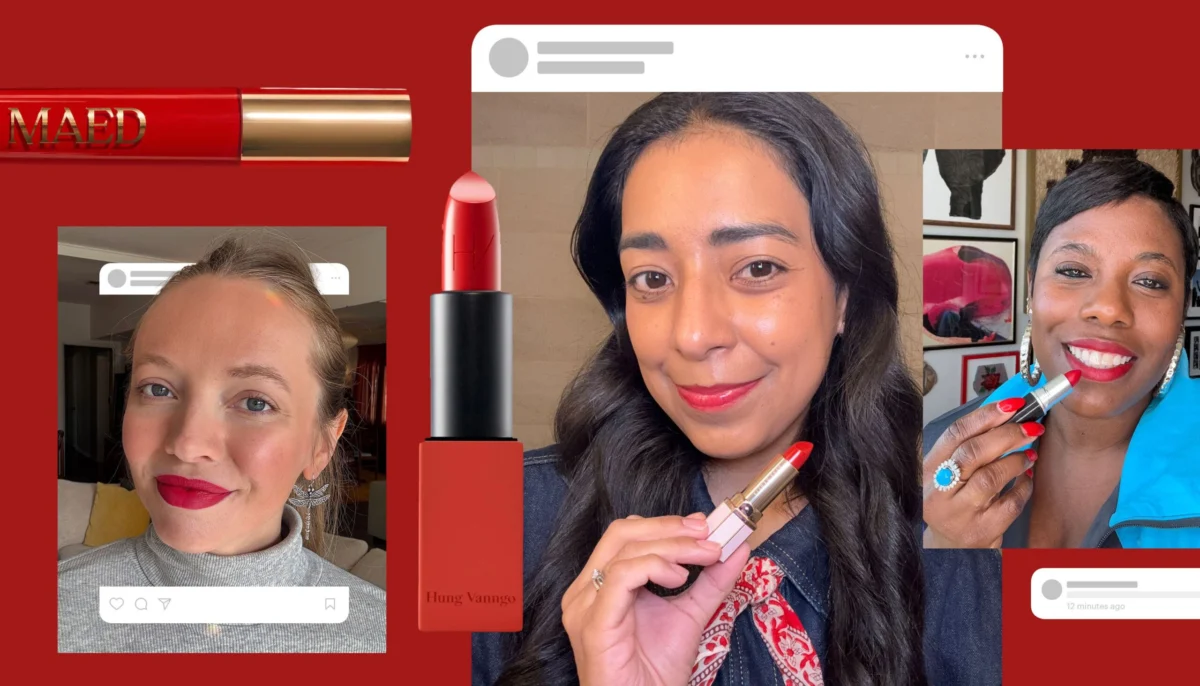
The quest for the perfect red lipstick is a universal beauty journey, one that transcends trends and seasons. While the allure of a bold red lip is undeniable, navigating the vast spectrum of shades and finishes can be daunting. Fortunately, experts in the field offer invaluable insights to demystify the process, ensuring that anyone can find a red that not only suits their complexion but also boosts their confidence. Beyond just shade selection, understanding the science behind lipstick longevity and the nuances of application can transform a fleeting color into a lasting statement.
Understanding Skin Tone and Undertone for the Ideal Red
The fundamental principle guiding the selection of a flattering red lipstick lies in understanding one’s skin tone and, more critically, undertone. While personal preference reigns supreme – the "right red is the one that makes you feel good," as articulated by Los Angeles-based makeup artist Fiona Stiles, whose celebrity clientele includes Margot Robbie, Gabrielle Union, and Lily Collins – a systematic approach can expedite the discovery process.
Makeup artists consistently emphasize the interplay between lipstick shades and the subtle hues beneath the skin’s surface. For individuals with cool undertones, characterized by skin that often appears pinkish or blue, and typically seen in fair to light-medium complexions, red lipsticks with blue undertones are particularly advantageous. New York City-based makeup artist Diane Kendal, a renowned figure in the beauty industry, previously highlighted that these cooler reds can impart a more radiant appearance and even create the illusion of whiter teeth. This effect is attributed to the contrast between the blue-toned lipstick and the natural yellowness in teeth, making them appear brighter.
Conversely, for those with warm undertones, often associated with medium skin tones and olive complexions, orange-red shades are frequently recommended. Kendal notes that these vibrant hues can make olive skin "glow by bringing out its golden tones." The intensity of these shades, far from being overpowering, can enhance the natural warmth and luminosity of the skin.
When it comes to deeper skin tones, the advice shifts towards reds with a significant pink component. These richer, often deeper pink-reds are said to create a striking and beautiful contrast against darker complexions, adding depth and dimension to the overall look. This nuanced approach to shade selection acknowledges that red is not a monolithic color but a spectrum, with each shade interacting uniquely with the diverse tapestry of human skin.
The Science of Longevity: Making Your Red Lipstick Endure
The ephemeral nature of a freshly applied red lipstick is a common lament. Hours, a meal, or even a simple conversation can diminish its pristine appearance. However, a set of time-tested techniques, championed by industry professionals, can significantly extend the wear of any lip color, especially the demanding shades of red. These methods, some dating back to the early 2010s, remain staples in makeup artists’ arsenals and are widely adopted by beauty editors.
The foundational step to achieving lasting lipstick is meticulous lip preparation. The canvas upon which the color is applied is crucial. Dry, flaky lips will inevitably lead to a patchy, uneven application and diminished wear. To achieve a smooth surface, experts recommend gentle exfoliation. This can be achieved using a dedicated lip scrub or a simple damp washcloth to buff away dead skin cells. Following exfoliation, a thin layer of clear lip balm should be applied and allowed to absorb for a few minutes. This step provides essential hydration without creating an overly slippery surface. Before lipstick application, blotting the lips with a tissue is vital to remove any excess balm, ensuring optimal adherence of the color.
Once the lipstick is applied, a crucial step for maximizing longevity involves setting powder. This technique is particularly effective for smudge-prone shades like red. Makeup artist Peter Phillips, a notable proponent of this method, advises a light dusting of translucent setting powder over the lipstick. The key is to apply it strategically without compromising the lipstick’s texture or drying out the lips. A common application technique involves closing the mouth and gently smiling, then using a fluffy brush to dust a minimal amount of powder onto the lips. This creates a barrier that helps to lock the color in place. Phillips cautions against reapplying lipstick directly over the powder, as this can lead to a "cakey" or overly thick appearance.
For individuals who find traditional matte lipsticks excessively drying, an alternative lies in opting for satin-finish formulations. Many long-wearing lipsticks lean towards matte finishes, which can be dehydrating. Phillips, in this regard, expresses a preference for satin-finish or pearlescent lipsticks. He explains that the perceived shine in these formulas is typically derived from pearl pigments rather than a creamy, moist texture. This subtle difference in composition allows the color to adhere more effectively and resist fading, offering a longer-lasting wear without the discomfort of dryness.
The Elusive Universal Red: Is There a One-Size-Fits-All?
The notion of a single red lipstick shade that universally flatters every individual is a persistent beauty myth. While the consensus among experts is that "anyone can wear a red lip," the reality is that no single shade possesses a universal appeal. The perceived color on the lips is a complex interplay of multiple factors, including an individual’s unique skin undertone, the natural pigment of their lips, and the specific finish of the lipstick itself.
However, certain iconic shades have achieved widespread acclaim for their versatility. MAC Ruby Woo is frequently cited as a classic example. This vibrant blue-red is lauded for its ability to complement a broad spectrum of skin tones. Makeup artist Tim Quinn, based in West Palm Beach, Florida, notes that "that crisp blue-red can be beautiful across a wide range of skin tones." The cool undertone of Ruby Woo helps to neutralize any yellowing in the teeth and provides a universally flattering brightness.
Beyond specific shades, makeup artists like Jalia Pettis, based in Phoenix, Arizona, advocate for exploring curated ranges from brands known for their diverse red offerings. She specifically mentions the extensive collections from The Lip Bar and Charlotte Tilbury as reliable sources for finding a variety of flattering reds. The key, according to these professionals, is not to be beholden to a single shade but to understand how different reds interact with individual features.
The application of lip liner also plays a significant role in refining the red lip experience. Quinn suggests that using a liner that precisely matches the lipstick shade ensures a crisp, defined edge, which can enhance the color’s vibrancy and longevity. Alternatively, opting for a liner closer to one’s natural lip color can soften the overall look, creating a more diffused and subtle effect. For those who prefer a more effortless aesthetic, sheer balms and stains offer a way to achieve a blurred, diffused red lip without the need for precise lining.
Ultimately, the success of a red lipstick lies in its ability to enhance the wearer’s natural beauty and boost their confidence. As Quinn aptly puts it, "On one person, a bright blue-red is magic; on another, a warmer red or a deeper, softer shade brings their whole face to life." The choice of red should also consider the context of the overall makeup look and the wearer’s comfort level. A bold matte red that might feel overwhelming to one person could be adored by another, especially if presented in a sheerer texture. This adaptability underscores the personal nature of beauty and the power of makeup to be a tool of self-expression.
Rigorous Testing and Expert Endorsement: The Allure Standard
The selection of recommended beauty products, particularly those as impactful as red lipsticks, is underpinned by a meticulous and comprehensive testing process. Allure’s commitment to providing reliable and trustworthy recommendations is rooted in a multi-faceted approach that scrutinizes products from every conceivable angle. This rigorous methodology ensures that consumers receive guidance based on genuine performance and expert evaluation.
The evaluation process begins with an in-depth examination of product ingredients and their efficacy. This involves understanding the chemical composition of each lipstick, assessing its claims against scientific evidence, and, where applicable, reviewing peer-reviewed studies. Beyond the laboratory, the practical performance of each product is assessed through extensive wear testing. This category evaluates factors such as color payoff, blendability, and, crucially for red lipsticks, longevity and resistance to transfer.
Packaging is another critical element considered. This encompasses not only the aesthetic appeal but also the functionality and durability of the product’s housing. The fragrance of a lipstick, while subjective, is also evaluated for its pleasantness and unobtrusiveness. Texture is assessed for its comfort on the lips, ensuring a smooth application and a non-drying feel. Product wear, encompassing how the lipstick holds up throughout the day, including its resistance to fading, feathering, and smudging, is paramount.
This comprehensive evaluation is conducted by Allure’s editorial team, which comprises experienced in-house writers and editors. Their assessments are further enriched by the insights of a wide array of outside testers and industry experts. These collaborators include professionals from fields such as dermatology, cosmetic chemistry, and medicine, who lend their specialized knowledge to vet ingredients and formulas. For the specific category of red lipsticks, the editorial team’s findings are supplemented with special consideration from professional makeup artists, providing a blend of consumer and expert perspectives.
A Diverse Team for Inclusive Recommendations
The principle of inclusivity is central to Allure’s product testing and review philosophy. Recognizing that beauty is deeply personal and varies significantly across individuals, the publication is committed to ensuring that its recommendations resonate with a diverse readership. This commitment is reflected in the composition of its testing teams and the broad range of individuals whose opinions are solicited.
The rationale behind this inclusive approach is straightforward: a beauty product’s effectiveness and appeal cannot be accurately judged by a homogeneous group. For instance, a skincare product claiming benefits for mature skin would lack credibility if its testers were exclusively individuals under the age of 30. Similarly, a high-end hair tool’s value would be questionable if it had never been tested on different hair textures, such as curly or coily hair.
Allure proudly boasts a staff that spans a wide range of ages, skin tones, hair textures, genders, and backgrounds. This diversity within the editorial team ensures that a broad spectrum of needs, concerns, and preferences are considered during the product assessment process. By regularly engaging with a wide array of outside testers and industry experts, Allure aims to provide fair and comprehensive evaluations of any beauty product that enters its purview. This dedication to a diverse testing pool is instrumental in the publication’s mission to help consumers confidently find products they will genuinely love, regardless of their individual characteristics or beauty goals. The insights gathered from this varied group are essential in identifying the truly exceptional products that can be confidently recommended to a broad and diverse audience.
